Calylophus Serrulatus (Plains Evening Primrose)
Plants are a fundamental part of the Earth’s ecosystem. They play a crucial role in oxygen production, carbon sequestration, and food chains. In addition.
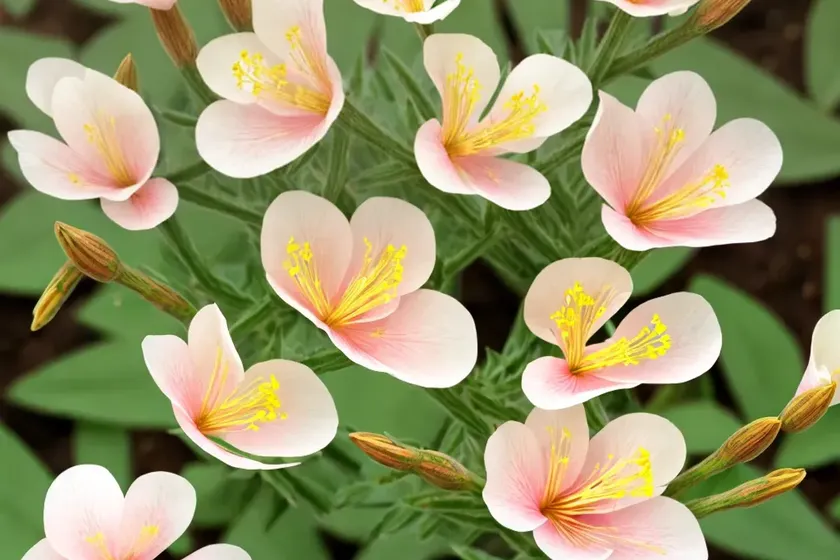
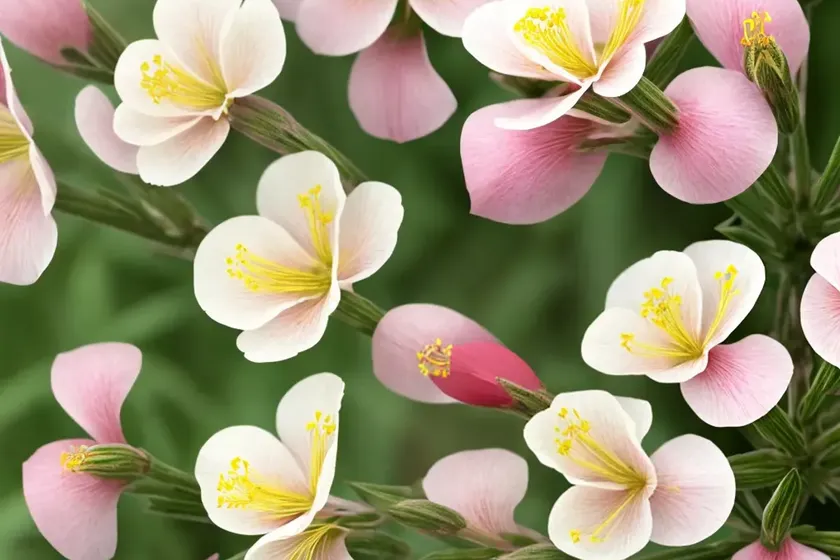
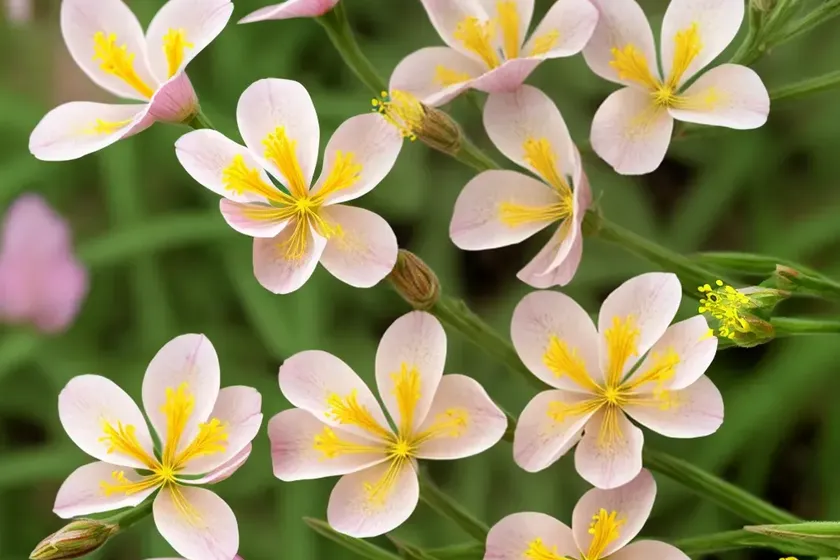
Plants are a fundamental part of the Earth’s ecosystem. They play a crucial role in oxygen production, carbon sequestration, and food chains. In addition to their ecological importance, plants also contribute to the aesthetics and vitality of our surroundings. There are countless plant species, each with its unique characteristics and significance. In this article, we will explore the captivating Calylophus serrulatus, commonly known as Plains Evening Primrose. From its cultural uses to its propagation techniques and ecological implications, this article aims to provide an in-depth understanding of this remarkable plant.
What is Calylophus serrulatus?
Calylophus serrulatus, also referred to as Plains Evening Primrose, is a species of flowering plant in the family Onagraceae. It is native to North America, specifically the Great Plains region. This resilient perennial plant is renowned for its vibrant yellow flowers and its adaptability to various environmental conditions. The Plains Evening Primrose is a valuable component of prairie ecosystems, where it contributes to the biodiversity and visual appeal of the landscape.
Key Takeaways – Calylophus serrulatus (Plains Evening Primrose)
Before delving into the details of plant care and cultivation, let’s highlight the key takeaways about Calylophus serrulatus. These points will provide a concise overview of the plant’s characteristics, uses, and environmental requirements.
- C. serrulatus is a perennial flowering plant belonging to the Onagraceae family.
- It is commonly known as Plains Evening Primrose and is indigenous to the Great Plains region of North America.
- The plant produces striking yellow flowers and is well-suited for prairie and xeriscape gardens.
- Calylophus serrulatus has cultural, ecological, and medicinal significance.
- It thrives in dry, well-drained soils and requires ample sunlight for optimal growth.
- The plant can be propagated through seeds or division of mature clumps.
- It is relatively low-maintenance and displays excellent drought tolerance.
Now that we have established an overview of Calylophus serrulatus, let’s dive into the details of its care, uses, and ecological impact.
Culture
Understanding the cultural context of a plant is essential for appreciating its significance in various traditions and practices. The cultural uses of Calylophus serrulatus extend beyond ornamental gardening, encompassing historical, medicinal, and symbolic associations.
Uses
Historical and Ethnobotanical Significance: Indigenous communities in the Great Plains region have historically utilized Calylophus serrulatus for various purposes, including food, medicine, and ceremonial practices. The plant’s resilience and abundance in the prairie landscape made it an important resource for traditional cultures.
Medicinal Properties: Plains Evening Primrose has a rich history of medicinal use among Native American tribes. The roots were used to prepare infusions for treating various ailments, including digestive disorders and skin conditions. The plant’s high content of gamma-linolenic acid (GLA) has attracted interest in modern herbal medicine for its potential anti-inflammatory and therapeutic properties.
Symbolism: In addition to its practical applications, Calylophus serrulatus holds symbolic significance in certain cultural contexts. The vibrant yellow flowers are associated with positivity, vitality, and resilience. In some traditions, the plant symbolizes growth and the cyclical nature of life.
Plant Care
Successful cultivation of Calylophus serrulatus requires careful attention to its specific environmental needs. From sunlight exposure to soil requirements, understanding the plant’s care guidelines is crucial for fostering its health and vitality.
| Aspect | Requirement |
|---|---|
| Water | Low to moderate; drought-tolerant |
| Sunlight | Full sun; thrives in bright, direct sunlight |
| Fertilizer | Minimal fertilization; suited for nutrient-poor soils |
| Soil | Well-drained; prefers sandy or gravelly soil |
| Pruning | Light pruning after flowering season |
| Propagation | Seeds, division of mature clumps |
Water
Calylophus serrulatus demonstrates remarkable drought tolerance, making it an ideal choice for water-wise landscaping and xeriscaping. Once established, the plant requires minimal irrigation, relying on natural rainfall to sustain its growth. However, during prolonged dry spells, supplemental watering can support healthy flowering and overall vigor. It is important to avoid overwatering, as excessive moisture can lead to root rot and other complications.
Sunlight
Plains Evening Primrose thrives in full sun conditions, displaying its best growth and blooming performance when exposed to bright, direct sunlight. Therefore, when selecting a planting location for Calylophus serrulatus, it is essential to prioritize areas with ample sun exposure. Insufficient light may result in reduced flowering and increased susceptibility to pests and diseases.
Fertilizer
One of the remarkable characteristics of Calylophus serrulatus is its ability to thrive in nutrient-poor soils. Excessive fertilization can be detrimental to the plant, leading to excessive foliage growth at the expense of flower production. Therefore, minimal fertilization is recommended, with a focus on using organic, low-nitrogen fertilizers sparingly. This approach encourages the plant to allocate its resources towards flowering and overall resilience.
Soil
Well-drained soils are essential for the successful cultivation of Plains Evening Primrose. The plant prefers sandy or gravelly soil compositions that facilitate rapid water drainage and prevent waterlogging. Before planting Calylophus serrulatus, it is advisable to amend heavy clay soils with organic matter and coarse sand to enhance their drainage capacity. This step promotes healthy root development and reduces the risk of water-related stress.
Pruning
After the flowering season, light pruning can help maintain the aesthetic appeal of Calylophus serrulatus while stimulating new growth for the upcoming season. The removal of spent flowers and minimal shaping of the plant can contribute to a tidy appearance and encourage re-blooming. It is important to exercise caution during pruning to avoid excessive removal of healthy foliage, as the plant’s resilience relies on its ability to photosynthesize efficiently.
Propagation
Plains Evening Primrose can be propagated through several methods, including seed propagation and division of mature clumps. Both techniques have their distinct advantages and are relatively straightforward, making them accessible to novice gardeners and horticultural enthusiasts. Seed propagation allows for the establishment of new plantings, while division enables the rejuvenation of existing specimens and the expansion of the plant’s presence in the garden.
Popularity
The popularity of Calylophus serrulatus in horticulture and landscaping has steadily increased, thanks to its remarkable attributes and adaptability. Gardeners and landscape designers are drawn to the plant’s vibrant flowers, low-maintenance requirements, and ecological benefits, making it a valuable addition to diverse garden settings.
Container Gardening
In addition to its presence in traditional garden beds and xeriscape landscapes, Plains Evening Primrose is well-suited for container gardening. The plant’s moderate size and resilience to dry conditions make it an excellent candidate for containers placed on patios, decks, and other outdoor living spaces. When cultivating Calylophus serrulatus in containers, it is important to choose well-draining potting mix and provide adequate sunlight for the plant’s growth.
Common Diseases and Pests
While Calylophus serrulatus is known for its resilience, it can be susceptible to certain diseases and pest infestations under unfavorable conditions. Understanding the common issues that affect the plant and implementing preventive measures is essential for maintaining its health and vigor.
Disease Diagnosis
One of the primary diseases that can affect Plains Evening Primrose is powdery mildew, a fungal infection that manifests as white, powdery patches on the plant’s foliage. This condition often arises in humid or poorly ventilated environments and can weaken the plant over time. Proper air circulation, moderate watering, and prompt removal of affected foliage can help mitigate the impact of powdery mildew.
Common Pests
Aphids and spider mites are among the common pests that may target Calylophus serrulatus, particularly in stressed or crowded growing conditions. These pests can cause damage to the plant by feeding on its sap and transmitting diseases. Regular monitoring of the plant’s foliage and the implementation of natural pest control methods, such as insecticidal soaps and predatory insects, can help manage pest populations without resorting to chemical interventions.
Botanist’s Tips
As a plant scientist with a deep appreciation for Calylophus serrulatus, I have gathered valuable insights and tips for cultivating and appreciating this remarkable species. These tips are based on both empirical knowledge and scientific understanding, contributing to a holistic approach to plant care and ecological stewardship.
- Promote Biodiversity: Incorporating Calylophus serrulatus into garden designs and landscaping projects supports local biodiversity by providing nectar and habitat for pollinators, including bees, butterflies, and moths. This ecological contribution enhances the overall resilience of the ecosystem and promotes sustainable gardening practices.
- Companion Planting: Pairing Plains Evening Primrose with complementary native plants, such as echinacea and black-eyed susan, creates visually appealing and ecologically beneficial plant communities. These combinations emulate natural prairie landscapes and contribute to the conservation of native flora.
- Educational Outreach: Engaging in educational initiatives and community outreach programs to raise awareness about the ecological importance of native prairie plants, including Calylophus serrulatus, fosters a sense of environmental stewardship and conservation ethics among diverse audiences.
Fun Facts
Exploring the intriguing aspects of Calylophus serrulatus reveals a tapestry of fascinating details that contribute to its allure and significance. These fun facts showcase the plant’s unique characteristics and ecological interactions, enriching our understanding of its place in the natural world.
- Nocturnal Blooms: Plains Evening Primrose exhibits the fascinating trait of nocturnal blooming, with its flowers unfurling in the late afternoon and remaining open throughout the night. This adaptation is thought to attract crepuscular and nocturnal pollinators, such as moths and certain species of bees.
- Wildlife Habitat: In addition to serving as a nectar source for pollinators, Calylophus serrulatus provides shelter and nesting sites for small wildlife, contributing to the overall ecological balance within its native habitat. The plant’s role in supporting diverse wildlife populations underscores its ecological significance.
- Xeriscape Champion: As a xeriscape-friendly plant, Plains Evening Primrose embodies the principles of water-wise landscaping and sustainable horticulture. Its ability to thrive in arid and semi-arid environments makes it a valuable asset for conservation-minded gardeners and landscaping professionals.
Links to External Resources
To further enrich your knowledge and exploration of Calylophus serrulatus, I recommend exploring the following resources:
- Lady Bird Johnson Wildflower Center – Calylophus serrulatus
- North Carolina State University Extension – Plains Evening Primrose
- The Morton Arboretum – Calylophus serrulatus Information
- USDA Plants Database – Calylophus serrulatus
By engaging with these reputable sources, you can gain a comprehensive perspective on the botanical, ecological, and horticultural aspects of Plains Evening Primrose.
In conclusion, Calylophus serrulatus (Plains Evening Primrose) emerges as a captivating plant with a rich tapestry of cultural, ecological, and horticultural significance. From its historical uses to its modern-day ecological contributions, this species embodies the resilience and beauty of native prairie plants. By integrating Plains Evening Primrose into sustainable landscapes and promoting its conservation, we can honor its heritage and ensure its enduring presence in our natural environments. Whether you are a gardener, conservationist, or botanical enthusiast, Calylophus serrulatus offers a compelling invitation to explore the intricate wonders of the plant kingdom and the interconnectedness of life on Earth.
I hope this article provides you with valuable insights and inspiration for embracing the enchanting world of Calylophus serrulatus.
With botanical reverence,
[Your Name]
Plant Scientist
Date: [Insert Date]


