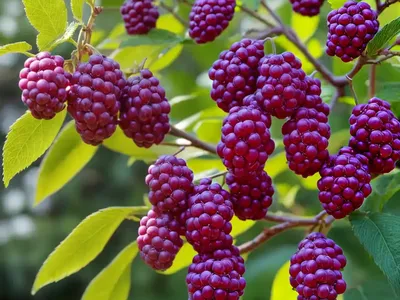
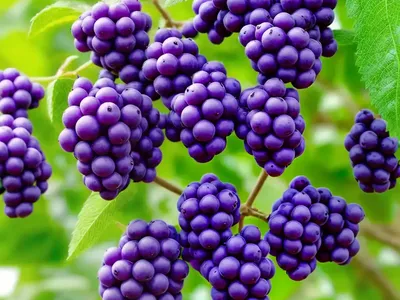
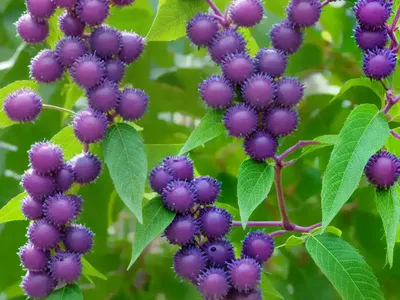
Callicarpa Dichotoma (Purple Beautyberry)
Plants are not just a part of our environment; they play a pivotal role in maintaining ecological balance, sustaining life, and adding beauty to the world..
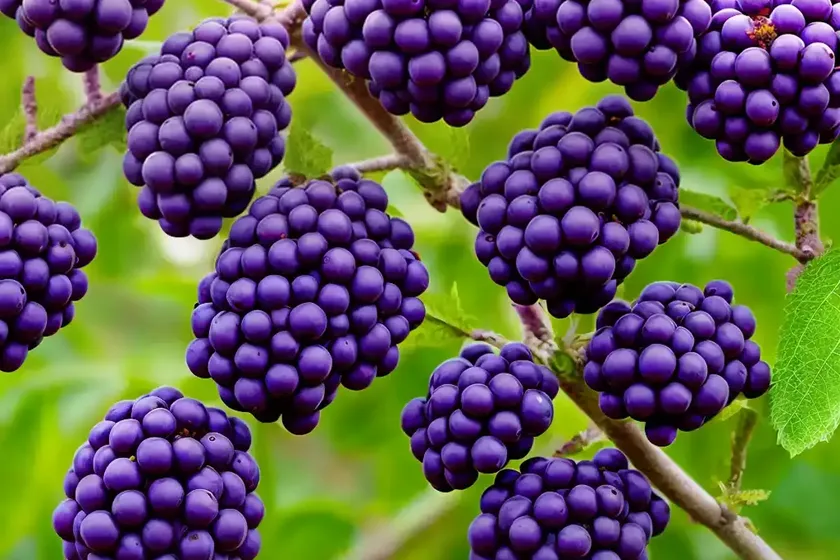
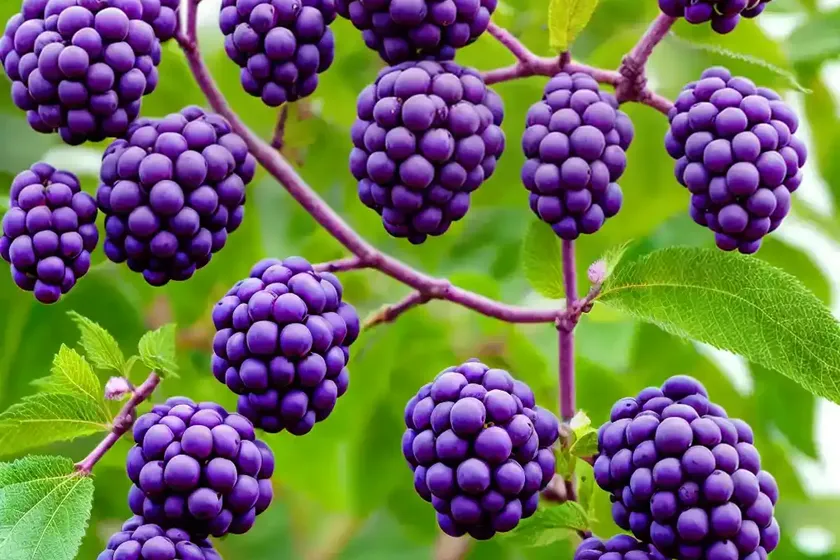

Plants are not just a part of our environment; they play a pivotal role in maintaining ecological balance, sustaining life, and adding beauty to the world. One such captivating and beneficial plant is Callicarpa dichotoma, commonly known as Purple Beautyberry. This ornamental plant is celebrated for its stunning purple berries, which adorn the landscape and serve as a valuable resource for wildlife. In this comprehensive guide, we will explore everything you need to know about Callicarpa dichotoma, including its characteristics, cultivation, uses, and maintenance.
What is Callicarpa dichotoma (Purple Beautyberry)?
Callicarpa dichotoma, a member of the Lamiaceae family, is a deciduous ornamental shrub native to East Asia, including China, Korea, and Japan. It is known for its striking and vibrant clusters of purple berries that appear in the fall, adding a pop of color to the landscape. Apart from its aesthetic appeal, this plant also offers various ecological benefits, making it a favored choice for landscaping and garden enthusiasts.
Key Takeaways – Callicarpa dichotoma (Purple Beautyberry)
Here are some key takeaways before we delve deeper into the specifics of Purple Beautyberry:
- Common Name: Purple Beautyberry
- Botanical Name: Callicarpa dichotoma
- Family: Lamiaceae
- Native Range: East Asia (China, Korea, Japan)
- Growth Habit: Deciduous shrub
- Notable Feature: Clusters of vibrant purple berries
- Wildlife Benefits: Attracts birds and pollinators
- Cultural Uses: Ornamental landscaping, traditional medicine
- Hardiness Zones: 5-8
- Sunlight: Full sun to partial shade
- Soil Preference: Well-draining, fertile soil
- Water Requirements: Moderate to high moisture
- Maintenance: Low maintenance once established
Now that we have an overview of this captivating plant, let’s delve into the specifics of its culture, uses, and maintenance to understand how to best care for Callicarpa dichotoma.
Culture
Understanding the cultural requirements of Callicarpa dichotoma is essential for successful cultivation and maintenance. From sunlight and water needs to soil preference, providing the right growing conditions is crucial for the plant’s overall health and vigor.
Water
Callicarpa dichotoma benefits from moderate to high levels of moisture. While it can tolerate short periods of drought once established, consistent watering is essential, especially during the establishment phase and in periods of prolonged dryness. Adequate moisture levels contribute to robust growth and support the development of the characteristic vibrant purple berries.
It’s important to avoid waterlogging the soil, as excess water can lead to root rot and other moisture-related issues. Providing well-draining soil and watering when the top inch of soil feels dry to the touch will help maintain optimal moisture levels for Purple Beautyberry.
Sunlight
Purple Beautyberry thrives in full sun to partial shade. When planted in a location with ample sunlight, the plant produces the most vibrant and abundant clusters of purple berries, enhancing its visual appeal. However, it can also tolerate partial shade, making it versatile in various garden settings.
In regions with intense summer heat, providing some afternoon shade can help prevent stress and sunburn on the plant. Understanding the local climate and adjusting the sunlight exposure accordingly can contribute to the overall health and vigor of Callicarpa dichotoma.
Fertilizer
While Callicarpa dichotoma is relatively low-maintenance, providing a balanced fertilizer in spring can promote healthy growth and prolific berry production. A general-purpose fertilizer suited for shrubs or flowering plants can be applied in early spring, following the manufacturer’s guidelines for application rates.
It’s important to avoid over-fertilization, as excessive nutrients can lead to lush foliage at the expense of berry production. A balanced approach to fertilization, coupled with adequate moisture and sunlight, can contribute to the plant’s overall health and vigor.
Soil
The soil preference of Callicarpa dichotoma is well-draining, fertile soil. Loamy, nutrient-rich soil with good drainage is ideal for this plant. Amending the soil with organic matter, such as compost or well-rotted manure, can enhance its overall structure and fertility, creating an optimal growing environment for Purple Beautyberry.
Prior to planting, conduct a soil test to assess the pH and nutrient levels, making necessary amendments based on the test results. This proactive approach can ensure that the plant has access to essential nutrients and an ideal growing medium for healthy development.
Pruning
Proper pruning is key to maintaining the desired shape, size, and overall health of Callicarpa dichotoma. Additionally, strategic pruning can encourage prolific berry production and prevent overcrowding within the plant.
Pruning Timing
Early spring is the ideal time for pruning Purple Beautyberry. Performing pruning tasks before new growth emerges allows the plant to allocate its resources effectively and reduces the risk of disturbing new buds and developing berries.
Pruning Techniques
When pruning Callicarpa dichotoma, focus on the following techniques:
-
Removing Dead or Damaged Wood: Trim away any dead, diseased, or damaged branches to promote the overall health of the plant and prevent the spread of diseases.
-
Thinning Out: Thin out crowded or crossing branches to improve air circulation and light penetration within the plant. This encourages healthy growth and reduces the risk of fungal diseases.
-
Size and Shape Control: If necessary, prune to control the size and shape of the plant. While Purple Beautyberry has a naturally rounded growth habit, selective pruning can help maintain a tidy appearance and prevent overgrowth in the landscape.
Pruning Callicarpa dichotoma with these techniques contributes to the plant’s overall health, aesthetics, and berry production, ensuring a visually appealing and well-maintained shrub in the garden.
Propagation
Propagation allows gardeners to expand their Purple Beautyberry collection or share this remarkable plant with fellow enthusiasts. Understanding the various propagation methods and best practices is essential for successful reproduction of Callicarpa dichotoma.
Propagation Methods
Callicarpa dichotoma can be propagated through seed sowing, stem cuttings, and division. Each method offers its own set of advantages and considerations, enabling gardeners to select the approach that best suits their preferences and resources.
-
Seed Sowing: Propagating Purple Beautyberry from seeds can be a rewarding process, albeit one that requires patience. Collect ripe berries in the fall, extract the seeds, and sow them in a well-prepared seed-starting mix. Provide consistent moisture and warmth for successful germination.
-
Stem Cuttings: Taking semi-hardwood or hardwood cuttings in late summer or early fall offers a reliable method of propagation. Select healthy, disease-free stems and prepare them for rooting in a suitable growing medium. With proper care and environmental conditions, the cuttings develop roots and establish themselves as new plants.
-
Division: While less common, division is a viable method for propagating mature Callicarpa dichotoma plants. Divide established clumps carefully, ensuring that each division has adequate roots and shoots for successful establishment.
By exploring and experimenting with these propagation methods, gardeners can expand their Purple Beautyberry collection and share the beauty and benefits of this plant with others.
Container Popularity
Callicarpa dichotoma can thrive in containers, showcasing its captivating beauty and vibrant berries in various settings, from patios and balconies to entryways and garden spaces. Understanding the considerations for container gardening with Purple Beautyberry is essential for successful cultivation in this context.
Container Gardening Considerations
When growing Callicarpa dichotoma in containers, keep the following considerations in mind:
-
Container Size: Select a spacious container that accommodates the plant’s root system and allows for healthy growth. A container with adequate drainage holes facilitates proper moisture management and prevents waterlogging.
-
Growing Medium: Choose a well-draining potting mix suited for shrubs or ornamental plants. A balanced mix of soil, perlite, and organic matter provides an ideal growing medium for Purple Beautyberry.
-
Sunlight: Position the container in a location that receives ample sunlight, as this promotes healthy growth and abundant berry production.
-
Watering: Monitor the moisture levels in the container and water the plant as needed. Containers may dry out more quickly than garden beds, requiring regular attention to watering.
-
Fertilization: Provide a balanced fertilizer in spring to support the plant’s growth and berry production. Avoid over-fertilization, as excessive nutrients can lead to issues in container-grown plants.
Purple Beautyberry makes a stunning addition to container gardens, offering a burst of color and visual interest in various outdoor spaces. With the right care and attention, this plant thrives in containers, providing an eye-catching display throughout the growing season.
Common Diseases
While Callicarpa dichotoma is relatively resilient, it can be susceptible to certain diseases, especially when grown in unfavorable conditions or exposed to stressors. Understanding the common diseases and their management is crucial for maintaining the plant’s health and vigor.
Disease Diagnosis
Keep an eye out for the following common diseases that can affect Purple Beautyberry:
-
Powdery Mildew: This fungal disease presents as a powdery, white coating on the leaves, stems, and berries. It thrives in humid conditions and can compromise the plant’s overall health. To manage powdery mildew, improve air circulation, and consider applying a fungicidal treatment if the infestation is severe.
-
Leaf Spot: Leaf spots may develop due to fungal or bacterial pathogens, leading to the formation of discolored lesions on the foliage. Remove and dispose of affected leaves to prevent the spread of the disease, and consider adjusting irrigation practices to minimize moisture on the foliage.
-
Root Rot: Excessive moisture and poor drainage can lead to root rot, affecting the plant’s root system and overall health. To address root rot, improve the soil’s drainage, refrain from overwatering, and consider adjusting the plant’s growing conditions to promote root recovery.
By conducting regular inspections and promptly addressing any signs of disease, gardeners can support the overall health and resilience of Callicarpa dichotoma, ensuring that it thrives in the garden or landscape.
Common Pests
In addition to diseases, some pests may pose a threat to Purple Beautyberry. Being aware of the common pests and implementing appropriate pest control measures is essential for protecting the plant and maintaining its vitality.
Pest Identification and Control
Watch out for the following common pests that may affect Callicarpa dichotoma:
-
Aphids: These small, sap-sucking insects can congregate on the leaves and stems of Purple Beautyberry, potentially causing leaf distortion and weakening the plant. Diligently monitor for aphid infestations and consider applying insecticidal soap or horticultural oil to control their populations.
-
Spider Mites: Spider mites are tiny arachnids that can cause stippling and discoloration on the foliage of the plant. Introduce natural predators, such as predatory mites, to control spider mite populations, and consider using targeted treatments if the infestation becomes severe.
-
Japanese Beetles: These voracious feeders can cause substantial damage to the foliage and berries of Callicarpa dichotoma. Handpick adult beetles and consider protective measures, such as row covers or insecticidal treatments, to minimize their impact on the plant.
By remaining vigilant and implementing integrated pest management strategies, gardeners can effectively protect Purple Beautyberry from pest infestations and ensure its continued health and vigor in the garden.
Botanist’s Tips
Fun Facts
- The vibrant purple berries of Callicarpa dichotoma are not only visually striking but also serve as a valuable food source for birds, supporting wildlife in various landscapes.
- In traditional medicine, certain parts of the plant have been used for their medicinal properties, with potential applications in herbal remedies and treatments.
Botanist’s Tips
- Ecological Benefits: Emphasize the ecological benefits of Callicarpa dichotoma, such as its role in supporting wildlife and contributing to biodiversity in garden and natural settings.
- Medicinal Potential: Highlight the potential medicinal properties of Purple Beautyberry, shedding light on its historical uses and current research in the field of herbal medicine.
- Ornamental Value: Showcase the ornamental value of the plant, particularly its vibrant berries and resilience in garden settings.
By leveraging these botanist’s tips, enthusiasts and professionals can foster a deeper appreciation for Callicarpa dichotoma and its multifaceted contributions to garden landscapes and beyond.
Links to External Resources
To further explore the world of Callicarpa dichotoma and gain additional insights into its cultivation, uses, and ecological significance, consider the following external resources:
- Purple Beautyberry: A Colorful Addition to the Garden
- Wildlife-Friendly Gardening with Callicarpa dichotoma
- Medicinal Potential of Callicarpa dichotoma: A Botanical Review
- Ornamental Berries for Year-Round Interest in Landscapes
By exploring these resources, enthusiasts and professionals can access a wealth of information on Purple Beautyberry, its diverse applications, and its significance in ecological and horticultural contexts.
Conclusion
Callicarpa dichotoma, also known as Purple Beautyberry, is a captivating and valuable plant renowned for its vibrant berries, ecological benefits, and ornamental appeal. By understanding its cultural requirements, uses, and maintenance practices, gardeners and enthusiasts can cultivate this exceptional shrub with confidence, adding a burst of color, ecological value, and visual interest to their landscapes.
Through thoughtful propagation, regular maintenance, and an appreciation for its ecological contributions, Callicarpa dichotoma can thrive in garden settings, enriching the environment and delighting all who encounter its stunning display of purple berries. Whether used as a focal point in a wildlife-friendly garden or as a source of inspiration for medicinal and ornamental applications, Purple Beautyberry continues to captivate and contribute to the world of plants and gardens in remarkable ways.