Callery Pear (Pyrus Calleryana)
Plants are integral to the sustenance of life on earth and are an essential component of our ecosystem. One such plant that has gained popularity in urban.
Plants are integral to the sustenance of life on earth and are an essential component of our ecosystem. One such plant that has gained popularity in urban landscaping is the Callery pear (Pyrus calleryana). In this comprehensive guide, we will explore the various aspects of Callery pear including its culture, uses, care requirements, diseases, pests, and much more. Whether you are a novice gardener or an experienced horticulturist, this article will provide valuable insights into the world of Callery pear.
What is Callery Pear (Pyrus calleryana)?
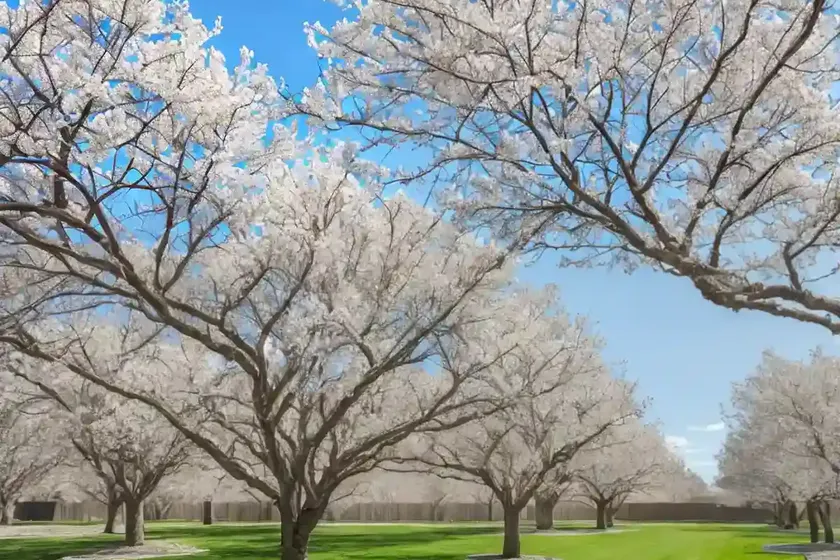
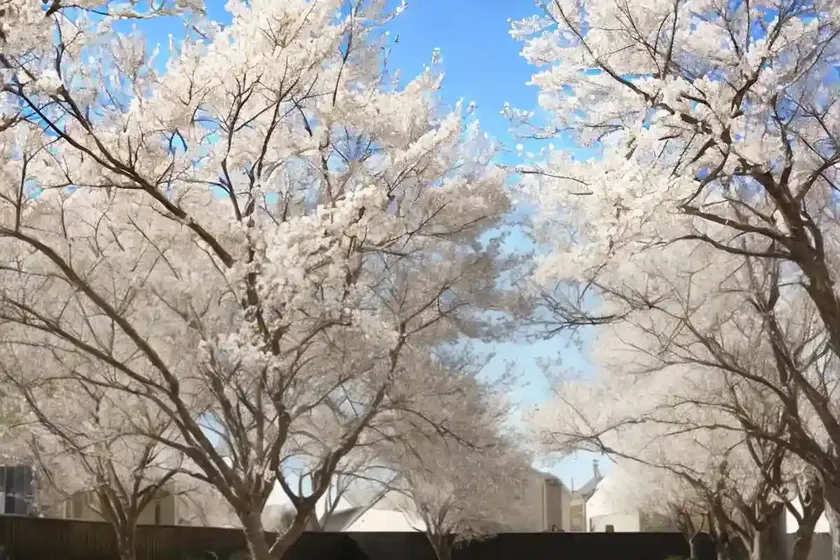
Callery pear (Pyrus calleryana) is a deciduous tree that is native to China and Vietnam. It belongs to the family Rosaceae and is known for its ornamental value, especially during the flowering season. The tree is characterized by its profusion of white flowers in early spring and glossy green foliage that changes to vibrant hues in the fall. Due to its adaptability to various soil types and climates, the Callery pear has found widespread use in urban and suburban landscapes.
Key Takeaways – Callery Pear (Pyrus calleryana)
Before delving into the specifics, let’s outline some of the key takeaways that will be covered in this guide:
- Uses: Understanding the various practical and ornamental uses of the Callery pear.
- Culture: Exploring the cultural requirements of the tree.
- Water: Discussing the watering needs of the Callery pear.
- Sunlight: Understanding the sunlight preferences for optimal growth.
- Fertilizer: Identifying the fertilization needs of the tree.
- Soil: Exploring the soil requirements for healthy growth.
- Pruning: Techniques and timing for effective pruning.
- Propagation: Exploring methods for propagating Callery pear.
- Container Popularity: Understanding its potential for container gardening.
- Common Diseases: Identifying prevalent diseases and their management.
- Common Pests: Discussing the common pests that affect the tree.
- Botanist’s Tips: Expert insights and recommendations for care.
- Fun Facts: Intriguing and lesser-known facts about the Callery pear.
- Links to External Resources: Further reading for in-depth understanding.
Now, let’s dive into each of these aspects to gain a comprehensive understanding of the Callery pear.
1. Uses
The Callery pear finds multiple uses in landscaping and urban environments, owing to its ornamental features, adaptability, and relatively low maintenance requirements. Some of its key uses include:
- Ornamental Tree: The striking white blossoms in spring and vibrant fall foliage make it a popular choice for ornamental planting.
- Street Trees: Callery pear is often planted along streets and roads due to its tolerance of urban conditions and pollution.
- Wildlife Habitat: The tree provides cover and food for various bird species, making it a valuable addition to wildlife-friendly landscapes.
- Land Erosion Control: The roots of the tree help stabilize the soil, making it useful for erosion control in landscapes.
2. Culture
Understanding the cultural requirements of the Callery pear is essential for its successful growth and development. From proper watering to soil conditions, each aspect contributes to the overall health of the tree.
Water
Water Requirements: Callery pear trees require regular watering, especially during the first few years after planting. While the tree is relatively drought-tolerant once established, it is important to ensure consistent moisture, particularly during periods of prolonged dryness.
Sunlight
Sunlight Preferences: Callery pear thrives in full sun to partial shade. It performs best when exposed to at least 6 hours of direct sunlight per day. Adequate sunlight is essential for flower and fruit production, as well as overall tree vigor.
Fertilizer
Fertilization Needs: The tree benefits from regular fertilization, especially in its early years. A balanced fertilizer applied in early spring can promote healthy growth and flowering. However, it is important not to over-fertilize, as excessive nitrogen can lead to excessive vegetative growth at the expense of flowering.
Soil
Soil Requirements: Callery pear is adaptable to a wide range of soil types, including clay, loam, and sandy soils. However, well-drained soil is crucial for its growth. It can tolerate slightly acidic to slightly alkaline soil pH levels.
3. Pruning
Pruning is an essential practice for maintaining the health, shape, and structure of Callery pear trees. Proper timing and techniques are crucial to avoid potential issues such as weak branch attachments and excessive sprouting.
Pruning Techniques
Structural Pruning: It is important to conduct structural pruning during the tree’s formative years to establish a strong framework of branches. This includes the removal of any competing or crossing branches to promote a well-spaced and balanced canopy.
Deadwood Removal: Regularly removing dead, diseased, or damaged wood helps maintain the tree’s health and appearance.
Thinning: Thinning out excess growth within the canopy can improve air circulation and reduce the risk of disease and pest infestations.
4. Propagation
The propagation of Callery pear can be achieved through various methods, each offering its own advantages and challenges. Understanding the propagation techniques is valuable for expanding the tree population and maintaining genetic diversity.
Seed Propagation
Collection and Preparation: Ripe fruits can be collected and the seeds extracted for propagation. After cleaning and scarification, the seeds can be planted in a suitable growing medium.
Germination: The seeds may require a period of cold stratification to break dormancy. Once germinated, the seedlings can be transplanted to individual containers or directly into the ground.
Vegetative Propagation
Cuttings: Semi-hardwood cuttings can be taken in late summer and rooted under controlled conditions.
Grafting: Using suitable rootstock, Callery pear scions can be grafted to propagate desired cultivars.
5. Container Popularity
Callery pear can be grown in containers, making it a versatile option for urban and small-space gardening. When grown in containers, attention to watering, fertilization, and root space is crucial for the tree’s health and long-term growth.
6. Common Diseases
Understanding the common diseases that affect Callery pear is essential for timely diagnosis and management. Some prevalent diseases include:
- Fire Blight (Erwinia amylovora): This bacterial disease can cause wilting, browning, and dieback of branches, often resembling a “burned” appearance.
- Leaf Spot: Various fungal pathogens can cause leaf spot, leading to the development of dark spots on the foliage.
- Powdery Mildew: This fungal disease can affect the leaves, causing a powdery white growth on the surface.
Disease Diagnosis
Visual Inspection: Regularly inspect the foliage, branches, and trunk for any signs of disease, including unusual discoloration, spots, or wilting.
Professional Consultation: If disease symptoms are observed, it is advisable to seek the expertise of a certified arborist or horticulturist for accurate diagnosis and treatment recommendations.
7. Common Pests
Callery pear may also be susceptible to certain pests that can affect its overall health and vigor. Common pests include:
- Aphids: These small, sap-sucking insects can cause distorted growth and the development of sticky honeydew.
- Scale Insects: Scale insects often appear as small, waxy bumps on the branches and can weaken the tree over time.
- Borers: Various borers may attack the tree, causing damage to the trunk and branches.
Pest Control
Integrated Pest Management (IPM): Implementing an IPM approach, which combines cultural, biological, and chemical control methods, can be effective in managing pest infestations.
Regular Monitoring: Periodically inspect the tree for the presence of pests and take appropriate action at the first signs of infestation.
8. Botanist’s Tips
Experts in the field of botany and horticulture emphasize several key tips for successful Callery pear cultivation and care:
- Selecting Suitable Cultivars: Depending on the specific landscape or urban environment, choose Callery pear cultivars that are well-suited to the local climate and soil conditions.
- Proper Mulching: Applying a layer of organic mulch around the base of the tree helps conserve soil moisture, regulate soil temperature, and reduce weed competition.
- Monitoring Soil Moisture: Maintain optimal soil moisture levels, especially during the establishment phase and periods of drought stress.
9. Fun Facts
Uncover some intriguing and lesser-known facts about the Callery pear:
- Callery pear is a tetraploid species, meaning it has double the number of chromosomes compared to the typical diploid pear species.
- The distinctive smell produced by the flowers of some Callery pear cultivars has been likened to that of rotting fish, earning them the nickname “semen trees” in certain regions.
- While the tree is prized for its ornamental value, it has also been labeled as invasive in certain areas due to its prolific seed production and ability to outcompete native species.
Links to External Resources
For further exploration of Callery pear (Pyrus calleryana) and related topics, consider the following external resources:
- USDA Plant Guide: Callery Pear
- Missouri Botanical Garden: Pyrus calleryana
- University of Florida IFAS Extension: Callery Pear
In conclusion, the Callery pear (Pyrus calleryana) presents a fascinating yet complex subject for plant enthusiasts and horticulturalists alike. As with any plant, understanding its cultural requirements, propagation methods, and potential issues is essential for its successful cultivation and management. By delving into the nuances of Callery pear care, we can foster a deeper appreciation for this versatile and enigmatic tree.
Whether it’s the delicate blooms in spring, the vibrant foliage in autumn, or the ecological contributions it makes, the Callery pear continues to captivate and intrigue those who study and cultivate it. As we continue to explore and understand the world of plants, the Callery pear stands as a testament to the beauty and complexity of the natural world in which we live.


