Calla Lily (Zantedeschia Aethiopica)
As a plant scientist, I am constantly mesmerized by the beauty and diversity of plant life. Among the plethora of plant species, one that has captivated.
As a plant scientist, I am constantly mesmerized by the beauty and diversity of plant life. Among the plethora of plant species, one that has captivated the hearts of many with its elegant and sophisticated appearance is the Zantedeschia aethiopica, commonly known as the calla lily. In this comprehensive guide, we will delve into the captivating world of calla lilies, exploring its characteristics, cultivation techniques, popular uses, associated diseases and pests, and much more. Whether you are a seasoned horticulturist or an avid enthusiast, this guide will provide valuable insights into the enchanting realm of calla lilies.
What is a Calla Lily?
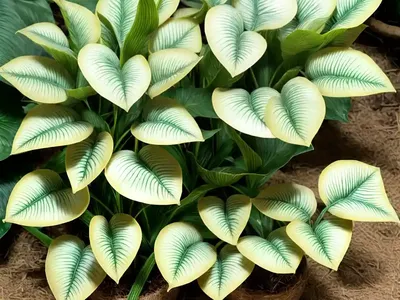
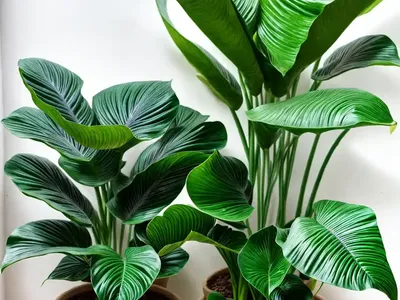
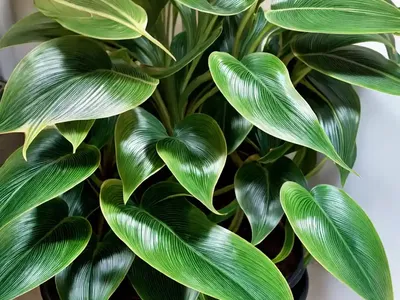
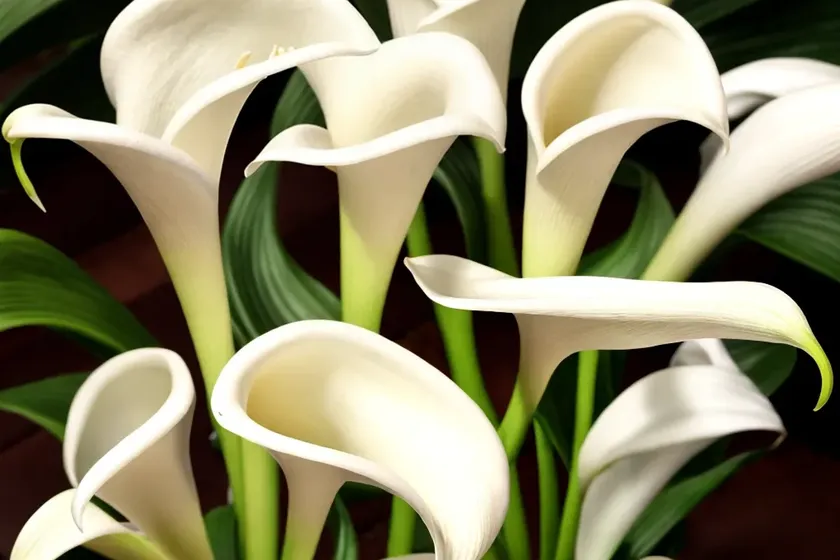
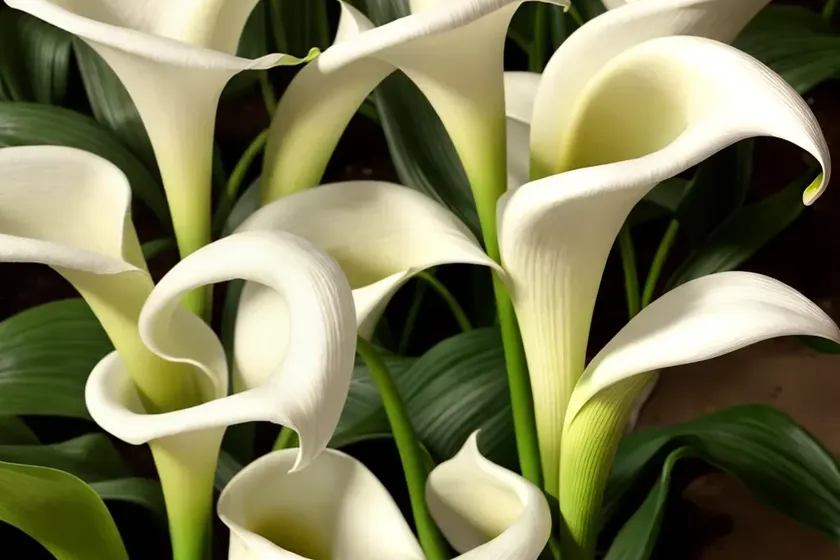
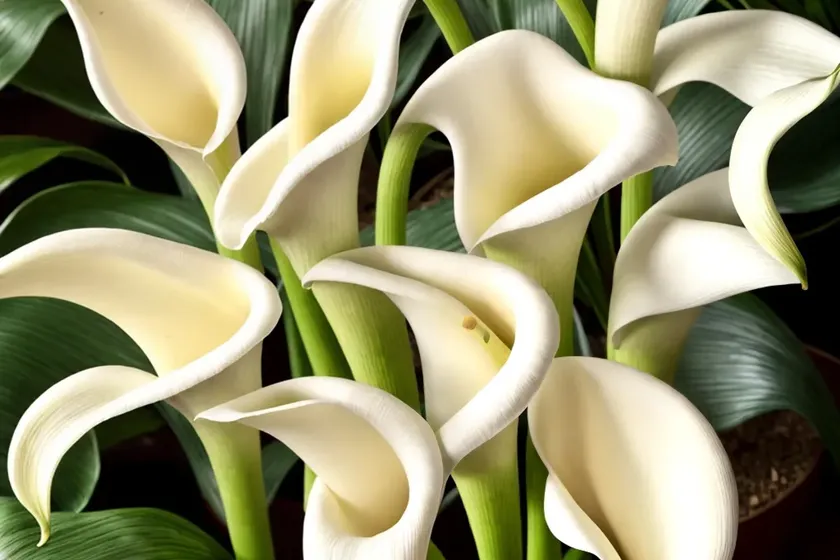
The calla lily, scientifically known as Zantedeschia aethiopica, is a striking flowering plant that belongs to the Araceae family. Originating from southern Africa, particularly from the region of South Africa, Lesotho, and Swaziland, the calla lily is esteemed for its distinctive trumpet-shaped flowers and lush, arrowhead-shaped leaves. The plant is characterized by its tall, sturdy stems that bear these resplendent blooms, making it a sought-after choice for floral arrangements, landscaping, and indoor cultivation.
Key Takeaways – Calla Lily (Zantedeschia aethiopica)
Before we embark on our journey into the world of calla lilies, let’s take a moment to understand the key highlights of this exquisite plant.
- Botanical Name: Zantedeschia aethiopica
- Family: Araceae
- Common Names: Calla lily, arum lily
- Native Habitat: Southern Africa
- Distinctive Features: Trumpet-shaped flowers, arrowhead-shaped leaves
- Popularity: Widely used in floral arrangements, landscaping, and indoor decoration
With these essential details in mind, let’s delve into the various aspects of calla lily cultivation and care.
Culture
Uses
The allure of calla lilies extends beyond their visual appeal, as they serve diverse purposes in horticulture and floristry. Here are some common uses of calla lilies:
- Floral Arrangements: Calla lilies are a popular choice for creating stunning floral arrangements, bouquets, and centerpieces. Their elegant form and vibrant colors make them a staple in weddings, events, and home decor.
- Landscaping: In garden landscapes, calla lilies add a touch of sophistication and grace with their striking blooms and rich foliage. They are often planted in borders, alongside ponds, or in mixed perennial beds to create visual interest.
- Indoor Decoration: Due to their ornamental value, calla lilies are frequently grown indoors in containers or pots. Their alluring blooms and glossy leaves make them an attractive addition to interior spaces.
- Symbolism: Calla lilies hold symbolic meanings in various cultures, often representing purity, rebirth, and admiration. They are commonly used in floral arrangements for weddings, anniversaries, and other special occasions.
Water
Proper watering is essential for the optimal growth and health of calla lilies. Here are some key considerations for watering calla lilies:
- Moisture Requirements: Calla lilies thrive in consistently moist soil, especially during their active growing period. They benefit from regular, deep watering to ensure adequate moisture uptake.
- Avoid Waterlogging: While they require moist conditions, it’s crucial to prevent waterlogging or prolonged soil saturation, as this can lead to root rot and other detrimental issues.
- Container Cultivation: When growing calla lilies in containers, ensure proper drainage to prevent water accumulation at the root zone. Water the plants when the top inch of the soil feels dry, allowing excess water to drain freely.
Sunlight
Sunlight plays a pivotal role in the growth and blooming of calla lilies. Understanding the sunlight requirements of these plants is essential for their overall well-being:
- Light Preferences: Calla lilies thrive in partial to full sunlight. Providing them with 4-6 hours of direct sunlight daily promotes robust growth and prolific flowering.
- Shade Considerations: In regions with intense heat or prolonged sun exposure, partial shade during the hottest part of the day can benefit calla lilies, especially in outdoor settings.
- Indoor Placement: When grown indoors, place calla lilies near a bright window where they can receive ample sunlight. Adjustable curtains or blinds can help regulate light intensity if needed.
Fertilizer
Nutrient management is crucial for promoting vigorous growth and vibrant blooms in calla lilies. Here’s a guide to fertilizing these captivating plants:
- Fertilizer Types: Use a balanced, water-soluble fertilizer with a formulation such as 10-10-10 or 20-20-20 during the active growing season. Avoid high-phosphorus fertilizers, as excessive phosphorus can hinder flowering.
- Application Frequency: Apply fertilizer every 2-4 weeks during the growing season, following the manufacturer’s recommendations for dilution and application rates.
- Soil Amendments: Incorporating organic matter, such as compost or well-rotted manure, into the soil before planting calla lilies can provide a nutrient-rich foundation for their growth.
Soil
The soil composition directly impacts the health and performance of calla lilies. Understanding the ideal soil conditions is vital for cultivating flourishing plants:
- Well-Draining Medium: Calla lilies thrive in well-draining, slightly acidic to neutral soil with a pH range of 6.0-6.5. Ensure adequate drainage to prevent water accumulation around the roots.
- Organic Content: Amending the soil with organic matter enhances its structure and fertility, promoting healthy root development and nutrient uptake. Mix in compost, peat moss, or well-rotted manure to improve soil texture.
- Container Medium: When growing calla lilies in containers, use a high-quality potting mix that provides good drainage and aeration. Adding perlite or coarse sand can improve the soil’s structure and prevent compaction.
Pruning
Pruning is an integral aspect of calla lily care, contributing to plant health, aesthetics, and propagation. Here’s a comprehensive overview of pruning techniques for calla lilies:
- Faded Flowers: Remove spent flowers by snipping the stems just above the base of the plant. Deadheading encourages continuous blooming and prevents seed formation, redirecting the plant’s energy into vegetative growth.
- Yellowing Leaves: Trim yellow or withered leaves to maintain the plant’s appearance and prevent the spread of diseases. Use clean, sharp pruners to make precise cuts and minimize stress on the plant.
- Division: Periodically divide mature calla lily clumps to rejuvenate the plants and prevent overcrowding. Dig up the rhizomes, carefully separate them, and replant the healthy divisions in suitable locations.
Propagation
Expanding your collection of calla lilies or sharing these captivating plants with others can be achieved through effective propagation techniques. Here’s a guide to propagating calla lilies:
- Division: Propagating calla lilies through division of rhizomes is a common and reliable method. When the plants are dormant or at the onset of the growing season, carefully dig up the rhizomes, divide them into sections with healthy growth points, and replant the divisions at the appropriate spacing.
- Seed Propagation: While less commonly practiced due to the variability of seed-grown plants, calla lilies can be propagated from seeds. Collect mature seeds from the fruits, sow them in a suitable seed-starting mix, and provide the necessary conditions for germination and early growth.
Container Popularity
Calla lilies are well-suited for container cultivation, adding elegance and charm to indoor and outdoor settings. Here’s a glimpse into the popularity of growing calla lilies in containers:
- Indoor Elegance: Calla lilies are prized for their ornamental beauty and compact growth habit, making them ideal choices for indoor containers. Their glossy leaves and captivating blooms accentuate interior spaces with style and grace.
- Patio and Balcony Decor: When grown in containers, calla lilies elevate the ambiance of patios, balconies, and terraces with their enchanting presence. Their versatile nature allows them to thrive in small to medium-sized pots, enhancing outdoor living spaces.
- Seasonal Flexibility: Container cultivation enables the easy movement of calla lilies based on seasonal requirements. They can be placed outdoors during favorable weather and brought indoors during colder or inclement periods.
Common Diseases
Despite their ornate appearance, calla lilies are not immune to diseases and should be monitored for potential issues. Here are some common diseases that may affect calla lilies:
- Root Rot: Prolonged soil saturation or poor drainage can lead to root rot, characterized by wilting, yellowing foliage, and decay of the root system. Preventing overwatering and ensuring proper soil drainage is essential for preventing this condition.
- Leaf Spot: Fungal leaf spot diseases can manifest as dark, water-soaked lesions on the leaves, often leading to leaf yellowing, defoliation, and reduced plant vigor. Addressing humidity levels, promoting air circulation, and avoiding overhead watering can help mitigate leaf spot issues.
Disease Diagnosis
Accurately identifying and addressing diseases is pivotal for safeguarding the health of calla lilies. Here are essential steps for diagnosing and managing diseases in calla lilies:
- Symptom Recognition: Familiarize yourself with common disease symptoms in calla lilies, such as leaf discoloration, wilting, spotting, and overall decline in plant vigor.
- Pathogen Identification: Determine the potential pathogens or causal agents responsible for the observed symptoms. Consult with local horticultural experts or diagnostic laboratories for accurate disease identification.
- Cultural and Chemical Control: Implement cultural practices such as proper watering, pruning, and sanitation to minimize disease pressure. In severe cases, targeted fungicidal treatments may be necessary to manage fungal pathogens effectively.
Common Pests
Calla lilies are susceptible to pest infestations that can compromise their vitality and aesthetics. Here are some common pests that may affect calla lilies:
- Aphids: These small, sap-feeding insects can congregate on the undersides of calla lily foliage, causing distortion, curling of leaves, and the secretion of sticky honeydew. Natural predators and insecticidal soap treatments can help control aphid populations.
- Spider Mites: Tiny arachnids known as spider mites can infest calla lilies, causing stippling, webbing, and overall decline in plant health. Regularly misting the foliage and using miticides can aid in managing spider mite infestations.
Botanist’s Tips
Drawing upon expertise and practical insights, here are valuable tips from botanists for successfully growing and caring for calla lilies:
- Proper Drainage: Ensure that the planting site or containers provide adequate drainage to prevent waterlogged conditions, which can lead to root rot and other moisture-related issues.
- Pest Vigilance: Regularly inspect calla lilies for signs of pest activity, such as aphids, spider mites, or caterpillars. Early detection allows for prompt intervention to minimize pest damage.
- Optimal Sunlight: Position calla lilies in locations that receive sufficient sunlight, ensuring they have access to the necessary light energy for robust growth and prolific flowering.
Fun Facts
Before we conclude our comprehensive exploration of calla lilies, let’s revel in some intriguing and delightful fun facts about these captivating plants:
- Cultural Significance: Calla lilies hold symbolic meanings in various cultures and traditions, often representing purity, rebirth, and the appreciation of beauty.
- Magnificent Color Range: The blooms of calla lilies are not limited to white, as they also exhibit a stunning spectrum of colors, including shades of pink, yellow, orange, and deep maroon.
- Herbaceous Perennials: Calla lilies belong to the category of herbaceous perennials, meaning they die back to the ground at the end of each growing season and re-emerge from their underground rhizomes in the subsequent season.
As we conclude this comprehensive guide, I hope you have gained valuable insights into the captivating world of calla lilies, from their cultural significance to their cultivation and care requirements. Embracing the allure of these enchanting plants opens up a realm of creativity and beauty, whether you are an ardent gardener, floral enthusiast, or admirer of nature’s splendor.
For further reference and exploration, the following external resources provide additional information and guidance on calla lilies and their cultivation:
- Royal Horticultural Society (RHS) – Calla Lilies
- University of Florida IFAS Extension – Calla Lily Production Guide
It has been a pleasure to embark on this botanical journey with you, and may your future endeavors with calla lilies be filled with beauty, inspiration, and abundant floral splendor.
Keywords: Calla lily care tips, Growing calla lilies, Zantedeschia aethiopica varieties, Best soil for calla lilies, Calla lily planting guide, Calla lilies in pots, Calla lily flower arrangements, How to propagate calla lilies, Calla lily symbolism, Tips for pruning calla lilies, Zantedeschia aethiopica bulbs, Calla lilies in containers, Common pests and diseases of calla lilies, Calla lily indoor care, Calla lily water requirements, Calla lily transplantation, Calla lily arrangements for weddings, Ideal temperature for calla lilies, Calla lily fertilizer recommendations, Zantedeschia aethiopica diseases, Calla lily seasonal care, How to overwinter calla lilies, Calla lily arrangements for special occasions, Calla lily pests and treatments, Calla lilies and their meanings, Calla lily flower care, Calla lily outdoor planting, Tips for healthy calla lily growth, Calla lily propagation methods, Calla lily varieties for different climates, Calla lilies for landscaping, Calla lily container gardening, How to divide calla lilies, Calla lily flower color variations, Calla lily bloom time, Calla lily companion plants, How to choose healthy calla lily bulbs, Calla lily arrangements for home décor, Calla lily water retention tips, Calla lily leaf problems and solutions, Calla lily potting soil requirements, Calla lily sun exposure, Calla lilies and their fragrance, Calla lily arrangements for events, Calla lily leaf yellowing causes, Calla lily root rot prevention, Calla lily winter care, Calla lily container size recommendations, Calla lily companion planting, Calla lily arrangements for bouquets