Zantedeschia Rehmannii: The Exquisite Calla Lily
The calla lily, scientifically known as Zantedeschia rehmannii, is a fascinating plant that has enamored many plant enthusiasts with its stunning blooms and elegant foliage. Native to the African continent, this perennial plant has gained widespread popularity due to its beauty and versatility. In this comprehensive guide, we will delve into the intricacies of Zantedeschia rehmannii, exploring its cultural requirements, uses, maintenance, common diseases, and much more. Whether you are a beginner looking to start your journey in gardening or a seasoned horticulturist, this article will provide invaluable insights into the world of calla lilies.
What is the Calla Lily (Zantedeschia Rehmannii)?
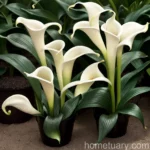
The Zantedeschia rehmannii, commonly known as the calla lily, belongs to the family Araceae. This genus comprises approximately 28 species, with the calla lily being one of the most renowned. The name “calla lily” is somewhat of a misnomer, as it is not a true lily belonging to the genus Lilium. Nonetheless, it is one of the most popular ornamental plants due to its distinctive and elegant flower shape.
Key Takeaways – Calla Lily (Zantedeschia Rehmannii)
Before delving into the specifics of caring for Zantedeschia rehmannii, let’s explore some key takeaways about this captivating plant.
- Known for its elegant, trumpet-shaped flowers
- Requires well-draining soil and consistent moisture
- Can be grown in containers or in garden beds
- Thrives in partial shade to full sunlight
- Vulnerable to certain pests and diseases, including aphids and bacterial soft rot
- Can be propagated through division or by planting rhizomes
- Comes in various colors, including white, pink, purple, and yellow
- A favorite choice for wedding bouquets and floral arrangements
Now that we have a brief overview of the calla lily, let’s delve into the specifics of its culture, uses, and maintenance requirements.
Culture
Water
Proper watering is crucial for the health and vitality of calla lilies. These plants thrive in consistently moist conditions but do not tolerate waterlogged soil. Overwatering can lead to root rot and other complications, while underwatering can cause the plant to wilt and the blooms to wither prematurely.
When watering calla lilies, it’s essential to strike a balance, ensuring that the soil remains damp but not waterlogged. In hotter climates or during the peak growing season, it may be necessary to water the plants more frequently to maintain adequate moisture levels.
Sunlight
Calla lilies flourish in partial shade to full sunlight. When grown in regions with intense heat, providing partial shade during the hottest part of the day can help prevent the plants from becoming stressed. In contrast, cooler climates may permit the calla lilies to receive full sunlight without adverse effects.
When selecting a planting location for calla lilies, it’s important to consider the sunlight requirements and ensure that they receive the appropriate amount of light to support healthy growth and abundant flowering.
Fertilizer
Fertilization is an essential aspect of caring for calla lilies, as it directly impacts the plant’s growth and flowering capabilities. A balanced, water-soluble fertilizer with a formulation such as 10-10-10 can be applied to calla lilies every 4-6 weeks during the growing season to provide the necessary nutrients for robust growth and vibrant blooms.
It’s important to follow the manufacturer’s guidelines for dilution and application rates, as over-fertilization can lead to excessive leaf growth at the expense of flowers. Additionally, ceasing fertilization in the fall and winter months allows the plants to enter a period of dormancy, preparing them for the forthcoming growing season.
Soil
Calla lilies thrive in well-draining, fertile soil with a slightly acidic to neutral pH level. A combination of peat moss, compost, and sand can be incorporated into the soil to improve its texture and drainage capabilities.
When planting calla lilies in containers, selecting a high-quality potting mix that provides adequate aeration and moisture retention is essential. Regularly inspecting the soil for compaction and adjusting the moisture levels accordingly is crucial for ensuring the health and vigor of the plants.
Pruning
Pruning calla lilies is a relatively straightforward task that involves the removal of spent flowers and yellowing foliage. Deadheading, the process of removing faded blooms, not only maintains the plant’s aesthetic appeal but also encourages the production of additional flowers.
Moreover, removing yellowing or damaged leaves helps prevent the spread of diseases and maintains the overall health of the plant. Pruning should be performed using sterile, sharp tools to minimize the risk of introducing pathogens to the plant.
Propagation
Propagating calla lilies can be achieved through division or by planting rhizomes. Dividing mature calla lilies allows the propagation of new plants while rejuvenating the existing ones. To propagate using this method, carefully dig up the plant, ensuring that the rhizomes are intact, and divide them into sections with viable roots and healthy growth points.
Alternatively, planting rhizomes obtained from established calla lilies or those purchased from reputable nurseries is another viable method of propagation. When planting rhizomes, it’s essential to bury them at the appropriate depth and provide the necessary care to encourage root development and subsequent growth.
Container Popularity
The versatility and aesthetic appeal of calla lilies have made them a popular choice for container gardening. These plants thrive when grown in containers, allowing individuals with limited garden space to cultivate and enjoy their beauty.
Calla lilies can be grown in a range of container sizes, from small pots for indoor display to larger containers for outdoor settings. When selecting a container for calla lilies, it’s crucial to choose one with adequate drainage holes to prevent waterlogging and promote healthy root development.
Common Diseases
Lack of adequate air circulation, overwatering, and environmental stress can render calla lilies susceptible to various diseases. Understanding the common diseases that affect these plants is essential for implementing proactive measures to prevent and manage potential issues.
Disease Diagnosis
Several diseases can affect calla lilies, including:
- Bacterial Soft Rot: This disease is caused by various bacterial pathogens and is characterized by water-soaked lesions on the leaves, foul odor, and rapid decay of plant tissues.
- Leaf Spot: Leaf spot diseases, caused by fungi such as Cercospora and Phyllosticta, manifest as circular or irregularly shaped lesions on the leaves, often leading to premature defoliation and reduced plant vigor.
Regularly inspecting the plants for signs of disease, implementing proper cultural practices, and promptly addressing any issues that arise are crucial for maintaining the health and vitality of calla lilies.
Common Pests
Several pests pose a threat to calla lilies, potentially impacting their growth and overall well-being.
Botanist’s Tips
- Adequate Air Circulation: Proper air circulation is essential for preventing the onset and spread of diseases. When planting calla lilies in garden beds or containers, ensuring adequate spacing between the plants promotes air movement and minimizes the risk of disease development.
- Regular Monitoring: Regularly monitoring calla lilies for signs of pests, diseases, and nutrient deficiencies allows for early intervention and targeted treatment, minimizing the impact of potential issues.
Fun Facts
- While calla lilies are often associated with purity and rebirth, they are also a symbol of admiration and appreciation.
- The calla lily’s unique trumpet-shaped flowers come in an array of colors, including white, pink, purple, and yellow. The striking blooms make them a popular choice for various floral arrangements and events, including weddings and formal gatherings.
Links to External Resources
For additional information on calla lilies, their cultivation, and related topics, consider exploring the following resources:
- Royal Horticultural Society – Calla Lily
- University of Florida IFAS Extension – Calla Lily Production
- American Society for the Prevention of Cruelty to Animals – Toxic and Non-Toxic Plants: Calla Lily
In conclusion, Zantedeschia rehmannii, or the calla lily, is an exquisite and versatile plant that offers endless possibilities for gardeners, floral enthusiasts, and individuals seeking to cultivate natural beauty. From its enchanting floral displays to its relatively low maintenance requirements, the calla lily stands as a testament to the allure and splendor of the botanical world. Whether adorning a vase in a home, gracing a wedding bouquet, or adding a touch of elegance to garden landscapes, calla lilies continue to captivate and inspire.