California Peppertree (Schinus Molle)
The California peppertree, scientifically known as Schinus molle, is a versatile, drought-tolerant, and visually appealing tree that has garnered attention.

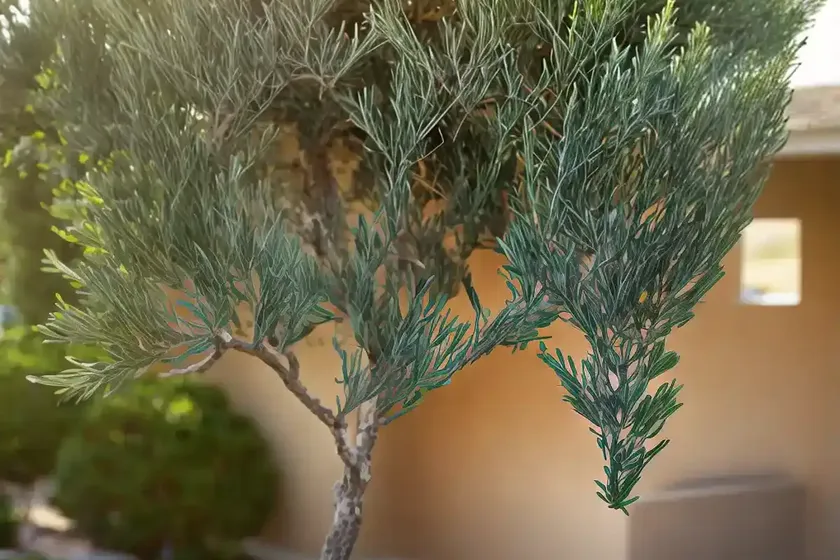
The California peppertree, scientifically known as Schinus molle, is a versatile, drought-tolerant, and visually appealing tree that has garnered attention due to its unique features, various uses, and environmental benefits. This comprehensive guide will delve into the various aspects of the California peppertree, including its cultural significance, uses, optimal growing conditions, diseases, pests, and more. Whether you are a novice gardener or an experienced plant enthusiast, this guide will equip you with the knowledge to nurture and appreciate this remarkable tree.
What is the California Peppertree (Schinus molle)?
The California peppertree, also referred to as Peruvian peppertree or American pepper tree, is a member of the Anacardiaceae family and is native to the Peruvian Andes. Despite its common name, this tree is not exclusive to California and can be found in various regions with warm, Mediterranean-like climates. The tree’s scientific name, Schinus molle, is derived from its aromatic, pepper-like fruits and leaves, similar to the true pepper tree (Piper nigrum).
Key Takeaways
Before delving into the various aspects of the California peppertree, let’s summarize the key takeaways:
- Plant Name: California peppertree (Schinus molle)
- Scientific Name: Schinus molle
- Family: Anacardiaceae
- Common Names: Peruvian peppertree, American pepper tree
- Native Region: Peruvian Andes
- Growing Zones: USDA hardiness zones 9-11
- Uses: Ornamental, medicinal, culinary
- Characteristics: Aromatic, drought-tolerant, evergreen
Now, let’s explore the cultural significance, uses, and optimal care requirements for the California peppertree.
Cultural Significance
The California peppertree holds cultural significance in various regions due to its historical use, romantic associations, and ecological value. Its fragrant foliage, distinctive appearance, and adaptability have made it a beloved tree in landscapes, public spaces, and folklore.
Uses
The California peppertree serves diverse purposes, ranging from culinary and medicinal to ornamental and ecological uses. Understanding the tree’s uses is crucial for appreciating its value and benefits fully.
Culinary Uses
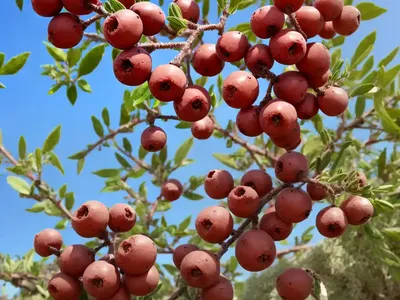
The tree’s small, pinkish-red fruits, known as peppercorns, have a mildly peppery taste and a resinous aroma. In some cultures, these peppercorns are used as a spice to add flavor to various dishes, marinades, and sauces. While not as potent as true pepper (Piper nigrum), the peppercorns of the California peppertree boast a unique flavor profile that captivates many culinary enthusiasts.
Medicinal Uses
In traditional medicine, various parts of the California peppertree, including its leaves, bark, and fruits, have been utilized for their purported medicinal properties. The tree’s components have been employed to address ailments such as digestive issues, respiratory problems, and skin conditions. Moreover, the aromatic essential oil derived from its leaves has found application in aromatherapy and topical treatments.
Ornamental Uses
With its dense, evergreen foliage and arching branches, the California peppertree is often cultivated for ornamental purposes in gardens, parks, and urban landscapes. Its feathery, light green leaves and clusters of colorful peppercorns contribute to its aesthetic allure, making it an attractive addition to various settings.
Ecological Uses
The California peppertree plays a crucial role in supporting wildlife, including birds and pollinators. Its flowers provide a nectar source for bees and butterflies, while the tree’s fruits serve as a valuable food source for numerous bird species. Additionally, the tree’s adaptability to arid conditions makes it an ideal choice for xeriscaping and ecological restoration projects in semi-arid and Mediterranean climates.
Care Requirements
Successfully cultivating the California peppertree requires an understanding of its optimal growing conditions, including water, sunlight, soil, fertilizer, and pruning needs. By meeting these requirements, gardeners and horticulturists can ensure the tree’s health, vitality, and longevity.
Water
As a drought-tolerant species, the California peppertree exhibits resilience to arid conditions and is well-suited to regions with minimal precipitation. However, providing adequate water during the tree’s establishment phase is essential for promoting healthy root development and overall vigor. Once established, the tree can thrive with minimal supplemental irrigation, particularly in Mediterranean climates characterized by dry summers and mild, wet winters.
Water Requirements
- Establishment Phase: Regular water during the first year of planting to facilitate root establishment.
- Mature Trees: Low to moderate water needs once established, particularly during prolonged dry periods.
- Irrigation Frequency: Water deeply but infrequently to encourage deep root growth and drought tolerance.
Sunlight
The California peppertree prefers full sun exposure and thrives in bright, direct sunlight. Adequate sunlight is crucial for facilitating robust growth, flowering, and fruit production. In regions with intense summer heat, providing partial shade during the hottest part of the day can help prevent foliage stress and sunscald.
Sunlight Requirements
- Full Sun: Optimal exposure to full sunlight, preferably for at least 6-8 hours per day.
- Partial Shade: Consider providing partial shade in regions with extreme heat or intense sunlight to protect the tree from heat stress.
Soil
The California peppertree demonstrates adaptability to various soil types, including sandy, loamy, and rocky soils, as long as they are well-draining. While the tree can withstand drought and poor soil conditions, it thrives in fertile, well-drained soils with a slightly acidic to neutral pH.
Soil Preferences
- Well-Draining Soil: Ensures that the soil drains efficiently to prevent waterlogging and root rot.
- Fertile Soil: Incorporate organic matter such as compost or aged manure to improve soil fertility and structure.
- pH Range: Ideally, the soil pH should range from slightly acidic (pH 6.0-6.8) to neutral (pH 7.0).
Fertilizer
The California peppertree generally requires minimal fertilization once established, particularly in nutrient-rich soils. However, if the tree exhibits signs of nutrient deficiency or slow growth, applying a balanced, slow-release fertilizer can promote vigor and overall health.
Fertilization Guidelines
- Application Time: Apply fertilizer in early spring or late winter before the onset of new growth.
- Type of Fertilizer: Utilize a balanced, slow-release fertilizer formulated for woody plants.
- Amount: Follow the manufacturer’s recommendations regarding the application rate, and avoid over-fertilization, which can lead to excessive foliage growth at the expense of fruit production.
Pruning
Pruning the California peppertree is essential for maintaining its shape, promoting air circulation, and controlling its size. Proper pruning practices not only enhance the tree’s appearance but also encourage robust growth and fruit production.
Pruning Techniques
- Timing: Conduct pruning during the late winter or early spring to minimize stress on the tree and promote vigorous regrowth during the growing season.
- Purpose: Remove dead, damaged, or crossing branches, and shape the tree to maintain a balanced, open canopy.
- Tools: Employ sharp, clean pruning shears or loppers to make precise cuts, minimizing the risk of tearing or injuring the tree.
Propagation
Propagating the California peppertree enables gardeners to expand their collection or share this unique tree with others. While the tree can be propagated from seeds, stem cuttings, or root divisions, the success of each method varies, and specific considerations should be taken into account.
Propagation Methods
- Seed Propagation: Sow fresh, viable seeds in well-draining potting mix and maintain consistent moisture and warmth for germination.
- Cutting Propagation: Select semi-hardwood or hardwood cuttings and utilize a rooting hormone to encourage root development. Provide adequate humidity and warmth to support root formation.
- Division Propagation: Divide the root ball of an established tree during the dormant season, ensuring that each division contains viable roots and buds for new growth.
Container Popularity
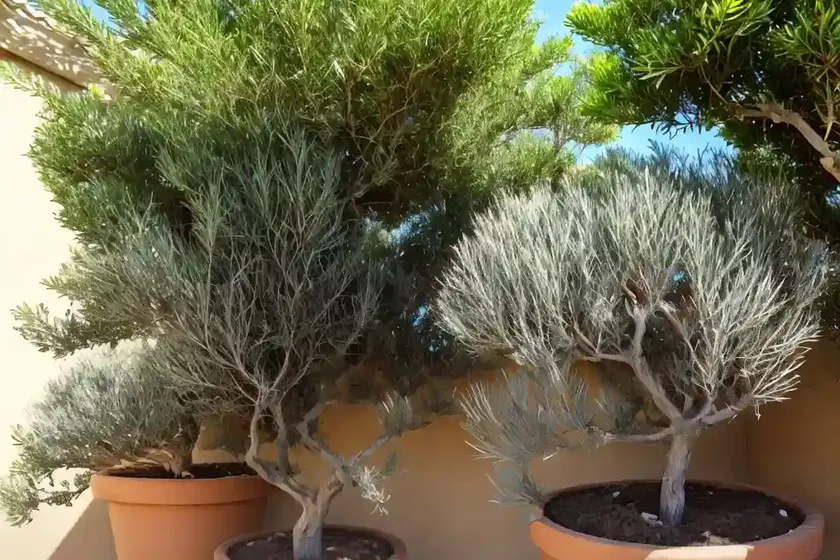
The California peppertree’s adaptability and aesthetic appeal make it a popular choice for container cultivation. Growing the tree in a container allows for flexibility in placement and facilitates its cultivation in regions with limited outdoor space.
Container Considerations
- Container Size: Select a large, sturdy container with ample drainage holes to accommodate the tree’s root system and ensure proper aeration of the roots.
- Potting Mix: Utilize a well-draining potting mix tailored for woody plants, supplementing with slow-release fertilizer to support the tree’s growth and vigor.
- Placement: Position the container in a location with ample sunlight and protection from extreme temperatures, particularly during the hottest part of the day.
Common Diseases
While the California peppertree has a reputation for resilience, it is susceptible to certain diseases that can affect its overall health and vitality. Understanding these diseases and implementing preventive measures is crucial for maintaining the tree’s well-being.
Disease Susceptibility
- Anthracnose: Fungal disease characterized by dark, sunken lesions on leaves and stems, often exacerbated by prolonged periods of moisture and humidity.
- Powdery Mildew: Fungal infection that manifests as a white, powdery coating on leaves, compromising the tree’s photosynthetic capacity and vigor.
- Phytophthora Root Rot: Soil-borne pathogen that causes root rot and decline, particularly in poorly draining soils and waterlogged conditions.
Disease Prevention
Implementing proactive measures to prevent diseases is essential for safeguarding the California peppertree’s health and minimizing the need for corrective action.
- Cultural Practices: Promote good air circulation, avoid overwatering, and maintain proper spacing between plants to reduce humidity and mitigate disease pressure.
- Sanitation: Remove and destroy affected plant debris, and practice good hygiene when handling the tree to prevent the spread of fungal spores and pathogens.
- Fungicidal Treatments: When necessary, apply fungicidal sprays or treatments to protect the tree from fungal diseases during periods of high disease pressure.
Common Pests
While the California peppertree is relatively resistant to pest infestations, it can fall victim to certain insect pests that target its foliage, stems, or fruits. Familiarizing oneself with these pests and their management strategies is pivotal for preserving the tree’s vigor and aesthetics.
Pest Infestations
- Scale Insects: Small, immobile pests that adhere to the tree’s stems and foliage, feeding on sap and excreting honeydew, leading to sooty mold and leaf distortion.
- Aphids: Tiny, sap-sucking insects that congregate on new growth and tender shoots, causing leaf curling, yellowing, and wilting.
- Leaf Miners: Larvae that tunnel within leaves, creating serpentine mines and compromising the tree’s foliar integrity.
Pest Management
Adopting integrated pest management (IPM) strategies is recommended to effectively manage pest infestations and minimize the reliance on chemical interventions.
- Biological Control: Introduce natural predators of pest species, such as ladybugs and lacewings, to control aphid and scale populations.
- Horticultural Oils: Apply horticultural oils to suffocate and disrupt the life cycle of insect pests, particularly during the dormant season.
- Pruning: Remove infested plant parts and destroy heavily infested material to reduce pest populations and limit their spread to healthy foliage.
Botanist’s Tips
As experts in the field of plant science, botanists offer invaluable insights and practical tips for cultivating and appreciating the California peppertree.
Growing Recommendations
- Species Selection: When acquiring a California peppertree, select reputable sources to ensure the tree’s genetic integrity and suitability for the intended growing region.
- Soil Improvement: Prior to planting, amend the soil with organic matter to enhance fertility, drainage, and microbial activity, promoting a healthy rhizosphere.
- Mulching: Apply a layer of organic mulch around the tree’s base to conserve soil moisture, suppress weed growth, and insulate the root zone from temperature fluctuations.
Observations and Monitoring
- Foliage Assessment: Routinely inspect the tree’s foliage for signs of discoloration, wilting, or pest activity, addressing any issues promptly to prevent escalation.
- Seasonal Changes: Note the tree’s response to seasonal transitions, including flowering periods, fruit development, and foliar changes, to gauge its health and phenological patterns.
Sustainable Practices
- Water Conservation: Implement water-efficient irrigation methods, such as drip irrigation or soaker hoses, to minimize water usage and promote water conservation.
- Integrated Pest Management: Emphasize natural and cultural pest management strategies, minimizing reliance on chemical pesticides to protect beneficial organisms and ecological balance.
Fun Facts
Discover fascinating tidbits and intriguing facts about the California peppertree that showcase its allure and botanical intrigue.
- The California peppertree is not a true member of the pepper family (Piperaceae) but is commonly referred to as such due to its aromatic, peppercorn-like fruits.
- In certain regions, the tree’s leaves and fruits have been utilized for their potential insect-repellent properties, often employed in traditional practices to deter pests and insects.
- The California peppertree is an environmentally beneficial species, contributing to soil stabilization, erosion control, and wildlife habitat enhancement across various ecosystems.
Links to External Resources
Expanding your knowledge of the California peppertree and its cultivation can be further enhanced by exploring reputable external resources. Here are some valuable sources for in-depth information and practical guidance:
- University of California Agriculture and Natural Resources: California Peppertree
- California Native Plant Society
- Gardening Know How: Schinus molle Information
- USDA Plants Database: Schinus molle
In conclusion, the California peppertree (Schinus molle) stands as a captivating and versatile species with multifaceted uses, ecological value, and ornamental appeal. By understanding its cultural significance, optimal care requirements, and key traits, enthusiasts and horticulturists can foster a deeper appreciation for this remarkable tree and contribute to its conservation and sustainable cultivation.
As a plant scientist, it is essential to provide comprehensive and accurate information about the California peppertree, addressing various aspects such as its cultural significance, uses, care requirements, and ecological value. This comprehensive guide is designed to serve as a valuable resource for individuals seeking in-depth knowledge about the captivating world of Schinus molle, commonly known as the California peppertree.