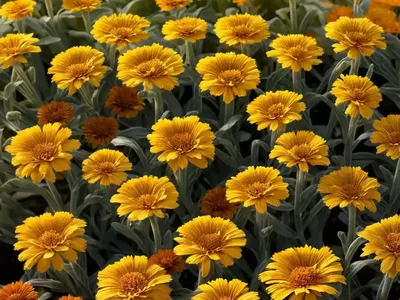
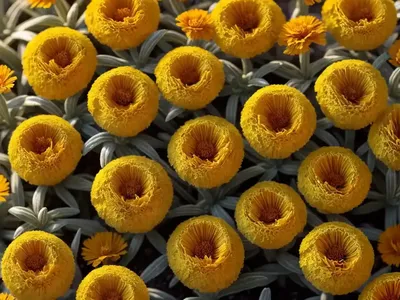
Calendula Officinalis ‘Ivory Princess’ (Pot Marigold)
Calendula officinalis ‘Ivory Princess,’ commonly known as Pot Marigold, is a remarkable flowering plant that holds great significance in gardening.
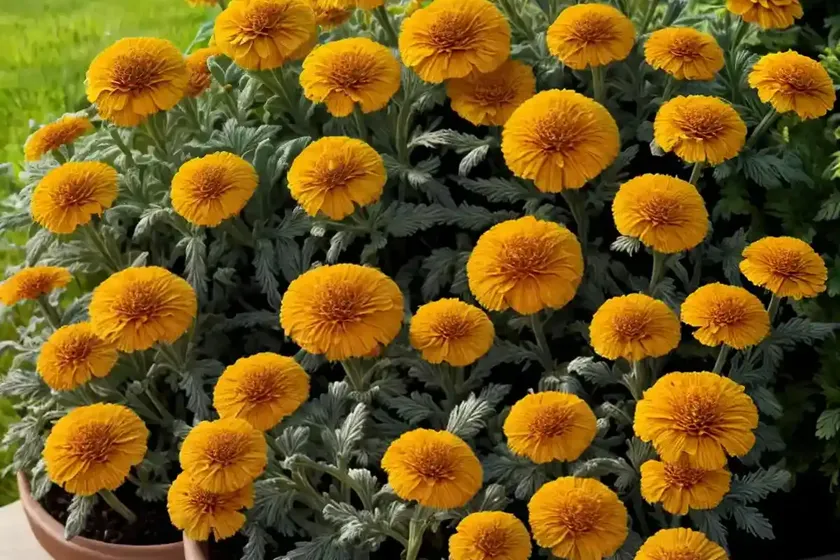
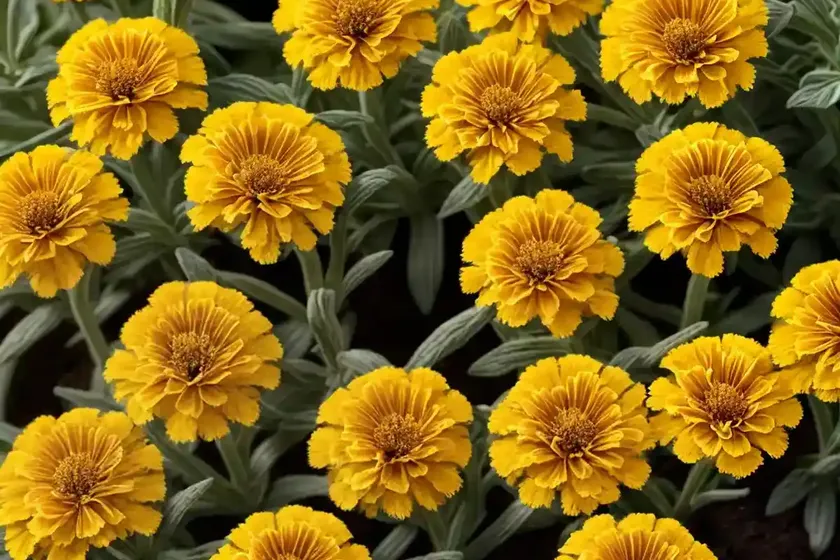
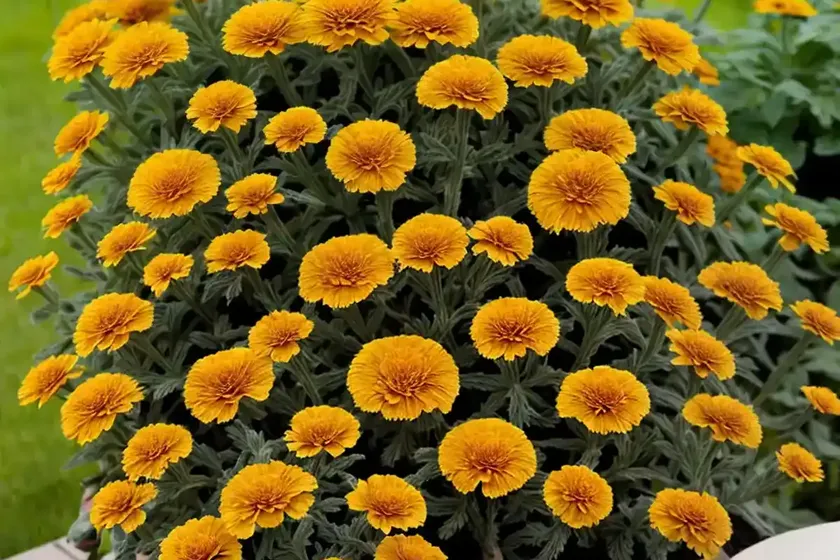
Calendula officinalis ‘Ivory Princess,’ commonly known as Pot Marigold, is a remarkable flowering plant that holds great significance in gardening, traditional medicine, and culinary applications. With its stunning ivory-petaled flowers and various benefits, this cultivar has become a favorite among gardeners and herbal enthusiasts. In this extensive guide, we will delve into the characteristics, culture, uses, maintenance, and several other aspects of Calendula officinalis ‘Ivory Princess’ to help you understand and cultivate this plant efficiently.
What is Calendula officinalis ‘Ivory Princess’?
Calendula officinalis, a member of the daisy or Asteraceae family, is a popular annual plant native to the Mediterranean region. Its ‘Ivory Princess’ variety is cherished for its elegant, cream-colored flowers that bloom profusely, creating an enchanting display in gardens and landscapes. The plant is highly esteemed for its ornamental value, apart from the various practical uses it offers.
Key Takeaways – Calendula officinalis ‘Ivory Princess’
Before we delve into the details, let’s highlight some key takeaways about Calendula officinalis ‘Ivory Princess’:
- Botanical Name: Calendula officinalis ‘Ivory Princess’
- Common Name: Pot Marigold
- Characteristics: Cream-colored flowers, medicinal properties, edible petals
- Uses: Ornamental gardening, herbal medicine, culinary applications
- Maintenance: Relatively easy to grow and maintain
- Cultural Preferences: Prefers well-draining soil, moderate water, and ample sunlight
- Disease Resistance: Generally resilient but susceptible to certain pests and diseases
With these key points in mind, let’s explore the culture, uses, maintenance, and various other aspects of Calendula officinalis ‘Ivory Princess’ in detail.
Culture
Understanding the cultural requirements of Calendula officinalis ‘Ivory Princess’ is essential for providing the optimal growing conditions and ensuring its vigor and longevity. This section will cover the plant’s preferences regarding water, sunlight, fertilizer, soil, pruning, and container cultivation.
Water
Calendula officinalis ‘Ivory Princess’ thrives in moderately moist soil. While it can withstand dry periods, consistent watering is key to promoting continuous flowering and preventing the plant from wilting. Here are some considerations for watering this cultivar:
- Regular Watering: Water the plant when the top inch of soil becomes dry. Aim to keep the soil consistently moist but not waterlogged.
- Avoid Overhead Irrigation: To prevent foliar diseases, it’s best to water the plant at the base to minimize wetting the foliage.
- Mulching: Applying a layer of mulch around the base of the plant can help retain soil moisture, reduce weed growth, and protect the roots.
Sunlight
Calendula officinalis ‘Ivory Princess’ flourishes in full sun, requiring at least 6-8 hours of direct sunlight daily. Adequate sun exposure is crucial for promoting robust growth and profuse flowering. When planting or positioning the pots, consider the following sunlight-related factors:
- Optimal Placement: Choose a location with ample sunlight, such as south or west-facing areas, for the best flowering performance.
- Shade Considerations: While the plant thrives in full sun, it can tolerate partial shade, especially in regions with intense summer heat.
Fertilizer
Being a comparatively low-maintenance plant, Calendula officinalis ‘Ivory Princess’ doesn’t demand heavy feeding. However, providing some supplemental nutrition can enhance its overall health and floral display. Consider the following guidelines for fertilizing this cultivar:
- Balanced Fertilizer: Apply a balanced, water-soluble fertilizer once a month during the growing season to support healthy growth and flowering.
- Organic Amendments: Incorporating organic matter, such as compost, into the soil at the time of planting can provide essential nutrients and improve soil structure.
Soil
The right soil conditions are crucial for the successful growth of Calendula officinalis ‘Ivory Princess.’ This plant prefers well-draining soil with adequate fertility. Here’s what you should know about the soil requirements for this cultivar:
- Well-Draining Soil: Ensure the soil has good drainage to prevent waterlogging, which can lead to root rot and other issues.
- Soil pH: Calendula officinalis generally thrives in slightly acidic to neutral soil (pH 6.0-7.0). Conduct a soil test to assess the pH and make necessary adjustments if required.
Pruning
While Calendula officinalis ‘Ivory Princess’ doesn’t necessitate extensive pruning, occasional deadheading can promote continuous blooming and maintain a tidy appearance. Here are some tips for pruning this plant:
- Deadheading: Remove faded or spent flowers regularly to encourage the production of new blooms.
- Maintenance Pruning: Trim any damaged or withered foliage to enhance the plant’s aesthetics and overall health.
Propagation
Calendula officinalis ‘Ivory Princess’ can be propagated through seeds, making it relatively easy to expand your plant collection or share with fellow gardening enthusiasts. To propagate this cultivar successfully, consider the following propagation methods:
- Seed Collection: Harvest mature seeds from the dried flower heads and store them in a cool, dry place for future sowing.
- Direct Sowing: In favorable climates, sow the seeds directly into the garden soil after the last frost date for robust, natural growth.
- Indoor Start: Start the seeds indoors in seed trays or pots if you want to get a head start on the growing season or safeguard young seedlings from adverse weather conditions.
Container Popularity
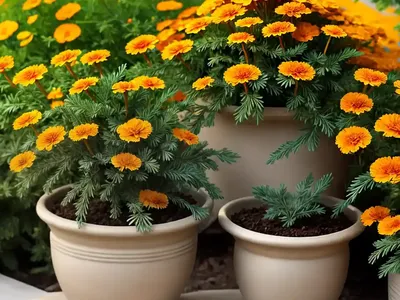
Due to its compact size and showy blooms, Calendula officinalis ‘Ivory Princess’ is well-suited for container cultivation. This plant’s adaptability to containers has made it a popular choice for urban and space-constrained gardens and balconies. When growing Calendula officinalis ‘Ivory Princess’ in containers, consider the following factors:
- Container Size: Choose a container that provides ample space for the plant’s root development while complementing its aesthetic appeal.
- Drainage Holes: Ensure the container has adequate drainage to prevent waterlogging and root rot.
- Potting Mix: Use a well-draining potting mix that provides adequate aeration for the roots and supports healthy growth.
Common Diseases and Pest Management
While Calendula officinalis ‘Ivory Princess’ generally exhibits resistance to diseases and pests, it’s susceptible to certain issues that can hinder its vitality and flowering performance. This section will cover common diseases, effective diagnosis, and pest control measures for maintaining a healthy and vibrant plant.
Common Diseases
Calendula officinalis ‘Ivory Princess’ may encounter the following diseases under unfavorable growing conditions:
- Powdery Mildew: Characterized by a powdery white growth on the leaves, this fungal disease can weaken the plant and impede its flowering.
- Root Rot: Excessive moisture or poorly draining soil can lead to root rot, causing wilting, yellowing, and stunted growth.
- Botrytis Blight: Also known as gray mold, this fungal infection can affect the flowers, causing them to turn brown and decay.
Disease Diagnosis
Prompt diagnosis is crucial for implementing targeted interventions to combat plant diseases effectively. When identifying and addressing diseases in Calendula officinalis ‘Ivory Princess,’ consider the following diagnostic approaches:
- Visual Symptoms: Observe the plant for any abnormal growth, discoloration, or conspicuous signs of disease, such as powdery coatings or leaf spots.
- Professional Consultation: Seek advice from local extension services, experienced gardeners, or plant health professionals for accurate disease diagnosis and treatment recommendations.
Common Pests
While resilient to most pests, Calendula officinalis ‘Ivory Princess’ may attract certain insect adversaries, including:
- Aphids: Small, sap-sucking insects that can cause distorted growth and transmit viral diseases.
- Spider Mites: These tiny pests can infest the plant, causing stippling on the leaves and webbing in severe cases.
- Slugs and Snails: These mollusks can feed on the foliage and flower petals, leaving behind holes and damage.
Botanist’s Tips
To ensure the successful growth and well-being of Calendula officinalis ‘Ivory Princess,’ consider implementing the following tips derived from botanical expertise and practical experience:
- Soil Preparation: Prior to planting, prepare the soil by incorporating organic matter and ensuring proper drainage to create an optimal growing environment for the plant.
- Regular Monitoring: Keep a close eye on the plant for any signs of stress, disease, or pest infestation, and take prompt action to address potential issues.
- Companion Planting: Explore companion planting strategies to enhance the plant’s health and pest resistance, such as interplanting with pest-repelling herbs or flowers.
- Seasonal Care: Adjust the plant’s care regimen based on seasonal variations, such as adjusting watering frequency and providing protection from extreme weather conditions.
Fun Facts
Uncover some intriguing and little-known facts about Calendula officinalis ‘Ivory Princess’ that add to its allure and fascination:
- Herbal Heritage: Calendula officinalis has an extensive history of traditional medicinal use, particularly as a soothing and healing herb for various skin ailments.
- Edible Petals: The petals of Calendula officinalis ‘Ivory Princess’ are edible and can be incorporated into salads, soups, and teas, adding both visual appeal and a mild, tangy flavor.
- Pollinator Magnet: The plant’s vibrant flowers attract pollinators, making it a valuable addition to wildlife-friendly gardens and landscapes.
With these cultural insights and expert tips, you’re better equipped to cultivate and care for Calendula officinalis ‘Ivory Princess’ while optimizing its performance and aesthetic value in your garden.
Plant Profile: Calendula officinalis ‘Ivory Princess’
In this section, we will provide an in-depth overview of the characteristics, botanical profile, and uses of Calendula officinalis ‘Ivory Princess’ to help you gain a comprehensive understanding of this captivating plant variety.
Characteristics
Calendula officinalis ‘Ivory Princess’ boasts several noteworthy features that contribute to its appeal and utility in gardens and landscapes:
- Flower Color: Creamy ivory, with a subtle hint of yellow at the center
- Bloom Form: Semi-double to double flowers with numerous petals, resembling small, elegant daisies
- Foliage: Soft, lance-shaped green leaves that complement the floral display
- Growth Habit: Compact and bushy, typically reaching a height of 12-18 inches
- Blooming Season: Abundant flowering from late spring through summer, showcasing a profusion of charming blooms
Medicinal and Therapeutic Uses
Calendula officinalis ‘Ivory Princess’ inherits the medicinal properties associated with the species, offering diverse therapeutic applications:
- Skin Healing: Calendula officinalis possesses anti-inflammatory and skin-soothing properties, making it valuable for treating minor cuts, burns, rashes, and insect bites.
- Herbal Remedies: The dried petals can be utilized in herbal preparations, such as infused oils, salves, and creams, esteemed for their healing and soothing effects.
Culinary and Edible Applications
Beyond its ornamental and medicinal value, Calendula officinalis ‘Ivory Princess’ presents culinary potential with its edible flowers:
- Salad Garnish: The fresh petals can be sprinkled atop salads and cold dishes, imparting a delicate, tangy flavor and adding visual appeal.
- Herbal Tea: Dried Calendula flowers are suitable for brewing herbal teas, known for their subtle, floral aroma and potential health benefits.
Ornamental and Aesthetic Value
The captivating beauty of Calendula officinalis ‘Ivory Princess’ makes it a sought-after choice for enhancing the visual appeal of gardens and outdoor spaces:
- Landscape Uses: The plant is well-suited for borders, flower beds, and mixed planting schemes, creating charming, cottage garden-style displays.
- Cut Flowers: Harvested blooms can adorn floral arrangements, adding a touch of understated elegance and natural beauty to indoor settings.
Understanding the distinctive characteristics and versatile uses of Calendula officinalis ‘Ivory Princess’ underscores its significance as a multi-faceted plant with ornamental, culinary, and medicinal attributes.
External Resources
To further enrich your knowledge and practical skills related to Calendula officinalis ‘Ivory Princess’ care, cultivation, and utilization, we’ve curated a selection of valuable external resources for your reference:
General Plant Care and Cultivation
- Gardening Know How – Calendula Officinalis Growing Conditions and Care
- The Old Farmer’s Almanac – How to Grow Calendula
- Royal Horticultural Society – Calendula Officinalis Care Guide
Medicinal and Herbal Uses
- National Center for Complementary and Integrative Health – Calendula
- University of Maryland Medical Center – Calendula Officinalis
Culinary and Edible Applications
Ornamental Gardening and Floral Arranging
- The Spruce – How to Grow and Care for Pot Marigold (Calendula) Indoors
- Flower Magazine – Floral Design with Calendula
By exploring these external resources, you can gain diverse perspectives, expert insights, and practical guidance to elevate your proficiency and enjoyment in cultivating and utilizing Calendula officinalis ‘Ivory Princess.’
In conclusion, the captivating allure, versatile applications, and cultural adaptability of Calendula officinalis ‘Ivory Princess’ make it a cherished addition to gardens, herbal medicine practices, and culinary pursuits. With a deeper understanding of this plant’s characteristics, care requirements, and uses, you’re poised to embark on a fulfilling journey of cultivation, creativity, and wellness with Calendula officinalis ‘Ivory Princess’ as a centerpiece of natural beauty and practical benefits.