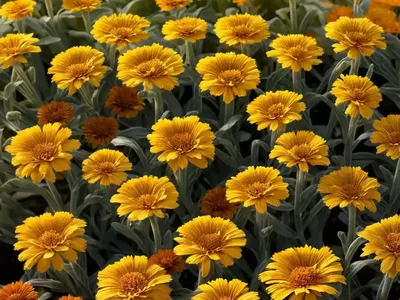
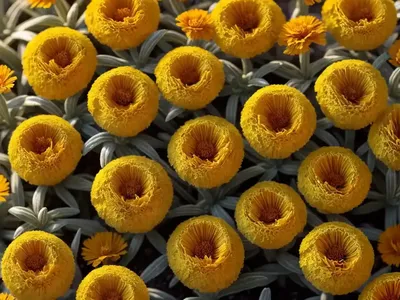
Calendula Officinalis ‘Candyman Orange’ (Pot Marigold)
Calendula officinalis, commonly known as Pot Marigold, is a beautiful and versatile flowering plant from the Asteraceae family. The ‘Candyman Orange’.
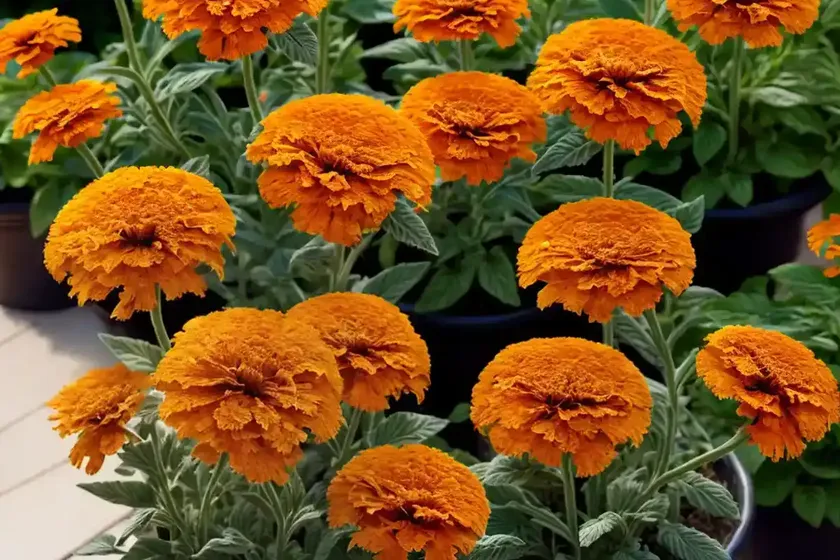
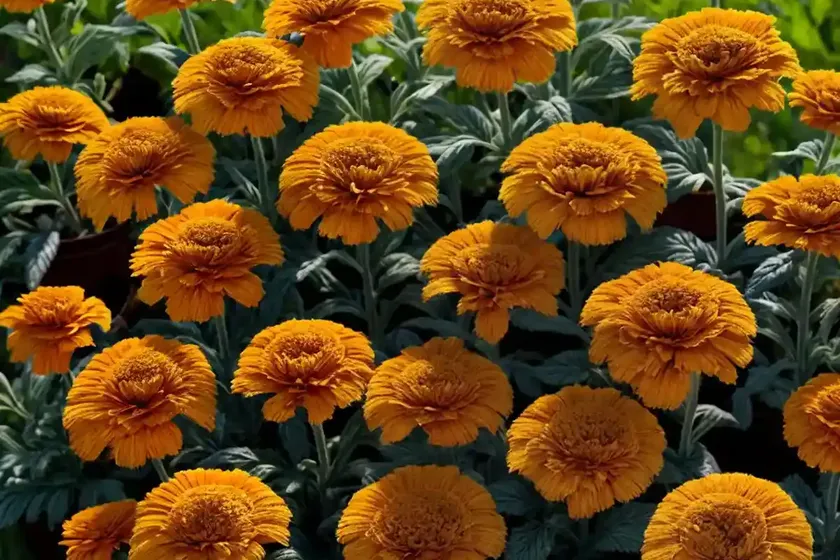
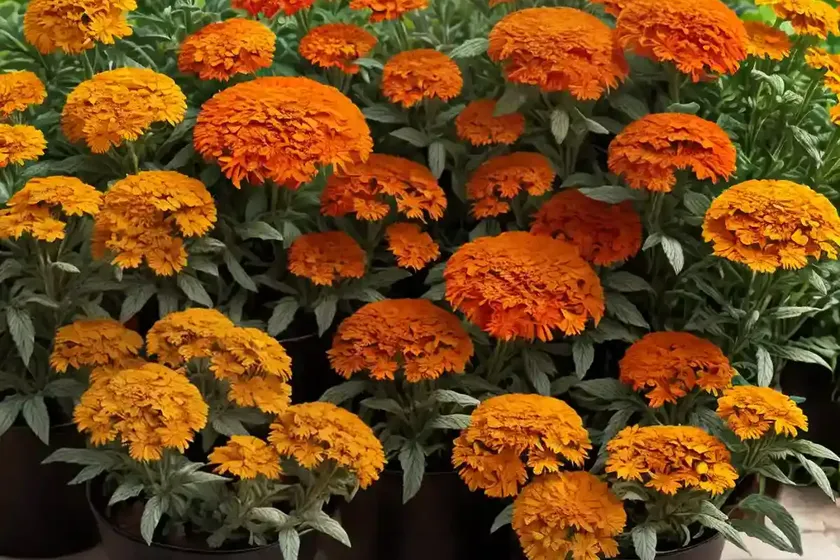
Calendula officinalis, commonly known as Pot Marigold, is a beautiful and versatile flowering plant from the Asteraceae family. The ‘Candyman Orange’ variety is particularly popular for its vibrant orange flowers and its various uses in gardens, landscaping, herbal medicine, and skincare products. In this comprehensive guide, we will explore everything you need to know about this charming plant, from its cultivation and care to its cultural significance and medicinal properties.
What is Calendula officinalis ‘Candyman Orange’?
Calendula officinalis ‘Candyman Orange’ is a cultivar of Pot Marigold, a plant native to southern Europe. It is a hardy annual that is widely cultivated for its showy, daisy-like flowers and its numerous applications in gardens and herbal medicine. The ‘Candyman Orange’ variety is particularly prized for its stunning, bright orange blooms that add a burst of color to any setting.
Key Takeaways
Before we delve into the specifics of cultivating and caring for Calendula officinalis ‘Candyman Orange,’ let’s highlight some key takeaways about this beautiful plant:
- Botanical Name: Calendula officinalis ‘Candyman Orange’
- Common Name: Pot Marigold, Calendula
- Flower Color: Orange
- Plant Type: Hardy Annual
- Uses: Gardens, Landscaping, Herbal Medicine, Skincare Products
Now that we have a general understanding of the plant, let’s explore the cultivation and care requirements for Calendula officinalis ‘Candyman Orange.’
Culture: Growing Calendula officinalis ‘Candyman Orange’
Cultivating Calendula officinalis ‘Candyman Orange’ is a rewarding experience, especially for gardeners who appreciate vibrant, low-maintenance plants. Let’s take a closer look at the cultural requirements for successfully growing this striking Pot Marigold variety.
Water
Calendula officinalis ‘Candyman Orange’ thrives in well-draining soil and prefers moderate watering. It is essential to keep the soil evenly moist but not waterlogged. During hot and dry periods, regular watering is crucial to support healthy growth and prolific flowering.
Sunlight
This Pot Marigold variety flourishes in full sun, requiring at least 6-8 hours of direct sunlight daily. Adequate sun exposure ensures sturdy plants and an abundance of bright orange blooms throughout the growing season.
Fertilizer
When it comes to fertilizing Calendula officinalis ‘Candyman Orange,’ a balanced, all-purpose fertilizer can be applied during the planting stage to provide essential nutrients. Additionally, a light application of a blooming fertilizer during the flowering period can further enhance the plant’s vigor and flower production.
Soil
Well-draining, loamy soil provides the ideal growing medium for Calendula officinalis ‘Candyman Orange.’ Amending the soil with organic matter, such as compost or well-rotted manure, can improve soil structure and fertility, promoting healthy root development and robust blooming.
Pruning
While Calendula officinalis ‘Candyman Orange’ generally requires minimal pruning, deadheading spent flowers can prolong the blooming period and encourage the plant to produce new blossoms. Regularly removing faded blooms also helps maintain the plant’s tidy appearance.
Propagation
Propagating Calendula officinalis ‘Candyman Orange’ is relatively straightforward and can be achieved through seed sowing. By collecting seeds from mature plants or purchasing high-quality seeds from reputable sources, gardeners can easily propagate this Pot Marigold variety to expand their garden display.
Container Popularity
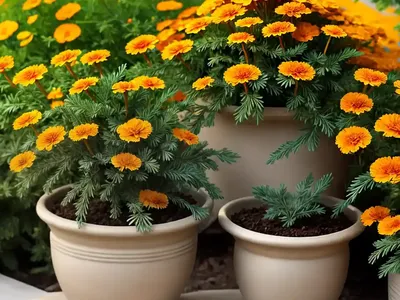
Calendula officinalis ‘Candyman Orange’ is well-suited for container gardening, adding a vibrant touch to patios, balconies, and any outdoor living spaces. Its compact growth habit and striking flowers make it a popular choice for container displays and mixed plantings.
Let’s move on to explore the popularity and uses of Calendula officinalis ‘Candyman Orange’ in various settings and applications.
Uses of Calendula officinalis ‘Candyman Orange’
The versatility of Calendula officinalis ‘Candyman Orange’ extends beyond its ornamental value. Let’s delve into the diverse uses of this charming Pot Marigold variety in gardens, herbal medicine, and beyond.
Gardens and Landscaping
As an ornamental plant, Calendula officinalis ‘Candyman Orange’ adds a vibrant pop of color to garden beds, borders, and containers. Its eye-catching orange flowers attract pollinators, making it a valuable addition to pollinator-friendly gardens. Additionally, its compact growth habit and continuous flowering make it a delightful choice for mass plantings and mixed flower displays.
Herbal Medicine
Calendula officinalis, including the ‘Candyman Orange’ variety, has a rich history in herbal medicine. Its petals are renowned for their anti-inflammatory, antiseptic, and skin-soothing properties, making them a popular ingredient in salves, ointments, creams, and other natural remedies. The petals can also be used fresh or dried to brew soothing teas and infusions with potential health benefits.
Skincare Products
The vibrant orange petals of Calendula officinalis ‘Candyman Orange’ are prized for their gentle, skin-nourishing properties. As a result, they are often incorporated into natural skincare products, including soaps, lotions, balms, and bath additives. Calendula-infused products are favored for their soothing effects on sensitive or irritated skin.
Caring for Calendula officinalis ‘Candyman Orange’ involves providing it with the appropriate growing conditions and tending to its specific needs. Let’s explore essential care tips and best practices to ensure that this charming Pot Marigold variety thrives in your garden or outdoor space.
Best Conditions for Growing Calendula
For optimal growth and flowering, consider the following best conditions for cultivating Calendula officinalis ‘Candyman Orange’:
- Full Sun: Provide at least 6-8 hours of direct sunlight daily.
- Well-Draining Soil: Ensure the soil is well-draining to prevent waterlogged conditions.
- Moderate Watering: Keep the soil evenly moist, especially during dry periods.
- Fertilization: Apply a balanced fertilizer during planting and a blooming fertilizer during flowering.
By meeting these basic requirements, gardeners can create an ideal environment for Calendula officinalis ‘Candyman Orange’ to thrive.
Tips for Successful Calendula Cultivation
To support successful cultivation of Calendula officinalis ‘Candyman Orange,’ consider the following tips:
- Sow Seeds Directly: Calendula seeds can be sown directly in the garden or in containers, as they are relatively easy to germinate.
- Provide Adequate Air Circulation: Ensuring good air circulation around the plants can help prevent fungal diseases and promote overall plant health.
- Deadhead Spent Flowers: Regular deadheading encourages continuous blooming and maintains the plant’s appearance.
- Harvest Petals Carefully: When harvesting Calendula petals for medicinal or culinary uses, handle the flowers gently to avoid damaging the delicate petals.
By following these tips, gardeners can enhance the growth and flowering performance of Calendula officinalis ‘Candyman Orange.’
Flowering Season
Calendula officinalis ‘Candyman Orange’ typically blooms from late spring through the fall, offering an extended flowering season that brightens outdoor spaces for several months. Understanding the flowering habits of this plant allows gardeners to appreciate and anticipate its seasonal display of vibrant orange flowers.
Calendula officinalis, including the ‘Candyman Orange’ variety, possesses notable medicinal properties that have been recognized for centuries. Let’s explore some of the medicinal benefits and applications of this charming Pot Marigold variety.
Anti-Inflammatory and Skin-Healing Properties
The petals of Calendula officinalis ‘Candyman Orange’ contain compounds with anti-inflammatory and wound-healing properties. When used topically, either in a salve or infused oil, Calendula petals can soothe minor skin irritations, wounds, and abrasions. This natural remedy has been valued for its ability to promote healthy skin regeneration.
Antiseptic and Antimicrobial Effects
Calendula officinalis exhibits natural antiseptic and antimicrobial properties, making it a valuable ingredient in topical preparations for addressing minor cuts, scrapes, and skin infections. Its gentle yet effective action has rendered it a popular choice for natural first-aid remedies.
Soothing Skin Conditions
Individuals with sensitive or troubled skin may find relief from using Calendula officinalis-infused products. From lotions to balms, Calendula’s gentle, soothing nature offers potential benefits for managing various skin conditions and promoting overall skin comfort.
Traditional Herbal Uses
In traditional herbal medicine, Calendula officinalis has been employed for a wide range of conditions, both internal and external. From internal use in the form of herbal infusions to topical applications in the form of ointments, Calendula’s versatility in traditional medicine demonstrates its historical significance as a valuable healing plant.
The medicinal properties of Calendula officinalis ‘Candyman Orange’ underscore its multifaceted nature, offering both ornamental beauty and potential health-related benefits.
While Calendula officinalis ‘Candyman Orange’ is generally resilient, it can be susceptible to certain diseases and pests. Understanding common issues and implementing preventive measures is crucial for maintaining the plant’s health and vigor. Let’s explore some common diseases, pest management strategies, and botanical tips to keep Calendula officinalis ‘Candyman Orange’ thriving.
Common Diseases
Powdery Mildew
Powdery mildew, a fungal disease, may affect Calendula officinalis ‘Candyman Orange’ during periods of high humidity and poor air circulation. It appears as a powdery white coating on the foliage and can hinder the plant’s growth and flowering.
Preventive Measures: To prevent powdery mildew, ensure good air circulation around the plants, avoid overhead watering, and promptly remove and dispose of infected plant parts.
Botrytis Blight
Botrytis blight, also known as gray mold, can occur in damp, humid conditions. It manifests as grayish fungal growth on the flowers and foliage, potentially causing visible damage and reduced plant vitality.
Preventive Measures: Minimize humidity around the plants, particularly during periods of rain or high moisture. Remove any affected plant material promptly and ensure proper ventilation to discourage the development of Botrytis blight.
Disease Diagnosis
Identifying common diseases that affect Calendula officinalis ‘Candyman Orange’ is essential for timely intervention. Regularly inspecting the plant for signs of fungal infections, discoloration, or unusual growth patterns allows for early detection and effective disease management.
Common Pests
Aphids
Aphids are small, soft-bodied insects that may infest Calendula officinalis ‘Candyman Orange,’ particularly during periods of new growth. They feed on plant sap, potentially causing distortion and stunted growth.
Pest Management: Physically remove aphids by gently spraying the plant with water or utilize insecticidal soap to control infestations. Encouraging natural predators, such as ladybugs, can also help mitigate aphid populations.
Spider Mites
Spider mites are tiny, sap-sucking pests that can affect the foliage of Calendula officinalis ‘Candyman Orange.’ Their presence may result in stippled or discolored leaves and diminished plant vigor.
Pest Management: Utilize horticultural oil or insecticidal soap to manage spider mite populations. Regularly inspect the undersides of leaves for early signs of infestation and take prompt action to prevent population escalation.
Botanist’s Tips
Maintaining plant health and preventing common diseases and pest issues can be facilitated through strategic cultural practices and attentive gardening. The following botanist’s tips offer valuable insights for promoting the well-being of Calendula officinalis ‘Candyman Orange’:
- Regular Inspection: Conduct routine inspections to monitor the plant for signs of disease or pest activity. Early detection enables prompt intervention and minimizes potential damage.
- Proper Air Circulation: Ensure adequate air circulation around the plants to reduce the risk of fungal diseases, such as powdery mildew and botrytis blight.
- Integrated Pest Management: Implement integrated pest management strategies that prioritize natural and organic controls to manage pest issues while minimizing environmental impact.
By incorporating these tips into your garden care routine, you can foster a healthy and robust display of Calendula officinalis ‘Candyman Orange’ plants.
Before we conclude our comprehensive exploration of Calendula officinalis ‘Candyman Orange,’ let’s uncover some intriguing and delightful fun facts about this charming Pot Marigold variety.
- Symbolism: In addition to its ornamental and medicinal significance, Calendula officinalis ‘Candyman Orange’ holds symbolic meanings associated with gratitude, joy, and optimism in various cultures.
- Edible Flowers: The petals of Calendula officinalis ‘Candyman Orange’ are edible and can be used to enhance salads, soups, or as a colorful garnish, adding a touch of brightness to culinary creations.
- Companion Planting: Calendula officinalis ‘Candyman Orange’ is valued for its role in companion planting, where it can attract beneficial insects and potentially deter harmful pests in the garden.
- Natural Dyeing: The vibrant orange petals of Calendula officinalis ‘Candyman Orange’ can be utilized as a natural dye source, imparting rich hues to fabrics and crafting materials.
Links to External Resources
To further enrich your knowledge and appreciation of Calendula officinalis ‘Candyman Orange’ and its diverse applications, consider exploring the following external resources:
- RHS Guide to Calendula officinalis
- University of Maryland Medical Center: Calendula
- The Herb Society: Calendula Characteristics and Uses
- National Institute of Health: Calendula in Skin Care
As you continue to explore the world of gardening, herbal medicine, and natural remedies, these resources offer valuable insights into the cultivation, uses, and potential benefits of Calendula officinalis ‘Candyman Orange.’
Calendula officinalis ‘Candyman Orange’ stands out as an exceptional choice for both ornamental gardening and natural wellness. Its vibrant orange flowers, easy cultivation, and diverse applications make it a valuable addition to any garden or landscape. By incorporating the insights and tips provided in this comprehensive guide, you can embark on a rewarding journey of growing, utilizing, and appreciating the beauty and benefits of Calendula officinalis ‘Candyman Orange’ in various facets of your life. Whether adorning your garden with radiant blooms or exploring its potential in herbal remedies, Calendula officinalis ‘Candyman Orange’ offers an array of possibilities to explore and enjoy.