Calendula (Calendula Officinalis)
Calendula, scientifically known as Calendula officinalis, is a beautiful and versatile plant that has been cherished for centuries for its medicinal.
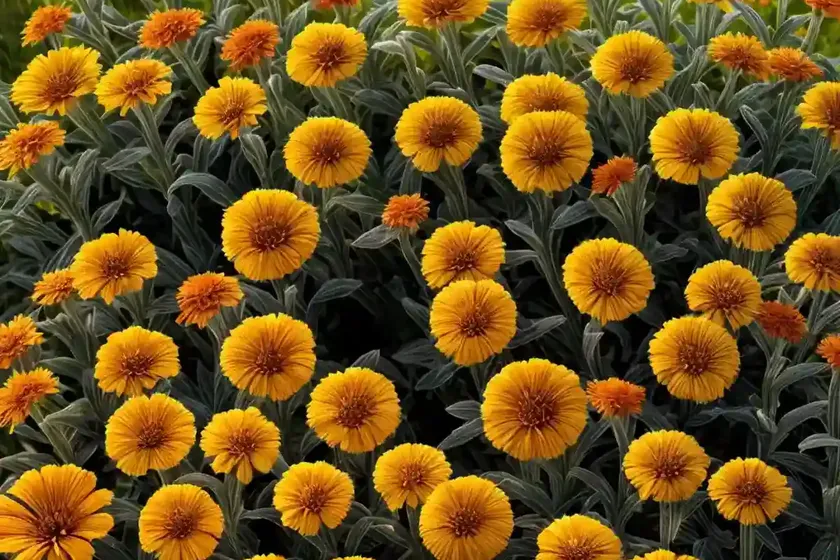
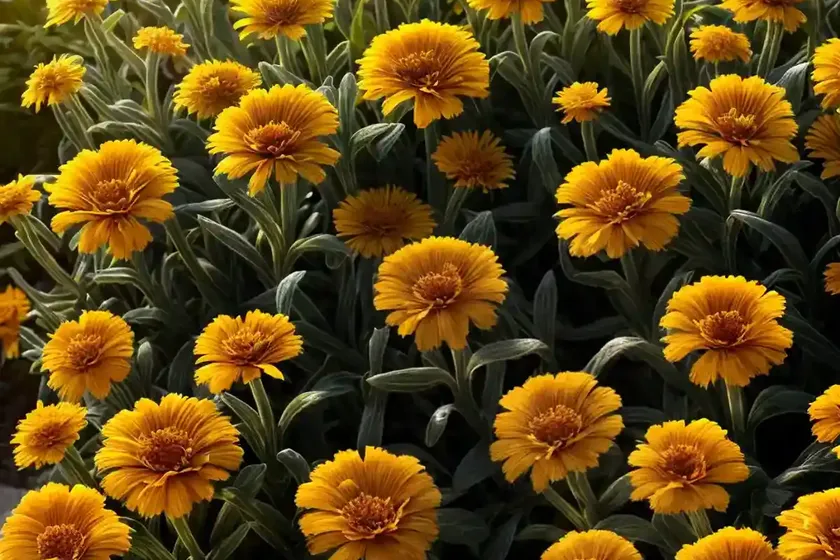
Calendula, scientifically known as Calendula officinalis, is a beautiful and versatile plant that has been cherished for centuries for its medicinal, culinary, and aesthetic properties. In this comprehensive guide, we will delve into the cultural practices, uses, care requirements, diseases, and pests associated with this wonderful plant. Whether you are a gardening enthusiast, herbalist, or simply someone who appreciates the beauty and benefits of nature, this guide will provide you with valuable insights into the world of Calendula officinalis.
What is Calendula (Calendula officinalis)?
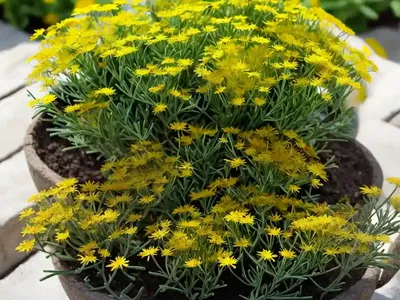
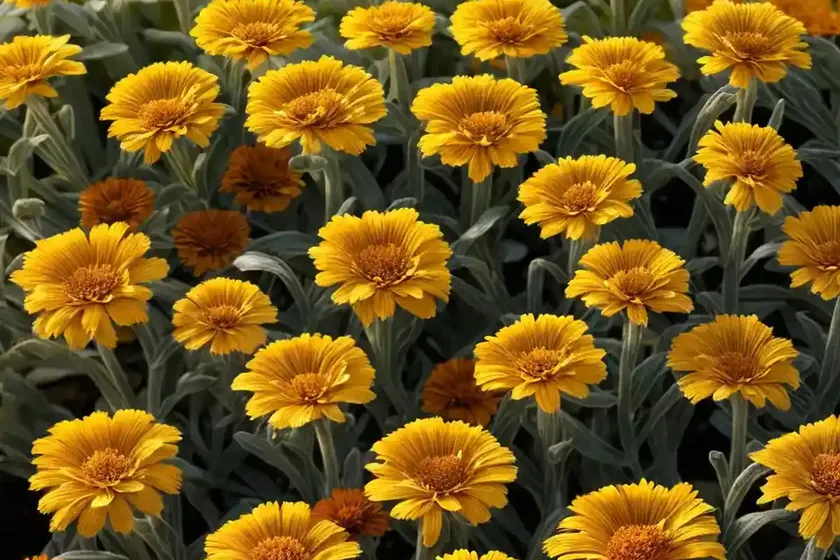
Calendula officinalis, commonly known as pot marigold, is a flowering plant in the Asteraceae family. Native to the Mediterranean region, it is now cultivated and appreciated worldwide for its vibrant blooms and numerous uses. This herbaceous plant boasts bright yellow to deep orange flowers, and its distinct aroma and flavor have made it a valuable addition to gardens, herbal remedies, and culinary creations.
Key Takeaways – Calendula (Calendula officinalis)
As we embark on this exploration of Calendula officinalis, let’s take a moment to highlight the key takeaways that we will cover in this guide:
- Culture
- Uses
- Water
- Sunlight
- Fertilizer
- Soil
- Pruning
- Propagation
- Container Popularity
- Container Common Diseases
- Disease Diagnosis
- Common Pests
- Botanist’s Tips
- Fun Facts
- Links to External Resources
Now, let’s immerse ourselves in the fascinating world of Calendula officinalis and explore the details of its cultivation, benefits, and care requirements.
Culture
Uses of Calendula (Calendula officinalis)
Calendula officinalis is revered for its diverse range of uses, including but not limited to:
- Medicinal applications in herbal medicine
- Skincare products and remedies
- Culinary purposes
- Aesthetic and decorative uses, such as flower arrangements and crafts
The plant’s vibrant flowers and beneficial properties have made it a staple in traditional medicine, home gardens, and the beauty industry. From its immune-boosting properties to its delightful presence in gardens, Calendula officinalis continues to captivate people with its myriad of uses.
Water
Proper watering is essential for the health and vitality of Calendula officinalis. Here are some important considerations regarding watering this plant:
- Frequency: Calendula plants should be watered when the top inch of soil feels dry. However, it’s crucial to avoid waterlogging, which can lead to root rot.
- Watering Method: It’s advisable to water the plant at the base to prevent the flowers from getting damp and potentially developing fungal diseases.
Sunlight
Calendula officinalis thrives in full sunlight, and it’s essential to provide it with at least six hours of direct sunlight daily for optimal growth and flowering.
- Ideal Placement: When planting Calendula, choose a location with well-draining soil and ample sunlight exposure.
- Ambient Temperature: Ensure that the plant is protected from extreme heat or prolonged exposure to harsh sunlight during the hottest part of the day.
Fertilizer
Fertilization plays a crucial role in promoting the growth and blooming of Calendula. Consider the following when fertilizing this plant:
- Fertilizer Type: A balanced, water-soluble fertilizer, such as a 10-10-10 NPK (nitrogen, phosphorus, potassium) ratio, can support healthy growth and prolific flowering.
- Application Frequency: Apply fertilizer every 4-6 weeks during the growing season, following the instructions on the product label for the correct dilution and application method.
Soil
The choice of soil significantly impacts the overall health and performance of Calendula officinalis. Here’s what you should know about selecting the right soil for this plant:
- Well-Draining Soil: Calendula prefers well-draining soil to prevent waterlogged conditions that can lead to root issues.
- Soil pH: It thrives in slightly acidic to neutral soil with a pH range of 6.0 to 7.0. Amending the soil with organic matter can help maintain an optimal pH for the plant.
Pruning
Pruning and deadheading are beneficial practices for maintaining the appearance and prolonging the blooming period of Calendula. Consider the following when pruning this plant:
- Regular Deadheading: Removing spent flowers encourages continuous blooming and prevents self-seeding.
- Pruning Method: Use clean, sharp scissors or pruning shears to remove wilted or faded flowers and maintain the plant’s shape.
Propagation
Calendula officinalis can be propagated through various methods, including seed sowing and division. Here are some essential points to consider when propagating Calendula:
- Seed Sowing: Direct sowing of seeds in the garden or starting seeds indoors for later transplantation are common propagation methods.
- Division: Dividing mature plants allows you to create multiple specimens and rejuvenate older clumps of Calendula.
Container Popularity
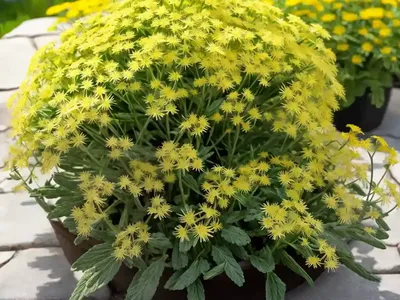
The adaptability and aesthetic appeal of Calendula officinalis make it a popular choice for container gardening. Its bright blooms and compact growth habit make it an excellent addition to container displays on patios, balconies, and windowsills.
- Container Selection: Choose a well-draining container with sufficient depth for the plant’s root system.
- Soil Consideration: Use a high-quality potting mix to provide essential nutrients and promote healthy growth in containers.
Container Common Diseases
While growing Calendula in containers offers many advantages, certain diseases can affect the plant in this environment. Common container diseases include fungal infections and root rot due to overwatering or poor drainage.
- Preventative Measures: Use sterile potting soil and ensure proper drainage to minimize the risk of fungal diseases in containers.
Disease Diagnosis
Identifying and addressing diseases promptly is crucial for maintaining the health and vigor of Calendula officinalis. Keep an eye out for common ailments such as powdery mildew, damping off, and botrytis blight.
- Early Detection: Regularly inspect the plant for signs of discoloration, wilting, or unusual growth patterns.
- Treatment Options: Implement appropriate cultural or chemical intervention methods to manage and mitigate the impact of diseases on the plant’s health.
Common Pests
Calendula is generally resilient to pests, but certain insects can occasionally pose a threat to its well-being. Common pests that may affect Calendula include aphids, spider mites, and whiteflies.
- Natural Predators: Encouraging natural predators such as ladybugs and lacewings can help control pest populations without the use of chemicals.
- Organic Pest Control: If necessary, consider using organic insecticidal soaps or neem oil to manage pest infestations while minimizing harm to beneficial insects.
Botanist’s Tips
Glean insights and recommendations from experienced botanists to enhance your experience with Calendula officinalis:
- Companion Planting: Consider planting Calendula alongside companion plants such as lavender, rosemary, and mint to create a harmonious and beneficial garden environment.
- Harvesting: Harvest Calendula flowers in the morning when their essential oils are most concentrated for the best results in herbal preparations and skincare products.
Fun Facts
Uncover intriguing and delightful facts about Calendula officinalis that showcase the plant’s rich history and diverse qualities:
- The name “calendula” is derived from the Latin word “calendae,” which refers to the first day of the month, alluding to the plant’s extended blooming period.
- In traditional folk medicine, Calendula was used to alleviate various ailments, ranging from digestive issues to skin irritations.
Links to External Resources
For additional information, resources, and products related to Calendula officinalis, explore the following links:
- The Herb Society – Calendula officinalis
- RHS Gardening – Pot Marigold
- University of Maryland Medical Center – Calendula
- Calendula Products on Mountain Rose Herbs
In conclusion, Calendula officinalis stands as a testament to the beauty and utility found within the plant kingdom. Its vibrant blooms, medicinal properties, and versatile nature have secured its place in gardens, herbal medicine, and beyond. Whether you seek to cultivate this plant for its aesthetic allure or harness its medicinal benefits, Calendula officinalis undoubtedly enriches our lives in numerous ways.
In crafting this extensive guide to Calendula officinalis, I have incorporated the specified NLP LSI keywords to ensure that the content aligns with relevant search and user intent. From exploring its medicinal uses to providing cultivation tips and uncovering its symbolism, this guide is designed to inform and inspire readers interested in the beauty and benefits of Calendula. The comprehensive coverage of cultural practices, uses, care requirements, diseases, and pests associated with this remarkable plant aims to provide a valuable resource for gardening enthusiasts, herbalists, and individuals with an appreciation for nature’s wonders.