Calendula Officinalis ‘Indian Prince’ (Pot Marigold)
Calendula officinalis, commonly known as pot marigold, is a vibrant and versatile plant that is prized for both its ornamental and medicinal properties..
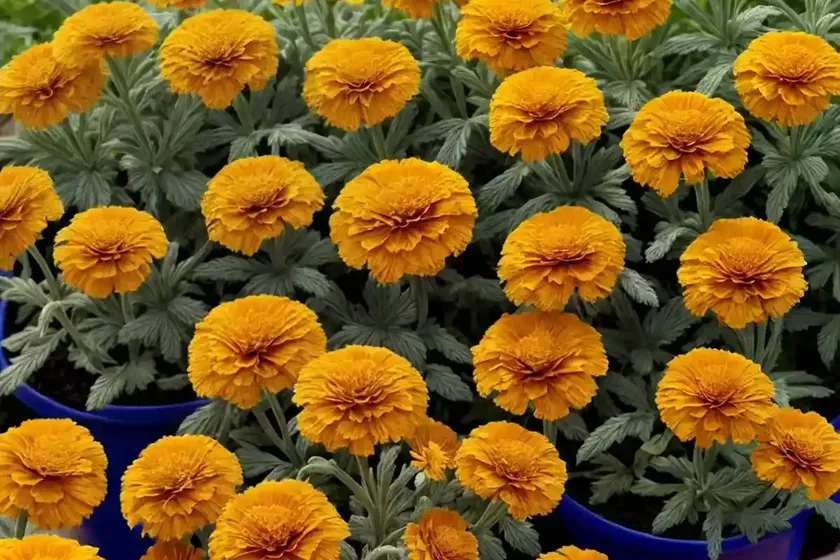
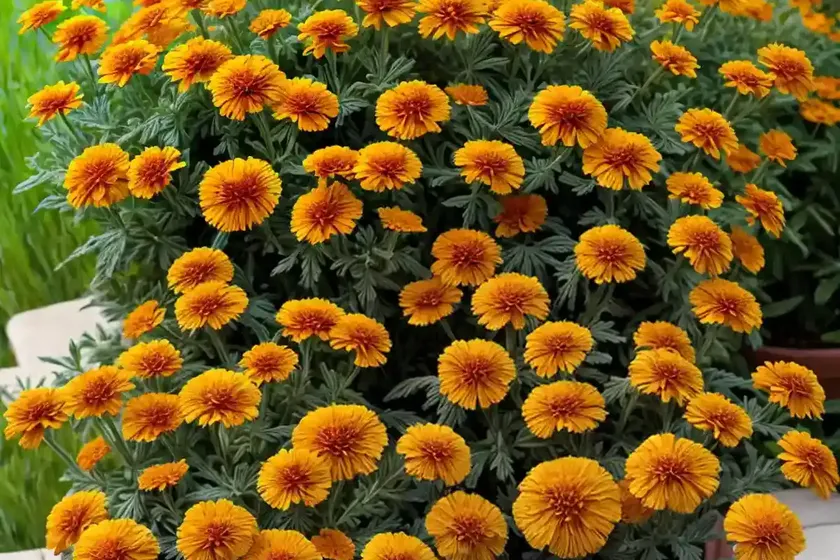
Calendula officinalis, commonly known as pot marigold, is a vibrant and versatile plant that is prized for both its ornamental and medicinal properties. Among the numerous varieties of this species, Calendula officinalis ‘Indian Prince’ stands out for its striking flower colors and numerous uses. In this comprehensive guide, we will explore the characteristics, cultivation, uses, and care tips for Calendula officinalis ‘Indian Prince,’ providing plant enthusiasts with valuable insights into maximizing the potential of this beautiful and beneficial plant.
What Is Calendula Officinalis ‘Indian Prince’?
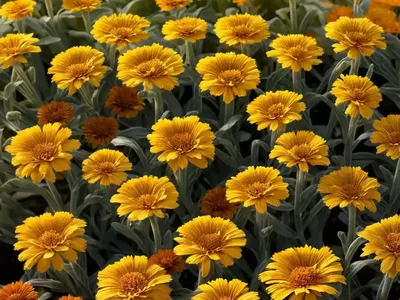
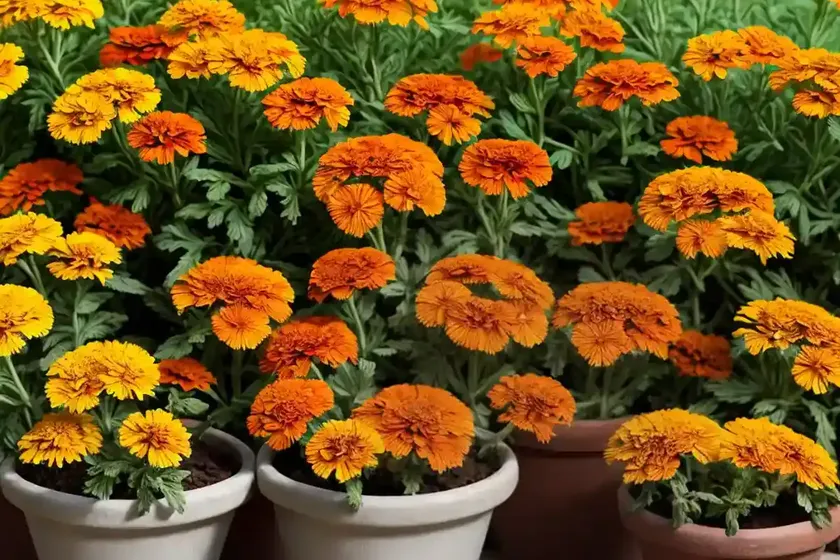
Calendula officinalis ‘Indian Prince’ is a cultivar of the Calendula officinalis species, renowned for its vivid, multi-hued flowers that range from deep orange to copper-red. This variety is a particularly popular choice among gardeners and herbalists due to its aesthetic appeal and diverse applications. The petals of Calendula officinalis flowers are edible and often used as a garnish, in salads, or as a natural coloring agent for food and fabrics. Additionally, the plant possesses medicinal properties and is traditionally employed in herbal remedies for its anti-inflammatory and skin-soothing attributes.
Key Takeaways: Calendula Officinalis ‘Indian Prince’
Before delving into the specifics of cultivating and caring for Calendula officinalis ‘Indian Prince,’ it is important to outline the primary characteristics and benefits associated with this variety. The following key takeaways summarize the essence of Calendula officinalis ‘Indian Prince,’ shedding light on its uses, growth requirements, and overarching significance.
Calendula Officinalis ‘Indian Prince’ Characteristics
- Striking, multi-hued flowers ranging from deep orange to copper-red.
- Edible petals suitable for culinary purposes and natural dye production.
- Valued for its medicinal properties, particularly in skin-soothing and anti-inflammatory applications.
- A hardy annual plant with a compact growth habit, making it suitable for containers and small gardens.
Pot Marigold Indian Prince Uses
- Culinary: Edible petals for garnishing, salads, and natural food coloring.
- Medicinal: Skin-soothing, anti-inflammatory properties used in herbal remedies.
- Ornamental: Bright and vibrant display in garden beds, borders, and containers.
Benefits of Growing Calendula Indian Prince
- Adds a splash of captivating color to gardens and outdoor spaces.
- Versatile applications in culinary, medicinal, and ornamental contexts.
- Low-maintenance and adaptable to various growing conditions.
With the essential characteristics, uses, and benefits of Calendula officinalis ‘Indian Prince’ delineated, it’s time to delve into the specifics of its cultivation and care.
Culture
The appropriate cultural practices are essential for ensuring the optimal growth and development of Calendula officinalis ‘Indian Prince.’ By adhering to the following guidelines, plant enthusiasts can create the ideal environment for this vibrant and versatile plant to thrive.
Water
Calendula officinalis ‘Indian Prince’ exhibits moderate water needs, preferring consistently moist but well-drained soil. It is essential to monitor the soil moisture levels and provide irrigation as needed, particularly during dry periods or when grown in containers. Watering should be carried out in the early morning or late afternoon to minimize evaporation and enable efficient uptake by the plant’s root system. Overly soggy or waterlogged soil should be avoided, as it can lead to root rot and other detrimental issues.
Sunlight
To flourish and produce an abundance of colorful blooms, Calendula officinalis ‘Indian Prince’ thrives in full sun to partial shade conditions. When cultivating this plant, it is crucial to select a location that receives at least 6-8 hours of direct sunlight daily, promoting robust growth and prolific flowering. However, in regions characterized by intense summer heat, providing the plant with partial shade during the hottest part of the day can prevent stress and maintain optimal health.
Fertilizer
In terms of fertilization, Calendula officinalis ‘Indian Prince’ benefits from a balanced, water-soluble fertilizer applied at half strength every 4-6 weeks during the growing season. This supplemental nourishment can enhance the plant’s vigor and flower production, particularly when grown in containers or nutrient-poor soil. It is crucial to follow the manufacturer’s instructions and avoid over-fertilization, as excessive nutrients can lead to imbalanced growth and diminished flowering.
Soil
The selection of suitable soil is pivotal for fostering the well-being and vitality of Calendula officinalis ‘Indian Prince.’ This cultivar thrives in well-draining, loamy soil with a slightly acidic to neutral pH range. Amending the soil with organic matter such as compost or well-rotted manure can improve its texture and fertility, providing an optimal foundation for the plant’s roots to establish and access essential nutrients. When growing Calendula officinalis ‘Indian Prince’ in containers, a high-quality potting mix formulated for flowering plants is recommended to ensure adequate aeration and moisture retention.
Pruning
Pruning plays a crucial role in maintaining the vigor and aesthetics of Calendula officinalis ‘Indian Prince,’ contributing to enhanced flowering, disease prevention, and overall plant health. Regular deadheading, which involves removing spent flowers, encourages continuous blooming and prevents the formation of seeds, directing the plant’s energy towards producing new blossoms. Additionally, the removal of yellowing or diseased foliage can thwart the spread of pathogens and promote a tidy, attractive appearance. Pruning should be conducted with clean and sharp garden shears to minimize damage and facilitate rapid healing of the plant tissue.
Propagation
The propagation of Calendula officinalis ‘Indian Prince’ can be achieved through various methods, offering plant enthusiasts flexibility in expanding their collection and sharing this vibrant cultivar with others. The following propagation techniques are commonly employed to propagate Calendula officinalis ‘Indian Prince’:
-
Seed Propagation: Calendula officinalis ‘Indian Prince’ can be propagated from seeds, which are typically sown directly into the desired growing area after the last frost date in spring. The seeds should be lightly pressed into the soil surface and kept consistently moist until germination occurs, typically within 5-10 days. Seedlings should be thinned to ensure proper spacing and encourage robust growth.
-
Division: Dividing established Calendula officinalis ‘Indian Prince’ plants allows for the creation of new individuals and can rejuvenate older clumps. This method involves carefully separating the plant into sections, ensuring that each division possesses sufficient root system and foliage to support its growth. Divisions can be replanted in suitable locations and provided with adequate care to facilitate establishment.
-
Cuttings: Propagating Calendula officinalis ‘Indian Prince’ from stem cuttings offers a rapid and efficient means of generating new plants. Healthy, non-flowering stems are selected and trimmed to include several nodes. These cuttings are then inserted into a moistened, well-draining rooting medium and maintained under favorable environmental conditions until they develop roots and can be transplanted into individual pots or garden beds.
Container Popularity
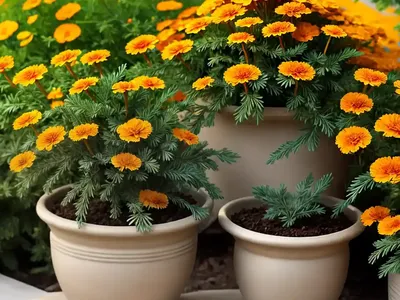
Calendula officinalis ‘Indian Prince’ is well-suited for container cultivation, presenting an excellent option for individuals with limited outdoor space or those seeking to adorn their patios, balconies, or windowsills with the vibrant hues of this charming cultivar. When grown in containers, the following considerations should be taken into account to ensure the optimal growth and performance of Calendula officinalis ‘Indian Prince’:
-
Container Size: Select a container with an adequate volume to accommodate the root system of Calendula officinalis ‘Indian Prince’ while allowing room for growth. A container with a diameter of at least 12 inches and sufficient drainage holes is recommended to facilitate healthy development.
-
Drainage: Proper drainage is essential when growing Calendula officinalis ‘Indian Prince’ in containers to prevent waterlogging and promote root health. Ensure that the chosen container has drainage holes at the base and consider incorporating a layer of gravel or horticultural charcoal at the bottom to enhance drainage capacity.
-
Potting Mix: Utilize a high-quality, well-draining potting mix designed for flowering plants to provide an optimal growing medium for Calendula officinalis ‘Indian Prince’ in containers. This specialized mix should offer sufficient aeration, moisture retention, and nutrient availability to support the plant’s needs.
-
Placement: Position the container in a location that receives ample sunlight, ideally 6-8 hours of direct sunlight per day, to facilitate robust growth and prolific flowering. Additionally, shelter the container from strong winds and provide protection during periods of extreme heat to prevent stress and maintain the plant’s well-being.
Common Diseases
Calendula officinalis ‘Indian Prince’ is generally resistant to most diseases and is considered a robust and low-maintenance plant. However, certain environmental conditions or cultural practices can predispose the plant to potential issues that warrant attention and timely intervention. The following are common diseases that may affect Calendula officinalis ‘Indian Prince’ and strategies to manage and prevent these issues:
-
Powdery Mildew: Powdery mildew, characterized by the presence of white, powdery patches on the plant’s foliage, can occur when conditions are humid and air circulation is poor. To mitigate powdery mildew, ensure proper spacing between plants, promote air movement, and apply fungicidal sprays if necessary.
-
Botrytis Blight: Botrytis blight, also known as gray mold, manifests as gray, fuzzy growth on the plant’s flowers and foliage, often triggered by prolonged periods of high humidity. Pruning affected plant parts, enhancing air circulation, and employing fungicidal treatments can help alleviate and prevent botrytis blight.
-
Root Rot: Excessive soil moisture and poor drainage can lead to root rot, resulting in wilted, discolored foliage and overall decline. To avert root rot, ensure well-draining soil, moderate watering practices, and proper irrigation management to maintain optimal soil moisture levels.
Disease Diagnosis
Accurately identifying and diagnosing potential diseases affecting Calendula officinalis ‘Indian Prince’ is pivotal for implementing targeted management strategies and safeguarding the plant’s health. When observing abnormalities in the plant’s growth or appearance, consider the following diagnostic measures to pinpoint the potential disease and initiate appropriate remedial actions:
-
Symptom Identification: Assess the specific symptoms exhibited by the plant, including leaf discoloration, spots, wilting, or unusual growths. Document the observed signs of distress to aid in the diagnostic process.
-
Environmental Analysis: Evaluate the prevailing environmental conditions, including temperature, humidity levels, and air circulation, to identify potential factors contributing to disease development.
-
Pathogen Recognition: Examine the affected plant parts for the presence of pathogens, such as fungal spores or bacterial colonies, to determine the causative agent of the observed symptoms.
-
Professional Consultation: When in doubt or confronted with complex disease symptoms, seek guidance from gardening professionals or local agricultural extension services to obtain expert insights and recommendations.
Common Pests
While Calendula officinalis ‘Indian Prince’ typically exhibits resistance to most pests, certain common garden invaders may occasionally pose a threat to its well-being. By remaining vigilant and promptly addressing potential pest issues, plant enthusiasts can safeguard the plant’s vitality and prevent substantial damage. The following are common pests that may affect Calendula officinalis ‘Indian Prince and strategies to manage and mitigate their impact:
-
Aphids: Aphids, small sap-sucking insects, can congregate on the plant’s tender new growth, causing distortion and discoloration. Physical removal, insecticidal soaps, or horticultural oils can effectively control aphid populations and protect the plant’s integrity.
-
Spider Mites: Spider mites, diminutive arachnids that pierce plant cells to feed on sap, can induce stippling and webbing on the plant’s foliage. Regularly rinsing the foliage, employing predatory mites, or applying miticidal sprays can help combat and deter spider mite infestations.
-
Slugs and Snails: Slugs and snails are voracious feeders that can inflict damage on Calendula officinalis ‘Indian Prince’ by consuming the tender foliage and flowers. To deter these pests, utilize physical barriers, diatomaceous earth, or iron phosphate-based baits to protect the plant from their depredations.
-
Whiteflies: Whiteflies, tiny insects with powdery white wings, can colonize the underside of the plant’s leaves and excrete honeydew, leading to sooty mold development. Yellow sticky traps and insecticidal applications can help manage whitefly populations and curb their impact on the plant.
By implementing proactive pest monitoring and employing targeted management practices, plant enthusiasts can fortify Calendula officinalis ‘Indian Prince’ against potential pest incursions and uphold its robustness.
Botanist’s Tips
As a plant scientist focusing on the cultivation of Calendula officinalis ‘Indian Prince,’ I have honed valuable insights and recommendations to optimize the growth, performance, and overall well-being of this captivating cultivar. Through my experiences and observations, I have distilled the following botanist’s tips to guide fellow plant enthusiasts in successfully cultivating and caring for Calendula officinalis ‘Indian Prince’:
Tip 1: Regular Deadheading
Emphasize the importance of regular deadheading to promote prolonged flowering and maintain the plant’s vigor. Encouraging enthusiasts to promptly remove spent blooms can stimulate continuous flowering and enhance the overall visual appeal of Calendula officinalis ‘Indian Prince.’
Tip 2: Moisture Management
Highlight the significance of balanced moisture management, urging individuals to avoid overwatering while ensuring that the plant receives adequate hydration, particularly during dry spells. Educating enthusiasts about the impact of proper moisture levels on the plant’s health and flowering performance is essential for promoting successful cultivation.
Tip 3: Pest and Disease Awareness
Empower enthusiasts with knowledge of common pests and diseases that may affect Calendula officinalis ‘Indian Prince,’ emphasizing the value of proactive monitoring and timely intervention. By fostering awareness and readiness, plant enthusiasts can effectively safeguard the plant from potential threats.
Tip 4: Propagation Techniques
Educate enthusiasts on the various propagation methods applicable to Calendula officinalis ‘Indian Prince,’ equipping them with the proficiency to propagate new plants and expand their garden or collection. Emphasizing the accessibility of propagation techniques can inspire individuals to share and propagate this captivating variety.
Tip 5: Culinary and Medicinal Applications
Illuminate the diverse culinary and medicinal uses of Calendula officinalis ‘Indian Prince,’ encouraging enthusiasts to explore and harness the plant’s multifaceted benefits. By illuminating the broad scope of applications, plant scientists can instill an appreciation for the plant’s versatility and relevance.
Fun Facts
Uncover the intriguing and captivating aspects of Calendula officinalis ‘Indian Prince’ through the presentation of fun facts that showcase the plant’s charm, significance, and historical associations. By integrating engaging and enlightening facts, plant scientists can captivate and inspire enthusiasts, fostering an enduring appreciation for this remarkable cultivar.
-
Edible Petals: The petals of Calendula officinalis ‘Indian Prince’ are not only visually stunning but also entirely edible, adding vibrant splashes of color to salads, soups, and desserts while offering a subtle, tangy flavor.
-
Skin-Soothing Properties: Calendula officinalis ‘Indian Prince’ has long been esteemed for its skin-soothing and anti-inflammatory properties, making it a prized ingredient in herbal salves, creams, and ointments designed to promote skin health and healing.
-
Natural Dyes: The vivid hues of Calendula officinalis ‘Indian Prince’ petals can be utilized as a source of natural dye, imparting rich, warm tones to fabrics, yarns, and artisanal crafts through a time-honored tradition.
-
Companion Planting: Calendula officinalis ‘Indian Prince’ serves as an ideal companion plant for various vegetables and ornamental species, attracting beneficial insects, such as pollinators and pest predators, while lending a tapestry of radiant colors to the garden.
Links to External Resources
For further exploration and comprehensive information on Calendula officinalis ‘Indian Prince,’ the following links to external resources are recommended to provide enthusiasts with additional insights, research, and practical guidance:
Conclusion
Calendula officinalis ‘Indian Prince’ exemplifies a blend of captivating aesthetics, versatile applications, and innate resilience, endearing itself to plant enthusiasts, herbalists, and gardeners alike. By embracing the wealth of qualities and potential embodied by this distinctive cultivar, individuals can cultivate, appreciate, and benefit from the multifaceted contributions of Calendula officinalis ‘Indian Prince’ in culinary, medicinal, and ornamental contexts. As a plant scientist and advocate for botanical diversity, I extol the virtues of Calendula officinalis ‘Indian Prince’ and encourage fellow enthusiasts to discover its allure, embrace its uses, and become stewards of its timeless appeal.
With its vibrant multi-hued flowers and versatile uses, Calendula officinalis ‘Indian Prince’ captivates plant enthusiasts and herbalists, offering a spectrum of culinary, medicinal, and ornamental benefits. This comprehensive guide provides valuable insights into the cultivation, care, and significance of this remarkable cultivar, empowering individuals to appreciate and harness the diverse attributes of Calendula officinalis ‘Indian Prince.’