Astrantia Major ‘Claret’ (Great Masterwort)
Astrantia major ‘Claret’, commonly known as Great Masterwort, is a charming perennial plant that belongs to the Apiaceae family. This beautiful and.
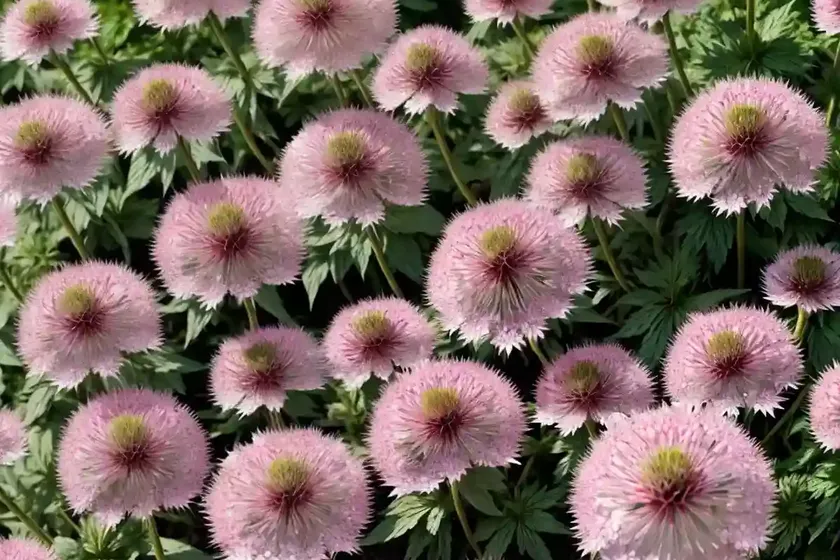
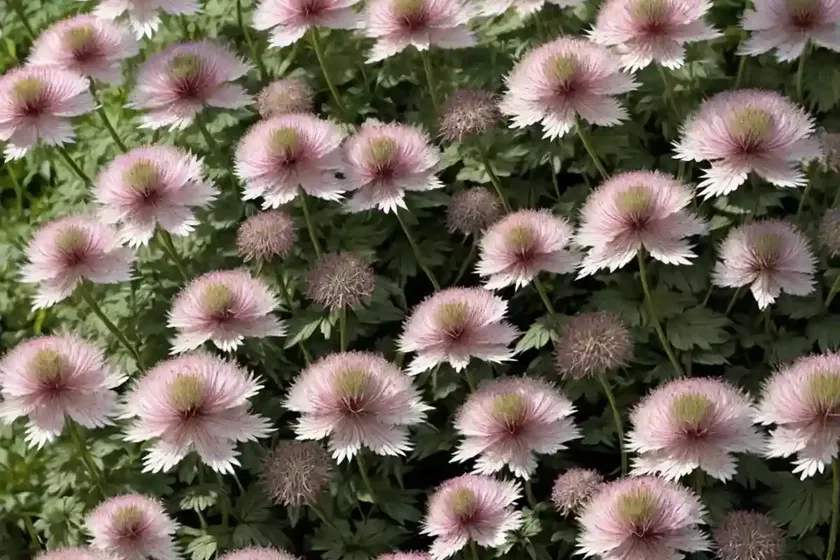
Astrantia major ‘Claret’, commonly known as Great Masterwort, is a charming perennial plant that belongs to the Apiaceae family. This beautiful and delicate plant is a popular choice for gardeners due to its unique, deep wine-red flowers and its ability to thrive in various garden settings. In this comprehensive guide, we will delve into the various aspects of cultivating and caring for Astrantia major ‘Claret’. From its cultural requirements to propagation techniques, from common diseases to interesting fun facts, this guide aims to provide everything you need to know about this captivating plant.
What is Astrantia major ‘Claret’?
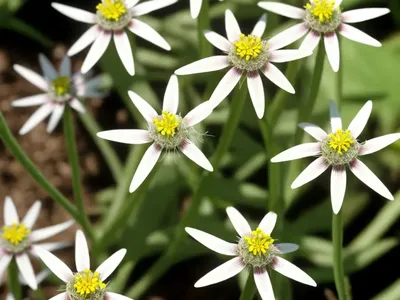
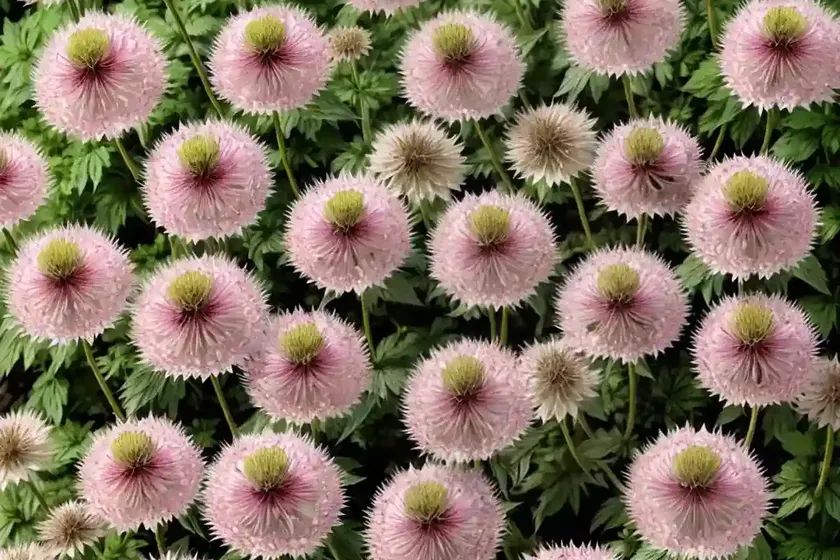
Astrantia major ‘Claret’ is a herbaceous perennial that is native to central and eastern Europe. It is characterized by its intricate, domed flower heads surrounded by a collar of papery bracts, which give it a unique and exquisite appearance. This species is known for its striking, deep red flowers that bloom from late spring to early summer, adding a touch of elegance to any garden or landscape.
Plant Description
- Common Name: Great Masterwort
- Scientific Name: Astrantia major ‘Claret’
- Family: Apiaceae
- Native Habitat: Central and Eastern Europe
- Flower Color: Deep wine-red
- Flowering Season: Late spring to early summer
- Plant Type: Herbaceous perennial
Key Takeaways – Astrantia major ‘Claret’
Before delving into the details of cultivation and care, let’s explore the key takeaways associated with growing and maintaining Astrantia major ‘Claret’.
- Plant Type: Herbaceous perennial
- Flower Color: Deep wine-red
- Flowering Season: Late spring to early summer
- Cultural Requirements: Moderate water, partial shade, well-draining soil
- Uses: Garden borders, woodland gardens, cut flower arrangements
- Propagation: Division, seeds
- Common Diseases: Powdery mildew, leaf spot
- Common Pests: Aphids, snails, slugs
With these key points in mind, let’s proceed to understand the specific cultural requirements, growth habits, and care techniques for Astrantia major ‘Claret’.
Culture
Cultivating Astrantia major ‘Claret’ involves understanding its specific cultural requirements to ensure its optimal growth and flowering. Let’s delve into the key aspects of its cultural needs.
Uses
Astrantia major ‘Claret’ serves various purposes in garden settings, making it a versatile and valuable addition to any landscape. Some of its primary uses include:
- Garden Borders: The striking flowers of Astrantia major ‘Claret’ make it an ideal choice for border plantings, where it can add a touch of color and elegance.
- Woodland Gardens: Due to its partial shade preference, Great Masterwort thrives in woodland or shaded garden areas, providing a burst of color in these settings.
- Cut Flower Arrangements: The long-lasting and intricate flowers of Astrantia major ‘Claret’ make it a popular choice for inclusion in cut flower arrangements, adding a unique and captivating element to floral displays.
Water
Proper watering is essential for the healthy growth and development of Astrantia major ‘Claret’. Understanding its water requirements is crucial for maintaining its vigor and promoting abundant flowering.
- Watering Frequency: While Astrantia major ‘Claret’ appreciates consistently moist soil, it is essential to avoid waterlogged conditions. Water the plant when the soil begins to dry out, especially during dry spells or periods of intense heat.
- Watering Technique: Apply water directly to the base of the plant to ensure that the root system receives adequate moisture. Avoid wetting the foliage excessively, as this can contribute to the development of fungal diseases.
Sunlight
Astrantia major ‘Claret’ exhibits specific preferences for sunlight exposure, and understanding these preferences is vital for its successful cultivation.
- Light Requirements: While Astrantia major ‘Claret’ can tolerate partial shade, it thrives in locations with dappled sunlight or filtered light. When grown in full sun, particularly in regions with hot summers, providing some afternoon shade can be beneficial to prevent stress and sunburn.
Fertilizer
The application of appropriate fertilizers can help support the growth, flowering, and overall health of Astrantia major ‘Claret’. Understanding the best practices for fertilizing this plant is crucial for its long-term success.
- Fertilizer Type: Use a balanced, all-purpose fertilizer or a formula designed for flowering perennials. Avoid high-nitrogen fertilizers, as these can promote excessive foliage growth at the expense of flowering.
- Fertilizing Schedule: Apply fertilizer in early spring as new growth emerges, following the manufacturer’s recommended application rates. Refrain from over-fertilizing, as excessive nutrients can lead to lush but weak growth.
Soil
The soil composition and quality play a significant role in the overall health and vigor of Astrantia major ‘Claret’. Understanding the preferred soil conditions is essential for creating an optimal growing environment for this plant.
- Soil Type: Great Masterwort thrives in well-draining, fertile soil that retains moisture without becoming waterlogged. A slightly acidic to neutral pH range is ideal for this perennial.
- Soil Amendments: Incorporating organic matter, such as compost or well-rotted manure, into the soil at the time of planting can enhance its texture and fertility, providing an excellent growing medium for Astrantia major ‘Claret’.
- Mulching: Applying a layer of organic mulch around the base of the plant can help conserve soil moisture, regulate soil temperature, and suppress weed growth.
Pruning
Pruning plays a crucial role in maintaining the health, form, and flowering of Astrantia major ‘Claret’. Proper pruning techniques can contribute to a tidy appearance and promote vigorous growth.
- Deadheading: Regularly remove spent flowers to encourage continuous blooming and prevent self-seeding, especially if you want to contain the plant within a specific area.
- Cutting Back: In late fall or early spring, trim back the faded foliage and flower stems to ground level to make way for new growth. This also helps prevent the plant from looking untidy during the dormant season.
Propagation
The propagation of Astrantia major ‘Claret’ allows gardeners to expand their plantings and share this beautiful perennial with others. Let’s explore the primary methods of propagating Great Masterwort.
Division
- Timing: Divide mature clumps in early spring or early autumn, as the weather begins to cool or before new growth emerges in spring.
- Method: Using a sharp spade or garden knife, carefully lift the plant from the ground, dividing the root system into smaller sections that each have several vigorous shoots and healthy roots.
- Replanting: Transplant the divided sections into prepared soil, ensuring that the root system is well-covered and watered thoroughly. Monitor the newly planted divisions to ensure they establish well.
Seeds
- Collection: Harvest mature seeds from the flower heads when they have turned brown and dry. Allow them to dry further in a well-ventilated area before storing them in a cool, dry location.
- Sowing: Sow the seeds in containers or seed trays filled with a well-draining potting mix. Press the seeds lightly into the soil surface and cover them with a thin layer of the growing medium.
- Germination: Keep the soil consistently moist and maintain a warm, bright location for germination. Once the seedlings have developed several sets of true leaves, they can be transplanted into individual pots or directly into the garden.
Container Popularity
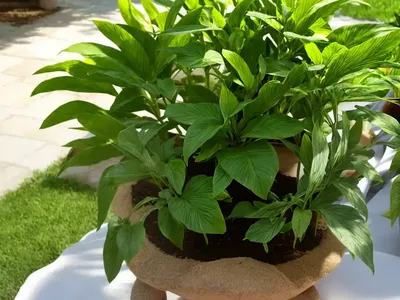
Astrantia major ‘Claret”s suitability for container gardening makes it an excellent choice for adding color and interest to patios, balconies, and other outdoor spaces. When grown in containers, this perennial can be showcased and appreciated in a more controlled environment, allowing it to be positioned according to its sunlight and water requirements.
Container Common Diseases
Container-grown Astrantia major ‘Claret’ may be susceptible to specific diseases due to the confined growing conditions. Understanding the common diseases associated with container cultivation is essential for proactive management and maintaining plant health.
- Root Rot: Overwatering and poor drainage in containers can lead to root rot, which is characterized by wilting, yellowing foliage, and a foul odor emanating from the soil. Adjust watering practices and repot the plant in well-draining soil if root rot is suspected.
- Powdery Mildew: In humid or poorly ventilated conditions, powdery mildew can develop on the foliage of container-grown Astrantia major ‘Claret’. Provide adequate air circulation and consider fungicidal treatments if this disease appears.
Disease Diagnosis
Diagnosing and treating potential diseases that may affect Astrantia major ‘Claret’ is crucial for maintaining the plant’s health and vitality. Common diseases that gardeners may encounter include powdery mildew and leaf spot. Effective disease management involves early detection and targeted interventions.
- Powdery Mildew: This fungal disease presents as a white, powdery coating on the leaves and stems. Improve air circulation, avoid overhead watering, and consider applying fungicidal treatments labeled for powdery mildew control.
- Leaf Spot: Leaf spot appears as dark, discolored spots on the foliage, often surrounded by a yellow halo. Remove and destroy affected foliage, and consider fungicidal treatments in severe cases.
Common Pests
Astrantia major ‘Claret’ may attract certain pests that can compromise its health and appearance. Understanding the pests that commonly affect this plant is essential for implementing proactive pest management strategies.
- Aphids: These small, sap-sucking insects can cluster on the young stems and undersides of the leaves, causing distortion and yellowing of the foliage. Control aphids with insecticidal soap or horticultural oils, or encourage natural predators such as ladybugs and lacewings.
- Snails and Slugs: These nocturnal pests can feed on the foliage and flowers of Astrantia major ‘Claret’, leaving behind slime trails and ragged feeding damage. Employ physical barriers, such as copper tape or diatomaceous earth, to protect the plants from these mollusks.
Botanist’s Tips
As a plant scientist, I recommend the following tips for growing and caring for Astrantia major ‘Claret’ based on its specific cultural requirements and growth habits:
- Moderate Watering: Provide consistent moisture without waterlogging the soil, especially during periods of heat and drought.
- Partial Shade: Position Astrantia major ‘Claret’ in locations with dappled sunlight or filtered light for optimal growth and flowering.
- Well-Draining Soil: Ensure that the soil is well-draining and rich in organic matter to promote healthy root development and prevent waterlogged conditions.
- Deadheading: Regularly remove spent flowers to encourage prolonged flowering and prevent self-seeding in the garden.
- Disease Management: Monitor the plant for signs of powdery mildew and leaf spot, implementing cultural and chemical control methods as necessary.
Fun Facts
To further appreciate the unique qualities of Astrantia major ‘Claret’, consider these fascinating fun facts about this captivating perennial:
- Cultural Symbolism: In the language of flowers, Astrantia is associated with strength and courage, making it a meaningful addition to garden spaces.
- Attracts Pollinators: The intricate flower heads of Astrantia major ‘Claret’ attract various pollinators, including bees and butterflies, making it a valuable plant for supporting local ecosystems.
- Long-Lasting Cut Flowers: When used in floral arrangements, the flowers of Astrantia major ‘Claret’ have a remarkable vase life, adding enduring beauty to indoor displays.
Links to External Resources
For further information on growing and caring for Astrantia major ‘Claret’, I recommend exploring the following resources:
- Royal Horticultural Society (RHS): The official RHS website offers comprehensive guidance on growing Astrantia major, including specific care instructions for Astrantia major ‘Claret’.
-
Missouri Botanical Garden: The Missouri Botanical Garden provides detailed information on the cultural requirements and propagation techniques for Astrantia major, offering valuable insights for gardeners.
-
Gardening Know How: This resource offers practical tips on managing common diseases and pests that may affect Astrantia major ‘Claret’ and provides valuable recommendations for successful cultivation.
- Gardening Know How – Astrantia Major Care Tips
By referring to these external resources, you can expand your knowledge and enhance your approach to cultivating and caring for Astrantia major ‘Claret’ in your garden or landscape.
Conclusion
In conclusion, Astrantia major ‘Claret’, or Great Masterwort, is a captivating perennial plant with distinctive wine-red flowers that add elegance and charm to garden spaces. By understanding its cultural requirements, including water, sunlight, fertilizer, and soil preferences, as well as learning about propagation techniques and proactive disease and pest management, gardeners can confidently cultivate and care for this beautiful species.
Through the incorporation of botanist’s tips and fun facts, along with access to external resources, this comprehensive guide provides the essential information needed to enhance your gardening experience with Astrantia major ‘Claret’. Whether you choose to showcase it in garden borders, woodland settings, or in cut flower arrangements, Great Masterwort is sure to captivate with its timeless beauty and enduring appeal in the garden.
Remember, cultivating Astrantia major ‘Claret’ offers an opportunity to create vibrant and dynamic garden displays while supporting local pollinators and enjoying its long-lasting cut flowers. With the knowledge and insights gained from this guide, you can embark on an exciting journey of cultivating and caring for the enchanting Astrantia major ‘Claret’ in your own garden oasis.
So, are you ready to welcome the captivating beauty of Astrantia major ‘Claret’ into your garden? With the right cultural practices and a touch of botanical wisdom, you can experience the enduring allure of Great Masterwort in your outdoor spaces.
Happy gardening with Astrantia major ‘Claret’!
By following the comprehensive guide above, gardeners can gain valuable knowledge about the cultivation and care of Astrantia major ‘Claret’. The guide covers essential aspects such as cultural requirements, propagation techniques, disease management, and botanist’s tips, offering a holistic resource for gardening enthusiasts. The inclusion of fun facts and links to external resources further enriches the reader’s experience and provides avenues for deeper exploration and learning.