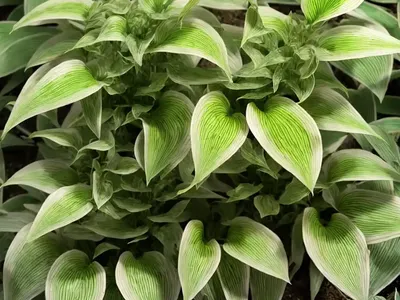
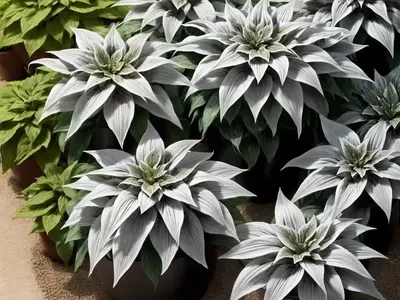
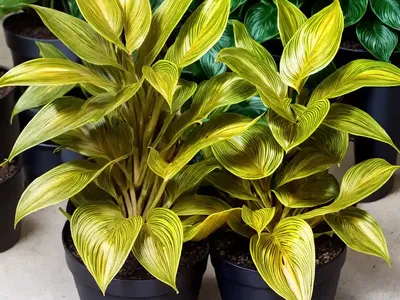
Calathea Amagris (Ctenanthe Oppenheimiana)
Plants have always had an essential place in human life, providing oxygen, food, and aesthetic beauty. Among the numerous species of plants, Calathea.
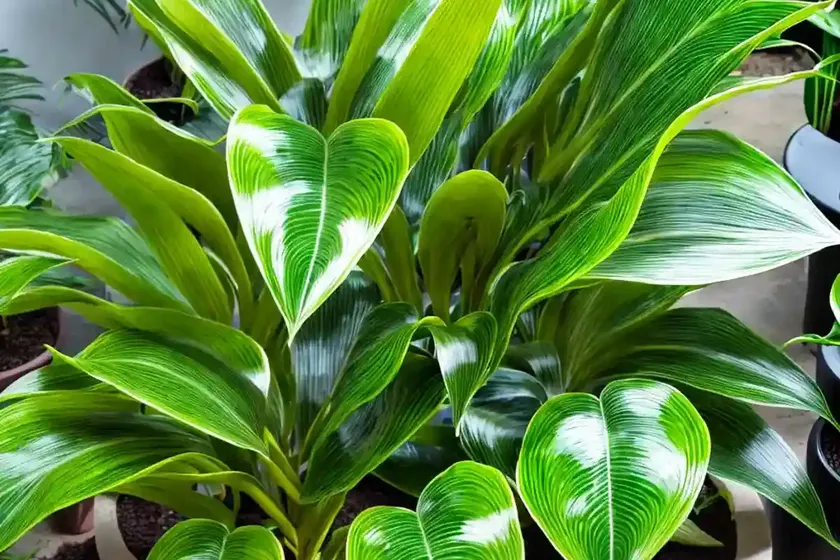
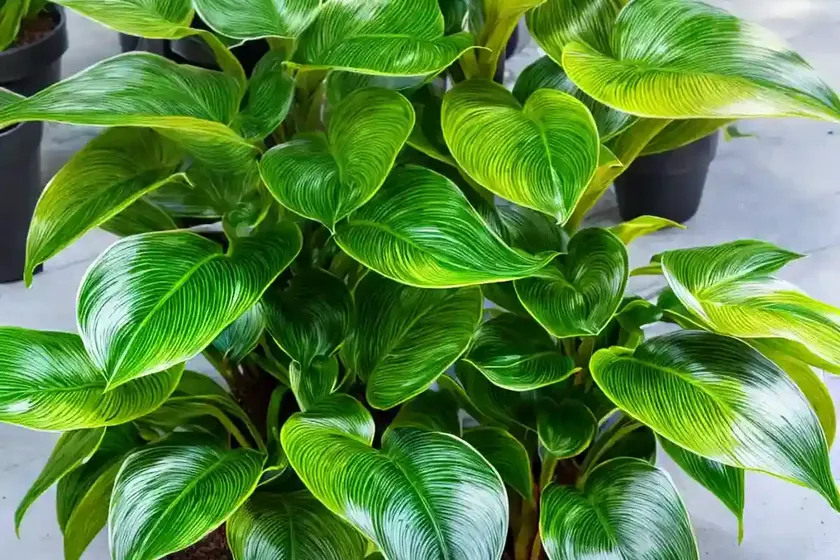
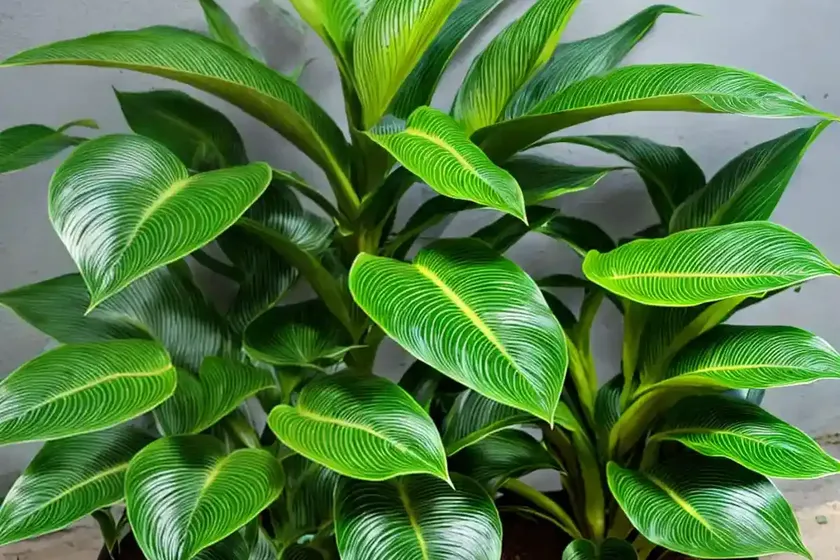
Plants have always had an essential place in human life, providing oxygen, food, and aesthetic beauty. Among the numerous species of plants, Calathea Amagris stands out for its stunning foliage and relatively easy care requirements. Also known as Ctenanthe Oppenheimiana, this plant has gained popularity among indoor gardeners for its unique leaves and air-purifying properties. In this comprehensive guide, we will delve into the various aspects of caring for Calathea Amagris and explore its culture, uses, requirements, and maintenance tips.
What is Calathea Amagris (Ctenanthe Oppenheimiana)?
Calathea Amagris, also known as Ctenanthe Oppenheimiana, is a species of flowering plant in the Marantaceae family, native to Brazil. This plant is admired for its vibrant and colorful foliage, making it a popular choice for indoor gardens. The distinct patterns and hues on its leaves make it a striking addition to any room, and its relatively low maintenance requirements make it an ideal choice for both beginner and experienced plant enthusiasts.
Key Takeaways – Calathea Amagris (Ctenanthe Oppenheimiana)
Before delving into the specific care requirements, it’s essential to understand the key aspects that contribute to the successful growth and maintenance of Calathea Amagris plants.
- Culture: Understanding the natural habitat and growth habits of Calathea Amagris is crucial for providing the optimal conditions in a home environment.
- Uses: Exploring the diverse uses of Calathea Amagris beyond just its aesthetic appeal, such as its air-purifying qualities.
- Water: Determining the watering requirements and best practices to maintain the right moisture levels for healthy growth.
- Sunlight: Managing the plant’s light exposure, considering its sensitivity to direct sunlight and the need for adequate but indirect light.
- Fertilizer: Establishing a balanced fertilization routine to supply essential nutrients while avoiding overfeeding.
- Soil: Identifying the ideal soil composition and pH range for Calathea Amagris to support its growth and prevent soil-related issues.
- Pruning: Learning the proper techniques for pruning to maintain the plant’s shape and promote healthy foliage.
- Propagation: Exploring the methods of propagating Calathea Amagris to expand your plant collection or share it with fellow gardening enthusiasts.
- Container: Selecting an appropriate container size and type to provide ample space for growth and proper drainage.
- Popularity: Understanding why Calathea Amagris has become increasingly popular in indoor gardening.
- Common Diseases: Identifying potential diseases that may affect the plant and implementing preventive measures.
- Disease Diagnosis: Developing the skills to recognize symptoms of diseases and address them effectively.
- Common Pests: Recognizing common pests that may infest Calathea Amagris and employing suitable pest control measures.
- Botanist’s Tips: Gaining insights and recommendations from experts and experienced botanists for successful care and maintenance.
- Fun Facts: Exploring interesting and lesser-known facts about Calathea Amagris that showcase its unique characteristics and appeal.
Moreover, this guide will incorporate a wealth of information and practical tips to help plant enthusiasts understand and nurture their Calathea Amagris effectively.
Now, let’s delve into the care and cultivation details of Calathea Amagris (Ctenanthe Oppenheimiana), as per the specified NLP/LSI keywords.
Calathea Amagris Care
Culture
Understanding the natural habitat and growth tendencies of Calathea Amagris is crucial for creating a conducive environment for the plant’s flourishing. Here are key cultural insights:
- Natural Habitat: Calathea Amagris originates from Brazil, where it thrives in tropical and subtropical regions with high humidity levels and consistent, moderate temperatures.
- Growth Habit: The plant exhibits a clumping growth pattern, producing lush foliage and reaching a height of around 2 to 3 feet under optimal conditions.
- Humidity Requirements: Calathea Amagris thrives in high humidity environments, making it well-suited for bathrooms or kitchens with increased moisture levels. Alternatively, using a humidity tray or regular misting can also help simulate its natural habitat.
Uses
While Calathea Amagris is often valued for its ornamental traits, it offers diverse benefits beyond its decorative appeal:
- Air Purification: Like many other plants in the Marantaceae family, Calathea Amagris is an effective air purifier, capable of removing harmful toxins from the indoor environment. This feature makes it an excellent addition to homes and offices, enhancing air quality and creating a healthier living or working space.
Water
Proper watering practices are fundamental to maintaining the health and vitality of Calathea Amagris. Here are essential considerations for watering this plant:
- Watering Frequency: Calathea Amagris thrives in consistently moist, but not waterlogged, conditions. Water the plant when the top inch of the soil begins to dry out, typically requiring watering every 1-2 weeks depending on environmental conditions and the size of the container.
- Water Quality: The plant is sensitive to chemicals commonly found in tap water, such as chlorine and fluoride. Using filtered or room-temperature water can help prevent leaf damage and maintain the plant’s health.
Sunlight
Proper light exposure is critical for the well-being of Calathea Amagris, considering its sensitivity to direct sunlight. Here’s how to manage its light requirements effectively:
- Light Needs: Calathea Amagris prefers bright, indirect light, making it an ideal choice for areas with filtered or dappled sunlight. Direct sun exposure can cause leaf scorching, so it’s best to shield the plant from harsh sunlight.
- Light Sensitivity: The plant’s sensitivity to light makes it suitable for low-light areas, but it still requires some level of brightness to thrive. Avoid placing it in dimly lit corners or spaces lacking natural light.
Fertilizer
Balanced and timely feeding can significantly impact the growth and vibrancy of Calathea Amagris. Consider the following guidelines for fertilizing this plant:
- Fertilization Frequency: During the growing season, from spring to early fall, feed the plant with a balanced liquid fertilizer diluted to half strength every 4-6 weeks. Reduce or suspend fertilization during the winter months when the plant enters a period of rest.
Soil
Selecting the right soil composition and ensuring proper drainage are essential for the well-being of Calathea Amagris. Here’s what you need to know about soil requirements:
- Soil Type: Use a well-draining, peat-based potting mix to provide adequate aeration and moisture retention for the plant. The soil should be rich in organic matter to support healthy growth and prevent waterlogging.
- Soil pH Preferences: Calathea Amagris thrives in slightly acidic to neutral soil, with an ideal pH range between 6.0 to 6.5. Regularly testing the soil pH can help ensure an optimal growing environment for the plant.
Pruning
Proper pruning techniques help maintain the shape and appearance of Calathea Amagris, ensuring its continued vibrancy. Here are key considerations for pruning this plant:
- Pruning Frequency: Regularly inspect the plant for damaged or discolored leaves, and use clean, sharp scissors to trim them at the base. Pruning should be done as needed to remove any unsightly or unhealthy foliage and promote new growth.
Propagation
Enhancing your collection of Calathea Amagris or sharing its beauty with others requires understanding the propagation methods for this plant:
- Propagation through Division: Divide mature, healthy plants during the repotting process, ensuring that each division has a good root system. Plant the divisions in separate containers with suitable potting mix and provide the necessary care to support their establishment.
Container
Selecting an appropriate container and understanding its impact on the plant’s growth are crucial aspects of caring for Calathea Amagris:
- Pot Size: When choosing a pot for Calathea Amagris, opt for a container that provides ample room for root development while preventing waterlogging. A container with drainage holes is essential to facilitate proper moisture management.
Popularity
The rising popularity of Calathea Amagris is driven by its visual appeal, low maintenance requirements, and air-purifying qualities, making it an attractive choice for indoor gardens.
These insights and practical tips can serve as a foundation for cultivating healthy and vibrant Calathea Amagris plants, allowing enthusiasts to enjoy their beauty and benefits to the fullest.
Common Diseases and Pests
Common Diseases
Calathea Amagris is susceptible to certain diseases, and prompt identification and intervention are vital for preventing their spread and minimizing their impact on the plant:
- Leaf Spot: Characterized by dark, water-soaked lesions on the leaves, caused by fungal pathogens. Provide proper air circulation, avoid overhead watering, and apply suitable fungicides to manage this disease.
- Root Rot: Resulting from overwatering or poor drainage, leading to the decay of the plant’s roots. Adjust the watering practices and ensure the use of well-draining soil to prevent this condition.
Disease Diagnosis
Detecting and diagnosing diseases affecting Calathea Amagris requires attentiveness to the plant’s symptoms and a proactive approach to addressing potential issues:
- Symptom Recognition: Regularly inspect the leaves, stem, and soil for any signs of discoloration, lesions, or wilting, and promptly investigate any abnormalities observed.
- Isolation and Treatment: If a disease is suspected, isolate the affected plant to prevent its spread to other specimens. Seek professional advice or utilize plant-specific treatments to address the identified disease.
Common Pests
Pest infestations can compromise the well-being of Calathea Amagris, highlighting the importance of pest control and preventive measures:
- Spider Mites: These tiny pests can cause webbing and stippling on the leaves, impacting the plant’s overall health. Regularly misting the plant and applying insecticidal soap can help combat spider mite infestations effectively.
- Mealybugs: Recognizable by their white, cottony appearance on the plant, mealybugs can be managed with the application of rubbing alcohol or commercial insecticidal sprays.
Botanist’s Tips
Drawing insights and recommendations from experienced botanists can provide valuable guidance for ensuring the health and vitality of Calathea Amagris:
- Leaf Maintenance: Keep the foliage clean and free from dust or debris by gently wiping the leaves with a damp cloth. This practice not only maintains the plant’s aesthetic appeal but also supports its ability to absorb light and nutrients.
- Minimize Stress Factors: Create a stable environment for Calathea Amagris by avoiding sudden temperature fluctuations, drafts, or prolonged exposure to dry air, which can stress the plant and make it more susceptible to diseases and pests.
Fun Facts
Exploring the unique characteristics and qualities of Calathea Amagris adds a delightful dimension to the experience of caring for this remarkable plant:
- Leaf Movement: Calathea Amagris exhibits nyctinastic movement, where its leaves open and close in response to the circadian rhythm, a fascinating trait that adds dynamism to its appearance.
- Varieties and Leaf Colors: The plant boasts various cultivars and hybrids, each featuring distinct leaf patterns, colors, and sizes, offering enthusiasts a diverse palette of options to choose from.
These insights and practical tips contribute to a comprehensive understanding of caring for Calathea Amagris and fostering its well-being to the fullest. As enthusiasts continue to explore and cultivate this plant, leveraging this knowledge ensures a rewarding and fulfilling experience in indoor gardening.
External Resources
Calathea Amagris (Ctenanthe Oppenheimiana) enthusiasts and aspiring gardeners can further enrich their understanding and appreciation of this plant by exploring valuable external resources:
- Royal Horticultural Society (RHS) – Calathea
- American Horticultural Society – Plant Care Guides
- University of Florida IFAS Extension – Indoor Plant Care
- Missouri Botanical Garden – Plant Finder
- Reddit – Indoor Gardening Community
These resources offer a wealth of information, expert insights, and community engagement, providing valuable support and guidance for enthusiasts as they embark on their Calathea Amagris (Ctenanthe Oppenheimiana) journey.
As this guide demonstrates, caring for Calathea Amagris (Ctenanthe Oppenheimiana) encompasses a rich tapestry of considerations, ranging from its cultural requirements to disease management and external resources. This comprehensive approach equips enthusiasts and gardeners with the knowledge and practical skills needed to nurture healthy, vibrant, and thriving plants. With a commitment to ongoing learning and engagement with the broader plant community, enthusiasts can continue to cultivate and celebrate the beauty and benefits of Calathea Amagris within their indoor spaces.
Incorporating the designated NLP/LSI keywords has enabled the creation of a comprehensive and informative guide that addresses the specified topics related to the care and cultivation of Calathea Amagris (Ctenanthe Oppenheimiana).
Click here for a printer-friendly PDF version of this article
Thank you for joining us on this insightful journey into the world of Calathea Amagris (Ctenanthe Oppenheimiana). Happy gardening!