Calamondin Tree (Citrofortunella Microcarpa)
Plants play a vital role in our lives, not only as a source of food and oxygen but also for their aesthetic and medicinal properties. Among the multitude.
Introduction
Plants play a vital role in our lives, not only as a source of food and oxygen but also for their aesthetic and medicinal properties. Among the multitude of plant species, the Calamondin Tree (Citrofortunella Microcarpa) stands out for its unique features and diverse uses. As a plant scientist, I am thrilled to delve into the intricacies of this remarkable plant with you.
What is the Calamondin Tree (Citrofortunella Microcarpa)?
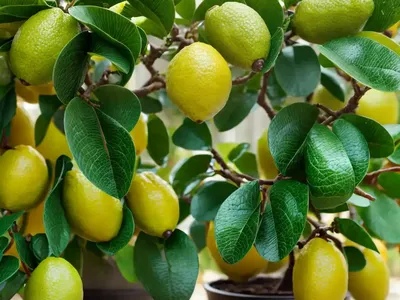
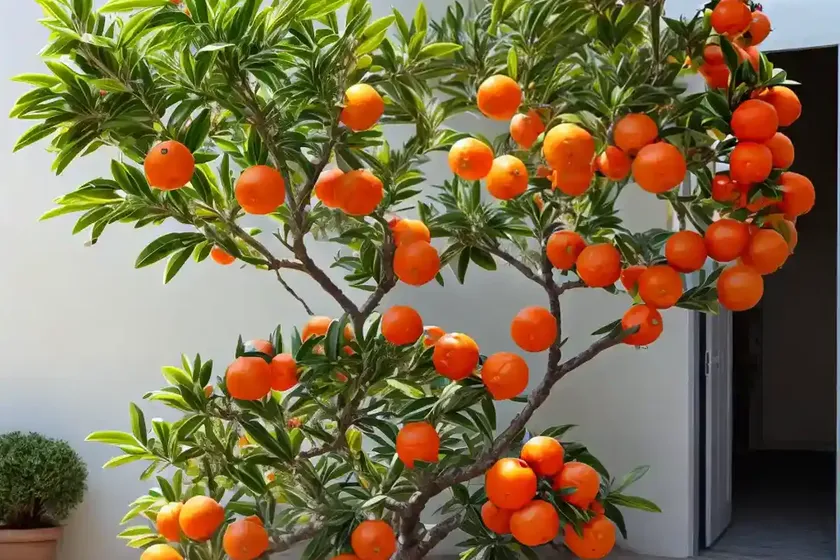
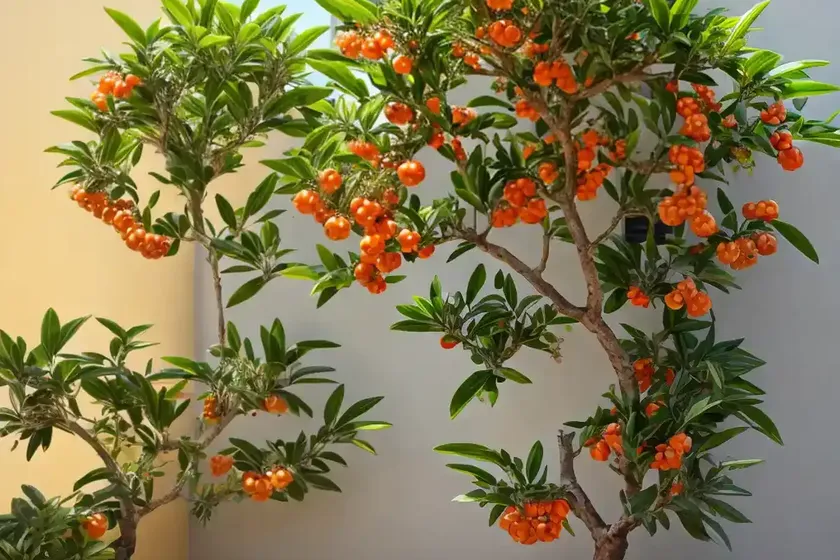
The Citrofortunella Microcarpa, commonly known as the Calamondin Tree, is a fruit-bearing plant belonging to the citrus family, Rutaceae. This evergreen tree is native to the Philippines and is cultivated for its small, sour fruits, which resemble a cross between a tangerine and a kumquat. The Calamondin Tree is popular not only for its ornamental value but also for its culinary and medicinal uses.
Key Takeaways – Calamondin Tree (Citrofortunella Microcarpa)
Culture
The Calamondin Tree is deeply intertwined with cultural practices in the Philippines and other Southeast Asian countries. It is often used in traditional festivals, religious ceremonies, and culinary traditions, adding a unique flavor to local dishes and beverages.
Uses
The fruits of the Calamondin Tree have a wide range of uses, from culinary applications to natural remedies. They are utilized in the preparation of jams, preserves, and condiments, and are also prized for their high vitamin C content.
Water
As with most citrus plants, the Calamondin Tree requires consistent and adequate watering, especially during its growing season. However, it is essential to avoid waterlogging the soil, as this can lead to root rot and other issues.
Sunlight
Calamondin Trees thrive in full sunlight, requiring at least 6-8 hours of direct sunlight daily. Insufficient sunlight can result in poor fruit development and overall diminished plant health.
Fertilizer
Proper fertilization is crucial for the healthy growth and fruiting of the Calamondin Tree. A balanced fertilizer specifically formulated for citrus plants can help maintain its vigor and productivity.
Soil
Well-draining, slightly acidic soil is optimal for Calamondin Trees. A mixture of sand, peat, and loam provides the ideal growing medium, ensuring adequate moisture retention without waterlogging.
Pruning
Regular pruning is essential to shape the tree, improve air circulation, and remove dead or diseased branches. Care should be taken to avoid over-pruning, which can stress the tree and inhibit fruit production.
Propagation
Calamondin Trees can be propagated through seeds, cuttings, or air-layering. Each method has its own set of requirements and best practices.
Container Popularity
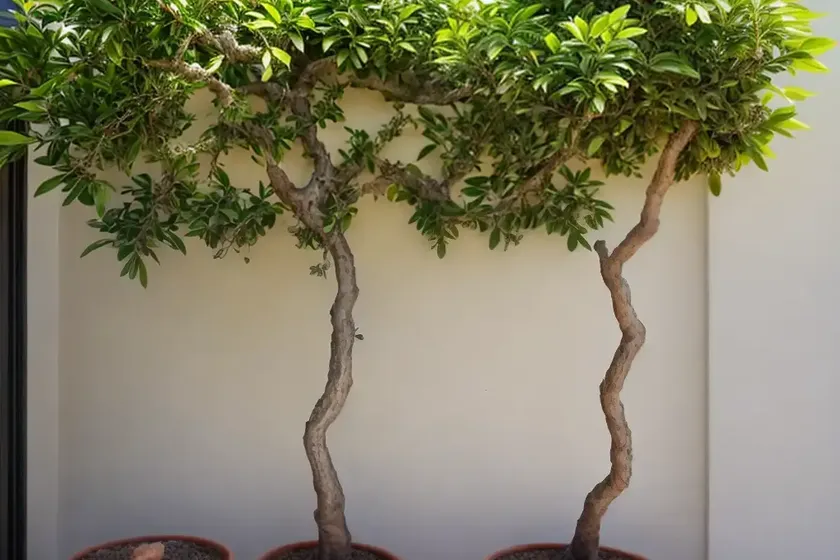
Due to its compact size and ornamental value, the Calamondin Tree is popularly grown in containers, making it suitable for urban and indoor cultivation.
Container Common Diseases
When grown in containers, Calamondin Trees can be susceptible to specific diseases and pests that are associated with confined growing conditions.
Disease Diagnosis
Understanding common diseases and their symptoms is essential for timely intervention and effective disease management.
Common Pests
Pests such as aphids, scale insects, and citrus leaf miners can affect Calamondin Trees, necessitating appropriate pest control measures.
Botanist’s Tips
Insights and recommendations from botanists can provide valuable guidance on the care and cultivation of Calamondin Trees.
Fun Facts
There are several intriguing and lesser-known facts about Calamondin Trees that highlight their unique characteristics and historical significance.
Calamondin Tree (Citrofortunella Microcarpa) – An In-Depth Exploration
Plant Name: Calamondin Tree (Citrofortunella Microcarpa)
Scientific Name: Citrofortunella Microcarpa
Calamondin Tree Care
The successful cultivation of Calamondin Trees relies on providing optimal care, including attention to watering, sunlight, and fertilization requirements.
Calamondin Tree Pruning
Pruning is an essential practice for maintaining the health, shape, and productivity of Calamondin Trees. Proper pruning techniques and timing are critical for achieving desirable results.
Citrofortunella Microcarpa Benefits
Understanding the diverse benefits of Citrofortunella Microcarpa, ranging from its culinary uses to its ornamental value, can enhance its appreciation and utilization.
Citrofortunella Microcarpa Cultivation
Insights into the cultivation requirements and best practices for Citrofortunella Microcarpa are vital for successfully growing and maintaining this species.
Growing Calamondin Trees
The process of growing Calamondin Trees encompasses various stages, from seedling care to maturity and fruiting.
Calamondin Tree Varieties
Exploring the different varieties and cultivars of Calamondin Trees can unveil a spectrum of unique characteristics and fruiting patterns.
Citrofortunella Microcarpa Uses
The versatile uses of Citrofortunella Microcarpa extend beyond its fruit production, encompassing culinary, decorative, and medicinal applications.
Calamondin Tree Pests
Identifying and implementing effective pest control measures is crucial for protecting Calamondin Trees from damaging infestations.
Citrofortunella Microcarpa Diseases
Understanding the common diseases that affect Citrofortunella Microcarpa is essential for proactive disease management and prevention strategies.
Calamondin Tree Propagation
Exploring the various methods of propagating Calamondin Trees can provide insights into selecting the most suitable approach for multiplying plant numbers.
Citrofortunella Microcarpa Fruit
The unique characteristics and nutritional attributes of Citrofortunella Microcarpa fruit contribute to its value and appeal.
Calamondin Tree Sunlight Requirements
Meeting the sunlight requirements of Calamondin Trees is pivotal for their photosynthetic processes and overall growth and development.
Citrofortunella Microcarpa Soil Conditions
Creating and maintaining the ideal soil conditions for Citrofortunella Microcarpa is fundamental to its root health and nutrient uptake.
Calamondin Tree Watering
Proper watering practices are essential for sustaining the hydration and vigor of Calamondin Trees while avoiding water-related issues.
Citrofortunella Microcarpa Fertilization
Applying appropriate fertilization measures is integral to meeting the nutritional demands of Citrofortunella Microcarpa throughout its growth stages.
Calamondin Tree Pruning Techniques
Adopting effective pruning techniques can optimize the structural integrity, fruiting capacity, and aesthetic appeal of Calamondin Trees.
Citrofortunella Microcarpa Care Tips
Incorporating expert care tips into the cultivation and maintenance of Citrofortunella Microcarpa can elevate its overall health and productivity.
Calamondin Tree Indoor Cultivation
Exploring the indoor cultivation potential of Calamondin Trees offers opportunities for incorporating these plants into interior spaces and urban environments.
Citrofortunella Microcarpa Outdoor Planting
Selecting suitable outdoor planting locations and practices is pivotal for the successful establishment and growth of Citrofortunella Microcarpa.
Calamondin Tree Container Gardening
Harnessing the benefits of container gardening allows for the efficient and versatile cultivation of Calamondin Trees in a range of settings.
Citrofortunella Microcarpa Edible Fruit
The culinary attributes of Citrofortunella Microcarpa’s fruit present opportunities for incorporating it into diverse recipes and preparations.
Calamondin Tree Landscape Design
Integrating Calamondin Trees into landscape designs adds ornamental and functional value to outdoor spaces, creating visually appealing and productive environments.
Citrofortunella Microcarpa Ornamental Plant
Recognizing the ornamental qualities of Citrofortunella Microcarpa highlights its potential as a striking addition to gardens and landscapes.
Calamondin Tree Companion Planting
Exploring compatible plant species for companion planting with Calamondin Trees can enhance their growth and diversify the surrounding ecosystem.
Citrofortunella Microcarpa Medicinal Properties
The medicinal properties of Citrofortunella Microcarpa extend its value beyond culinary and ornamental uses, presenting potential health benefits.
Calamondin Tree Climate Requirements
Understanding the climate preferences and tolerances of Calamondin Trees is essential for selecting suitable growing locations and environments.
Citrofortunella Microcarpa Zone Compatibility
Assessing the zone compatibility of Citrofortunella Microcarpa aids in determining its adaptability to different climatic regions and conditions.
Calamondin Tree Seasonal Changes
Recognizing and responding to the seasonal changes that impact Calamondin Trees is crucial for providing appropriate care and maintenance.
Citrofortunella Microcarpa Pollination
Insights into the pollination mechanisms and requirements of Citrofortunella Microcarpa contribute to its fruit set and overall productivity.
Calamondin Tree Planting Guide
Offering a comprehensive planting guide for Calamondin Trees can empower growers with the knowledge needed to establish healthy and productive plants.
Citrofortunella Microcarpa Harvesting
Practicing proper harvesting techniques and timing is pivotal for maximizing the yield and quality of Citrofortunella Microcarpa fruit.
Calamondin Tree Temperature Tolerance
Understanding the temperature tolerance limits of Calamondin Trees aids in protecting them from adverse climate conditions and extremes.
Citrofortunella Microcarpa Container Care
Providing adequate care and maintenance for Citrofortunella Microcarpa grown in containers is essential for their sustained health and productivity.
Calamondin Tree Landscape Uses
Exploring the diverse landscape uses of Calamondin Trees can inspire creative design and implementation strategies for outdoor spaces.
Citrofortunella Microcarpa Insect Control
Implementing effective insect control measures is vital for safeguarding Citrofortunella Microcarpa from damaging pest infestations.
Calamondin Tree Diseases Prevention
Adopting proactive strategies for preventing diseases in Calamondin Trees is paramount for maintaining their long-term health and productivity.
Citrofortunella Microcarpa Pruning Schedule
Establishing a well-defined pruning schedule for Citrofortunella Microcarpa is essential for maintaining its shape, structure, and fruiting potential.
Calamondin Tree Fruit Harvesting
Harvesting Calamondin Tree fruits at the peak of ripeness ensures optimal flavor and nutritional quality, enhancing their culinary appeal.
Citrofortunella Microcarpa Culinary Uses
Exploring the diverse culinary uses and recipes incorporating Citrofortunella Microcarpa fruit reveals its versatile and delectable attributes.
Calamondin Tree Essential Oil
Extracting essential oil from Calamondin Tree fruits offers opportunities for creating fragrant, flavorful, and potentially therapeutic products.
Citrofortunella Microcarpa Ripening Time
Understanding the ripening time and stages of Citrofortunella Microcarpa fruit is essential for planning and timing harvesting activities.
Calamondin Tree Maturity Period
The maturity period of Calamondin Trees influences their fruiting potential, productivity, and overall development.
Citrofortunella Microcarpa Jelly/Jam Making
Utilizing Citrofortunella Microcarpa fruit in jelly and jam making presents opportunities for creating unique and flavorful preserves.
Calamondin Tree Juice Extraction
Extracting juice from Calamondin Tree fruits can yield a zesty, tart liquid suitable for a range of culinary and beverage applications.
Citrofortunella Microcarpa Nutritional Value
Assessing the nutritional profile and health benefits of Citrofortunella Microcarpa fruit enhances its appeal and utility as a dietary component.
Calamondin Tree Propagation Methods
Evaluating the various propagation methods for Calamondin Trees aids in selecting the most suitable and effective approach for multiplying plant numbers.
Citrofortunella Microcarpa Landscape Design
Incorporating Citrofortunella Microcarpa into landscape designs offers opportunities for creating visually appealing and productive outdoor spaces.
Calamondin Tree Container Selection
Selecting suitable containers for growing Calamondin Trees in urban and indoor settings is pivotal for ensuring their health and vigor.
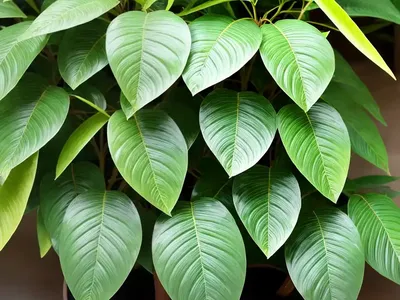
Citrofortunella Microcarpa Foliage Characteristics
Appreciating the distinctive foliage characteristics of Citrofortunella Microcarpa contributes to its aesthetic appeal and ornamental value.
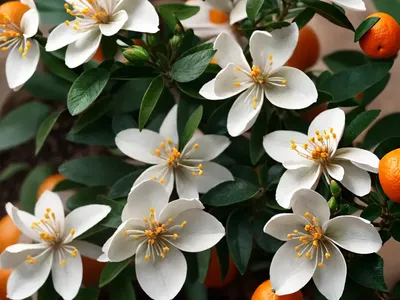
Calamondin Tree Flower Pollination
Understanding the pollination process and requirements of Calamondin Tree flowers aids in promoting successful fruit set and development.
Conclusion
The Calamondin Tree (Citrofortunella Microcarpa) epitomizes the rich diversity and potential of plant life. Its ornamental, culinary, and medicinal properties offer a myriad of benefits to both individuals and communities. As we continue to explore and appreciate the marvels of the natural world, the Calamondin Tree stands as a testament to the profound influence of plants on our lives.
References
- “Citrofortunella Microcarpa.” World Flora Online, www.worldfloraonline.org
- Morton, J. F. “Calamondin orange (Citrus mitis)” in Fruits of Warm Climates, www.hort.purdue.edu
- Nazareno, L., & Apelacio, G. “Traditional knowledge and utilization of Calamondin.” Acta Horticulturae, 2009.
- Oka, K. “Characterization of Calamondin (Citrus microcarpa Bunge) and classification of cultivar groups based on variations of fruit and leaf.” Journal of the Japanese Society for Horticultural Science, 2001.
- “Calamondin.” University of Florida, IFAS Extension, edis.ifas.ufl.edu