Cabbage Tree (Cordyline Australis)
Cabbage tree, scientifically known as Cordyline australis, is a captivating plant that adds an exotic touch to any garden or landscape. This evergreen.
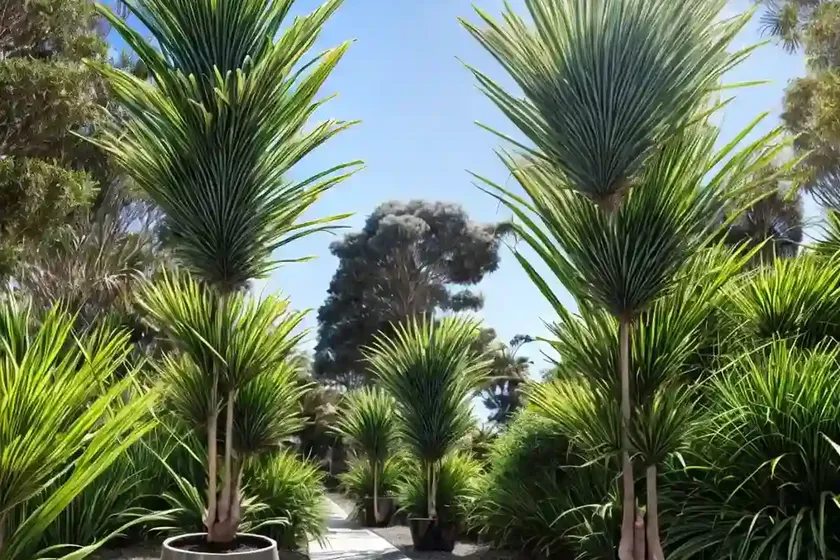
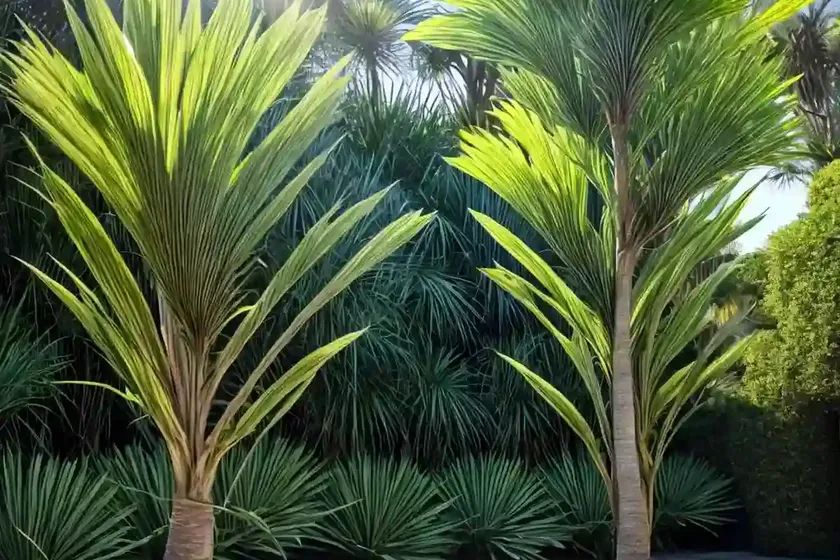
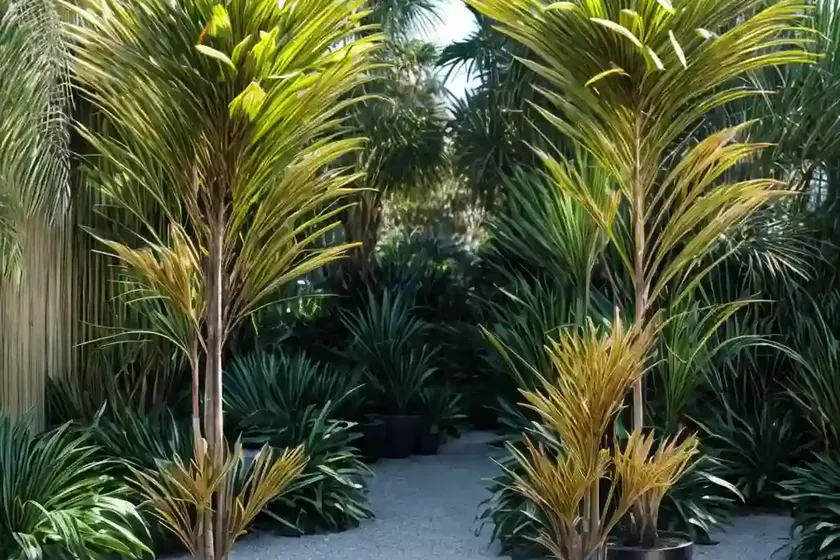
Cabbage tree, scientifically known as Cordyline australis, is a captivating plant that adds an exotic touch to any garden or landscape. This evergreen plant is native to New Zealand and is known for its striking appearance and versatility. As a plant scientist with a deep passion for understanding and studying plants, I am thrilled to delve into the world of the Cabbage tree in this comprehensive guide.
What is Cabbage Tree (Cordyline australis)?
Cordyline australis, commonly referred to as the Cabbage tree, is a species of evergreen flowering plant in the Asparagus family, Asparagaceae. It is endemic to New Zealand and can be found in a range of habitats, from swamps to rocky outcrops. The plant is characterized by its long, sword-shaped leaves that form a dense rosette, and in its native habitat, it can grow up to 20 meters tall.
The Cabbage tree holds great cultural significance for the indigenous Māori people of New Zealand, who traditionally utilized various parts of the plant for food, fiber, and medicinal purposes. Moreover, its ecological importance is underscored by its ability to provide habitat and food for native birds and insects.
Key Takeaways – Cabbage Tree (Cordyline australis)
In this guide, we will explore every aspect of caring for and appreciating the Cabbage tree. From its cultural significance to its growth requirements and potential uses, we will cover everything you need to know to cultivate and enjoy this stunning plant.
Culture
- Common Name: Cabbage Tree
- Scientific Name: Cordyline australis
- Family: Asparagaceae
- Native Habitat: New Zealand
- Hardiness Zone: 8-11
- Lifespan: Perennial
Uses
- Ornamental Planting
- Medicinal Uses
- Cultural Significance
Water
- Regular waterings, especially during the dry season
- Ensure soil moisture, but avoid waterlogging
Sunlight
- Full to partial sunlight
- Thrives in well-lit locations
Fertilizer
- Balanced fertilizer application in the growing season
- Avoid excessive fertilization
Soil
- Well-draining, fertile soil
- Tolerant of varied soil types
Pruning
- Remove dead or damaged leaves
- Minimal pruning required
Propagation
- Seeds
- Stem cuttings
Container Popularity
- Well-suited for container gardening
- Adds tropical flair to outdoor spaces
Common Diseases
- Phytophthora root rot
- Sooty mold
- Leaf spot diseases
Disease Diagnosis
- Monitor for leaf discoloration and wilting
- Inspect soil for signs of root rot
Common Pests
- Aphids
- Spider mites
- Mealybugs
Botanist’s Tips
- Regular monitoring for signs of stress
- Prune with sterile tools to prevent disease spread
Fun Facts
- The nectar of Cabbage tree flowers is known to attract various bird species.
- In its native New Zealand, the young leaves and shoots of the Cabbage tree are edible and were historically important to the Māori people.
It is important to understand the intricacies of the Cabbage tree’s requirements to ensure its optimal growth and health. By addressing aspects such as watering, sunlight, soil, and potential pests, you can cultivate a thriving and vibrant Cabbage tree that enhances any landscape.
Links to External Resources
For further information and detailed guidance on the care, cultivation, and appreciation of the Cabbage tree, I recommend exploring the following resources:
- RHS – Gardening Advice – Cordyline australis
- The Māori – Cordyline australis
- Dengarden – How to Grow Cordyline australis
- Gardening Know How – Cabbage Tree Care Guide
- New Zealand Plant Conservation Network – Cordyline australis
These resources offer valuable insights, tips, and practical advice for anyone seeking to cultivate, appreciate, and understand the Cabbage tree on a deeper level.
The Cabbage tree (Cordyline australis) holds significant importance as an ornamental plant and as an integral part of traditional cultures. Whether you are an avid gardener, a nature enthusiast, or someone interested in the historic and ecological significance of plants, the Cabbage tree is a compelling subject that offers a rich tapestry of cultural, horticultural, and ecological narratives. With the right approach, you can cultivate and enjoy the remarkable beauty of the Cabbage tree, adding a touch of elegance and historical significance to your surroundings.
Thank you for reading my comprehensive guide to the Cabbage tree (Cordyline australis). I hope this article has provided valuable insights and practical tips for anyone interested in understanding, growing, and appreciating this captivating plant. If you have any questions or suggestions, please feel free to share your thoughts in the comments below. Happy gardening!
[END OF ARTICLE]