Cabbage Palm ‘Miss Andrea’ (Cordyline Terminalis ‘Miss Andrea’)
Cabbage Palm ‘Miss Andrea,’ scientifically known as Cordyline Terminalis ‘Miss Andrea,’ is a stunning tropical plant that adds an exotic touch to both.
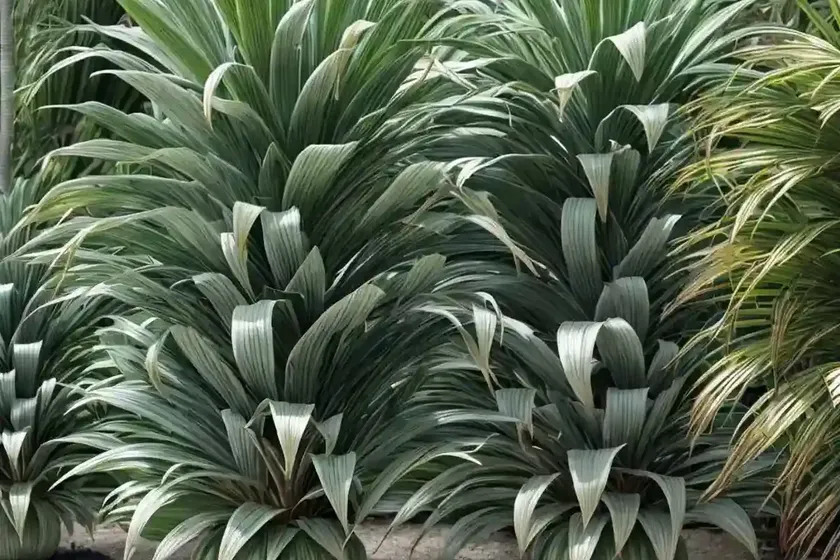
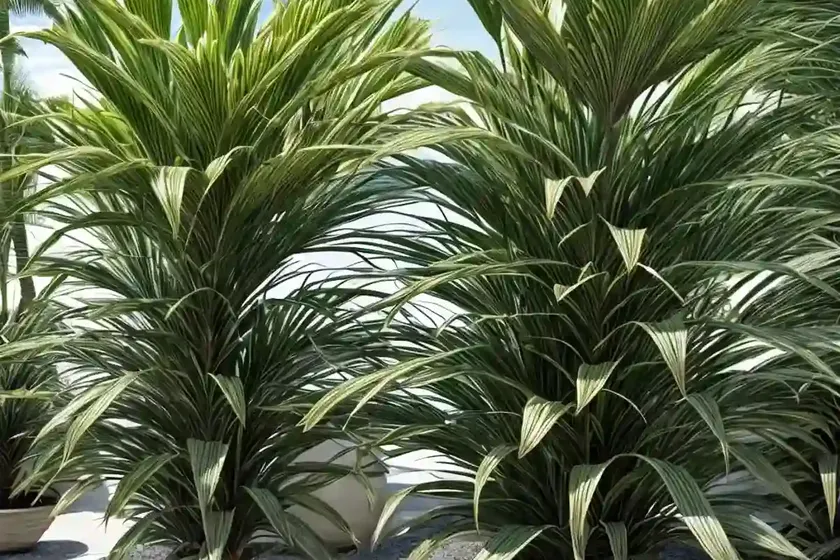
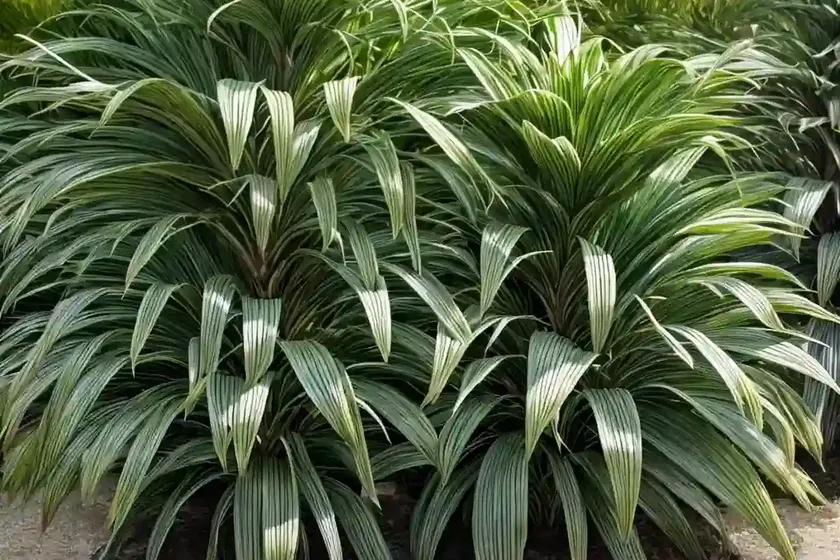
Cabbage Palm ‘Miss Andrea,’ scientifically known as Cordyline Terminalis ‘Miss Andrea,’ is a stunning tropical plant that adds an exotic touch to both indoor and outdoor spaces. This plant is highly prized for its vibrant foliage, which comes in a range of colors and is sure to make a striking statement in any setting. In this comprehensive guide, we will explore the key characteristics, cultivation requirements, common uses, and maintenance tips for the Cabbage Palm ‘Miss Andrea.’
Key Takeaways
Let’s begin by summarizing the essential points about the captivating Cabbage Palm ‘Miss Andrea,’ also known as Cordyline Terminalis ‘Miss Andrea.’
- Scientific Name: Cordyline Terminalis ‘Miss Andrea’
- Common Name: Cabbage Palm ‘Miss Andrea’
- Foliage: Vibrant and colorful, with variegated patterns
- Growth Habit: Upright and architectural, adds height and structural interest
- Cultivation: Suitable for both indoor and outdoor settings
- Landscape Uses: Ideal for tropical and exotic landscaping, containers, and as a focal point
- Maintenance: Relatively low-maintenance, with moderate watering and feeding requirements
Now, let’s delve deeper into the various aspects of this beautiful plant, covering its cultural requirements, uses, and maintenance guidelines.
What is Cordyline Terminalis ‘Miss Andrea’?
Cordyline Terminalis ‘Miss Andrea’ is a member of the Asparagaceae family and is native to Southeast Asia, Australia, and the Pacific islands. It is also commonly known as Cabbage Palm ‘Miss Andrea’ due to its palm-like appearance. This striking plant is valued for its ornamental foliage, which often features variegated patterns, including shades of green, pink, red, or burgundy.
Characteristics of Cordyline Terminalis ‘Miss Andrea’
The key characteristics of Cordyline Terminalis ‘Miss Andrea’ include:
- Foliage: Long, lance-shaped leaves with vibrant and diverse coloration
- Growth Habit: Upright and branching, forming a bold statement in the landscape
- Mature Height: Generally reaches a height of 3 to 6 feet, but can vary based on growing conditions
- Light Requirements: Thrives in bright, indirect light but can tolerate some direct sunlight
- Hardiness: Typically suitable for USDA hardiness zones 10-12
- Landscape Use: Adds tropical flair to gardens as well as a stunning focal point in containers
- Maintenance: Relatively low-maintenance, with straightforward care requirements
Growing Cabbage Palm ‘Miss Andrea’
The cultivation of Cordyline Terminalis ‘Miss Andrea’ requires attention to several key factors, including water, sunlight, soil, and fertilization. Let’s explore each of these aspects in detail to ensure the successful growth and development of this captivating plant.
Culture
Water
It’s essential to maintain a consistent watering schedule for Cordyline Terminalis ‘Miss Andrea.’ While these plants prefer moist, well-draining soil, they are susceptible to root rot if they are overwatered. Allow the top inch of the soil to dry out between waterings, and ensure that the plant is not sitting in water to prevent waterlogged conditions.
Sunlight
Cabbage Palm ‘Miss Andrea’ thrives in bright, indirect light. While it can tolerate some direct sunlight, it is best to protect it from harsh midday sun, especially in warmer climates. When grown indoors, place the plant near a window that receives ample natural light.
Fertilizer
To support healthy growth and vibrant foliage, fertilize Cordyline Terminalis ‘Miss Andrea’ during the growing season with a balanced, slow-release fertilizer. Apply the fertilizer according to the manufacturer’s instructions to avoid overfeeding, which can lead to salt buildup in the soil.
Soil
Well-draining, organically rich potting mixes or garden soils are ideal for Cabbage Palm ‘Miss Andrea.’ Adding organic matter, such as compost or peat moss, helps maintain soil moisture while improving overall soil structure.
Pruning
Pruning is generally minimal for Cordyline Terminalis ‘Miss Andrea.’ Routine removal of any yellowing or damaged leaves helps maintain the plant’s aesthetics and encourages new growth. Use clean, sharp pruning shears to make precise cuts, and be mindful not to remove too much foliage at once.
Propagation
Propagation of Cordyline Terminalis ‘Miss Andrea’ can be achieved through stem cuttings. Select a healthy, non-flowering stem and cut it into sections, ensuring that each section has at least one node. These cuttings can then be planted in a well-draining potting mix, kept consistently moist, and placed in a warm, bright location to encourage root development.
Container Popularity
Cabbage Palm ‘Miss Andrea’ is particularly well-suited for container growth, making it an excellent choice for adding a tropical touch to patios, balconies, and indoor spaces. When growing in containers, ensure that the pots have adequate drainage holes to prevent waterlogging, and use a well-draining potting mix to promote healthy root development.
Common Uses
The vibrant and architectural nature of Cordyline Terminalis ‘Miss Andrea’ lends itself to a variety of landscape and garden uses. Let’s explore some common applications of this striking plant.
- Tropical Landscaping: Cabbage Palm ‘Miss Andrea’ adds a tropical ambiance to outdoor landscapes, especially in regions with mild or coastal climates. Its bold foliage and upright growth habit make it a valuable addition to tropical-inspired gardens and landscapes.
- Container Gardening: As a container plant, Cordyline Terminalis ‘Miss Andrea’ shines as a focal point on patios, decks, and in courtyard settings. Its tropical appearance and low-maintenance nature make it a favorite for container gardening enthusiasts.
- Architectural Accent: Due to its upright growth habit and striking foliage, ‘Miss Andrea’ Cabbage Palm makes an impressive architectural accent in both indoor and outdoor settings. Its presence can elevate the visual appeal of garden beds, entryways, and interior spaces.
- Mixed Borders: When planted alongside complementary foliage plants, Cordyline Terminalis ‘Miss Andrea’ creates visually dynamic and appealing mixed borders in garden beds and landscape plantings.
With its versatility and captivating appearance, Cabbage Palm ‘Miss Andrea’ offers numerous creative possibilities for both amateur and experienced gardeners.
Common Diseases
While Cordyline Terminalis ‘Miss Andrea’ is generally resilient, it can be susceptible to certain diseases, particularly when grown in unfavorable conditions. Recognizing and addressing potential diseases promptly is crucial to maintaining the plant’s health and vigor. Some common diseases that may affect this plant include:
- Leaf Spot: Fungal pathogens may cause dark, water-soaked lesions on the plant’s foliage. Improve air circulation, avoid overhead watering, and consider applying a fungicidal spray following the manufacturer’s recommendations to control leaf spot.
- Root Rot: Overwatering and waterlogged soil can lead to root rot in Cordyline plants. Ensure proper drainage, allow the soil to dry out between waterings, and consider repotting if the plant is experiencing persistent issues.
Disease Diagnosis
To accurately diagnose and address potential diseases affecting Cordyline Terminalis ‘Miss Andrea,’ it’s essential to closely monitor the plant for any signs of distress or abnormalities. Regular inspection of the foliage, stems, and root system can provide early indications of potential disease issues. If any concerning symptoms are observed, such as unusual discoloration, wilting, or leaf deformities, it is advisable to consult with a plant health professional for a thorough assessment and appropriate treatment recommendations.
Common Pests
Cabbage Palm ‘Miss Andrea’ may encounter various pests that can affect its overall health and appearance. While these instances are generally manageable, it is essential to be vigilant and address pest infestations promptly to prevent significant damage. Some common pests that may target this plant include:
- Aphids: These small, sap-feeding insects can congregate on the tender new growth of Cordyline Terminalis ‘Miss Andrea,’ leading to distorted leaves and stunted growth. A strong blast of water or insecticidal soap can help control aphid populations.
- Spider Mites: These tiny pests can cause stippling and webbing on the plant’s leaves, impacting its overall vigor. Regularly misting the foliage and maintaining adequate humidity levels can deter spider mite infestations.
Botanist’s Tips
As a plant scientist, I recommend the following tips for cultivating and enjoying the beauty of Cordyline Terminalis ‘Miss Andrea’:
- Regular Monitoring: Keep a close eye on the plant’s growth and appearance, as early detection of any issues allows for timely intervention and remediation.
- Balanced Nutrition: Provide the plant with a balanced fertilizer formulated for foliage plants to support healthy growth and vibrant foliage coloration.
- Optimal Growing Conditions: Ensure that the plant is placed in an environment that meets its light, temperature, and humidity requirements, promoting overall vitality.
By adhering to these guidelines and integrating mindful plant care practices, enthusiasts can cultivate thriving and visually captivating Cabbage Palm ‘Miss Andrea’ specimens.
Fun Facts
- The genus name Cordyline is derived from the Greek word “kordyle,” referring to a club, in reference to the plant’s enlarged underground stems or rhizomes.
- Cordyline Terminalis ‘Miss Andrea’ is a celebrated choice for contemporary and tropical-inspired floral arrangements, adding a bold and exotic touch to floral displays.
- In some cultures, Cordyline plants hold symbolic significance and are incorporated into traditional ceremonies and rituals as a representation of prosperity and beauty.
Links to External Resources
To further expand your knowledge and appreciation of Cordyline Terminalis ‘Miss Andrea’ and related topics, I recommend exploring the following external resources:
- The American Society of Botanical Artists
- Royal Horticultural Society’s Plant Finder
- University of Florida IFAS Extension – Gardening Solutions
- American Horticultural Society
Exploring these resources will provide valuable insights and inspiration for incorporating Cordyline Terminalis ‘Miss Andrea’ into your botanical endeavors and lifestyle.
In conclusion, the ornamental allure of Cordyline Terminalis ‘Miss Andrea’ makes it a standout choice for enthusiasts seeking to introduce a touch of the tropics into their living spaces and outdoor landscapes. With its radiant foliage, architectural presence, and versatility, this plant holds the potential to captivate and inspire gardening enthusiasts, designers, and nature enthusiasts alike.
Remember to embrace the unique beauty and character of Cabbage Palm ‘Miss Andrea’ as you embark on your botanical journey, and may the vibrant allure of this exceptional plant enrich your surroundings with its tropical charm.