Butcher’s Broom (Ruscus Aculeatus)
From its various medicinal properties to its ornamental value, Butcher’s Broom (Ruscus aculeatus) is a fascinating plant that has been revered for.
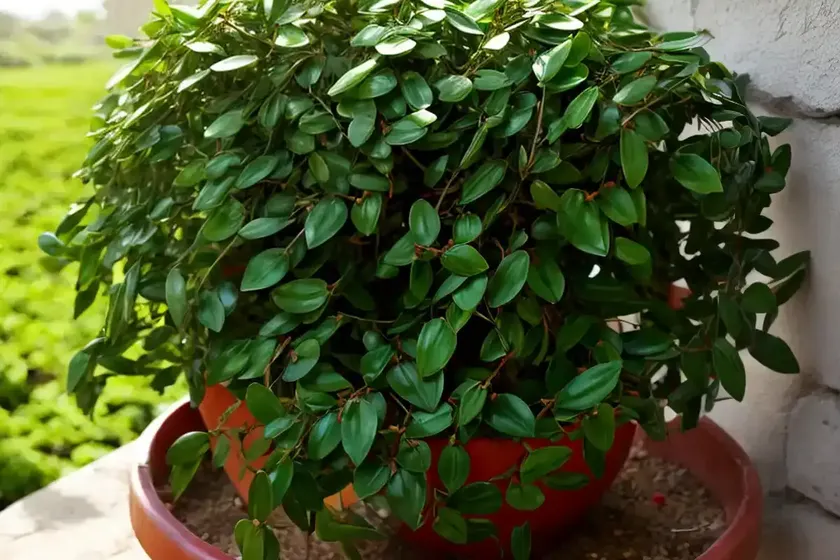
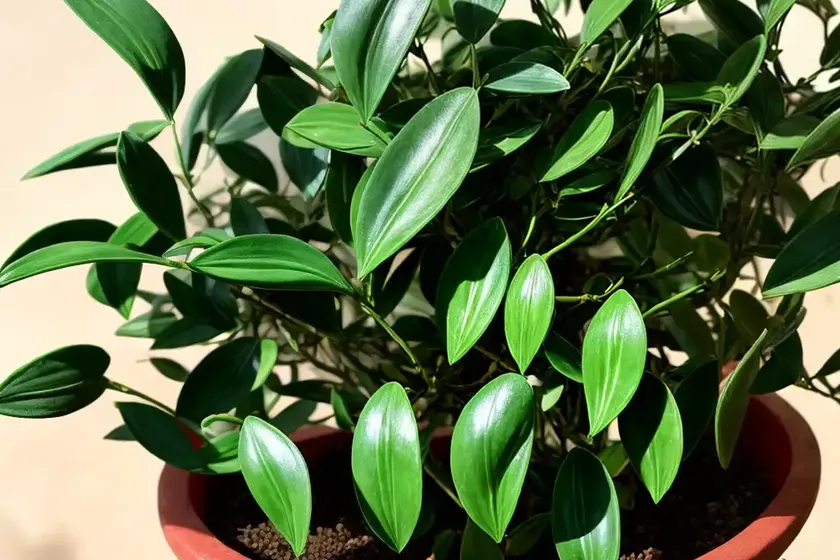
From its various medicinal properties to its ornamental value, Butcher’s Broom (Ruscus aculeatus) is a fascinating plant that has been revered for centuries. In this comprehensive guide, we will delve into the culture, uses, care, and benefits of Ruscus aculeatus. Whether you are a gardening enthusiast, an herbal medicine advocate, or simply intrigued by the wonders of nature, this article will serve as your go-to resource for all things related to Butcher’s Broom.
So, let’s embark on a journey to unravel the secrets and benefits of Butcher’s Broom, understanding its medicinal properties, and exploring the best practices for its cultivation and maintenance.
What is Butcher’s Broom (Ruscus aculeatus)?
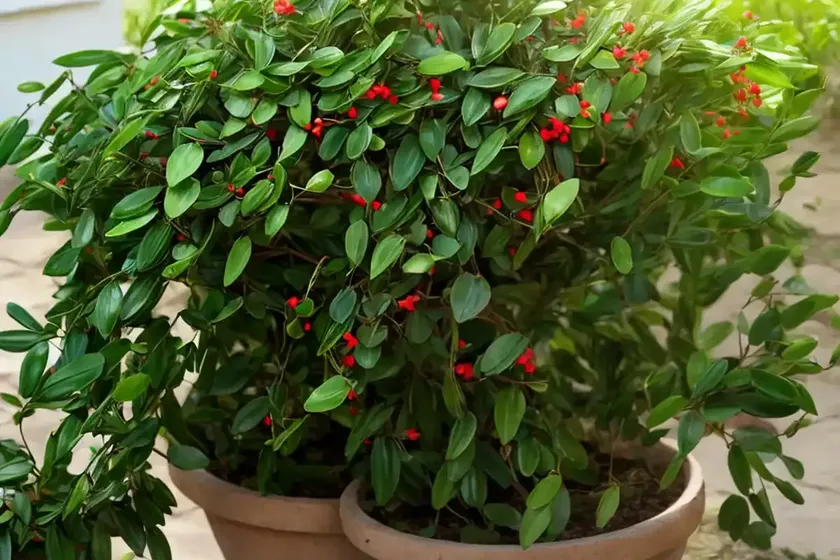
Butcher’s Broom, scientifically known as Ruscus aculeatus, is a small evergreen shrub native to the Mediterranean region and certain parts of Africa. Belonging to the Asparagaceae family, this plant is characterized by its stiff, flattened stems that resemble small leaves, and bright red berries that grow directly from the center of the stem. It is commonly found in woodland areas, thriving in shaded and moist environments.
Butcher’s Broom has a rich history of traditional uses, particularly in herbal medicine, owing to its various medicinal properties. The plant’s name is derived from its historical use by butchers, who used its stiff branches to sweep their cutting blocks.
Key Takeaways
Butcher’s Broom (Ruscus aculeatus)
- Scientific Name: Ruscus aculeatus
- Family: Asparagaceae
- Common Names: Butcher’s Broom, Knee Holly
- Native: Mediterranean Region, Africa
- Features: Evergreen Shrub, Flattened Stems, Red Berries
Culture
Understanding the optimal culture for Butcher’s Broom is essential to its successful growth and development. Let’s explore the key cultural aspects associated with this remarkable plant.
Uses
The uses of Butcher’s Broom encompass both medicinal and aesthetic domains. Its primary applications include:
- Medicinal Uses: Butcher’s Broom is revered for its medicinal properties and has been traditionally used to address various health concerns. Its potential benefits include promoting circulation, reducing swelling, and providing relief for certain health conditions.
- Ornamental Uses: The unique appearance of Butcher’s Broom, with its bright red berries and attractive foliage, makes it a popular choice for ornamental landscaping and decorative arrangements.
Water
Butcher’s Broom thrives in moist soil, making regular watering crucial for its well-being. Adequate moisture is particularly important during the plant’s establishment phase and in dry or warm climates. However, it is essential to avoid waterlogging, as excessive moisture can lead to root rot and other water-related issues.
Sunlight
This plant prefers shaded or partially shaded environments, making it well-suited for areas with limited direct sunlight. When cultivated in regions with intense sunlight, providing dappled shade or growing it under the canopy of larger trees can promote its growth and prevent potential sun damage.
Fertilizer
While Butcher’s Broom does not have high fertilizer requirements, applying a balanced, slow-release fertilizer during the growing season can support its overall health and vigor. A fertilizer with a balanced NPK (nitrogen, phosphorus, and potassium) ratio is suitable for Butcher’s Broom.
Soil
The ideal soil for Butcher’s Broom is well-draining and rich in organic matter. It thrives in slightly acidic to neutral soil pH levels. Additionally, incorporating organic mulch around the base of the plant can help maintain soil moisture and fertility.
Pruning
Pruning is beneficial for shaping Butcher’s Broom and removing any damaged or diseased foliage. It is best to conduct pruning in early spring before the onset of new growth. Additionally, removing the berries after they have matured can help prevent self-seeding and maintain the plant’s aesthetic appeal.
Propagation
Butcher’s Broom can be propagated through division or by sowing its seeds. Division is typically performed in early spring, and it involves separating the plant’s rhizomes to create new individual plants. When growing from seeds, they should be sown in a suitable growing medium under controlled conditions to encourage germination.
Container Popularity
Butcher’s Broom is well-suited for container gardening, making it a popular choice for individuals with limited garden space or those seeking to cultivate it indoors. Its compact growth habit and ornamental berries make it an attractive addition to container arrangements and indoor plant displays.
Container Common Diseases
When grown in containers, Butcher’s Broom may be susceptible to certain diseases and issues commonly associated with container gardening. These can include:
- Root Rot: Excessive moisture and poor drainage in containers can lead to root rot, impacting the plant’s overall health.
- Pest Infestations: Containers may be more prone to pest attacks, necessitating proactive pest management measures to safeguard the plant.
Disease Diagnosis
Diagnosing potential diseases in Butcher’s Broom requires careful observation of the plant’s foliage, stems, and overall vigor. Symptoms such as discoloration, wilting, or abnormal growth patterns can indicate underlying diseases, necessitating appropriate intervention to rectify the issue.
Common Pests
Butcher’s Broom may face infestations from common garden pests, including:
- Spider Mites: These tiny pests can cause stippling and webbing on the plant’s foliage, impacting its health and aesthetics.
- Aphids: Aphids are known for causing damage by feeding on the plant’s sap, leading to distorted growth and potential virus transmission.
Botanist’s Tips
To ensure the optimal growth and well-being of Butcher’s Broom, consider the following expert tips:
- Provide Adequate Moisture: While Butcher’s Broom thrives in moist conditions, ensuring proper drainage is essential to prevent water-related issues.
- Monitor for Pests: Regularly inspect the plant for signs of pest infestations and implement suitable pest control measures to maintain its health.
Fun Facts
- Butcher’s Broom has been traditionally used in various cultures for its medicinal properties, particularly in addressing circulatory and swelling-related issues.
- The red berries of Butcher’s Broom serve as a decorative feature in holiday arrangements and floral displays, adding a pop of color and texture to the compositions.
Links to External Resources
For more information on Butcher’s Broom and its diverse uses, the following external resources provide valuable insights:
To continue reading about the benefits and uses of Butcher’s Broom, please visit the following websites:
- Butcher’s Broom Benefits
- Medicinal Properties of Butcher’s Broom
- Growing Ruscus aculeatus
- Ruscus aculeatus Health Benefits
- Butcher’s Broom Herbal Uses
In conclusion, Butcher’s Broom (Ruscus aculeatus) stands as a remarkable plant with multifaceted uses, ranging from traditional medicine to aesthetic landscaping. Its unique characteristics and potential health benefits make it a valuable addition to any garden or medicinal herb collection. With the right knowledge and care, Butcher’s Broom can thrive and contribute to both the beauty and well-being of its surroundings.
Disclaimer: The information provided in this article is for educational purposes only and should not be considered as medical advice. It is always recommended to consult with a qualified healthcare professional before using any herbal remedies or supplements for medicinal purposes.