Bush Basil (Ocimum Minimum)
As a plant scientist, I am excited to delve into the details of “Bush Basil” (Ocimum minimum). In this comprehensive guide, we will explore the intricacies.
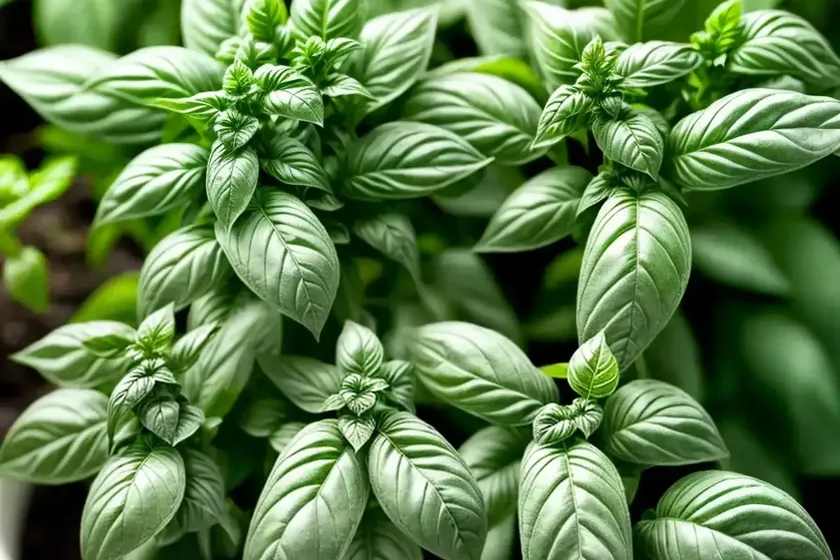
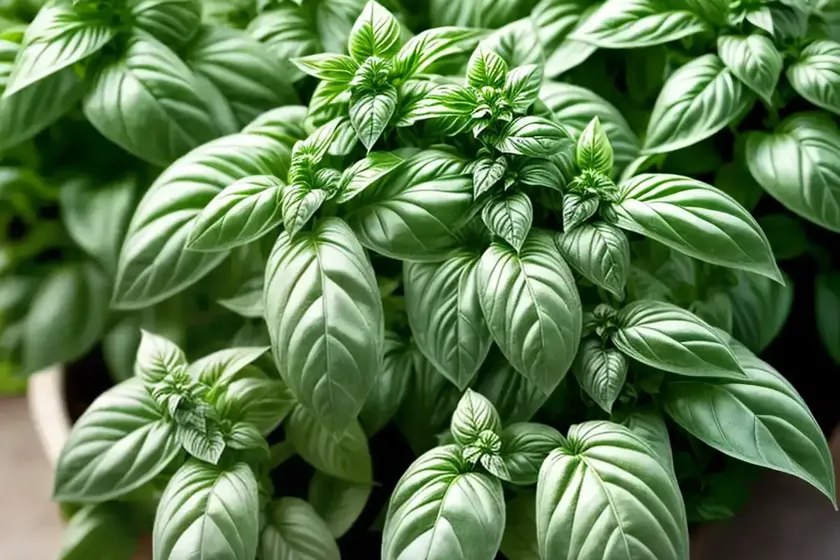
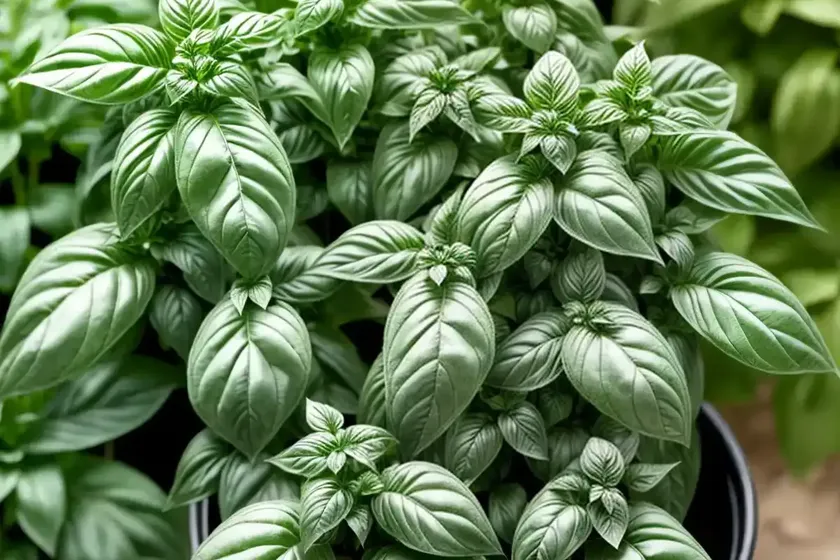
As a plant scientist, I am excited to delve into the details of “Bush Basil” (Ocimum minimum). In this comprehensive guide, we will explore the intricacies of growing and caring for bush basil, its cultural aspects, uses, and tips for maximizing its potential in various settings, including containers. Additionally, we will uncover the medicinal properties, common pests, diseases, and much more.
What is Bush Basil (Ocimum minimum)?
Bush basil (Ocimum minimum), also known as globe basil, is a flavorful and aromatic herb that is a member of the mint family, Lamiaceae. This particular species of basil is native to tropical Africa and Southern Asia and is characterized by its small, compact growth habit and highly aromatic leaves. It is widely cultivated for its culinary uses and medicinal properties, making it a valuable addition to herb gardens and home landscapes.
Key Takeaways – Bush Basil (Ocimum minimum)
Before we delve into the nuances of cultivating and caring for bush basil, let’s highlight the key takeaways to provide you with an overview of the topics we will discuss in this guide:
- Ocimum minimum uses: Exploring the diverse uses of bush basil in culinary, medicinal, and aromatic contexts.
- Growing bush basil: Understanding the essential elements for successful cultivation of bush basil, including water, sunlight, soil, and fertilization.
- Bush basil varieties: Discovering the different varieties of bush basil and their unique characteristics.
- Benefits of bush basil: Uncovering the health benefits and nutritional value of bush basil.
- Bush basil care tips: Providing essential care tips for maintaining healthy and vibrant bush basil plants.
- Bush basil recipes: Exploring delicious culinary creations using bush basil as a key ingredient.
- Companion plants for bush basil: Identifying suitable companion plants that thrive alongside bush basil.
- Medicinal properties of Ocimum minimum: Exploring the traditional and modern medicinal uses of bush basil.
- Pest control for bush basil: Understanding common pests affecting bush basil and effective control measures.
- Bush basil culinary uses: Exploring the versatile culinary uses of bush basil in various cuisines.
- How to propagate bush basil: Learning about the propagation methods for bush basil, including seeding and cuttings.
- Bush basil planting guide: Providing a comprehensive guide for planting bush basil in different settings.
- Different types of Ocimum minimum: Exploring the diversity of bush basil species and their distinct characteristics.
- Bush basil in containers: Understanding the considerations and techniques for growing bush basil in containers.
- Pruning bush basil: Learning the importance of pruning for maintaining healthy bush basil plants.
- Common problems with bush basil: Identifying and addressing common issues related to the health of bush basil plants.
- Bush basil in herbal medicine: Uncovering the historical and contemporary uses of bush basil in herbal medicine.
- Soil requirements for bush basil: Exploring the optimal soil conditions for cultivating healthy bush basil plants.
- Bush basil fragrance: Understanding the delightful fragrance of bush basil and its aromatic qualities.
- Importance of sunlight for bush basil: Highlighting the role of sunlight in the growth and development of bush basil.
- Bush basil in traditional medicine: Exploring the traditional medicinal uses of bush basil in different cultures.
- Watering needs of Ocimum minimum: Understanding the specific watering requirements for bush basil to thrive.
- Harvesting bush basil: Providing guidelines for harvesting bush basil leaves for culinary and medicinal purposes.
- Growing bush basil indoors: Exploring the potential for growing bush basil indoors and the associated considerations.
- Ways to use fresh bush basil: Discovering creative ways to utilize fresh bush basil in cooking and other applications.
- Bush basil for health benefits: Highlighting the potential health benefits of incorporating bush basil into one’s diet.
- Bush basil in home gardens: Exploring the role of bush basil in home gardens and landscape designs.
- Bush basil for culinary herbs: Understanding the significance of bush basil as a culinary herb in different cuisines.
- Bush basil nutritional value: Analyzing the nutritional content of bush basil and its dietary significance.
- Planting companions for bush basil: Identifying suitable companion plants that complement bush basil in the garden.
- Bush basil and insect repellent: Exploring the natural insect-repellent properties of bush basil.
- Managing bush basil in small spaces: Providing techniques for successfully growing and managing bush basil in limited spaces.
- Bush basil in traditional cuisines: Understanding the cultural significance of bush basil in traditional culinary practices.
- Growing tips for bush basil: Offering practical tips and recommendations for successful bush basil cultivation.
- Bush basil and pollinators: Exploring the interaction between bush basil and pollinating insects.
- The history of bush basil: Delving into the historical significance and traditional uses of bush basil.
- Seasonal care for Ocimum minimum: Providing seasonal care guidelines for maintaining healthy bush basil plants year-round.
- Bush basil preservation methods: Exploring methods for preserving bush basil for extended use.
- Bush basil in folk remedies: Examining the role of bush basil in traditional folk remedies and natural healing practices.
- Organic cultivation of bush basil: Understanding the principles and practices of organic cultivation for bush basil.
- Bush basil for homemade essential oils: Exploring the process of extracting essential oils from bush basil for aromatic and therapeutic use.
- Bush basil in ornamental gardens: Highlighting the ornamental value of bush basil in garden landscapes.
- Bush basil for aromatherapy: Exploring the aromatic qualities of bush basil and its potential use in aromatherapy.
- Bush basil in pesto recipes: Identifying the significance of bush basil as a key ingredient in pesto recipes.
- Bush basil in Italian cuisine: Exploring the integral role of bush basil in traditional Italian cuisine.
- Bush basil and natural remedies: Examining the use of bush basil in natural remedies for common ailments.
- Bush basil for homemade herbal teas: Highlighting the delightful infusion of bush basil in homemade herbal teas.
- Bush basil and traditional healing: Exploring the historical association of bush basil with traditional healing practices.
- Bush basil in Mediterranean dishes: Understanding the incorporation of bush basil in traditional Mediterranean dishes.
- Bush basil and traditional cooking methods: Exploring the traditional culinary techniques for using bush basil as a flavor enhancer.
With these key takeaways in mind, let’s delve into the detailed exploration of bush basil and uncover its many facets.
Culture
Uses
Culinary Uses: Bush basil is highly valued for its culinary applications and is a popular ingredient in Mediterranean and Italian cuisines. The distinct aroma and flavor of bush basil enhance a wide range of dishes, including salads, pasta, sauces, and marinades. The fresh leaves of bush basil are often used as a topping for pizzas and added to soups to impart a delightful herbal essence. Pesto, a classic Italian sauce, is prepared using bush basil as its primary ingredient, combined with pine nuts, garlic, olive oil, and Parmesan cheese.
Medicinal Uses: In addition to its culinary uses, bush basil also possesses medicinal properties. It has been traditionally used to alleviate digestive issues, such as flatulence and indigestion. The essential oils present in bush basil are believed to have antimicrobial and antioxidant properties, making it a potentially valuable herb for holistic wellness. Additionally, bush basil is known for its aromatic qualities, and its essential oil is used in aromatherapy for its calming and soothing effects.
Aromatic Uses: The delightful fragrance of bush basil makes it a popular choice for aromatic purposes. The leaves can be dried and used in potpourri or sachets to impart a refreshing scent to living spaces. The essential oil derived from bush basil is utilized in perfumery and as a natural air freshener.
Water
Bush basil thrives in well-draining soil and requires regular watering to maintain optimal growth and vitality. When cultivating bush basil, it is essential to water the plants consistently to prevent the soil from drying out completely. However, it is crucial to avoid overwatering, as excessive moisture can lead to root rot and other issues. A balance must be struck to provide adequate moisture without waterlogging the soil.
In general, bush basil plants should be watered when the top inch of the soil feels dry to the touch. Frequent, shallow watering is preferable to infrequent deep watering, as it ensures that the root zone remains adequately hydrated. During periods of hot weather or when bush basil is grown in containers, more frequent watering may be necessary to sustain the plants’ moisture requirements.
Understanding the specific watering needs of bush basil is essential for promoting healthy growth and preventing water-related stress, which can compromise the plant’s overall vigor and susceptibility to certain health issues.
Sunlight
Sunlight plays a crucial role in the development and productivity of bush basil, as it directly influences the plant’s growth, flavor, and essential oil content. When selecting a location for cultivating bush basil, it is important to choose a spot that receives ample sunlight, preferably 6 to 8 hours of direct sunlight per day.
In regions with hot summers, providing some protection from the intense midday sun can be beneficial, especially if bush basil is grown in containers or raised beds. Partial shade during the hottest part of the day can prevent excessive stress on the plants and help maintain their overall vigor. However, it is important to ensure that the plants receive sufficient sunlight to promote robust growth and optimal flavor development.
Understanding the sunlight requirements of bush basil and providing the appropriate lighting conditions are essential for cultivating healthy, productive plants with vibrant foliage and flavorful leaves.
Fertilizer
Fertilization is an important aspect of nurturing healthy, robust bush basil plants, as it provides essential nutrients for growth, flavor development, and overall vitality. When cultivating bush basil, it is important to use a balanced, organic fertilizer to ensure that the plants receive a steady supply of nutrients without the risk of chemical buildup or imbalances.
Organic fertilizers rich in nitrogen, such as compost or well-aged manure, are well-suited for promoting vigorous foliage growth and enhancing the flavor of bush basil leaves. Applying a balanced fertilizer with a formulation such as 10-10-10 or 5-5-5 can provide the necessary nutrients for healthy bush basil plants without overwhelming them with excessive doses of any specific element.
It is important to apply fertilizer to bush basil plants sparingly and to avoid excessive nitrogen, as this can lead to an overgrowth of foliage at the expense of flavor development. Additionally, regular applications of organic matter or compost around the base of the plants can provide a steady source of nutrients and improve soil structure over time.
Understanding the nutritional requirements of bush basil and providing appropriate fertilization are essential for cultivating flavorful, aromatic plants with vibrant, healthy foliage.
Soil
The selection of suitable soil is crucial for the successful cultivation of bush basil, as it directly impacts the plant’s growth, flavor, and overall vitality. Bush basil thrives in well-draining, fertile soil with a slightly acidic to neutral pH (6.0 to 7.5). It is important to avoid heavy, compacted soils that can retain excessive moisture, as this can lead to root rot and other health issues.
A loamy, well-draining soil enriched with organic matter provides an ideal growing medium for bush basil. Amending the soil with compost, aged manure, or other organic materials can improve its texture, fertility, and water retention capacity, creating an optimal environment for healthy root development and robust growth.
When cultivating bush basil in containers, it is important to use a high-quality, well-draining potting mix that provides adequate aeration and moisture retention. Selecting a container with drainage holes promotes good soil drainage and prevents waterlogging, which can be detrimental to the plants’ health.
Understanding the soil requirements of bush basil and providing an optimal growing medium are essential for fostering healthy, productive plants with vibrant foliage and flavorful leaves.
Pruning
Pruning is an important aspect of caring for bush basil, as it helps maintain plant health, shape, and productivity. Regular pruning encourages bushy, compact growth and prevents the plants from becoming leggy or overgrown. When cultivating bush basil, it is important to incorporate pruning into the care routine to ensure that the plants remain vigorous and productive.
Key Benefits of Pruning Bush Basil:
-
Enhanced Bushiness: Pruning stimulates branching and encourages the development of a bushy, compact form, which is ideal for culinary and ornamental purposes.
-
Improved Flavor: Regular pruning promotes the production of flavorful, aromatic leaves by directing the plant’s energy into essential oil and flavor compound synthesis.
-
Prevention of Flowering: Pruning helps prevent premature flowering, thereby prolonging the harvest period and maintaining the quality of the foliage.
When pruning bush basil, it is advisable to pinch off the growing tips and regularly harvest mature leaves to promote continuous growth and prevent the plants from bolting and going to seed prematurely. Gently pinching off the growing tips just above a set of leaves encourages lateral branching and results in a denser, more compact plant.
Understanding the principles of pruning and incorporating regular pruning into the care routine are essential for promoting the health, productivity, and vitality of bush basil plants.
Propagation
Propagation of bush basil can be accomplished through several methods, including seed sowing and stem cuttings. Understanding the different propagation techniques and selecting the most suitable method for the specific growing conditions can contribute to successful establishment and growth of new bush basil plants.
Seed Propagation: Propagating bush basil from seeds is a straightforward and economical method for obtaining new plants. When starting bush basil from seeds, it is important to use high-quality, fresh seeds from a reliable source to ensure optimal germination and vigor. The seeds should be sown in a well-draining potting mix, covered lightly with soil, and kept consistently moist until germination occurs.
Stem Cutting Propagation: Propagating bush basil from stem cuttings is another effective method for producing new plants. Selecting healthy, non-flowering stems and taking 4 to 6-inch cuttings with a sharp, clean blade can promote successful rooting. The cuttings should be placed in a well-draining rooting medium, such as perlite or a mix of peat and perlite, and kept consistently moist until root development occurs.
Division: For established bush basil plants, division can be used as a propagation method to create new plants. Dividing the root mass of a mature bush basil plant can yield separate sections that can be replanted to establish new plants with minimal effort.
Understanding the principles of propagation and selecting the most suitable method for the specific growing conditions are essential for successfully propagating bush basil and expanding its presence in the garden or landscape.
Container
Cultivating bush basil in containers offers numerous advantages, making it an attractive option for individuals with limited garden space or those seeking the convenience of growing herbs in close proximity to the kitchen. When selecting containers for growing bush basil, it is important to consider several factors to ensure the plants’ health and productivity.
Container Size: Selecting an appropriately sized container is crucial for promoting healthy root development and overall plant growth. A container with a capacity of at least 12 inches in diameter and depth is generally recommended to accommodate the root system and provide ample space for robust growth.
Drainage: Ensuring proper drainage is essential when growing bush basil in containers. Select containers with drainage holes to prevent waterlogging and promote good soil aeration. Additionally, using a well-draining potting mix can further enhance drainage and prevent moisture-related issues.
Placement: Positioning containers of bush basil in areas that receive ample sunlight is essential for promoting robust growth and robust flavor development. When grown in containers, bush basil may require more frequent watering due to increased exposure to environmental elements and potential fluctuations in soil moisture.
Cultivating bush basil in containers offers the flexibility to move the plants to optimal growing conditions and can be an ideal solution for individuals with limited garden space or those seeking to incorporate fresh herbs into their culinary pursuits.
Popularity
The popularity of bush basil has steadily increased due to its versatility, delightful flavor, and aromatic qualities. Its compact growth habit makes it well-suited for container gardening, small garden spaces, and urban environments, where individuals can conveniently grow and harvest fresh, flavorful leaves for culinary and aromatic purposes.
In addition to its popularity as a culinary herb, bush basil’s ornamental value and potential for use in herbal remedies and natural therapies have contributed to its growing appeal among gardeners, chefs, and individuals seeking to incorporate fresh, aromatic herbs into their daily lives.
Understanding the factors contributing to the popularity of bush basil and its diverse applications can provide insights into its widespread appeal and the opportunities for incorporating this versatile herb into various settings.
Common Diseases
Bush basil (Ocimum minimum) is generally resistant to many common plant diseases. However, like all plants, it can still be susceptible to a few issues, especially when the growing conditions are not optimal or in instances where pests are present. Here are some common diseases that may affect bush basil:
Downy Mildew
Downy mildew is a fungal disease that can affect bush basil, causing yellowing and browning of the leaves. When infected with downy mildew, the foliage may display fuzzy, grayish patches on the lower leaf surfaces. This disease is favored by damp, humid conditions and can spread rapidly in crowded or poorly ventilated growing environments.
Preventive Measures:
- Proper Air Circulation: Ensure adequate spacing between plants to promote air circulation and reduce humidity around the foliage.
- Avoid Overhead Watering: Water the plants at the base to prevent excess moisture on the foliage.
Fusarium Wilt
Fusarium wilt is a fungal disease that can cause wilting, yellowing, and stunted growth in affected bush basil plants. The disease is caused by soil-borne fungi and can persist in the soil, posing a threat to subsequent plantings.
Preventive Measures:
- Crop Rotation: Avoid planting bush basil in the same location in consecutive growing seasons to reduce the risk of fungal contamination.
- Use Disease-Resistant Varieties: Select bush basil varieties that are known for their resistance to Fusarium wilt.
Botrytis Rot (Gray Mold)
Botrytis rot, commonly known as gray mold, is a fungal disease that affects a wide range of plants, including bush basil. It manifests as brown lesions on the foliage and stems and can lead to a rapid decline in plant health if left unchecked.
Preventive Measures:
- Proper Air Circulation: Maintain good air circulation and avoid overcrowding of plants to reduce the risk of fungal infections.
- Remove Affected Plant Parts: Promptly remove and dispose of any infected plant material to prevent the spread of the disease.
Root Rot
Root rot, caused by various soil-borne pathogens, can affect the root system of bush basil, leading to wilting, yellowing, and overall decline in plant health. Excessively moist or poorly draining soil can exacerbate the risk of root rot in bush basil.
Preventive Measures:
- Well-Draining Soil: Use well-draining soil or potting mix to prevent waterlogging and minimize the risk of root rot.
- Adequate Watering: Water the plants judiciously, allowing the soil to partially dry out between watering sessions.
Powdery Mildew
Powdery mildew is a fungal disease characterized by the development of white, powdery patches on the foliage of affected plants. It can weaken the plants and reduce


