Bull Mallow (Malva Nicaeensis)
Bull Mallow, scientifically known as Malva nicaeensis, is a fascinating plant that has captured the interest of plant enthusiasts and horticulturists.
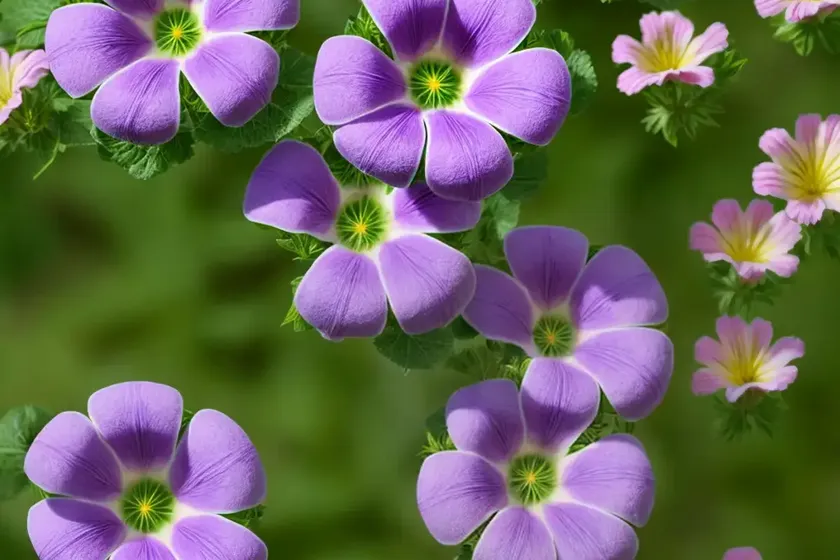
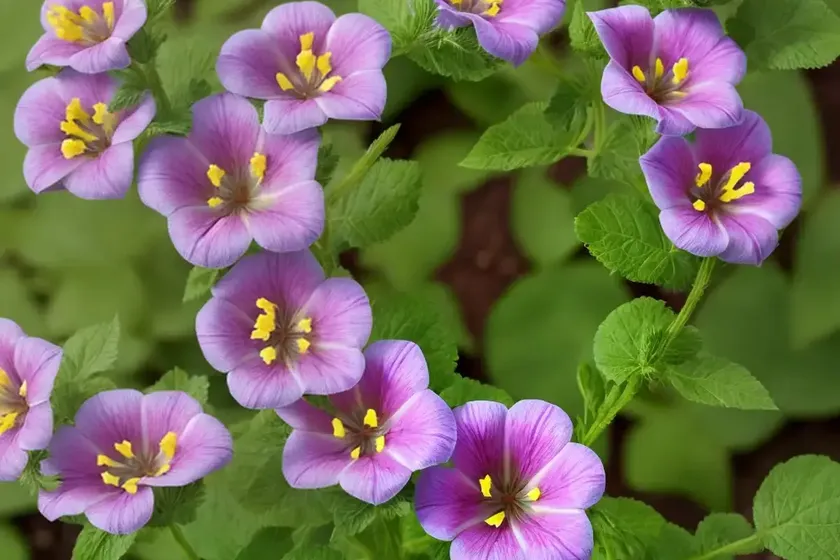
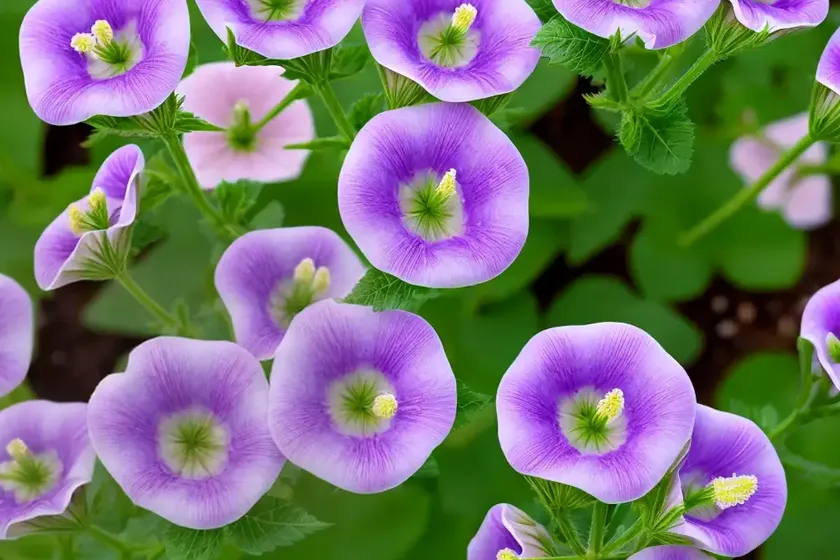
Bull Mallow, scientifically known as Malva nicaeensis, is a fascinating plant that has captured the interest of plant enthusiasts and horticulturists alike. This versatile plant offers a myriad of uses, whether it’s for ornamental purposes, culinary applications, or medicinal properties. As a plant scientist with a deep passion for understanding and cultivating diverse plant species, I am excited to delve into the world of Bull Mallow and provide a comprehensive guide on its cultivation, uses, and maintenance. In this blog post, we will explore the various facets of Bull Mallow, ranging from its cultural significance to its ecological role, while also shedding light on its care requirements and potential benefits.
What is Bull Mallow (Malva nicaeensis)?
Bull Mallow, also known by its scientific name Malva nicaeensis, is a species of flowering plant in the Malvaceae family. It is native to the Mediterranean region, where it thrives in a variety of habitats, including rocky slopes, open woodlands, and coastal areas. The plant is characterized by its attractive pink to mauve flowers and deeply lobed leaves, making it a visually striking addition to gardens and landscapes.
Key Takeaways – Bull Mallow (Malva nicaeensis)
Before we embark on our journey to explore Bull Mallow in greater detail, let’s highlight some key takeaways that will guide our discussion throughout this blog post. These takeaways encapsulate the key aspects of Bull Mallow, ranging from its cultural and ecological significance to its care requirements and potential uses.
Bull Mallow (Malva nicaeensis): Key Takeaways
- Cultural Uses: Bull Mallow has a rich cultural history, with various traditional and modern uses, including medicinal, culinary, and ornamental applications.
- Water: Understanding the plant’s water requirements and best practices for watering Bull Mallow is crucial for its successful cultivation.
- Sunlight: Bull Mallow’s sunlight needs and the optimal conditions for ensuring healthy growth and flowering.
- Fertilizer: Exploring the role of fertilization in promoting robust growth and blooming in Bull Mallow.
- Soil: Understanding the soil preferences of Bull Mallow and the importance of soil quality for its overall health.
- Pruning: Learning the principles of pruning and the specific pruning requirements of Bull Mallow for maintaining its form and vigor.
- Propagation: Exploring the methods of propagating Bull Mallow, including from seeds and cuttings, to expand its presence in gardens and landscapes.
- Container Popularity: Understanding the potential for growing Bull Mallow in containers and the considerations for successful container gardening.
- Common Diseases: Identifying common diseases that may affect Bull Mallow and the methods for diagnosis and management.
- Common Pests: Recognizing the pests that can pose a threat to Bull Mallow and implementing effective pest control measures.
With these key takeaways in mind, let’s now embark on a comprehensive exploration of Bull Mallow, covering its cultural significance, growth requirements, care tips, potential uses, and more.
Bull Mallow (Malva nicaeensis): Cultural Uses
Bull Mallow, with its rich history and diverse attributes, offers a range of cultural uses that have been appreciated and utilized by different societies over time. From its medicinal properties to its ornamental value, Bull Mallow holds significance in various cultural contexts.
Medicinal Uses
The medicinal properties of Bull Mallow have been recognized for centuries, with the plant being traditionally used to address a range of health issues. The leaves, flowers, and roots of Bull Mallow contain mucilage, a gelatinous substance that has demulcent and anti-inflammatory properties. This makes Bull Mallow useful in soothing and protecting irritated mucous membranes, which has led to its historical use in treating respiratory conditions such as coughs and sore throats.
Bull Mallow Uses
The mucilaginous nature of Bull Mallow has also made it a popular ingredient in herbal teas and decoctions, where it is valued for its soothing effects on the gastrointestinal tract. Furthermore, the plant has been used topically in the form of poultices or compresses to alleviate skin irritations and minor wounds due to its emollient properties.
Ornamental Value
In addition to its medicinal uses, Bull Mallow is prized for its ornamental value, adding a touch of elegance and color to gardens, parks, and landscapes. The plant’s attractive pink to mauve flowers, coupled with its deeply lobed leaves, make it a visually appealing addition to any setting. Its adaptability to a variety of soil types and conditions further enhances its appeal as an ornamental plant, allowing it to thrive in diverse environments.
Malva nicaeensis Benefits
Bull Mallow (Malva nicaeensis) offers a multitude of benefits that encompass both practical and aesthetic aspects. Understanding these benefits can provide valuable insights into the plant’s significance and potential applications.
Malva nicaeensis Medicinal Uses
The medicinal uses of Malva nicaeensis stem from its mucilaginous properties, which make it valuable for alleviating respiratory issues and soothing gastrointestinal discomfort. Its traditional use in herbal remedies underscores its therapeutic potential.
Malva nicaeensis Characteristics
The distinct characteristics of Malva nicaeensis, including its pink to mauve flowers and deeply lobed leaves, contribute to its ornamental appeal, making it a popular choice for adding visual interest to gardens and landscapes.
Malva nicaeensis Gardening
Integrating Malva nicaeensis into gardening endeavors offers an opportunity to cultivate a resilient and visually captivating plant that can thrive in various settings, enriching the overall aesthetic and ecological value of the space.
Malva nicaeensis Herbal Properties
The herbal properties of Malva nicaeensis, driven by its mucilaginous content, can be harnessed for creating herbal teas, poultices, and other natural remedies, showcasing the plant’s practical value in herbal medicine.
Growing Bull Mallow
Water
Bull Mallow exhibits moderate water requirements, thriving in well-draining soil that is kept consistently moist but not waterlogged. During periods of active growth and flowering, it is crucial to ensure that the plant receives an adequate supply of water, particularly during dry spells. However, it is important to avoid overwatering, as excessive moisture can lead to root rot and other detrimental issues.
Sunlight
When it comes to sunlight, Bull Mallow flourishes in full sun to partial shade conditions. Providing the plant with at least 6 hours of direct sunlight per day is optimal for promoting robust growth and abundant flowering. In regions with intense summer heat, providing some afternoon shade can help prevent the plant from becoming stressed.
Fertilizer
In terms of fertilization, a balanced, all-purpose fertilizer can be applied to Bull Mallow in spring to support healthy growth and flowering. It is advisable to follow the manufacturer’s recommendations regarding the application rates and frequency. Additionally, incorporating organic matter into the soil during planting can provide a nutrient boost and promote overall soil health.
Soil
Bull Mallow thrives in well-draining, fertile soil with a neutral to slightly acidic pH. Amending the soil with organic matter, such as compost or well-rotted manure, can improve its texture and fertility, providing an ideal growing medium for Bull Mallow. Ensuring proper drainage is essential to prevent waterlogging, which can lead to root rot and other moisture-related problems.
Bull Mallow Care Tips
Implementing the following care tips can help ensure the health and vitality of Bull Mallow, allowing it to thrive and flourish in various garden and landscape settings.
Bull Mallow Plant Profile
Understanding the specific needs and characteristics of Bull Mallow, including its growth habits, flowering season, and preferred growing conditions, is essential for providing targeted care and maintenance.
Bull Mallow Planting Guide
When planting Bull Mallow, attention to factors such as soil preparation, spacing, and watering practices is crucial for establishing healthy plants that can adapt to their new environment and grow vigorously.
Bull Mallow Maintenance
Regular maintenance, including watering, fertilizing, and pruning, plays a key role in promoting the long-term health and beauty of Bull Mallow, ensuring that it continues to thrive and produce an abundance of flowers.
Bull Mallow Water Requirements
Understanding the specific water needs of Bull Mallow and implementing appropriate watering practices, including deep, thorough irrigation and moisture monitoring, is essential for sustaining healthy growth and flowering.
Bull Mallow Pruning Techniques
Applying proper pruning techniques, such as deadheading spent flowers and removing damaged or diseased foliage, can help maintain the plant’s shape and vigor, while also encouraging continuous blooming.
Bull Mallow Soil Preferences
Catering to the soil preferences of Bull Mallow by providing well-draining, fertile soil with balanced moisture levels is vital for ensuring that the plant’s roots remain healthy and that it can access essential nutrients.
Bull Mallow Sun Exposure
Recognizing the importance of sunlight for Bull Mallow and ensuring that the plant receives adequate exposure to sunlight, while also providing protection from excessive heat and intense midday sun, is essential for its overall well-being.
Propagation of Bull Mallow
Bull Mallow can be propagated through several methods, each offering unique advantages and considerations. Exploring these propagation methods can provide opportunities to expand the presence of Bull Mallow in diverse garden settings.
Bull Mallow Propagation Methods
The methods of propagating Bull Mallow, including seed sowing and vegetative propagation through stem cuttings, present valuable approaches for multiplying the plant and cultivating new specimens for ornamental or other purposes.
Bull Mallow in Containers
Container Popularity
The versatility of Bull Mallow makes it well-suited for container gardening, offering an opportunity to bring its beauty and charm to a range of outdoor and indoor spaces. Understanding the considerations for growing Bull Mallow in containers can unlock its potential in diverse gardening scenarios.
Bull Mallow Container Plants
Cultivating Bull Mallow in containers allows for greater flexibility in placement and design, enabling the creation of captivating displays on patios, balconies, and other confined spaces where traditional gardening may be limited.
Bull Mallow Container Gardening
Guidelines for successful container gardening of Bull Mallow, including container selection, potting mix considerations, and watering and fertilization practices, are instrumental in ensuring that the plant thrives in its contained environment.
Bull Mallow Soil Amendments
Amending the potting mix with organic matter and ensuring proper drainage in container-grown Bull Mallow is crucial for meeting the plant’s soil requirements and supporting healthy growth in a confined space.
Bull Mallow Pruning Schedule
Adhering to a regular pruning schedule for container-grown Bull Mallow, focused on controlling its size and shape while encouraging continuous flowering, is essential for managing its growth in a limited space.
Bull Mallow Water Requirements
Monitoring and adjusting watering practices for container-grown Bull Mallow, accounting for factors such as container size, temperature, and humidity, is essential for sustaining optimal moisture levels and preventing water stress.
Common Diseases and Pests of Bull Mallow
Disease Diagnosis
Identifying and diagnosing common diseases that can affect Bull Mallow is crucial for implementing timely intervention and management strategies to protect the plant’s health and prevent the spread of diseases within the garden.
Common Pests
Recognizing the common pests that can pose a threat to Bull Mallow, such as aphids, spider mites, and caterpillars, allows for the implementation of targeted pest control measures to safeguard the plant’s well-being.
Botanist’s Tips for Bull Mallow Care
Fun Facts
Unveiling interesting and little-known facts about Bull Mallow can enrich the appreciation and understanding of this remarkable plant, offering a deeper insight into its ecological significance and cultural relevance.
Bull Mallow Foliage Characteristics
The distinctive, deeply lobed foliage of Bull Mallow contributes to its visual appeal and sets it apart as an attractive and unique addition to garden and landscape designs.
Bull Mallow Wildlife Attraction
Bull Mallow’s nectar-rich flowers attract a variety of pollinators, including bees and butterflies, adding ecological value to the garden and supporting local wildlife populations.
Bull Mallow Drought Tolerance
The ability of Bull Mallow to tolerate periods of drought makes it a resilient and adaptable plant, well-suited for cultivation in regions with variable water availability.
Links to External Resources
Enriching the understanding of Bull Mallow by providing access to reputable external resources, such as botanical gardens, academic institutions, and plant-focused organizations, can empower enthusiasts and horticulturists with valuable insights and information.
Plant Care Guide: Royal Horticultural Society – Bull Mallow Care Guide
Gardening Techniques: University of Florida IFAS Extension – Bull Mallow Growing Techniques
Ethnobotanical Uses: Botanical Society of America – Ethnobotany of Malva nicaeensis
By incorporating these botanist’s tips for Bull Mallow care into your gardening practices, you can foster a deeper appreciation for this remarkable plant while ensuring its continued health and vitality.
In the vast world of horticulture and botany, Bull Mallow (Malva nicaeensis) stands out as a plant of great cultural, ecological, and practical significance. Its versatility, resilience, and aesthetic appeal make it a valuable addition to gardens, landscapes, and natural habitats, offering a range of uses and benefits for human well-being and environmental sustainability. Embracing the principles of sustainable gardening and conservation, it is important to recognize the role of plants such as Bull Mallow in promoting biodiversity, supporting wildlife, and enriching our connection with the natural world.
As a plant scientist dedicated to the study and appreciation of diverse plant species, I hope that this comprehensive guide to Bull Mallow has provided you with valuable insights and inspiration for cultivating, caring for, and enjoying the many attributes of this remarkable plant. By integrating Bull Mallow into your gardening endeavors and exploring its potential uses and benefits, you can embark on a journey of discovery and cultivation that celebrates the unique beauty and value of this remarkable botanical treasure.
Happy gardening, and may Bull Mallow (Malva nicaeensis) thrive and flourish in your green spaces, bringing joy, beauty, and a touch of nature’s splendor into your life.
References
- Royal Horticultural Society. “Malva nicaeensis – Bull Mallow.” https://www.rhs.org.uk/plants/49910/i-malva-nicaeensis-i/details
- University of Florida IFAS Extension. “Bull Mallow – Malva nicaeensis Growing Techniques.” https://edis.ifas.ufl.edu/mv334
- Botanical Society of America. “Ethnobotany of Malva nicaeensis.” https://naldc-legacy.nal.usda.gov/naldc/download.xhtml?id=CAT87207058&content=PDF


