The Broadleaf Lady Palm (Rhapis excelsa): A Comprehensive Guide
Plants have long been an integral part of human life, providing us with food, medicine, shade, and beauty. One such example of the marvels of the plant world is the Broadleaf Lady Palm, scientifically known as Rhapis excelsa. This elegant and versatile plant has garnered widespread popularity as a decorative addition to indoor and outdoor spaces. In this comprehensive guide, we will delve into the features, care tips, uses, and crucial information about the Broadleaf Lady Palm, covering everything from its growth requirements to its cultural significance.
What is a Plant?
Before we embark on our journey to explore the Broadleaf Lady Palm, it’s essential to understand the fundamental elements of a plant. Plants are living organisms of the kingdom Plantae, characterized by their ability to photosynthesize, or convert light energy into chemical energy to fuel their activities. They play a critical role in the Earth’s ecosystem by producing oxygen, providing food for a myriad of organisms, and contributing to the overall balance of the environment.
Plants exhibit remarkable diversity, with a wide range of forms, sizes, habitats, and functions. From towering trees in dense forests to tiny mosses clinging to rocks, the plant kingdom showcases an astonishing array of adaptations and evolutionary strategies. By studying and understanding plants, we gain insights into ecological processes, natural resource management, and sustainable living.
Broadleaf Lady Palm (Rhapis excelsa)
The Broadleaf Lady Palm, or Rhapis excelsa, is a species of fan palm that belongs to the Arecaceae family. It is native to Southern China and Taiwan, where it thrives in subtropical and tropical regions. Known for its attractive and distinctive foliage, the Broadleaf Lady Palm has gained international acclaim as an ornamental plant, adorning homes, offices, and landscapes with its graceful appearance.
Key Takeaways – Broadleaf Lady Palm (Rhapis excelsa)
As we embark on our exploration of the Broadleaf Lady Palm, it is essential to highlight key takeaways that will guide our journey through its various aspects. These takeaways will form the foundation of our discussion, providing a comprehensive framework for understanding and appreciating this remarkable plant:
-
Broadleaf Lady Palm Description: Explore the physical and morphological features of the Rhapis excelsa, including its leaf structure, growth habit, and overall appearance.
-
Rhapis excelsa Features: Delve into the unique characteristics and attributes that distinguish the Broadleaf Lady Palm, such as its resilience, adaptability, and aesthetic appeal.
-
Broadleaf Lady Palm Care Tips: Learn essential guidelines for nurturing and maintaining Rhapis excelsa, covering aspects such as watering, sunlight exposure, and soil requirements.
-
Growing Rhapis excelsa Indoors: Discover the considerations and best practices for cultivating the Broadleaf Lady Palm as a popular indoor plant, offering elegance and greenery to interior spaces.
-
Rhapis excelsa Plants for Sale: Explore avenues for acquiring and purchasing Rhapis excelsa, whether for personal enjoyment or commercial ventures in the horticultural market.
-
Broadleaf Lady Palm Varieties: Uncover the diversity within the species, including different cultivars and variations of Rhapis excelsa, each with its own unique charm.
-
How to Propagate Rhapis excelsa: Gain insights into the propagation techniques and methods for multiplying the presence of the Broadleaf Lady Palm and expanding its horticultural reach.
-
Broadleaf Lady Palm Benefits: Understand the advantages and benefits of incorporating Rhapis excelsa into various settings, from environmental enrichment to health and well-being.
-
Rhapis excelsa Light Requirements: Examine the lighting needs and preferences of the Broadleaf Lady Palm, crucial for providing optimal growing conditions.
-
Broadleaf Lady Palm Watering Needs: Learn about proper watering practices and moisture management for sustaining the vitality and vigor of Rhapis excelsa.
-
Rhapis excelsa Soil Requirements: Explore the soil composition and quality that best suits the growth and development of the Broadleaf Lady Palm, ensuring a conducive root environment.
-
Broadleaf Lady Palm Temperature Tolerance: Understand the temperature ranges and tolerances that Rhapis excelsa can thrive in, safeguarding it from adverse climatic conditions.
-
Rhapis excelsa Pest Control: Address potential pests and infestations that may affect the Broadleaf Lady Palm, implementing effective measures for pest management and prevention.
-
Broadleaf Lady Palm Pruning Guide: Gain practical insights into the art of pruning and shaping Rhapis excelsa, maintaining its aesthetic appeal and structural integrity.
-
Rhapis excelsa Container Gardening: Discover the possibilities of container cultivation for the Broadleaf Lady Palm, enabling versatile placement and mobility within different spaces.
-
Broadleaf Lady Palm Outdoor Cultivation: Explore the considerations and potential challenges of growing Rhapis excelsa in outdoor environments, harmonizing with nature’s elements.
-
Rhapis excelsa Disease Prevention: Learn about common diseases and ailments that may afflict the Broadleaf Lady Palm, implementing strategies for disease prevention and mitigation.
-
Broadleaf Lady Palm Fertilization Techniques: Understand the role of nutrients and fertilizers in nourishing Rhapis excelsa, fostering robust growth and vitality.
-
Rhapis excelsa Air Purification Abilities: Uncover the air-purifying qualities of the Broadleaf Lady Palm, contributing to indoor air quality and environmental well-being.
-
Broadleaf Lady Palm for Interior Decoration: Appreciate the aesthetic and ornamental value of Rhapis excelsa in interior design and decor, complementing various decorative themes.
-
Rhapis excelsa as a Houseplant: Embrace the Broadleaf Lady Palm as a cherished houseplant, integrating it into living spaces for its visual allure and positive ambiance.
-
Broadleaf Lady Palm Seasonal Care: Explore the seasonal nuances and specific care requirements for Rhapis excelsa, adapting to changing environmental conditions.
-
Rhapis excelsa Growth Rate: Gain insights into the growth patterns and rates of the Broadleaf Lady Palm, observing its developmental milestones and progress.
-
Broadleaf Lady Palm Height and Spread: Understand the dimensions and spatial considerations for Rhapis excelsa, accommodating its size and form in different settings.
-
Rhapis excelsa Native Habitat: Appreciate the natural habitat and ecological niche of the Broadleaf Lady Palm, understanding its origins and evolutionary context.
With these key takeaways as our guiding beacons, let us embark on a journey of discovery, enlightenment, and horticultural appreciation as we unravel the captivating world of the Broadleaf Lady Palm.
Broadleaf Lady Palm Description
Morphology and Physical Features
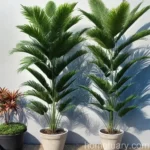
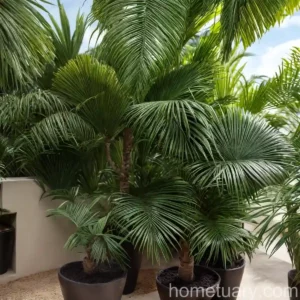
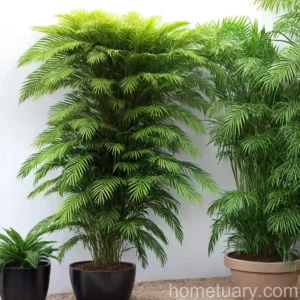
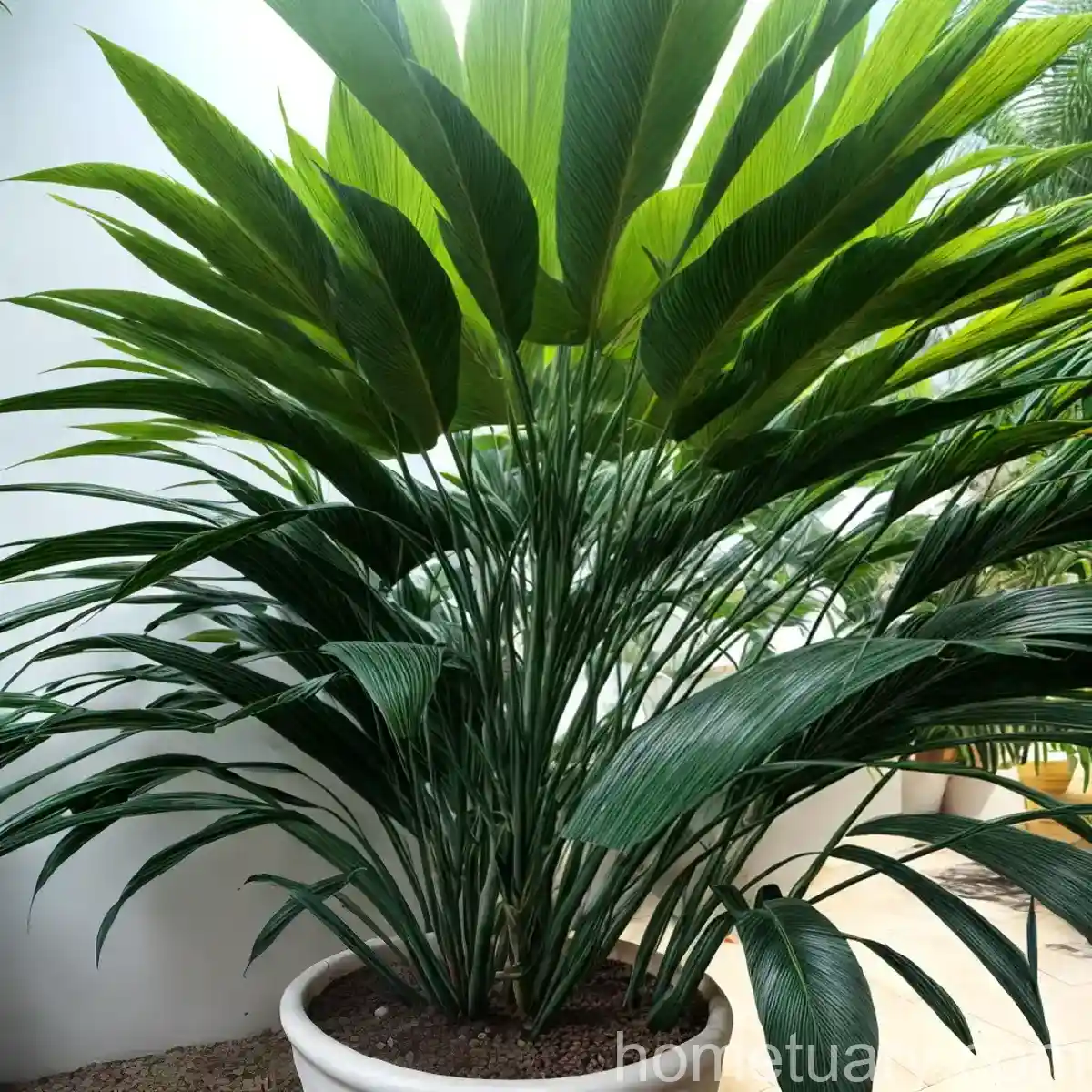
The Broadleaf Lady Palm, scientifically known as Rhapis excelsa, is a perennial palm species characterized by its clustered, fan-shaped leaves and slender, multi-stemmed growth habit. The lush green foliage of Rhapis excelsa comprises broad, glossy leaves with distinct ribbing, giving the plant a graceful and ornamental appearance. The densely packed fronds emanate from the plant’s multiple stems, creating a lush and full-bodied canopy that embodies elegance and sophistication.
Broadleaf Lady Palm Leaf Structure
The leaves of Rhapis excelsa exhibit a palmate or fan-like arrangement, with multiple leaflets attached to a central petiole. Each leaflet is leathery and deeply divided, creating an intricate and visually appealing texture. The foliage of the Broadleaf Lady Palm offers a striking contrast between its dark green leaf coloration and the pale, fibrous sheaths at the base of each leaf.
Growth Habit and Form
The growth habit of Rhapis excelsa is characterized by its clumping nature, with multiple slender stems emerging from the plant’s base. These stems, or canes, contribute to the plant’s fullness and volume, creating a lush and compact form that adds a touch of verdant luxury to any setting. The overall height and spread of the Broadleaf Lady Palm make it an ideal choice for both indoor and outdoor cultivation, providing an exquisite botanical presence while requiring relatively minimal space.
Rhapis excelsa Features
Resilience and Adaptability
One of the defining features of the Broadleaf Lady Palm is its resilience and adaptability to diverse growing conditions. Rhapis excelsa exhibits a remarkable tolerance for low light levels, making it suitable for indoor environments with limited natural light. Additionally, it can thrive in varying temperature ranges, making it well-suited for both tropical and subtropical climates. This adaptability and resilience make Rhapis excelsa a popular choice for interior landscaping and ornamental horticulture.
Aesthetic Appeal and Ornamental Value
The aesthetic allure of the Broadleaf Lady Palm lies in its graceful foliage, which exudes an air of sophistication and refinement. The distinct leaf structure and dense canopy create a visually captivating spectacle, adding a touch of botanical elegance to any space. Whether used as a standalone specimen or as part of a curated plant arrangement, Rhapis excelsa contributes a sense of natural beauty and tranquility to its surroundings, enhancing the visual appeal of interior and exterior landscapes.
Environmental Benefits
Beyond its visual charm, Rhapis excelsa offers notable environmental benefits, particularly in the realm of air purification. As an indoor plant, the Broadleaf Lady Palm has been recognized for its capacity to improve air quality by removing harmful pollutants and toxins, contributing to a healthier indoor environment. This natural air-purifying ability adds a practical dimension to the plant’s decorative value, aligning with contemporary trends in sustainable and health-conscious living.
Broadleaf Lady Palm Care Tips
Caring for the Broadleaf Lady Palm entails attention to several critical aspects of its cultivation and maintenance. To ensure the optimal health and vitality of Rhapis excelsa, it is essential to adhere to specific care guidelines that cater to its unique requirements. From watering practices to light exposure, each facet of care plays a pivotal role in nurturing a thriving and flourishing Broadleaf Lady Palm.
Watering: Finding the Right Balance
Proper watering is a cornerstone of Broadleaf Lady Palm care, as it directly influences the plant’s overall well-being. Rhapis excelsa thrives in consistently moist but well-draining soil, requiring regular watering to maintain adequate moisture levels. However, it is crucial to avoid overwatering, as excessive soil saturation can lead to root rot and other moisture-related issues. To strike the right balance, it is recommended to allow the soil surface to partially dry out between waterings, ensuring that the roots receive ample moisture without being waterlogged.
Sunlight: Embracing Indirect Light
In its natural habitat, the Broadleaf Lady Palm grows beneath the forest canopy, where it receives filtered, indirect sunlight. This characteristic makes Rhapis excelsa well-suited for indoor environments with subdued light, thriving in settings with limited direct sun exposure. When grown outdoors, it fares well in shaded or partially shaded areas, sheltered from intense sunlight. Ensuring adequate light without excessive exposure to direct sun rays is essential for maintaining the health and vibrancy of the Broadleaf Lady Palm’s foliage.
Fertilizer: Providing Nutrient Support
Fertilization plays a crucial role in fortifying the growth and vigor of Rhapis excelsa, supplying essential nutrients that bolster its resilience and vitality. A balanced, slow-release fertilizer formulated for palms and other tropical plants can provide the necessary nourishment for the Broadleaf Lady Palm, supporting steady growth and robust foliage development. During the growing season, applying fertilizer at regular intervals according to the manufacturer’s instructions can help sustain the plant’s nutritional needs, promoting lush frond growth and overall health.
Soil: Choosing the Right Medium
The choice of soil for Rhapis excelsa is a pivotal consideration in its care regimen, as it directly impacts the plant’s root health and nutrient uptake. A well-draining, moisture-retentive potting mix with a slightly acidic to neutral pH range is ideal for the Broadleaf Lady Palm. This type of soil composition facilitates adequate aeration and moisture retention while preventing waterlogging, creating a favorable root environment for Rhapis excelsa’s growth and stability.
Pruning: Maintaining Aesthetic Integrity
Pruning is an essential aspect of Broadleaf Lady Palm care, enabling the maintenance of the plant’s shape, form, and overall aesthetic appeal. Regular removal of yellowed or damaged fronds helps to promote a tidy and visually pleasing appearance, while also enhancing air circulation within the plant’s canopy. When pruning Rhapis excelsa, it is vital to use clean, sharp tools to minimize the risk of injury or infection, and to exercise care in removing fronds to avoid unnecessary stress on the plant.
Propagation: Multiplying Botanical Beauty
Propagation offers an opportunity to multiply the presence of the Broadleaf Lady Palm, whether for personal enjoyment or horticultural purposes. Rhapis excelsa can be propagated through division, where the plant’s clumps are carefully separated and replanted to establish new individuals. Division is best performed during the spring, ensuring that the divided portions have ample time to establish themselves and acclimate to their new growing conditions.
Container Cultivation: Embracing Versatility
The Broadleaf Lady Palm thrives in container culture, making it an excellent choice for interior landscapes, patio gardens, and urban green spaces. When grown in containers, Rhapis excelsa offers mobility and flexibility, allowing it to grace various settings with its verdant presence. Selecting well-draining pots or containers of appropriate size, along with regular monitoring of soil moisture and plant growth, ensures successful container cultivation of the Broadleaf Lady Palm.
Rhapis excelsa Plants for Sale
As the demand for ornamental plants continues to flourish, the availability of Rhapis excelsa for sale has expanded to cater to diverse horticultural preferences and landscaping needs. Nurseries, garden centers, online plant retailers, and botanical gardens are among the venues where enthusiasts and collectors can acquire specimens of the Broadleaf Lady Palm. Whether seeking a single Rhapis excelsa for personal enjoyment or sourcing multiple plants for commercial or landscape design projects, the accessibility and availability of Rhapis excelsa plants make it an appealing option for horticultural ventures.
Broadleaf Lady Palm Varieties
Within the species of Rhapis excelsa, several cultivars and variations showcase a range of unique traits and aesthetic qualities. These varieties offer diverse leaf forms, growth habits, and color variations, presenting horticultural enthusiasts and collectors with an array of options to suit their preferences and design visions. From compact, dwarf cultivars to broad-leaved or variegated selections, the variety within the Broadleaf Lady Palm species adds richness and diversity to its appeal, enabling a nuanced exploration of its botanical diversity.
How to Propagate Rhapis excelsa
The propagation of Rhapis excelsa predominantly involves the division of clumps to establish new plants. Division can be executed during the plant’s active growth phase, typically in the spring, to promote successful establishment and growth of the divided portions. By carefully separating the canes and root rhizomes and replanting them in suitable growing conditions, the process of propagation allows for the expansion of the Broadleaf Lady Palm’s presence within horticultural settings, creating opportunities for both personal enjoyment and commercial utilization.
Broadleaf Lady Palm Benefits
The advantages and benefits of cultivating Rhapis excelsa extend beyond its ornamental allure, encompassing both environmental and well-being aspects. The Broadleaf Lady Palm offers a range of benefits that contribute to its desirability as a plant for interior and exterior landscapes, enriching living spaces and urban environments alike.
Environmental Enrichment
One of the prominent benefits of the Broadleaf Lady Palm lies in its capacity to enhance the environmental quality of its surroundings. As a natural air purifier, Rhapis excelsa contributes to the removal of airborne pollutants and toxins, thereby improving indoor air quality and fostering a healthier living environment. Its air-purifying abilities align with contemporary trends in sustainable living and environmental consciousness, making it a valuable addition to interior landscapes and urban green spaces.
Aesthetic Enhancement
The visual aesthetic of Rhapis excelsa adds a dimension of natural beauty and tranquility to various settings, from residential interiors to commercial establishments and public spaces. The lush, fan-shaped foliage and gracefully arching canes of the Broadleaf Lady Palm create an ambience of elegance and serenity, enhancing the visual appeal and ambiance of the spaces it inhabits. Its aesthetic value as an ornamental plant aligns with principles of interior design, landscaping, and horticultural decor, contributing to the creation of visually captivating and inviting environments.
Health and Well-Being
In addition to its environmental benefits, the presence of Rhapis excelsa can positively impact human health and well-being. Studies have shown that exposure to indoor plants, including the Broadleaf Lady Palm, can reduce stress, enhance mood, and contribute to a sense of well-being. The greenery and natural elements provided by Rhapis excelsa create a restorative and calming effect, elevating the livability and comfort of interior spaces. This intrinsic value makes the Broadleaf Lady Palm a beneficial companion for promoting healthful and harmonious living environments.
Rhapis excelsa Light Requirements
Understanding the lighting requirements of Rhapis excelsa is crucial for creating optimum growing conditions and sustaining the plant’s well-being. The Broadleaf Lady Palm exhibits a preference for indirect, diffused light, making it well-suited for indoor cultivation in spaces with subdued natural light. When grown outdoors, it thrives in shaded or partially shaded areas, sheltered from intense, direct sunlight. Striking a balance between adequate light and avoidance of prolonged sun exposure is essential for preserving the health and vitality of the Broadleaf Lady Palm’s luxuriant foliage.
Broadleaf Lady Palm Watering Needs
Maintaining appropriate watering practices is integral to fulfilling the moisture requirements of Rhapis excelsa and supporting its overall growth and vitality. The Broadleaf Lady Palm thrives in consistently moist but well-draining soil, necessitating regular watering to sustain optimal moisture levels. However, it is crucial to prevent waterlogging and avoid overwatering, as excessive soil saturation can lead to root rot and other moisture-related issues. Striking a harmonious balance in watering frequency and soil moisture is imperative for ensuring the health and vigor of the Broadleaf Lady Palm.
Rhapis excelsa Soil Requirements
The choice of soil medium plays a critical role in providing a suitable growth environment for Rhapis excelsa, influencing its root health and nutrient uptake. A well-draining, moisture-retentive potting mix with a slightly acidic to neutral pH range is ideal for the Broadleaf Lady Palm, offering sufficient aeration and moisture retention while preventing waterlogged conditions. This type of soil composition creates a conducive environment for the roots, allowing Rhapis excelsa to thrive and flourish within an optimal growing medium.
Broadleaf Lady Palm Temperature Tolerance
Understanding the temperature preferences and tolerances of Rhapis excelsa is essential for ensuring its comfort and well-being in varying climatic conditions. The Broadleaf Lady Palm exhibits a preference for temperatures within the range of 60-80°F (15-27°C), thriving in mild to warm climates. It can tolerate occasional fluctuations and deviations from these temperatures, making it adaptable to indoor and outdoor environments with varying seasonal conditions. Providing a stable, temperate setting ensures the sustained health and vigor of the Broadleaf Lady Palm throughout the year.
Rhapis excelsa Pest Control
Effective pest control measures are crucial for safeguarding the Broadleaf Lady Palm from potential infestations and protecting its foliage from damage. While Rhapis excelsa is relatively resistant to pests, occasional encounters with spider mites, scale insects, or mealybugs may occur. Monitoring the plant for signs of pests, implementing preventive measures such as regular cleaning of foliage