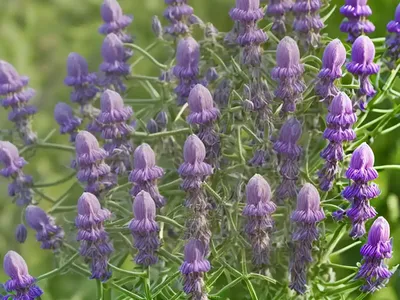
Broad-leaved Sweet Pea (Lathyrus Latifolius)
In the world of ornamental gardening, the broad-leaved sweet pea (Lathyrus latifolius) holds a special place. With its delicate pastel-colored flowers.
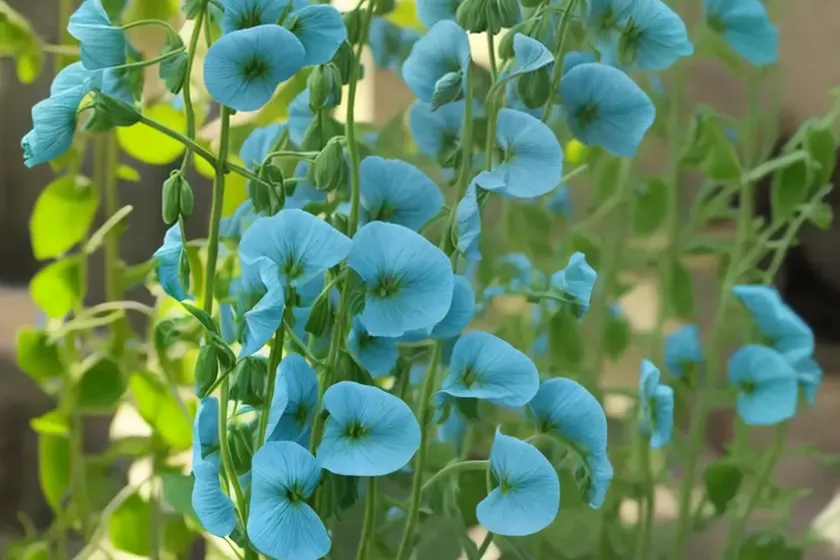
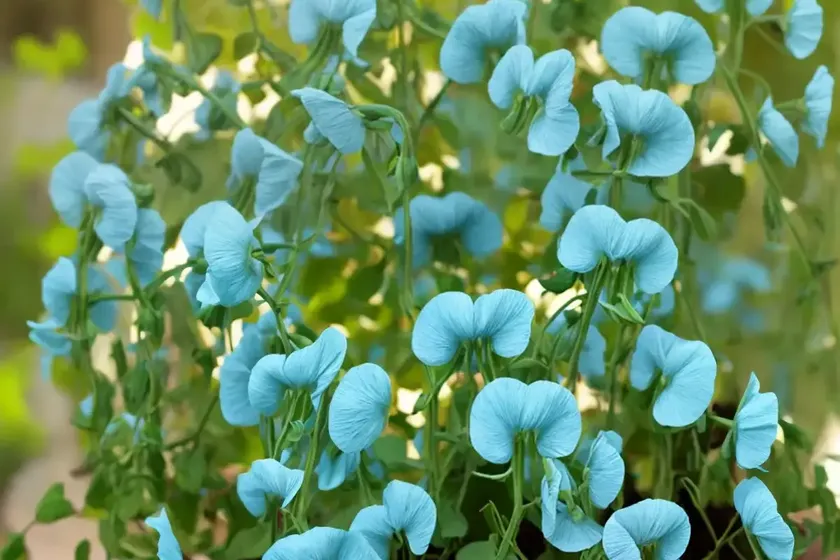
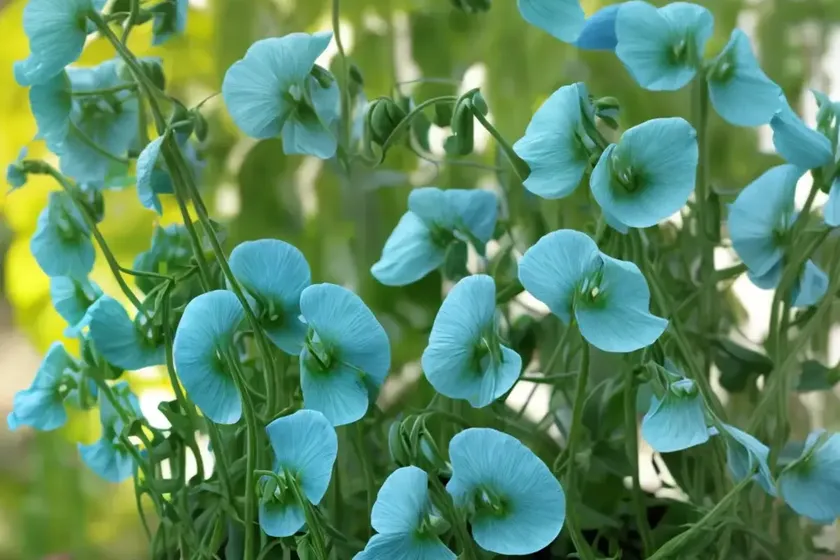
In the world of ornamental gardening, the broad-leaved sweet pea (Lathyrus latifolius) holds a special place. With its delicate pastel-colored flowers, sweet fragrance, and elegant vines, this plant is a favorite choice for many garden enthusiasts. In this comprehensive guide, we will delve into the various aspects of this enchanting plant, from its cultivation and care to its uses and symbolic significance.
What is Lathyrus latifolius (Broad-leaved sweet pea)?
Lathyrus latifolius, commonly known as the broad-leaved sweet pea, is a perennial flowering plant that belongs to the Fabaceae family. It is native to Europe and Western Asia and is renowned for its charming clusters of sweet-scented, butterfly-shaped flowers that bloom in a range of soft hues, including shades of pink, lavender, and white. The plant is characterized by its twining, vine-like stems and typically reaches heights of 4 to 6 feet, making it an ideal choice for trellises, fences, and other vertical supports in the garden.
Lathyrus latifolius is a low-maintenance plant that thrives in a variety of growing conditions, making it a popular choice for both amateur and seasoned gardeners. Its romantic, old-fashioned appeal and graceful demeanor have earned it a special place in cottage gardens, along with its ability to attract butterflies and other pollinators, adding to its allure.
Key Takeaways – Broad-leaved sweet pea (Lathyrus latifolius)
Let’s dive into some key takeaways about the broad-leaved sweet pea, focusing on its culture, uses, water requirements, sunlight preferences, fertilization needs, soil preferences, pruning techniques, propagation methods, container gardening suitability, popularity, common diseases, pest management, and fun facts about this charming plant.
Culture
Cultivating Lathyrus latifolius is relatively straightforward, and it thrives in various settings, from formal gardens to more natural, wilder landscapes. With its sprawling vines and delicate blossoms, it adds a touch of wild elegance to any setting.
Uses
From adorning garden trellises to serving as cut flowers in arrangements, broad-leaved sweet peas have versatile uses. Their enchanting fragrance and delicate appearance make them popular choices for both outdoor and indoor floral arrangements.
Water
Proper watering is crucial for the health and vitality of Lathyrus latifolius. Understanding its water requirements is essential for ensuring beautiful blooms and robust growth.
Sunlight
Like many flowering plants, broad-leaved sweet peas have specific sunlight preferences. Understanding their needs for sunlight exposure is key to their successful cultivation.
Fertilizer
Fertilization plays a pivotal role in promoting healthy growth and prolific flowering in Lathyrus latifolius. Knowing the right fertilization strategies is essential for maximizing its ornamental appeal.
Soil
The right soil conditions provide the foundation for thriving sweet pea plants. Understanding their soil preferences is crucial for establishing and maintaining a healthy garden.
Pruning
Pruning is an essential maintenance practice for broad-leaved sweet peas, helping to encourage better flowering and overall plant health.
Propagation
Learning about propagation methods can enable gardeners to expand their sweet pea collection and share the beauty of these enchanting plants with others.
Container Popularity
The suitability of broad-leaved sweet peas for container gardening opens up new possibilities for cultivating these lovely plants in various settings.
Container Common Diseases
Understanding common diseases associated with container cultivation is vital for maintaining the health and vigor of sweet pea plants grown in pots.
Disease Diagnosis
Recognizing the signs of diseases affecting sweet peas is crucial for implementing effective disease management strategies.
Common Pests
Like any garden plant, Lathyrus latifolius is susceptible to pests. Knowing about common pests and their management is essential for preserving the health of the plants.
Botanist’s Tips
Insights and tips from botanists can offer valuable guidance on how to best care for and appreciate the beauty of broad-leaved sweet peas.
Fun Facts
Discovering interesting and lesser-known facts about Lathyrus latifolius can deepen one’s appreciation for this captivating plant.
Links to External Resources
To further expand knowledge about broad-leaved sweet peas, external resources provide valuable information and insights on their cultivation and care.
With these key takeaways in mind, we will explore the nuances of growing and caring for the broad-leaved sweet pea, delving into the intricacies of its cultivation, common challenges, and the sheer delight it brings to gardens around the world.
Lathyrus latifolius: Cultivating Elegance in the Garden
Cultivating Lathyrus latifolius is a rewarding endeavor, as it brings a touch of natural elegance to any outdoor space. Understanding the nuanced requirements and preferences of this delightful plant is essential for nurturing healthy growth and abundant flowering. Let’s explore the various facets of growing broad-leaved sweet peas, from understanding their water and sunlight preferences to learning about the best practices for fertilization and soil management.
Water Requirements
Lathyrus latifolius exhibits moderate water needs. While the plant does require consistent moisture, it is important to ensure that the soil has good drainage, as waterlogged conditions can lead to root rot and other issues. In regions with hot, dry summers, regular watering is essential to promote healthy growth and flowering throughout the growing season. Providing approximately 1 inch of water per week, either through rainfall or irrigation, generally meets the plant’s moisture needs. However, adjustments may be required based on local climate conditions and soil characteristics.
Sunlight Preferences
Broad-leaved sweet peas thrive in full sun to partial shade. While they appreciate ample sunlight for robust growth and profuse flowering, they can also tolerate some shade, particularly in regions with intense summer heat. When grown in hotter climates, providing afternoon shade can help prevent excessive wilting and sun damage to the delicate blossoms. Understanding the balance between sunlight and shade is crucial for creating an optimal growing environment for Lathyrus latifolius.
Fertilization Practices
Fertilizing broad-leaved sweet peas is essential for supporting healthy growth and prolific flowering. A balanced, all-purpose fertilizer applied in early spring before the onset of heavy flowering can provide the necessary nutrients to promote vigorous plant development and abundant blooms. Additionally, a light application of fertilizer in midsummer can help sustain the plant’s energy reserves and encourage continued flowering. Selecting a fertilizer with a higher phosphorus content can further enhance flowering performance.
Soil Preferences
The ideal soil for cultivating Lathyrus latifolius is well-draining and rich in organic matter. A loamy soil composition with a slightly acidic to neutral pH range is well-suited for the plant. Amending the soil with organic compost or well-rotted manure before planting can improve its structure and fertility, providing an excellent foundation for the growth of healthy, vibrant sweet pea plants. Additionally, incorporating a layer of mulch around the base of the plants can help conserve soil moisture and suppress weed growth.
Pruning Techniques
Pruning plays a vital role in shaping the growth of broad-leaved sweet peas and promoting abundant flowering. Regular deadheading of spent blossoms not only maintains the plant’s tidy appearance but also encourages the production of new flower buds, prolonging the blooming period. Furthermore, removing any diseased or damaged stems and foliage helps prevent the spread of diseases and contributes to overall plant health. Pruning activities are best performed during the growing season to maintain the plant’s vigor and beauty.
Propagation Methods
Expanding a collection of broad-leaved sweet peas can be achieved through various propagation methods such as seed sowing and division. Collecting mature seeds from the plants for sowing in the following spring allows gardeners to propagate new generations of sweet peas with traits similar to the parent plants. Additionally, dividing established clumps of Lathyrus latifolius in early spring enables gardeners to create new plantings and enhance the visual impact of these charming flowering vines.
Sweet Pea Delights in Containers
The versatility of Lathyrus latifolius extends to its suitability for container gardening, allowing plant enthusiasts to enjoy its beauty in diverse settings, such as balconies, patios, and urban landscapes. Understanding the unique considerations for cultivating broad-leaved sweet peas in containers is essential for ensuring their optimal growth and ornamental appeal.
Container Gardening Tips
When selecting containers for growing Lathyrus latifolius, choosing ones with sufficient depth and excellent drainage is paramount. An ideal container should allow for robust root development and prevent waterlogging, promoting healthy growth. It is advisable to use a high-quality, well-draining potting mix formulated for flowering plants, providing the necessary nutrients and aeration for the sweet pea’s root system. Additionally, positioning the containers in areas that receive ample sunlight while offering protection from strong winds can create an ideal growing environment for container-grown broad-leaved sweet peas.
Watering Considerations
Container-grown Lathyrus latifolius may have different water requirements compared to those grown directly in the ground. The limited soil volume in containers necessitates regular monitoring of soil moisture levels, as they can dry out more quickly than garden beds. Providing adequate water without overwatering is essential for sustaining the health and vigor of sweet pea plants in containers. Mulching the soil surface can help conserve moisture and regulate soil temperature, contributing to a conducive growing environment.
Fertilization Practices for Containers
In the confined environment of containers, providing the necessary nutrients through regular fertilization is crucial for sustaining the growth and flowering of Lathyrus latifolius. Using a balanced, water-soluble fertilizer designed for flowering plants at a dilute concentration every two to four weeks during the growing season can ensure the plants receive the essential nourishment for healthy development. Adjusting the fertilizer application frequency based on the specific needs of the sweet pea plants and the characteristics of the potting mix promotes optimal growth and abundant blooms.
Support for Container-Grown Sweet Peas
As Lathyrus latifolius grows, providing adequate support for its climbing vines in containers is essential for ensuring proper growth and preventing damage to the plants. Sturdy trellises, stakes, or other suitable support structures can help guide the plant’s growth, creating an attractive vertical display and allowing the vines to flourish without becoming tangled or weighed down. Regularly tying the plant’s stems to the supporting structure can encourage upward growth and enhance the overall aesthetic appeal of container-grown broad-leaved sweet peas.
Popularity and Symbolic Significance
Broad-leaved sweet peas have captivated the hearts of gardeners and flower enthusiasts around the world, earning a special place in the realm of ornamental horticulture. Their enduring popularity is a testament to their timeless beauty, aromatic allure, and versatility in various garden settings. Furthermore, these enchanting plants hold symbolic significance, adding an extra layer of meaning to their floral charm.
Popularity in Gardens
Lathyrus latifolius is prized for its delicate blossoms, fragrant blooms, and charming vine-like growth habit, making it a beloved choice for floral displays in gardens, parks, and landscapes. The exquisite pastel-colored flowers and graceful tendrils of the broad-leaved sweet pea have an enduring appeal, attracting admirers and gardeners seeking to infuse their outdoor spaces with natural elegance and fragrance.
Symbolism of Sweet Peas
Sweet peas, including the broad-leaved variety, carry symbolic significance in various cultures and traditions. These flowers are commonly associated with sentiments of gratitude, delicate pleasure, and blissful memories. Their alluring fragrance and dainty appearance evoke emotions of appreciation, making them popular choices for bouquets, floral arrangements, and symbolic gestures of affection.
Common Challenges: Diseases and Pest Management
While cultivating Lathyrus latifolius is generally straightforward, these charming plants are susceptible to certain diseases and pest infestations that can hinder their growth and diminish their ornamental value. Identifying common challenges such as diseases and pests and implementing effective management strategies is crucial for maintaining the health and vitality of broad-leaved sweet peas.
Common Diseases
Lathyrus latifolius can be affected by several common diseases, including powdery mildew, root rot, and leaf spot diseases. Powdery mildew, characterized by a white, powdery growth on the plant’s foliage, can occur in humid conditions and requires proper airflow and ventilation for prevention. Additionally, maintaining good soil drainage and refraining from overwatering helps prevent root rot, while diligent inspection and early intervention assist in managing leaf spot diseases.
Disease Diagnosis and Management
Diagnosing and managing diseases affecting broad-leaved sweet peas rely on prompt identification and implementation of appropriate control measures. Regular monitoring of the plants for any signs of disease, such as discolored or distorted foliage, wilting, or unusual growth patterns, enables early intervention and prevents the spread of diseases. When necessary, applying targeted fungicidal treatments and addressing underlying environmental factors can help manage and mitigate the impact of diseases on Lathyrus latifolius.
Common Pests
Several pests can pose a threat to the health and appearance of Lathyrus latifolius, including aphids, spider mites, and caterpillars. These pests can cause damage to the plant’s foliage and inhibit its growth and flowering if left unchecked. Regular inspection of the sweet pea plants for the presence of pests and their characteristic feeding damage is essential for early detection and effective pest management.
Pest Control Strategies
Implementing integrated pest management strategies is vital for controlling common pests and preserving the health of Lathyrus latifolius. These strategies may include physical removal of pests, such as handpicking caterpillars, as well as applying targeted insecticidal treatments when necessary. Encouraging natural predators of garden pests, such as ladybugs and lacewings, can also contribute to the biological control of pest populations, reducing the need for chemical interventions and promoting a balanced garden ecosystem.
Botanist’s Insights and Fun Facts
Gaining insights from botanists and discovering intriguing facts about Lathyrus latifolius can deepen one’s appreciation for this captivating plant. Botanists offer valuable expertise and knowledge on the cultivation, care, and botanical aspects of broad-leaved sweet peas, enriching the gardening experience and fostering a deeper understanding of these charming plants.
Botanist’s Tips
Seasoned botanists can provide valuable tips and recommendations on cultivating and caring for Lathyrus latifolius, drawing from their expertise and research in the field of plant science. Their insights on topics such as soil management, pruning techniques, and ideal growing conditions offer practical guidance for gardeners seeking to maximize the ornamental potential of broad-leaved sweet peas.
Fun Facts about Lathyrus latifolius
Delving into intriguing and lesser-known facts about Lathyrus latifolius can unveil the unique characteristics and cultural significance of these enchanting plants. From their historical uses to their diverse color variations, sweet peas harbor a wealth of fascinating facts that add depth and interest to their allure, enriching the experience of cultivating and admiring these beloved garden favorites.
External Resources for Enriching Knowledge
Exploring external resources, including reputable websites, books, and botanical databases, can expand one’s knowledge and understanding of Lathyrus latifolius. These resources offer in-depth information on topics ranging from horticultural practices and botanical descriptions to cultural significances and historical uses, providing valuable insights for plant enthusiasts, gardeners, and flower aficionados.
Websites
Reputable websites dedicated to horticulture, botanical science, and ornamental gardening often feature comprehensive articles, plant profiles, and cultivation guides for Lathyrus latifolius. These online resources serve as valuable hubs of information, offering practical tips, gardening advice, and visual inspiration for those seeking to deepen their knowledge of broad-leaved sweet peas.
Books and Publications
Botanical literature, gardening books, and specialized publications related to ornamental plants and flowers frequently include detailed accounts of Lathyrus latifolius, covering aspects such as its natural history, cultivation techniques, and aesthetic value. Exploring these printed resources can provide a wealth of knowledge and insights on the cultural, ecological, and horticultural dimensions of broad-leaved sweet peas.
Botanical Databases and Journals
Botanical databases and scientific journals offer a wealth of botanical information, research findings, and taxonomic descriptions related to Lathyrus latifolius and other plant species. Accessing these authoritative sources can enrich one’s understanding of the botanical attributes, ecological roles, and evolutionary significance of sweet peas, fostering a deeper appreciation for these captivating flowering plants.
In conclusion, Lathyrus latifolius with its charming blossoms, elegant growth habit, and rich botanical legacy, enriches gardens and landscapes, captivating the hearts of plant enthusiasts and gardeners worldwide. Understanding the nuanced aspects of its cultivation, care, and symbolic significance enhances the experience of nurturing and admiring this timeless garden favorite.
As we continue to explore the diverse facets of horticulture and ornamental gardening, broad-leaved sweet peas stand as enduring symbols of natural beauty, charming grace, and timeless allure, finding a cherished place in gardens and hearts for generations to come.
Keywords: Lathyrus latifolius plant, Broad-leaved sweet pea varieties, Growing Lathyrus latifolius, Sweet pea flower guide, Lathyrus latifolius care tips, Broad-leaved sweet pea cultivation, Beautiful flowers of Lathyrus latifolius, How to grow Broad-leaved sweet pea, Lathyrus latifolius gardening tips, Sweet pea plant information, Broad-leaved sweet pea species, Lathyrus latifolius planting guide, Sweet pea plant care, Broad-leaved sweet pea landscaping, Lathyrus latifolius flower colors, Tips for growing sweet pea plants, Broad-leaved sweet pea facts, Lathyrus latifolius gardening ideas, Sweet pea vine varieties, Broad-leaved sweet pea symbolism, Lathyrus latifolius growing season, Sweet pea plant maintenance, Broad-leaved sweet pea trellis support, Lathyrus latifolius pest control, Sweet pea plant diseases, Broad-leaved sweet pea transplanting tips, Lathyrus latifolius companion plants, Sweet pea plant propagation, Broad-leaved sweet pea water requirements, Lathyrus latifolius container gardening, Sweet pea plant trimming techniques, Broad-leaved sweet pea flower arrangements, Lathyrus latifolius sun and soil preferences, Sweet pea plant fertilizer recommendations, Broad-leaved sweet pea cutting and pruning, Lathyrus latifolius medicinal uses, Sweet pea plant fragrant varieties, Broad-leaved sweet pea pollination methods, Lathyrus latifolius decorative uses, Sweet pea plant winter care, Broad-leaved sweet pea indoor cultivation, Lathyrus latifolius pruning techniques, Sweet pea plant seed germination, Broad-leaved sweet pea centerpiece ideas, Lathyrus latifolius flower arrangements, Sweet pea plant climbing structures, Broad-leaved sweet pea soil pH requirements, Lathyrus latifolius garden design, Sweet pea plant trellis ideas, and Broad-leaved sweet pea natural habitat.
To learn more about L