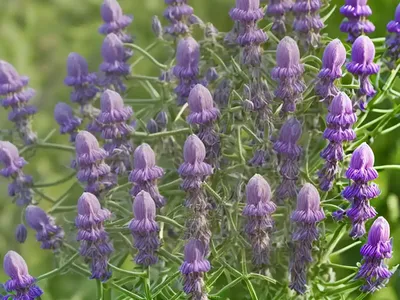
Brazilian Rain Tree (Pithecellobium Tortum)
Plants play a crucial role in the ecosystem, providing oxygen, food, and habitats for various organisms. They are also known for their aesthetic value.

Introduction
Plants play a crucial role in the ecosystem, providing oxygen, food, and habitats for various organisms. They are also known for their aesthetic value, contributing to the beauty of our environment. In this blog post, we will explore the Brazilian rain tree (Pithecellobium tortum), a unique and fascinating plant species. From its cultural significance and uses to its specific care requirements, we will delve into all aspects of nurturing and maintaining this plant.
What is the Brazilian Rain Tree (Pithecellobium Tortum)?
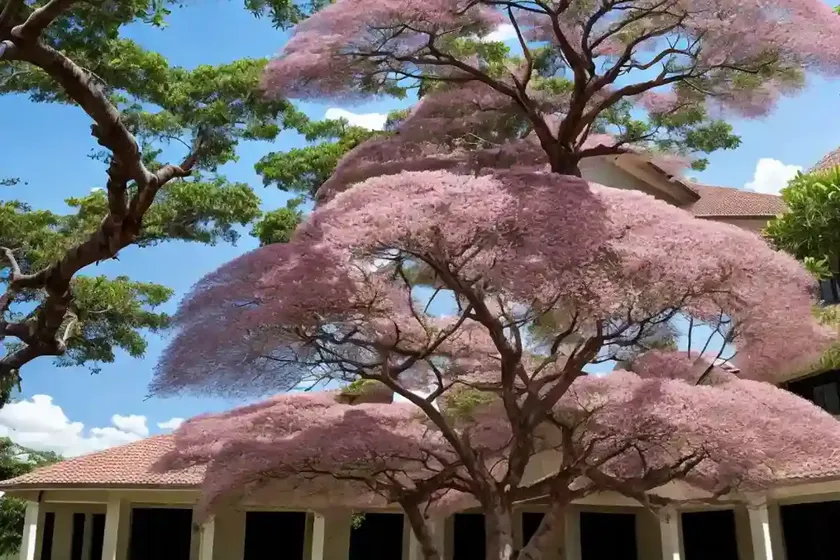
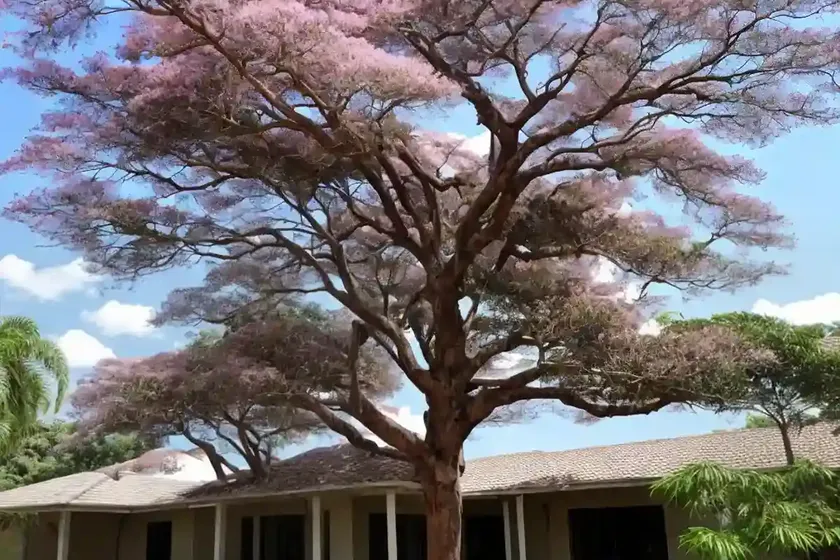
The Brazilian rain tree, scientifically known as Pithecellobium tortum, is a species of flowering plant in the pea family, Fabaceae. This tree is native to the tropical regions of South and Central America, where it thrives in the warm and humid conditions of rainforests. It is renowned for its distinctive umbrella-shaped canopy and delicate, fern-like foliage, making it a popular choice for ornamental gardening.
Key Takeaways – Brazilian Rain Tree (Pithecellobium Tortum)
Before we delve deeper into the specifics of caring for the Brazilian rain tree, let’s summarize some key takeaways about this fascinating plant:
- Scientific Name: Pithecellobium tortum
- Family: Fabaceae
- Native Habitat: South and Central America
- Common Names: Brazilian Rain Tree, Brazilian Fern Tree, Corkwood, Jabuticaba-De-Bicho
- Growth Habit: Small to medium-sized tree with a broad, umbrella-shaped canopy
- Foliage: Delicate, fern-like leaves with a unique and attractive appearance
Now, let’s explore the various aspects of caring for the Brazilian rain tree, including its culture, uses, and specific care requirements.
Culture
Understanding the cultural significance and uses of the Brazilian rain tree is essential for appreciating its value and integrating it into our landscapes effectively.
Uses
The Brazilian rain tree serves multiple purposes, making it a versatile and valuable addition to gardens and landscapes. Some of its primary uses include:
- Ornamental Planting: The elegant, umbrella-shaped canopy and delicate foliage make the Brazilian rain tree a sought-after ornamental plant. It is widely used in landscaping to provide shade and aesthetic appeal in gardens, parks, and public spaces.
- Bonsai Cultivation: Due to its small to medium-sized growth habit and attractive foliage, the Brazilian rain tree is popular among bonsai enthusiasts. Its intricate branching pattern and responsiveness to pruning make it an ideal candidate for bonsai cultivation.
- Timber Production: In its native range, the wood of the Brazilian rain tree is utilized for various purposes, including construction, carpentry, and furniture making. Its durable and termite-resistant wood makes it a valuable resource in local communities.
Care Requirements
To ensure the health and vitality of the Brazilian rain tree, it is essential to provide the appropriate care in terms of water, sunlight, fertilizer, soil, and pruning. Let’s explore each of these aspects in detail.
Water
Establishing an effective watering routine is vital for the Brazilian rain tree, especially during its establishment and growth phases. While this species is adapted to the moist conditions of its native rainforest habitat, it is crucial to strike a balance and avoid waterlogging to prevent root rot.
Brazilian Rain Tree Watering Requirements:
– Frequency: Water the tree thoroughly when the top inch of the soil feels dry to the touch. During the growing season, a weekly watering schedule is generally sufficient, but adjust the frequency based on the local climate and soil conditions.
– Moisture Level: Ensure that the soil is consistently moist but not waterlogged. Use well-draining soil to prevent water from pooling around the roots.
Sunlight
As a tropical species, the Brazilian rain tree thrives in bright, indirect sunlight. While it can tolerate some direct sun exposure, especially in the morning or late afternoon, it is essential to protect it from intense midday sun to prevent leaf scorching.
Pithecellobium Tortum Light Requirements:
– Location: Place the tree in a spot that receives partial sun to dappled shade throughout the day. This could be beneath larger trees or in a location with filtered sunlight.
– Indoor Placement: If grown indoors, ensure that the tree receives ample indirect sunlight through a south- or west-facing window.
Fertilizer
Proper fertilization provides the essential nutrients for the Brazilian rain tree to maintain healthy growth and vibrant foliage. A balanced fertilizer formulated for woody plants can support the tree’s overall health and vitality.
Pithecellobium Tortum Fertilizing Needs:
– Schedule: Apply a balanced, slow-release fertilizer in early spring as new growth begins. Reapply the fertilizer according to the manufacturer’s instructions throughout the growing season.
– Nutrient Balance: Look for a fertilizer with a balanced NPK ratio (nitrogen, phosphorus, potassium) to support foliage growth, root development, and overall plant vigor.
Soil
The choice of soil can significantly impact the health and growth of the Brazilian rain tree. Well-draining, moisture-retentive, and nutrient-rich soil is ideal for this species, mimicking the conditions of its native rainforest habitat.
Brazilian Rain Tree Soil Preferences:
– Composition: Use a well-draining potting mix or soil blend rich in organic matter, such as peat moss, compost, and perlite.
– Acidity: The Brazilian rain tree prefers slightly acidic to neutral soil with a pH range of 6.0 to 7.0. Conduct soil tests if necessary to adjust the pH accordingly.
Pruning
Regular pruning is essential for shaping the growth of the Brazilian rain tree, promoting structural integrity, and maintaining an attractive form. Additionally, proper pruning can help control the tree’s size, especially when grown in containers or small garden spaces.
Pithecellobium Tortum Pruning Techniques:
– Maintenance Pruning: Remove dead, diseased, or crossing branches to promote airflow and reduce the risk of pests and diseases.
– Size Control: Trim back excessive growth to maintain the desired size and shape of the tree. In the case of bonsai cultivation, pruning is a critical aspect of shaping the tree’s overall appearance.
Propagation
Propagation allows for the multiplication of Brazilian rain trees, enabling gardeners and enthusiasts to expand their collection or share this unique species with others. It is essential to explore the most effective propagation methods for successful reproduction.
Propagation Methods
Brazilian rain trees can be propagated through various methods, including seeds, cuttings, and air layering. Each approach offers distinct advantages and challenges, and understanding the requirements of each method is essential for successful propagation.
Pithecellobium Tortum Propagation Techniques:
– Seed Propagation: Sow fresh seeds in a well-draining seed-starting mix and maintain a warm, humid environment to encourage germination. It may take several weeks for the seeds to sprout, so patience is key when propagating from seed.
– Cutting Propagation: Take semi-hardwood cuttings with at least two nodes and remove the lower leaves. Dip the cut end in a rooting hormone and place the cutting in a well-draining rooting medium. Provide bottom heat and humidity to support root development.
Container Popularity
The Brazilian rain tree’s versatility and small to medium-sized growth habit make it well-suited for container cultivation. This characteristic enables enthusiasts and urban gardeners to enjoy the beauty of this species even in limited garden spaces.
Pithecellobium Tortum Container Cultivation:
– Potted Growth: Choose a spacious container with adequate drainage holes to accommodate the tree’s root system and promote healthy growth.
– Indoor Gardening: Growing the Brazilian rain tree in containers allows for indoor cultivation, providing an opportunity to enjoy its beauty year-round, regardless of the outdoor climate.
– Bonsai Potential: The Brazilian rain tree’s responsiveness to pruning and its intricate foliage make it a popular choice for bonsai enthusiasts, showcasing its adaptability to container cultivation.
Common Diseases and Pests
Like all plants, the Brazilian rain tree is susceptible to certain diseases and pests. Understanding the common issues that can affect this species is essential for early detection and appropriate management.
Disease Diagnosis
The Brazilian rain tree may encounter various fungal, bacterial, and viral diseases, affecting its foliage, stems, and overall health. Identifying and addressing these diseases promptly is crucial for the tree’s long-term well-being.
Brazilian Rain Tree Disease Identification:
– Leaf Spot: Fungal diseases such as anthracnose and cercospora can cause dark, irregularly shaped spots on the leaves, leading to defoliation and reduced vigor.
– Root Rot: Prolonged soil moisture and poor drainage can lead to root rot, causing yellowing and wilting of the foliage and eventual decline of the tree’s health.
– Powdery Mildew: A white, powdery fungal growth on the leaves indicates the presence of powdery mildew, which can affect the tree’s photosynthetic capacity.
Common Pests
Insects and mites can also pose a threat to the Brazilian rain tree, feeding on its foliage, stems, and sap. Monitoring the tree for signs of pest infestation is crucial for implementing timely control measures.
Pithecellobium Tortum Pest Control:
– Aphids: These small, sap-sucking insects can cluster on the undersides of the leaves, causing distortion and discoloration of the foliage. Insecticidal soaps or neem oil can effectively manage aphid infestations.
– Scale Insects: Scale insects appear as raised, waxy bumps on the stems and foliage, sucking sap from the plant. Prune and dispose of heavily infested branches and use horticultural oil to control scale populations.
Botanist’s Tips
As a plant scientist, I always emphasize the importance of observing and understanding the specific needs of plants. When it comes to cultivating the Brazilian rain tree, consider the following botanist’s tips for successful growth and long-term care:
- Observation: Pay close attention to the tree’s growth habits, foliage color, and overall appearance to detect any signs of stress, disease, or nutrient deficiencies early on.
- Soil Maintenance: Regularly check the soil moisture level and ensure that the soil remains consistently moist but well-drained. Adjust watering frequency based on seasonal changes and environmental conditions.
- Pruning Best Practices: Use clean, sharp pruning tools to make precise cuts and minimize the risk of damage or infection. Consider the tree’s natural growth pattern and aim to maintain its graceful form during pruning.
Fun Facts
To further appreciate the beauty and uniqueness of the Brazilian rain tree, here are some fun facts about this remarkable species:
- The Brazilian rain tree is known for its rapid leaf movement, as the leaflets fold together when touched or in response to environmental stimuli.
- In its native habitat, the tree’s pods serve as a food source for various wildlife, contributing to the ecological balance of the rainforest.
- The wood of the Brazilian rain tree is prized for its durability and is used in local communities for crafting tools, utensils, and small-scale construction.
Links to External Resources
For more in-depth information about the Brazilian rain tree, its care, and cultivation, consider exploring the following external resources:
- The Plant List – Pithecellobium tortum
- RHS – Growing Trees in Containers
- University of Florida IFAS Extension – Propagation of Ornamental Trees, Shrubs, and Woody Vines
- Missouri Botanical Garden – Powdery Mildew on Ornamental Plants
In conclusion, the Brazilian rain tree (Pithecellobium tortum) holds immense horticultural and ecological significance, captivating enthusiasts with its unique foliage and cultural value. By understanding and meeting its specific care requirements, we can ensure the successful growth and long-term health of this extraordinary plant species. Whether grown as an ornamental tree, bonsai specimen, or container plant, the Brazilian rain tree stands as a testament to the beauty and diversity of the plant kingdom.
For internal use: #botany #cultivation #plants #PithecellobiumTortum #ornamentalplants