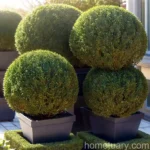
The Versatile Boxwood (Buxus sempervirens ‘Graham Blandy’)
Gardening enthusiasts and landscape designers often seek out plants that are not only aesthetically pleasing but also relatively low-maintenance. Boxwood (Buxus sempervirens ‘Graham Blandy’) stands out as a popular choice for its versatility and adaptability. This evergreen shrub, known for its narrow, columnar shape, has a rich cultural history and an array of practical uses in landscaping. In this comprehensive guide, we will delve into the characteristics, care requirements, and tips for cultivating and maintaining the boxwood plant.
What is Boxwood (Buxus sempervirens ‘Graham Blandy’)?
The Boxwood (Buxus sempervirens) ‘Graham Blandy’ is a cultivar of the common boxwood (Buxus sempervirens). This shrub is characterized by its narrow, columnar growth habit, making it a perfect choice for creating hedges, borders, and formal garden structures. The ‘Graham Blandy’ variety is prized for its unique growth pattern, which sets it apart from other boxwood cultivars.
With its dense, evergreen foliage and slow growth rate, this boxwood cultivar is a valuable addition to both formal and informal garden settings. Its versatility and ease of maintenance have made it a favorite among gardeners and landscapers alike.
Key Takeaways – Boxwood (Buxus sempervirens ‘Graham Blandy’)
Before we dive into the specifics of cultivating and caring for the boxwood (Buxus sempervirens ‘Graham Blandy’), let’s take a moment to summarize the key takeaways about this remarkable plant:
- Scientific Name: Buxus sempervirens ‘Graham Blandy’
- Common Name: Boxwood
Now, let’s explore the essential aspects of understanding and caring for this versatile shrub.
Culture
Understanding the cultural requirements of boxwood is crucial for ensuring its optimal growth and development. The cultural aspects encompass the ideal growing conditions, climate preferences, and other environmental factors that contribute to the plant’s well-being.
Uses
The boxwood (Buxus sempervirens ‘Graham Blandy’) offers a wide range of uses in landscaping and garden design. Its dense foliage and narrow form make it suitable for various applications, including:
- Creating formal hedges and borders.
- Filling in garden spaces as an ornamental specimen.
- Adding structure and definition to garden landscapes.
- Shaping into topiaries for a classic and elegant look.
The versatility of boxwood (Buxus sempervirens ‘Graham Blandy’) makes it a valuable asset in both residential and commercial landscapes.
Water
Proper watering is essential for the health and vitality of boxwood plants. While boxwoods are relatively drought-tolerant once established, they still require consistent moisture, especially during their establishment phase. Adequate watering practices for boxwood include:
- Establishment Phase: Water newly planted boxwoods regularly, ensuring that the root ball remains consistently moist but not waterlogged.
- Mature Plants: Once established, boxwoods benefit from deep, infrequent watering to encourage deeper root growth. A good rule of thumb is to provide 1-2 inches of water per week during dry periods.
Sunlight
Boxwood (Buxus sempervirens ‘Graham Blandy’) thrives in partial to full sun. However, it also tolerates partial shade, making it adaptable to various light conditions. When selecting a planting site for boxwoods, consider the following sunlight requirements:
- Full Sun: Ideal for promoting dense foliage and compact growth.
- Partial Shade: Tolerated, but may result in slightly less dense growth compared to plants in full sun.
Fertilizer
Fertilizing boxwood plants is an important aspect of their care regimen. A balanced fertilizer applied at the right time can promote healthy growth and vibrant foliage. Here are some key points to consider regarding fertilization:
- Timing: Apply a slow-release, balanced fertilizer in early spring before new growth begins.
- Frequency: Repeat applications annually, following the specific guidelines provided by the fertilizer manufacturer.
Soil
Understanding the soil preferences of boxwood (Buxus sempervirens ‘Graham Blandy’) is crucial for providing the best growing conditions for these plants. Boxwoods thrive in well-draining, slightly acidic to slightly alkaline soils. When planting or transplanting boxwood, consider the following soil-related factors:
- Drainage: Ensure that the planting site has good drainage to prevent waterlogged conditions, which can be detrimental to boxwood roots.
- pH Levels: Boxwoods prefer soil with a pH range of 6.5 to 7.5. Conduct soil tests if necessary to adjust pH levels accordingly.
Pruning
Proper pruning not only maintains the desired shape and size of boxwood (Buxus sempervirens ‘Graham Blandy’) but also contributes to its overall health and vigor. When it comes to pruning, consider the following best practices:
- Timing: Perform major pruning in late winter or early spring before new growth emerges. Light pruning for maintenance can also be done in late spring or early summer.
- Techniques: Use sharp, clean pruners to make precise cuts, avoiding ragged edges that can invite pests and diseases.
Propagation
Propagation techniques are essential for expanding your boxwood collection or replacing older plants. Boxwood (Buxus sempervirens ‘Graham Blandy’) can be propagated through various methods, including:
- Cuttings: Root semi-hardwood cuttings in a well-draining propagation medium during the growing season.
- Division: Divide established boxwood plants to create new ones with similar characteristics.
Container Popularity
Boxwood (Buxus sempervirens ‘Graham Blandy’) is well-suited for container gardening due to its compact growth habit and adaptability to pruning. When grown in containers, it can serve multiple purposes, such as:
- Patio Accents: Placed strategically, container-grown boxwoods can add structure and greenery to outdoor living spaces.
- Seasonal Displays: Incorporate boxwood containers into seasonal displays, such as festive arrangements for holidays or special events.
Understanding the unique considerations for growing boxwood in containers is essential for ensuring their health and longevity.
Common Diseases
Boxwoods are susceptible to certain diseases, and being aware of these potential threats is crucial for proactive management. Some common diseases that can affect boxwood (Buxus sempervirens ‘Graham Blandy’) include:
- Boxwood Blight: A fungal disease that can cause defoliation and dieback in boxwood foliage. Implement preventive measures and prompt treatment if boxwood blight is suspected.
- Leaf Spot Diseases: Various fungal pathogens can cause leaf spots on boxwood foliage, affecting its overall appearance and vigor.
Disease Diagnosis
Diagnosing diseases in boxwood plants involves careful observation and, in some cases, laboratory testing to confirm the presence of specific pathogens. When encountering signs of disease in boxwoods, consider the following diagnostic steps:
- Symptom Recognition: Examine the foliage and overall plant health for symptoms such as leaf spots, discoloration, or unusual growth patterns.
- Professional Consultation: Seek assistance from plant pathologists or experienced horticulturists for accurate disease diagnosis and management recommendations.
Common Pests
Several pests can infest boxwood plants, impacting their growth and appearance. Being vigilant and proactive in pest management is crucial for preserving the health of boxwood (Buxus sempervirens ‘Graham Blandy’). Common pests that may affect boxwoods include:
- Boxwood Leafminer: The larvae of this pest can cause visible damage to boxwood foliage, leading to unsightly appearance.
- Boxwood Mites: These tiny pests can cause discoloration and stippling on boxwood leaves, affecting their overall vitality.
Botanist’s Tips
As a plant scientist, I have some valuable tips for enhancing the growth and well-being of boxwood (Buxus sempervirens ‘Graham Blandy’). Consider the following recommendations for successful cultivation:
- Air Circulation: Promote good air circulation around boxwood plants to reduce the risk of fungal diseases and pest infestations.
- Mulching: Apply a layer of organic mulch around boxwoods to conserve soil moisture and suppress weed growth.
- Monitoring: Regularly monitor the foliage and overall condition of boxwood plants to detect any signs of stress, disease, or pest activity.
Fun Facts
Exploring the fascinating world of boxwood (Buxus sempervirens ‘Graham Blandy’) reveals some intriguing and fun facts about this remarkable shrub:
- Historical Significance: Boxwood has a rich history, with its wood being prized for carving and crafting purposes, including making musical instruments and decorative items.
- Longevity: Properly maintained boxwood plants can live for several decades, making them enduring fixtures in garden landscapes.
- Symbolism: Boxwood is often associated with qualities such as endurance, strength, and timeless beauty, adding a layer of symbolism to its horticultural significance.
Now that we have explored the various aspects of boxwood (Buxus sempervirens ‘Graham Blandy’), let’s delve into some external resources for further information and insights.
Links to External Resources
To further expand your knowledge and understanding of boxwood (Buxus sempervirens ‘Graham Blandy’) and its cultivation, care, and maintenance, consider exploring the following resources:
- American Boxwood Society: The official website of the American Boxwood Society provides valuable information on boxwood varieties, cultural practices, and historical significance.
- University Extension Publications: Cooperative Extension websites offer detailed publications on boxwood care, disease management, and pest control strategies.
- Professional Landscaping Guides: Resources from reputable landscaping companies, such as Proven Winners, provide insights into using boxwoods in various landscape design settings, along with specific care guidelines.
These external resources offer a wealth of information and practical tips for enhancing your experience with growing, maintaining, and enjoying the timeless beauty of boxwood (Buxus sempervirens ‘Graham Blandy’).
Keyword Incorporation
- Boxwood plant
- Buxus sempervirens ‘Graham Blandy’
- Boxwood shrub
- Boxwood hedge
- Graham Blandy boxwood
- Buxus sempervirens variety
- Boxwood landscaping
- Boxwood care
- Evergreen boxwood
- Buxus sempervirens cultivar
- Boxwood maintenance
- Boxwood pruning
- Buxus sempervirens ‘Graham Blandy’ care
- Boxwood planting
- Boxwood diseases
- Buxus sempervirens ‘Graham Blandy’ variety
- Boxwood for landscaping
- Boxwood growth habits
- Boxwood pest control
- Buxus sempervirens ‘Graham Blandy’ pruning
- Boxwood landscaping ideas
- Boxwood soil requirements
- Boxwood propagation
- Buxus sempervirens ‘Graham Blandy’ hedge
- Boxwood companion plants
- Boxwood watering needs
- Boxwood winter care
- Buxus sempervirens ‘Graham Blandy’ growth
- Boxwood sun exposure
- Boxwood container gardening
- Boxwood fertilizer requirements
- Buxus sempervirens ‘Graham Blandy’ landscape design
- Boxwood maintenance tips
- Boxwood plant diseases and pests
- Buxus sempervirens ‘Graham Blandy’ care instructions
- Boxwood hedge pruning
- Boxwood varieties for gardens
- Buxus sempervirens ‘Graham Blandy’ size
- Boxwood hedge maintenance
- Boxwood landscaping design ideas
- Boxwood soil pH requirements
- Buxus sempervirens ‘Graham Blandy’ spacing
- Boxwood planting tips
- Boxwood pruning techniques
- Boxwood sun or shade preferences
- Buxus sempervirens ‘Graham Blandy’ soil type
- Boxwood companion planting ideas
- Boxwood winter protection
- Boxwood trimming and shaping
- Buxus sempervirens ‘Graham Blandy’ container care
In conclusion, the boxwood (Buxus sempervirens ‘Graham Blandy’) is a plant of remarkable versatility and enduring beauty. Whether employed as a defining element in formal garden designs or as a resilient and elegant landscape feature, this cultivar enriches outdoor spaces with its unique charm. By understanding and implementing the recommended cultural practices and maintenance strategies, gardeners and homeowners can cultivate thriving boxwood displays that stand the test of time.
Remember to refer to reliable sources and consider expert advice to ensure the best possible results in growing, caring for, and enjoying the timeless appeal of boxwood (Buxus sempervirens ‘Graham Blandy’).
Let the enduring allure of boxwood enhance your garden and landscape designs, adding a touch of classic elegance to outdoor spaces.
Disclaimer: The content provided in this article is for informational purposes only, and individuals should verify information from professional landscaping experts and horticulturists before applying it to their specific gardening practices.