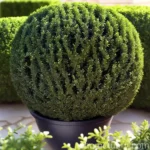
The Magnificent Boxwood (Buxus microphylla ‘Curly Locks’)
Introduction
Boxwood, scientifically known as Buxus microphylla ‘Curly Locks’, is a remarkable evergreen shrub that has enchanted gardeners for centuries with its versatility and grace. This exquisite plant belongs to the Buxaceae family and is native to East Asia, particularly China and Japan. Boxwood is cherished for its dense, compact growth habit, and its ability to be pruned and sculpted into various forms, making it an ideal choice for hedges, topiaries, and ornamental features in gardens, parks, and landscapes.
In this comprehensive guide, we will delve into every aspect of boxwood care, from its cultural requirements and uses to its common diseases and pests. Whether you are a seasoned gardener or a novice enthusiast, there will be valuable insights and tips to help you cultivate and maintain the captivating Buxus microphylla ‘Curly Locks’ in your own green space.
Key Takeaways – Boxwood (Buxus microphylla ‘Curly Locks’)
- Plant Name: Buxus microphylla ‘Curly Locks’ (Boxwood)
- Family: Buxaceae
- Native to: East Asia (China and Japan)
- Common Uses: Hedges, topiaries, formal gardens, borders, containers
- Growth Habit: Evergreen shrub with dense, compact foliage
- Notable Feature: Ability to withstand heavy pruning and shaping
- Challenges: Susceptibility to certain diseases and pests
Cultural Requirements of Boxwood (Buxus microphylla ‘Curly Locks’)
Water
Boxwood plants, including the ‘Curly Locks’ variety, thrive in well-drained soil and require regular watering, especially during their establishment phase. Once established, they are relatively drought-tolerant, but adequate moisture is essential for healthy growth and foliage density. It’s crucial to avoid waterlogged conditions, as excessive moisture can lead to root rot and other fungal issues.
Watering Needs:
– Water deeply and infrequently, allowing the soil to dry out slightly between watering sessions.
– During hot and dry periods, provide supplementary irrigation to prevent the soil from becoming excessively dry.
Sunlight
Boxwood is known for its adaptability to various light conditions, making it suitable for both full sun and partial shade. However, for optimal performance and dense foliage, it prefers partial shade in regions with intense summer heat. In cooler climates, it can thrive in full sun, but some protection from the harsh afternoon sun may be beneficial.
Sunlight Preferences:
– Partial shade with dappled sunlight is ideal, particularly in warmer climates.
– In areas with milder temperatures, boxwood can tolerate full sun if the soil moisture is effectively maintained.
Fertilizer
Providing appropriate nutrients is essential for promoting vigorous growth and vibrant foliage in boxwood plants. A balanced, slow-release fertilizer formulated for woody ornamentals can be applied in the early spring to support the plant’s nutritional needs throughout the growing season. Additionally, incorporating organic matter into the soil during planting or as a topdressing can enhance the soil’s fertility and structure.
Fertilizing Tips:
– Utilize a balanced fertilizer with an N-P-K ratio suited for woody plants, following the manufacturer’s recommended application rates.
– Consider conducting a soil test to determine the specific nutrient requirements of your boxwood and adjust the fertilizer application accordingly.
Soil
Boxwood plants exhibit a preference for well-drained, slightly acidic to neutral soils with good fertility. They are adaptable to various soil types, including loamy, sandy, and clay soils, provided that the drainage is adequate. Amending heavy clay soils with organic matter, such as compost or peat moss, can improve the soil structure and drainage, promoting healthier root development.
Soil Requirements:
– Ensure proper drainage to prevent waterlogging and root rot.
– Maintain a slightly acidic to neutral soil pH range of 6.5 to 7.5 for optimal nutrient uptake.
Pruning and Shaping the Enchanting Boxwood (Buxus microphylla ‘Curly Locks’)
Boxwood’s exceptional response to pruning and shaping makes it a favored choice for creating formal hedges, geometric topiaries, and sculpted garden elements. The ‘Curly Locks’ variety, with its distinctive contorted foliage, adds an intriguing dimension to ornamental designs and lends itself to creative pruning techniques.
Pruning Techniques
Pruning is a vital aspect of boxwood care, contributing to its dense growth habit and desired form. Proper pruning can promote air circulation, maintain an attractive shape, and encourage new growth. It is recommended to prune boxwood plants in late spring or early summer, avoiding the late summer and fall months, as this can stimulate new growth that may be susceptible to cold damage.
Pruning Guidelines:
– Use sharp, clean pruning tools to make precise cuts and minimize the risk of transmitting diseases.
– Aim to maintain a natural and balanced form while removing dead or overgrown branches.
Shaping and Topiary Designs
The malleability of boxwood, including the ‘Curly Locks’ variety, allows for intricate shaping and topiary designs, adding an artistic element to the garden landscape. Whether it’s spirals, cones, or geometric forms, boxwood can be meticulously sculpted to adorn formal gardens, parterres, and architectural spaces.
Shaping Tips:
– Start shaping boxwood when it is young and pliable to achieve the desired form more easily.
– Regular, light trimming can help to maintain the shape and density of the topiary or hedge.
Propagation Techniques for Boxwood (Buxus microphylla ‘Curly Locks’)
Propagation enables gardeners to expand their boxwood collection and cultivate new plants from existing specimens. While boxwood can be propagated through various methods, including seeds and cuttings, rooting stem cuttings is the most common and effective approach for maintaining the genetic characteristics of a specific variety, such as ‘Curly Locks’.
Stem Cutting Propagation
Stem cuttings taken from healthy, vigorous branches of boxwood can be rooted to produce new plants that retain the traits of the parent plant. With proper care and attention to environmental conditions, such as humidity and temperature, the cuttings can develop roots and establish themselves as independent plants.
Propagation Steps:
1. Select healthy, non-flowering stems for the cuttings, typically in the early summer when the plant is actively growing.
2. Prepare the cuttings by removing the lower leaves and dipping the cut ends in a rooting hormone powder to facilitate root development.
3. Place the cuttings in a well-draining rooting medium, and maintain consistent moisture and warmth to support root formation.
4. Once rooted, transplant the cuttings into individual containers or a prepared outdoor bed where they can continue to grow.
The Charm of Boxwood (Buxus microphylla ‘Curly Locks’) in Container Gardens
The compact growth habit and ornamental appeal of boxwood, particularly the ‘Curly Locks’ variety, make it an exceptional choice for container gardening. Whether it’s adorning a patio, defining an entrance, or enhancing a rooftop garden, boxwood adds a touch of elegance and structure to container plantings.
Container Popularity
Boxwood’s popularity in container gardening stems from its adaptability to confined spaces, ease of maintenance, and the ability to be shaped and pruned to suit the container’s dimensions. The ‘Curly Locks’ variety introduces a unique visual element with its contorted foliage, adding a captivating feature to any container display.
Benefits of Container Planting:
– Enables mobility and flexibility in repositioning the plants to suit design preferences or environmental conditions.
– Provides an opportunity to showcase boxwood as a focal point or as part of a curated ensemble of container plants.
Container Care Tips
Ensuring the well-being of boxwood in containers involves paying particular attention to watering, fertilizing, and maintaining adequate root space. Container-grown plants may require more frequent watering and fertilization compared to their counterparts in the ground, as the limited soil volume can lead to quicker moisture depletion and nutrient exhaustion.
Maintenance Guidelines:
– Select high-quality, well-draining potting mix tailored for woody container plants to promote healthy root development.
– Regularly monitor the moisture level in the containers and adjust the watering frequency based on environmental conditions.
Common Diseases Affecting Boxwood (Buxus microphylla ‘Curly Locks’)
Boxwood, while renowned for its hardiness, is susceptible to certain diseases that can impact its appearance and overall health. Familiarizing yourself with these common diseases and their symptoms is crucial for early detection and prompt intervention to minimize the impact on the plants.
Disease Diagnosis
Recognizing the signs of common boxwood diseases, such as boxwood blight and root rot, can aid in implementing effective disease management strategies. Early intervention through proper sanitation, cultural practices, and, in some cases, targeted treatments can help mitigate the spread of these diseases and preserve the vigor of boxwood plants.
Common Boxwood Diseases:
1. Boxwood Blight (Cylindrocladium buxicola): Characterized by dark leaf spots, defoliation, and a distinctive black streaking on the stems.
2. Root Rot (Phytophthora spp.): Results in wilting, browning of foliage, and root decay, often exacerbated by waterlogged or poorly drained soil.
3. Volutella Blight (Pseudonectria buxi): Manifests as dieback, withered foliage, and pinkish spore masses on infected plant parts.
Disease Prevention and Management
Promoting the overall vigor of boxwood plants through proper cultural practices, such as optimal watering and pruning, can bolster their ability to resist diseases. Additionally, employing preventive measures, such as regular inspection and sanitation, can help minimize the risk of disease establishment and spread.
Preventive Measures:
– Ensure proper air circulation and avoid overhead watering to reduce humidity levels around the foliage.
– Remove and dispose of any diseased plant material promptly to prevent the spread of pathogens.
Managing Common Pests that Challenge Boxwood (Buxus microphylla ‘Curly Locks’)
In addition to diseases, boxwood is susceptible to infestation by certain pests that can compromise its aesthetic appeal and vitality. Being vigilant and familiar with the characteristic signs of these pests is essential for addressing infestations in a timely manner and safeguarding the health of boxwood plants.
Common Boxwood Pests
Several pests, including boxwood leafminer, spider mites, and nematodes, pose potential threats to boxwood plants, particularly when the plants are stressed or growing in less-than-ideal conditions. Routine monitoring and proactive pest management practices can help mitigate the impact of these pests on boxwood health.
Notable Pests:
– Boxwood Leafminer (Monarthropalpus flavus): Manifests as yellow, blister-like areas on the leaves caused by the feeding activities of the larvae within the leaf tissue.
– Spider Mites (Tetranychus spp.): Infestations lead to stippling or yellowing of the foliage, often accompanied by fine webbing on the undersides of the leaves.
– Nematodes (Meloidogyne spp.): Root-knot nematodes can cause stunted growth, yellowing, and decline in the overall vigor of boxwood plants.
Pest Management Practices
Preventive measures, such as maintaining plant health and employing cultural practices that discourage pest infestations, form the foundation of integrated pest management (IPM) for boxwood. Monitoring for pest activity and implementing targeted control measures, when necessary, can help mitigate the impact of pests on the plants.
Integrated Pest Management:
– Encourage natural predators and beneficial insects that prey on common boxwood pests to help regulate pest populations.
– Consider horticultural oils or insecticidal soaps as low-impact options for managing certain pest infestations.
Botanist’s Tips for Cultivating Boxwood (Buxus microphylla ‘Curly Locks’)
As a plant scientist with a passion for boxwood, I am delighted to share some expert tips and insights to help you cultivate and maintain the captivating Buxus microphylla ‘Curly Locks’ with confidence and success. These botanical recommendations encompass various aspects of boxwood care, from planting to ongoing maintenance, to support the health and vitality of your cherished boxwood specimens.
Botanist’s Insights
- Site Selection: Choose a planting site with well-drained soil, adequate sunlight, and sufficient air circulation to promote the optimal growth of boxwood plants.
- Mulching Benefits: Apply a layer of organic mulch around boxwood plants to conserve soil moisture, suppress weed growth, and moderate soil temperatures.
- Seasonal Considerations: Monitor the moisture needs of boxwood particularly during hot and dry periods, and protect the plants from harsh winter winds and direct sun.
- Diverse Uses: Explore the versatility of boxwood beyond hedges and topiaries, such as using it as a feature plant, decoy for wildlife, or a charming component of mixed borders.
Unveiling the Fascinating Facts About Boxwood (Buxus microphylla ‘Curly Locks’)
The allure of boxwood extends beyond its ornamental value, encompassing a rich tapestry of historical significance, cultural symbolism, and ecological contributions. Let’s delve into some engrossing facts that shed light on the captivating world of boxwood, highlighting its multifaceted nature and enduring appeal.
Engaging Trivia
- Historical Legacy: Boxwood has been revered since ancient times, with its wood being utilized in the crafting of intricate carvings and revered as a symbol of enduring strength and longevity.
- Artistic Inspiration: The malleability of boxwood has inspired masterful topiary designs, exquisite parterres, and meticulously sculpted features in formal gardens and estates.
- Wildlife Haven: While primarily cherished for its aesthetic qualities, boxwood also serves as a refuge and food source for certain native wildlife, including birds, butterflies, and beneficial insects.
External Resources for Further Exploration
Enrich your understanding of boxwood (Buxus microphylla ‘Curly Locks’) and expand your horticultural knowledge through the following curated external resources:
- American Boxwood Society: Discover an array of resources, publications, and events dedicated to the appreciation and cultivation of boxwood.
- Plant Pathology and Plant-Microbe Biology Section, Cornell University: Access information on boxwood blight and other common diseases, including diagnostic guides and management strategies.
- University of Maryland Extension – Integrated Pest Management: Learn about integrated pest management strategies for addressing boxwood pests, such as boxwood leafminer and spider mites.
- The American Conifer Society: Explore resources on container gardening, soil requirements, and cultivation practices for woody ornamentals, including boxwood.
Conclusion
In the realm of ornamental shrubs, boxwood (Buxus microphylla ‘Curly Locks’) stands as an enduring symbol of elegance, resilience, and timeless charm. Its adaptability to diverse growing conditions, capacity for artistic shaping, and rich horticultural heritage render it a beloved favorite in garden landscapes and horticultural endeavors.
Whether you aspire to create meticulously pruned topiaries, sculptured hedges, or graceful container displays, the allure of boxwood remains ever-present, inviting enthusiasts and horticulturists alike to partake in its enduring splendor. Embrace the artistry of boxwood and cultivate its captivating presence in your green sanctuary, immersing yourself in the timeless allure of this enchanting evergreen shrub.
So, as you embark on your journey with boxwood, may its leafy embrace and resilient spirit inspire your botanical pursuits and infuse your garden landscape with a touch of enduring elegance and natural grace.
References
- Boxwood Garden. (n.d.). Boxwood Varieties. https://boxwoodgarden.com/boxwood-varieties/
- Dirr, M. A., & Heuser, C. W. (2009). The Reference Manual of Woody Plant Propagation: From Seed to Tissue Culture. Varsity Press.
- Dirr, M. A. (2009). Manual of Woody Landscape Plants: Their Identification, Ornamental Characteristics, Culture, Propagation, and Uses. Stipes Publishing.
- George, W. (2009). The Mid-Atlantic Gardener’s Book of Lists. Cool Springs Press.
- Hillier Nurseries. (1991). Hillier Manual of Trees & Shrubs. David & Charles Publishers.
- Lindsey, A. (2015). The Complete Book of Pruning. Taunton Press.
- Thomas, P. A. (2010). Trees: Their Natural History. Cambridge University Press.
- Toogood, A. (Ed.). (1993). The Gardener’s Encyclopedia of Plants and Flowers. DK Publishing.