Boxwood Basil (Ocimum Basilicum ‘Boxwood’)
As a plant scientist, one of the most exciting aspects of my work is exploring the diverse array of plant species and their unique characteristics. In this.
Introduction
As a plant scientist, one of the most exciting aspects of my work is exploring the diverse array of plant species and their unique characteristics. In this comprehensive guide, we will delve into the world of Boxwood Basil, scientifically known as Ocimum basilicum ‘Boxwood’. This extraordinary plant offers a wealth of uses, from culinary applications to medicinal properties, making it a fascinating subject for study.
What is Boxwood Basil (Ocimum basilicum ‘Boxwood’)?
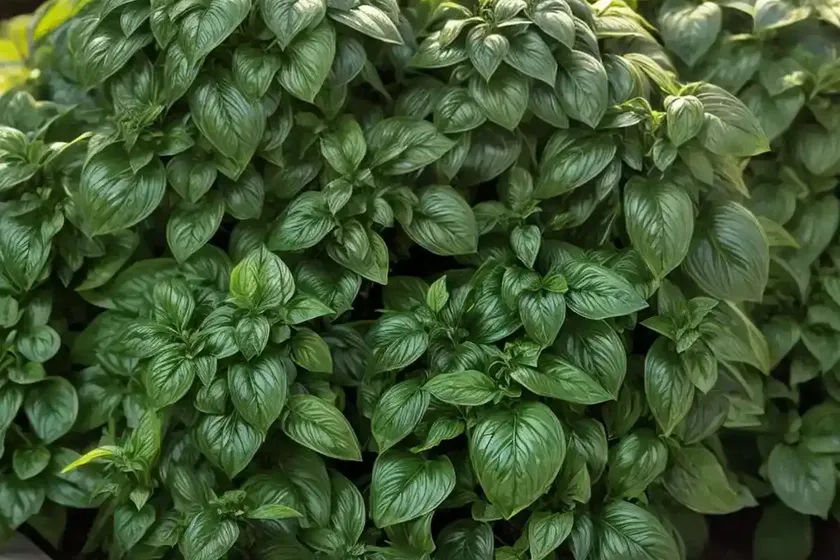
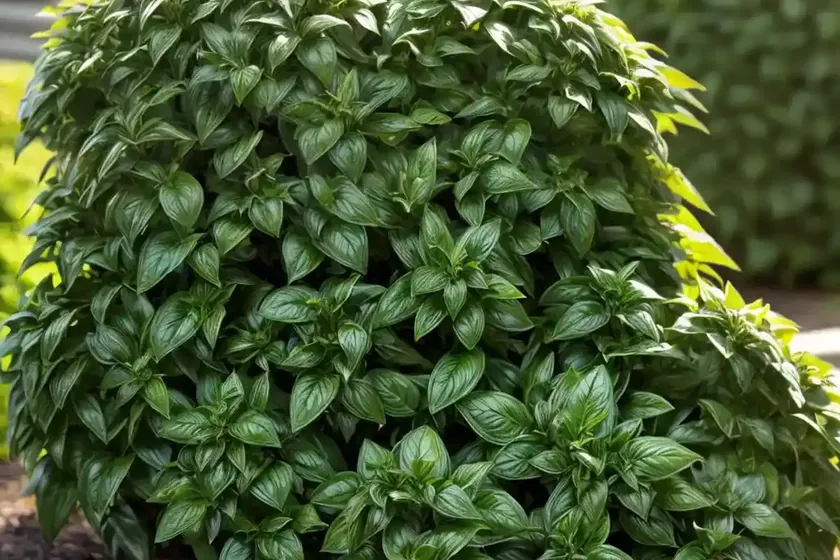
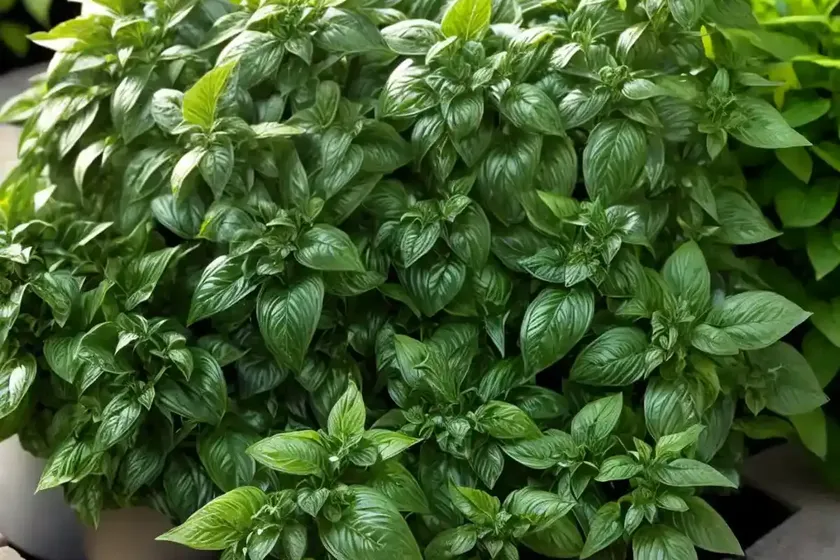
Boxwood basil, also known by its scientific name, Ocimum basilicum ‘Boxwood’, is a delightful variety of basil that boasts a compact, rounded growth habit. Its small, glossy leaves emit a rich, sweet fragrance, adding an aromatic touch to any garden or indoor setting. This particular basil cultivar is highly prized for its culinary uses, as well as its ornamental value.
Key Takeaways – Boxwood Basil (Ocimum basilicum ‘Boxwood’)
Before we delve deeper into the specifics of growing and caring for Boxwood basil, let’s explore some key takeaways about this unique plant:
- Plant Name: Boxwood Basil (Ocimum basilicum ‘Boxwood’)
- Botanical Classification: Ocimum basilicum
- Growth Habit: Compact, rounded
- Fragrance: Sweet and aromatic
- Culinary Uses: Widely utilized in culinary applications
- Ornamental Value: Prized for its ornamental appeal
- Medicinal Properties: Contains beneficial properties for herbal remedies
Now that we have an overview of Boxwood basil, let’s delve into the intricate details of its culture, uses, care requirements, and much more.
Culture of Boxwood Basil
Understanding the specific cultural needs of Boxwood basil is essential for ensuring its optimal growth and development. From water and sunlight requirements to soil preferences, a comprehensive understanding of its cultural needs is crucial for successful cultivation.
Water
Boxwood basil, like many basil varieties, thrives in consistently moist soil. However, it’s important to strike a balance, as waterlogged conditions can lead to root rot and other issues. When watering Boxwood basil, aim to keep the soil evenly moist, allowing the top inch to dry out slightly between watering sessions.
Sunlight
In terms of sunlight requirements, Boxwood basil flourishes in full sun, which typically translates to at least 6-8 hours of direct sunlight per day. Adequate sunlight is crucial for promoting robust growth and ensuring the development of flavorful leaves.
Fertilizer
When it comes to fertilizer, Boxwood basil benefits from a balanced, water-soluble fertilizer applied every 3-4 weeks during the growing season. This provides the nutrients it needs to support healthy foliage and robust flavor.
Soil
Boxwood basil thrives in well-draining, nutrient-rich soil with a slightly acidic to neutral pH. A well-draining potting mix or loamy garden soil enriched with organic matter is ideal for supporting the growth and vitality of Boxwood basil plants.
Uses of Boxwood Basil
Boxwood basil offers a myriad of uses, ranging from culinary applications to medicinal and ornamental purposes. Let’s explore the diverse range of applications for this unique basil variety.
Culinary Uses
One of the most popular uses of Boxwood basil is its culinary applications. The aromatic leaves of this basil variety add a delightful flavor to a wide range of dishes, including salads, pasta, sauces, and more. Its sweet and aromatic notes make it a favorite among chefs and culinary enthusiasts.
Medicinal Properties
In addition to its culinary uses, Boxwood basil also contains beneficial properties for herbal remedies. From its aromatic qualities to potential health benefits, this basil variety has been utilized in traditional medicine for centuries.
Ornamental Value
Beyond its practical uses, Boxwood basil also holds ornamental value. Its compact growth habit and glossy leaves make it an attractive addition to herb gardens, container plantings, and indoor settings.
Pruning Boxwood Basil
Pruning is an essential aspect of caring for Boxwood basil, as it helps maintain a compact shape, promotes bushier growth, and prevents legginess. When pruning Boxwood basil, follow these simple guidelines:
- Pinch off flower buds: To encourage continual leaf production and prevent the plant from bolting, pinch off any flower buds as soon as they appear.
- Regular harvesting: Regularly harvest the leaves, using them in culinary dishes or preserving them for later use. This not only promotes new growth but also prevents the plant from becoming overly leggy.
- Trim for shape: If the plant begins to develop a straggly appearance, lightly trim the outer leaves to maintain a compact, rounded form.
Propagation of Boxwood Basil
Propagating Boxwood basil can be a rewarding endeavor, allowing you to expand your basil collection or share plants with fellow gardening enthusiasts. Here are some methods for propagating Boxwood basil:
- Stem cuttings: Take 4-6 inch stem cuttings from healthy, established plants. Remove the lower leaves and place the cuttings in water or a well-draining potting mix. Once roots develop, the cuttings can be potted up individually.
- Seed propagation: Boxwood basil can also be propagated from seeds. Sow the seeds in a well-prepared seed-starting mix, ensuring proper moisture and warmth for germination.
Container Popularity
Due to its compact growth habit and ornamental appeal, Boxwood basil is well-suited for container gardening. Whether grown on a sunny balcony, patio, or windowsill, this basil variety adds a touch of elegance to container plantings.
Container Common Diseases
While growing Boxwood basil in containers offers numerous advantages, it’s essential to be mindful of potential diseases that can affect container-grown plants. Common diseases that can impact Boxwood basil in containers include:
- Fungal diseases: Such as powdery mildew and downy mildew, which thrive in humid conditions and poor air circulation.
- Root rot: Overwatering can lead to waterlogged soil, creating favorable conditions for the development of root rot.
In the event of disease outbreaks, prompt action, such as adjusting watering practices and applying appropriate treatments, can help mitigate the impact on Boxwood basil plants.
Disease Diagnosis
Diagnosing diseases affecting Boxwood basil is an important aspect of plant care. Learning to identify common symptoms of diseases, such as leaf discoloration, wilting, or powdery coatings, can help with timely intervention and management.
Common Pests Affecting Boxwood Basil
In addition to diseases, Boxwood basil may also be susceptible to certain pests that can impact its health and vitality. Common pests that may affect Boxwood basil include:
- Aphids: These small, sap-sucking insects can cluster on the undersides of leaves, causing damage and potential virus transmission.
- Whiteflies: These tiny, white insects can gather in large numbers, especially on the undersides of leaves, and weaken the plant through feeding.
Implementing pest management strategies, such as using insecticidal soaps, neem oil, or introducing beneficial insects, can help control and prevent pest infestations on Boxwood basil plants.
Botanist’s Tips for Growing Boxwood Basil
As a plant scientist with a passion for basil cultivation, I’d like to share some valuable tips for successfully growing Boxwood basil:
- Select a sunny location: Choose a sunny spot for growing Boxwood basil to ensure optimal growth and flavor development.
- Harvest regularly: Regularly harvest the leaves to encourage new growth and prevent the plant from becoming woody.
- Monitor for pests and diseases: Keep a close eye on your Boxwood basil plants for signs of pest infestations or disease development, intervening promptly if needed.
- Prune for bushy growth: Regularly prune and pinch back the plant to maintain a compact, bushy form and prevent flowering.
Fun Facts About Boxwood Basil
To add some flair to our exploration of Boxwood basil, here are some fun and intriguing facts about this aromatic herb:
- Historical significance: Basil has a rich history, with ties to ancient cultures such as Egypt and Greece, where it was revered for its aromatic and medicinal qualities.
- Symbolism: In some cultures, basil is associated with love, good luck, and protection.
- Aromatic qualities: The aromatic oils in basil leaves are responsible for their distinctive and delightful scent, making them a popular choice for culinary and aromatic uses.
Links to External Resources
For further exploration of Boxwood basil and its myriad uses, here are some valuable external resources to enhance your knowledge:
- Boxwood Basil: Growing Tips and Culinary Uses – The Spruce
- Boxwood Basil: A Guide to Planting and Care – Gardener’s Path
- Culinary Uses of Boxwood Basil – Epicurious
- Medicinal Properties of Basil in Traditional Medicine – Research Article
Conclusion
In conclusion, Boxwood basil, scientifically known as Ocimum basilicum ‘Boxwood’, is a remarkable plant that offers a treasure trove of culinary, medicinal, and ornamental benefits. From its compact growth habit to its aromatic leaves, this basil variety has captured the admiration of gardeners, chefs, and herbal enthusiasts around the world. By understanding its cultural requirements, uses, and care guidelines, we can fully appreciate the unique qualities of Boxwood basil and unlock its full potential in gardens, kitchens, and beyond. Whether you’re a seasoned herb gardener or a budding enthusiast, Boxwood basil is sure to add a touch of elegance and flavor to your botanical pursuits.


