Bouvardia (Bouvardia)
Bouvardia plants are known for their beautiful and fragrant flowers, making them a popular choice for gardens, landscapes, and floral arrangements. These.
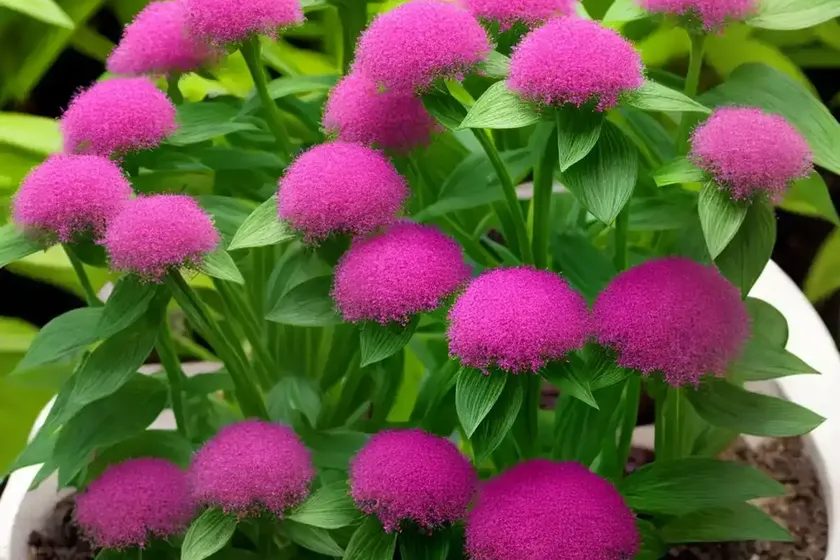
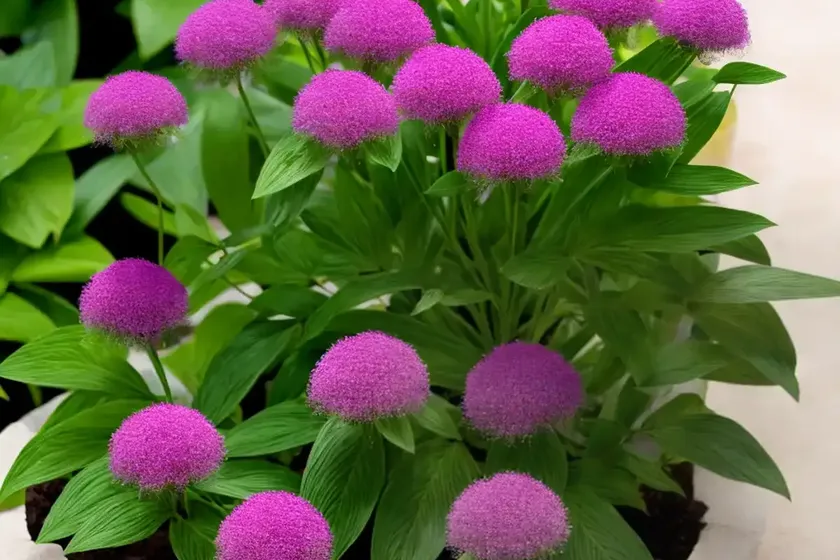
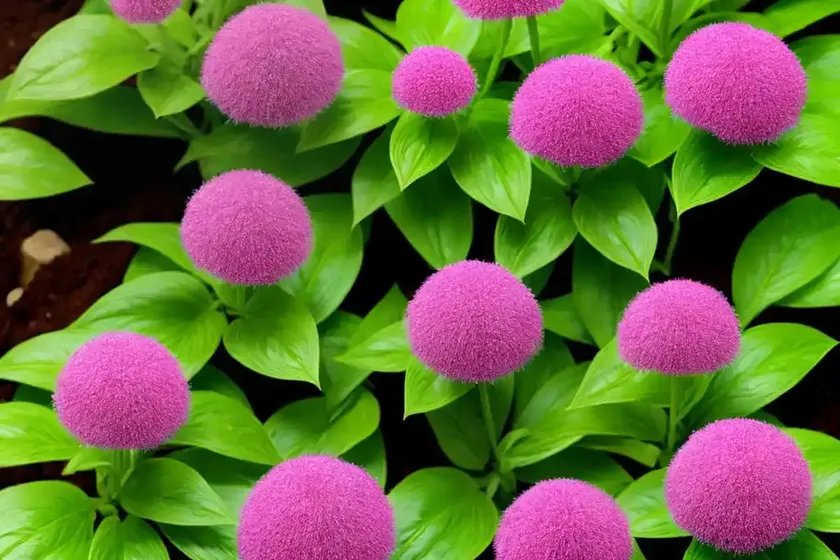
Bouvardia plants are known for their beautiful and fragrant flowers, making them a popular choice for gardens, landscapes, and floral arrangements. These versatile plants come in various varieties and can thrive in different settings, from indoor containers to outdoor gardens. In this comprehensive plant care guide, we will explore the various aspects of Bouvardia care, including cultivation, uses, maintenance, and more.
What is Bouvardia (Bouvardia)?
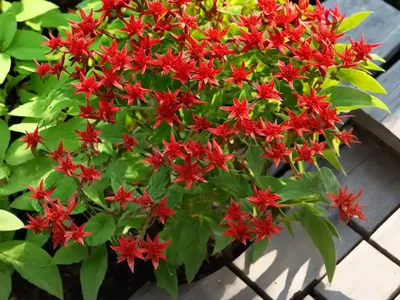
Bouvardia, scientifically known as Bouvardia, is a genus of flowering plants in the family Rubiaceae, native to the regions of Mexico and Central America. These plants are prized for their clusters of tubular, trumpet-shaped flowers that come in vibrant colors such as white, pink, and red. Bouvardia plants are valued for their ornamental and aromatic qualities, making them a popular choice for both gardeners and florists.
Key Takeaways – Bouvardia (Bouvardia)
Before delving into the specifics of Bouvardia plant care, let’s highlight the key takeaways that will be covered in this comprehensive guide:
- Cultural Requirements: Understanding the cultural needs of Bouvardia plants, including water, sunlight, soil, and fertilization.
- Uses: Exploring the diverse uses of Bouvardia plants, from landscape ornamentation to floral arrangements.
- Maintenance: Learning about pruning, propagation, and common plant care practices for optimal growth.
- Popularity: Understanding the popularity of Bouvardia plants in both garden settings and the floral industry.
- Common Diseases and Pests: Identifying potential diseases and pests that may affect Bouvardia plants and effective management strategies.
- Botanist’s Tips: Expert tips and recommendations for successful Bouvardia cultivation.
- Fun Facts: Interesting and lesser-known facts about Bouvardia plants.
With these key takeaways in mind, let’s delve into the detailed care guidelines for growing and maintaining Bouvardia plants.
Culture
Cultural requirements play a crucial role in the successful cultivation of Bouvardia plants. Understanding the specific needs of these plants will help ensure their healthy growth and prolific flowering. The following factors should be considered when caring for Bouvardia plants:
Water
Proper watering is essential for the health and vitality of Bouvardia plants. These plants thrive in consistently moist, well-draining soil. Overwatering can lead to root rot, while underwatering may result in wilted and stressed foliage. It is important to maintain a balanced watering routine, allowing the soil to dry slightly between waterings to prevent waterlogged conditions.
Sunlight
Bouvardia plants flourish in bright, indirect light. Adequate sunlight is essential for promoting robust growth and abundant flowering. When grown outdoors, these plants prefer partial shade, especially in regions with intense afternoon sunlight. Indoor plants should be placed near a bright window or provided with supplemental grow lights to meet their light requirements.
Fertilizer
Proper fertilization is key to supporting the overall health and blooming capacity of Bouvardia plants. A balanced, water-soluble fertilizer formulated for flowering plants should be applied during the growing season. It is important to follow the manufacturer’s recommendations for dilution and frequency to prevent over-fertilization, which can lead to nutrient imbalances and potential damage to the plant.
Soil
Bouvardia plants thrive in loose, well-aerated soil with good drainage. A high-quality potting mix enriched with organic matter provides an ideal growing medium for container-grown Bouvardia plants. When planting in garden beds, amending the soil with compost or peat moss can improve its structure and fertility, creating an optimal environment for Bouvardia cultivation.
Pruning
Pruning is an essential practice for maintaining the shape, vigor, and flowering capacity of Bouvardia plants. Regular pruning helps remove spent flowers, encourage new growth, and prevent the plant from becoming leggy or overgrown. The following techniques should be employed for effective pruning of Bouvardia plants:
- Deadheading: Removal of spent flowers promotes continuous blooming and prevents the plant from expending energy on seed production.
- Thinning: Pruning back excessive growth and thinning out crowded or crossing branches helps improve air circulation and light penetration, reducing the risk of disease and promoting overall plant health.
- Shaping: Trimming back leggy or unruly growth helps maintain a compact and well-balanced plant form, enhancing its aesthetic appeal in both garden and container settings.
Propagation
While Bouvardia plants can be propagated from seeds, vegetative propagation methods such as stem cuttings and division are more commonly employed due to their efficiency and ability to produce true-to-type offspring. The following propagation techniques can be utilized for expanding Bouvardia plant populations:
- Stem Cuttings: Taking semi-hardwood stem cuttings from healthy, actively growing plants and rooting them in a moist, well-draining rooting medium can yield new plants with genetic uniformity.
- Division: Dividing mature Bouvardia plants through careful separation of rhizomes or root clumps allows for the creation of multiple plant sections, each capable of developing into a new, independent plant.
Container Popularity
Bouvardia plants are highly sought after for container gardening due to their compact size, attractive flowers, and suitability for both indoor and outdoor settings. These plants thrive in containers, making them popular choices for balconies, patios, and windowsills. Their versatility and ability to adapt to different growing conditions contribute to their widespread popularity among gardening enthusiasts and urban dwellers.
Common Diseases
Despite being relatively low-maintenance, Bouvardia plants are susceptible to certain diseases that can impact their growth and flowering. Proper identification and timely intervention are crucial for managing these diseases effectively. The following are some common diseases that may affect Bouvardia plants:
- Powdery Mildew: A fungal disease characterized by white, powdery patches on the leaves and stems, often leading to leaf distortion and reduced plant vigor.
- Root Rot: Excessive soil moisture and poor drainage can result in root rot, causing the plant to exhibit wilting, yellowing foliage, and a general decline in health.
- Leaf Spot: Fungal or bacterial pathogens can cause circular lesions on the leaves, leading to defoliation and aesthetic degradation of the plant.
Disease Diagnosis
Diagnosing plant diseases requires careful observation and an understanding of the symptoms associated with specific pathogens. The following indicators can help with the diagnosis of common diseases in Bouvardia plants:
- Visual Symptoms: Identification of characteristic symptoms such as powdery mildew on foliage, discolored or necrotic lesions, and wilting of the plant.
- Environmental Factors: Assessing factors such as moisture levels, temperature, and humidity to determine if environmental conditions are contributing to disease development.
- Pathogen Identification: Utilizing diagnostic tools and techniques to identify the specific pathogens responsible for the observed symptoms, enabling targeted treatment measures.
Common Pests
In addition to diseases, Bouvardia plants may also be susceptible to insect pests that can affect their overall health and appearance. Recognizing and addressing pest infestations in a timely manner is essential for preventing extensive damage. The following are some common pests that may target Bouvardia plants:
- Aphids: Small, sap-sucking insects that cluster on tender new growth, causing distortion and stunted growth in affected plant parts.
- Spider Mites: Tiny arachnids that feed on the undersides of leaves, leading to stippled discoloration and webbing, often resulting in reduced photosynthetic capacity and overall plant vigor.
- Whiteflies: Small, moth-like insects that congregate on the underside of leaves and can transmit viral diseases, leading to reduced plant health and vitality.
Botanist’s Tips
As a plant scientist with expertise in Bouvardia cultivation, I would like to share the following tips and recommendations for successfully caring for and growing Bouvardia plants:
- Consistent Moisture: Maintaining a consistent level of soil moisture is essential for promoting healthy root development and continuous flowering in Bouvardia plants.
- Regular Feeding: Providing a balanced fertilizer regimen during the growing season supports the plant’s nutrient requirements and enhances its blooming potential.
- Adequate Sunlight: Ensuring sufficient exposure to bright, indirect light is crucial for stimulating robust growth and prolific flowering in Bouvardia plants.
- Pruning Maintenance: Regular pruning and deadheading help maintain plant shape, control growth, and encourage continuous blooming throughout the growing season.
Fun Facts
To appreciate the unique qualities and cultural significance of Bouvardia plants, consider the following fun facts about these charming flowering species:
- Symbolism: Bouvardia flowers are symbolic of enthusiasm, passion, and a zest for life, making them popular choices for celebratory occasions and expressions of joy.
- Fragrance: Many Bouvardia varieties feature fragrant flowers with a delightful aroma, adding sensory appeal to floral arrangements and garden spaces.
- Wildlife Attraction: The vibrant blooms of Bouvardia plants attract pollinators such as butterflies and hummingbirds, contributing to the overall ecological diversity in garden settings.
As we’ve explored the various elements of Bouvardia plant care, from cultural requirements to maintenance practices, it’s evident that these plants offer a wealth of ornamental and sensory pleasures for both gardeners and enthusiasts of floral design.
In conclusion, cultivating Bouvardia plants can be a rewarding endeavor, offering opportunities for landscape beautification, indoor gardening, and creative floral expressions. By adhering to the recommended care guidelines and embracing the unique attributes of these plants, individuals can enjoy the beauty and charm that Bouvardia plants bring to their surroundings.
For further reading and detailed information, feel free to check out the following resources:
- Royal Horticultural Society – Bouvardia care guide
- University of Florida IFAS Extension – Bouvardia production guide
- American Society for the Prevention of Cruelty to Bouvardias – Bouvardia pest and disease management
- Flower Meaning – Symbolism of Bouvardia flowers
- Botanical Society of America – Bouvardia taxonomy and native habitats
Remember to enjoy the journey of caring for your Bouvardia plants and embrace the beauty they bring to your living spaces and gardens.