Boston-ivy (Parthenocissus Tricuspidata)
Welcome to our comprehensive guide to the Boston-ivy plant, scientifically known as Parthenocissus tricuspidata. This versatile and resilient plant offers.
Introduction
Welcome to our comprehensive guide to the Boston-ivy plant, scientifically known as Parthenocissus tricuspidata. This versatile and resilient plant offers a range of practical and aesthetic benefits, suitable for a variety of settings and uses. In this guide, we will delve into the essential aspects of Boston-ivy, including its culture, uses, maintenance, and more. Whether you are a seasoned gardener or just starting out, this guide will provide you with the knowledge and insights you need to cultivate and care for this wonderful plant effectively.
What is Boston-ivy (Parthenocissus tricuspidata)?
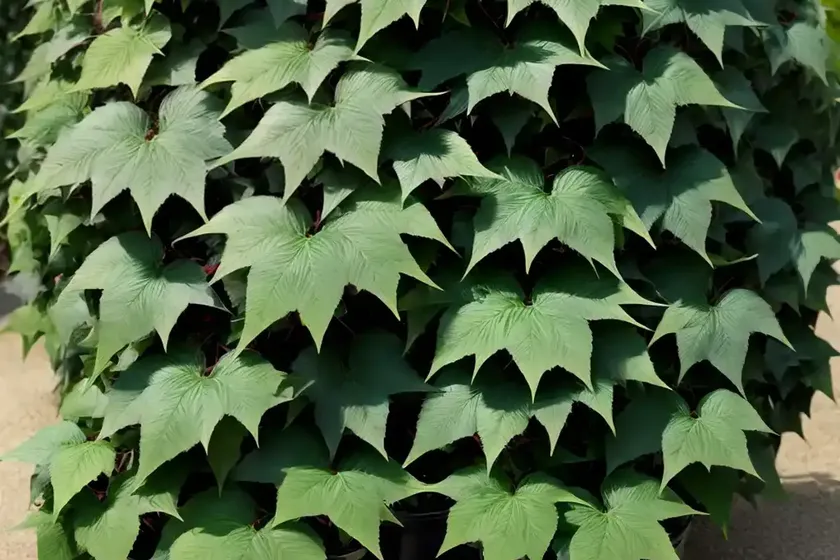
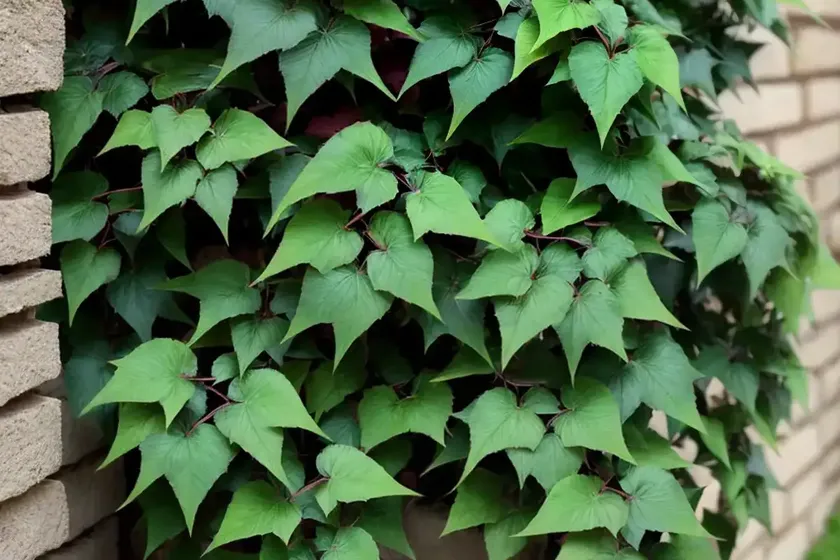
Boston-ivy, or Parthenocissus tricuspidata, is a deciduous, fast-growing vine that belongs to the grape family (Vitaceae). It is native to eastern Asia, particularly in Japan, Korea, and China. The plant is commonly cultivated for its remarkable foliage, which transitions through vibrant hues during the changing seasons. Boston-ivy is often grown as a climbing vine against walls, fences, and trellises for ornamental and practical purposes.
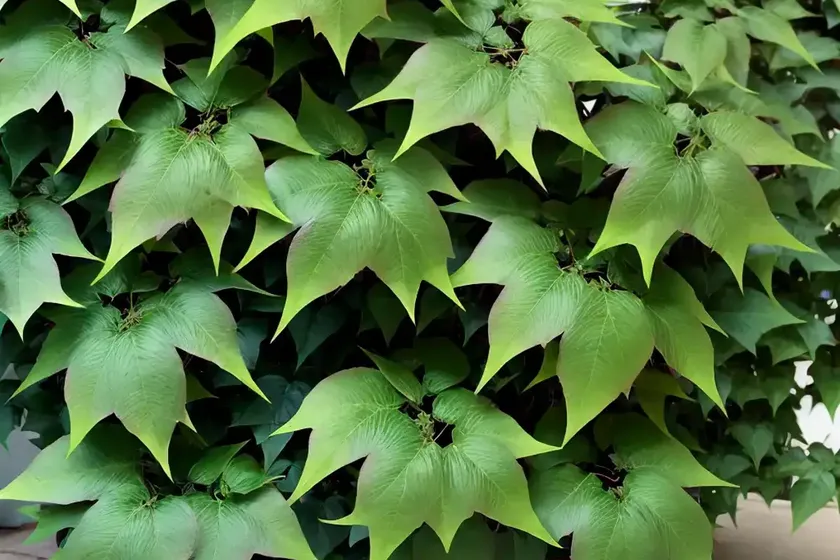
The distinguishing features of Boston-ivy include its palmately compound leaves, typically consisting of three leaflets, and its adhesive tendrils that enable it to climb and cling to surfaces without requiring additional support structures.
Key Takeaways – Boston-ivy (Parthenocissus tricuspidata)
Before diving deeper into the specifics of Boston-ivy care and cultivation, let’s outline the key takeaways about this fascinating plant.
- Scientific Name: Parthenocissus tricuspidata
- Family: Vitaceae
- Common Names: Boston-ivy, Japanese creeper, Japanese ivy, Grape ivy
- Growth Habit: Deciduous climbing vine
- Foliage: Distinctive palmately compound leaves with three leaflets
- Uses: Ornamental climbing vine for walls, fences, and trellises
- Seasonal Interest: Spectacular foliage color changes during autumn
- Hardiness: Thrives in USDA Hardiness Zones 4-8
- Adaptability: Tolerates a wide range of soil and sunlight conditions
Now that we have a foundational understanding of Boston-ivy, let’s explore the essential aspects of caring for and utilizing this remarkable plant.
Culture
Uses
Ornamental Value
Boston-ivy is primarily valued for its ornamental appeal, particularly during the fall when its foliage undergoes a stunning transformation, displaying vibrant shades of red, orange, and purple. Its ability to cover walls and other structures with lush greenery and vibrant foliage makes it a popular choice for adding visual interest and natural beauty to various outdoor spaces.
Erosion Control
Due to its vigorous growth and ability to cling to surfaces, Boston-ivy is also utilized for erosion control. When planted on slopes or embankments, it effectively helps in stabilizing the soil and preventing erosion, making it an eco-friendly and visually appealing solution.
Habitat Enhancement
The dense growth and foliage of Boston-ivy provide cover and nesting opportunities for small wildlife, such as birds and insects, contributing to the overall biodiversity of the area where it is cultivated.
Water
Boston-ivy exhibits moderate water needs, making it suitable for a range of moisture conditions. While it prefers well-drained soil, it can tolerate periods of drought once established. During the initial establishment phase, consistent watering is essential to promote healthy root development. Once the plant is established, it generally thrives with minimal supplemental watering, relying on natural rainfall in many instances.
Sunlight
Boston-ivy demonstrates impressive adaptability to various light conditions, including full sun to partial shade. While it prefers ample sunlight for optimal growth and foliage coloration, it can also thrive in partially shaded areas, making it a versatile choice for different landscape settings.
Fertilizer
Organic Matter: Incorporating organic matter into the soil during planting can provide essential nutrients and enhance the overall soil quality, promoting healthy growth and vigor in Boston-ivy.
Balanced Fertilizer: Periodic application of a balanced, slow-release fertilizer can help support the plant’s growth and foliage development. It is advisable to follow manufacturer recommendations and adjust the fertilizer application based on soil conditions and plant performance.
Soil
Boston-ivy is adaptable to various soil types, including loamy, sandy, or clay soils, as long as they are well-draining. While it thrives in moderately fertile soil, it can tolerate less fertile conditions, making it suitable for a wide range of landscapes and environments. Prioritizing well-drained soil is crucial to prevent waterlogging, which can negatively impact the health and vigor of the plant.
Pruning
Maintenance Pruning
Regular pruning is beneficial for managing the growth and appearance of Boston-ivy, particularly when it is used to cover vertical surfaces or structures. By selectively removing excessive growth and maintaining a tidy, well-manicured appearance, pruning encourages the plant to produce new growth and enhances its overall aesthetic value.
Seasonal Pruning
Pruning Boston-ivy during the dormant season, typically in late winter or early spring, allows for the removal of dead or damaged foliage, as well as the shaping of the plant to maintain the desired size and form.
Propagation
Seed Propagation
While Boston-ivy can be propagated from seeds, this method is less commonly practiced due to challenges in maintaining consistent genetic characteristics and the relatively slow growth rate associated with seed propagation.
Stem Cuttings
Propagating Boston-ivy from stem cuttings offers a more reliable and efficient approach to producing new plants with consistent characteristics. Stem cuttings are typically taken from healthy, actively growing vines and rooted under controlled conditions to establish new plants.
Container Popularity
Indoor Cultivation
Boston-ivy can be successfully cultivated in containers for indoor settings, providing a visually striking and low-maintenance option for adorning interior spaces such as living rooms and offices. When grown in containers, the plant’s trailing growth and vibrant foliage create an appealing and dynamic display.
Outdoor Container Gardens
In outdoor settings, Boston-ivy thrives in container gardens, offering a versatile solution for adding vertical interest and lush greenery to patios, balconies, and other outdoor spaces. Utilizing containers allows for greater flexibility in positioning the plant and provides an opportunity to experiment with creative combinations and arrangements.
Common Diseases
Despite its overall resilience, Boston-ivy can be susceptible to certain diseases and issues that may impact its health and appearance. Understanding and addressing these common diseases is essential for maintaining the vitality and longevity of the plant.
Disease Diagnosis
Common Boston-ivy diseases include:
-
Powdery Mildew: This fungal disease presents as a white, powdery coating on the plant’s leaves, typically occurring in humid or shaded environments. Adequate air circulation and, if necessary, targeted fungicidal treatments can help manage and prevent powdery mildew.
-
Anthracnose: Anthracnose can cause brown or black lesions on the foliage, negatively impacting the plant’s overall appearance. Pruning affected areas and practicing proper sanitation measures can aid in reducing the incidence of anthracnose.
-
Leaf Spot: Leaf spot diseases can manifest as circular lesions on the foliage, often accompanied by discoloration. Maintaining good air circulation and avoiding overhead watering can contribute to preventing leaf spot diseases.
Common Pests
In addition to diseases, Boston-ivy may encounter certain pests that can affect its health and growth. Vigilance and prompt intervention are crucial for effectively managing these potential pest issues.
-
Aphids: These small, sap-sucking insects can infest the new growth of Boston-ivy, leading to distorted foliage and reduced vigor. Natural predators, such as ladybugs, can help control aphid populations, and targeted insecticidal treatments may be employed if necessary.
-
Scale Insects: Scale insects can attach themselves to the stems and leaves of Boston-ivy, feeding on plant sap and potentially causing stress and decline. Careful monitoring and the implementation of appropriate control measures can help manage scale infestations.
Botanist’s Tips
To promote the successful growth and vitality of Boston-ivy, consider the following botanist’s tips:
-
Site Selection: Choose a planting site that provides adequate sunlight and well-drained soil, allowing the plant to thrive and express its full ornamental potential.
-
Monitoring and Maintenance: Regularly monitor the plant for signs of diseases, pests, or excessive growth, and implement timely maintenance practices to support its overall well-being.
-
Adaptive Planting: Experiment with utilizing Boston-ivy in various settings and applications, such as ground cover, erosion control, or vertical landscaping, to capitalize on its adaptability and versatility.
Fun Facts
To further appreciate the unique characteristics and charm of Boston-ivy, here are some engaging fun facts about this remarkable plant:
- Boston-ivy is not a true ivy but rather belongs to the grape family, Vitaceae, and is closely related to grapevines.
- Its adhesive tendrils enable it to climb and cling to surfaces without requiring additional support, showcasing the plant’s remarkable adaptation for vertical growth.
- The vibrant autumn foliage of Boston-ivy has been celebrated for its beauty and seasonal appeal, transforming walls and structures into visually captivating displays.
Links to External Resources
For additional information, inspiration, and support, explore the following external resources related to Boston-ivy and its cultivation:
-
The American Ivy Society: A valuable source of knowledge and resources dedicated to various species of ivy, including Boston-ivy.
-
Royal Horticultural Society (RHS): The RHS offers comprehensive gardening advice and plant information, including insights on cultivating and caring for Boston-ivy.
-
University Extension Offices: Local university extension offices often provide region-specific guidance on plant care and landscaping, including advice on growing Boston-ivy in specific climates and environments.
-
Botanical Gardens and Arboreta: Visiting botanical gardens and arboreta can be an enriching experience, allowing you to observe Boston-ivy in various settings and learn from expertly curated displays.
In conclusion, Boston-ivy (Parthenocissus tricuspidata) encapsulates both aesthetic beauty and practical benefits, making it an appealing choice for gardeners, landscapers, and nature enthusiasts. By understanding its cultural needs, maintenance requirements, and potential uses, you can harness the full potential of this captivating vine, enhancing the visual appeal and ecological value of diverse outdoor spaces. Whether adorning a trellis with its vibrant foliage or providing habitat for wildlife, Boston-ivy exemplifies the multifaceted contributions of plants to our natural and cultivated landscapes.
This comprehensive guide aims to equip you with the knowledge and insights necessary to cultivate and appreciate Boston-ivy, fostering a deeper connection with this remarkable botanical species. As you embark on your journey of nurturing and enjoying Boston-ivy, may you discover the joy and rewards of cultivating this versatile and enchanting plant.
For more information about Boston-ivy care, propagation, and landscaping uses, explore the following curated keywords:
- Parthenocissus tricuspidata care
- Boston ivy plant
- Growing Parthenocissus tricuspidata
- Boston ivy growth habits
- Parthenocissus tricuspidata maintenance
- Boston ivy planting tips
- Parthenocissus tricuspidata varieties
- Boston ivy climber
- Parthenocissus tricuspidata propagation
- Boston ivy vine
- Parthenocissus tricuspidata pruning
- Boston ivy leaves
- Parthenocissus tricuspidata aerial roots
- Boston ivy advantages
- Parthenocissus tricuspidata disadvantages
- Boston ivy landscape uses
- Parthenocissus tricuspidata medicinal benefits
- Boston ivy pests and diseases
- Parthenocissus tricuspidata indoor cultivation
- Boston ivy outdoor uses
- Parthenocissus tricuspidata sunlight requirements
- Boston ivy water needs
- Parthenocissus tricuspidata soil preferences
- Boston ivy growth rate
- Parthenocissus tricuspidata hardiness zone
- Boston ivy climbing structure
- Parthenocissus tricuspidata trellis support
- Boston ivy seasonal changes
- Parthenocissus tricuspidata fence coverage
- Boston ivy for shade areas
- Parthenocissus tricuspidata for privacy walls
- Boston ivy fall foliage
- Parthenocissus tricuspidata winter care
- Boston ivy summer maintenance
- Parthenocissus tricuspidata spring growth
- Boston ivy propagation methods
- Parthenocissus tricuspidata for landscaping
- Boston ivy benefits for wildlife
- Parthenocissus tricuspidata environmental impact
- Boston ivy urban gardening
- Parthenocissus tricuspidata trellis ideas
- Boston ivy climbing structures
- Parthenocissus tricuspidata pruning techniques
- Boston ivy diseases prevention
- Parthenocissus tricuspidata common problems
- Boston ivy water management
- Parthenocissus tricuspidata growth patterns
- Boston ivy maintenance schedule
- Parthenocissus tricuspidata soil amendments
- Boston ivy wildlife habitat
With the knowledge gained from this guide and the resources provided, you are well-equipped to embark on a rewarding journey of Boston-ivy cultivation and appreciation. We hope this comprehensive resource serves as a valuable companion on your botanical endeavors, enriching your understanding and enjoyment of this captivating plant. Happy gardening and may your Boston-ivy thrive and flourish in your care!


