Boston Fern (Nephrolepis Exaltata)
Boston Fern, scientifically known as Nephrolepis exaltata, is one of the most popular ferns in the horticultural world. This plant is native to tropical.
What is Boston Fern?
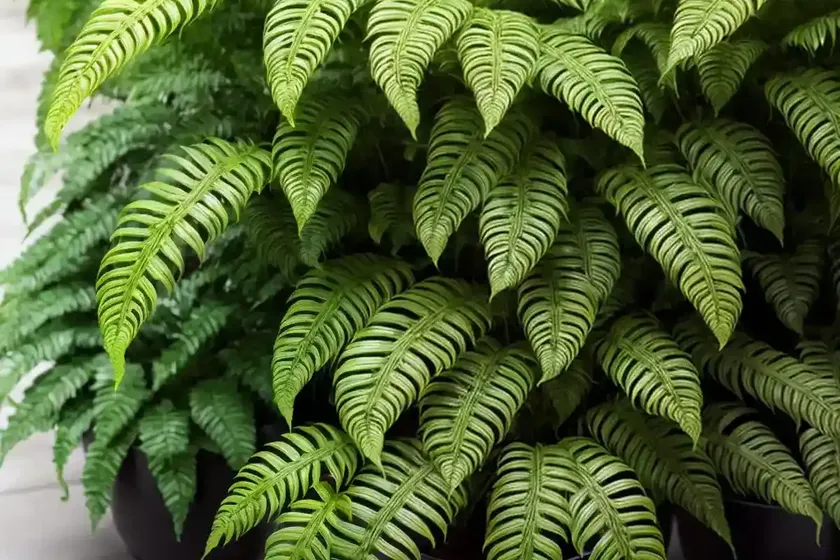
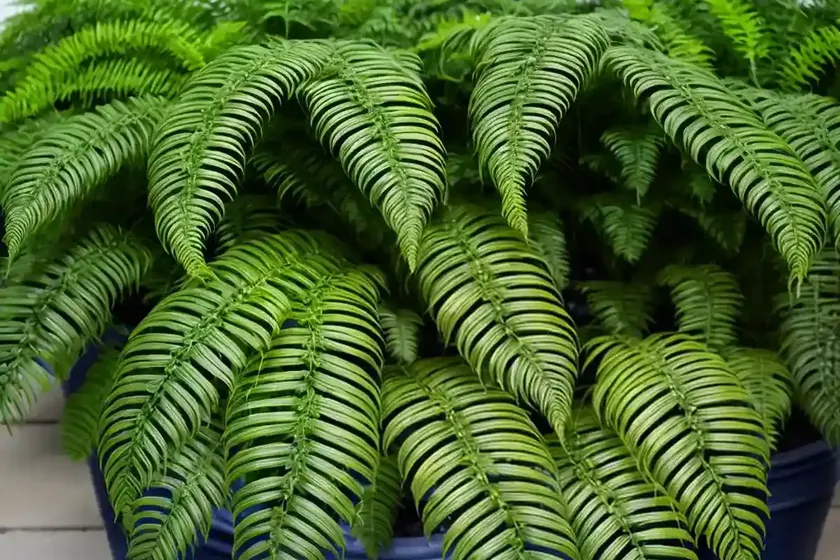
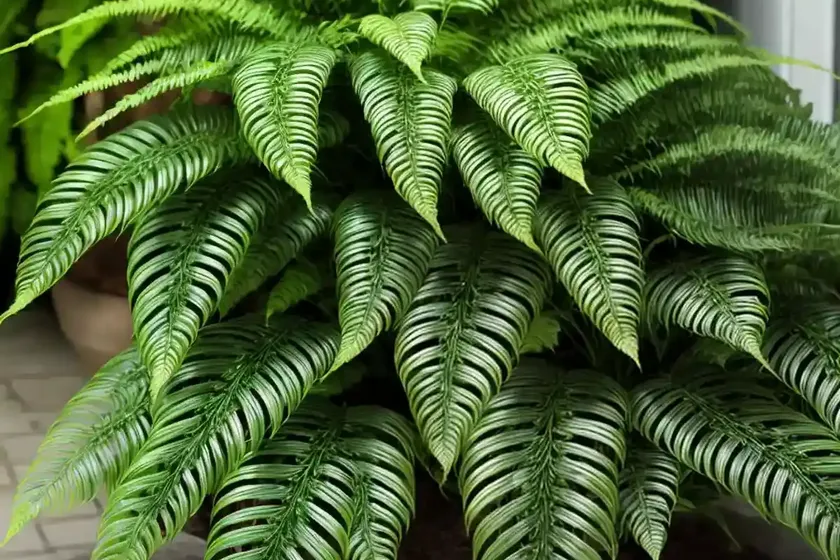
Boston Fern, scientifically known as Nephrolepis exaltata, is one of the most popular ferns in the horticultural world. This plant is native to tropical regions and is known for its graceful, arching fronds, making it a favorite choice for indoor and outdoor gardens. Its delicate, lacy foliage gives it a timeless and elegant appearance, making it a popular choice for both decorative and practical applications.
Key Takeaways – Boston Fern (Nephrolepis exaltata)
Before delving into the detailed care and cultivation of Boston Fern, let’s summarize the key takeaways that you’ll explore in this comprehensive guide:
- Plant Name: Boston Fern (Nephrolepis exaltata)
- Common Name: Sword Fern
- Type: Perennial
- Light: Indirect light
- Water: Regular watering, maintaining high humidity levels
- Soil: Rich, well-draining soil
- Fertilizer: Balanced liquid fertilizer during the growing season
- Pruning: Removal of old, damaged fronds as needed
- Propagation: Division, spores
- Container: Suitable for hanging baskets or as a potted plant
- Popularity: Widely popular as an indoor decorative plant due to its air-purifying qualities
- Common Diseases: Leaf spot, root rot
- Common Pests: Mealybugs, scale insects
Now, let’s dive deeper into each of these aspects to understand how to care for and cultivate the beautiful Boston Fern.
Culture
Boston Fern is a versatile and enchanting plant that offers a range of aesthetic and practical benefits. Here’s a detailed look at the culture and preferred conditions for this striking fern:
- Type: Boston Fern is a perennial plant with a lush, spreading growth habit.
- Light: The plant thrives in bright, indirect light. Avoid direct sunlight, as it can scorch the delicate fronds.
- Water: Maintaining consistent moisture levels is crucial for the health of Boston Fern. Ensure that the soil remains evenly moist, especially during the growing season.
- Soil: Rich, well-draining soil with a slightly acidic to neutral pH (5.5 to 6.5) is ideal for Boston Fern. A mix of peat moss, perlite, and high-quality potting mix provides the right balance of nutrients and drainage.
- Fertilizer: During the active growing months (spring to early fall), feed the Boston Fern with a balanced liquid fertilizer every 4-6 weeks to support healthy growth and lush foliage.
- Pruning: Regularly remove old, yellowing fronds and any damaged growth to maintain the plant’s overall health and appearance.
- Propagation: Boston Fern can be propagated through division or by spores. Division involves separating the crowded plant into smaller sections for independent growth, while spore propagation requires a bit more technical expertise.
Uses
The Boston Fern’s aesthetic appeal and air-purifying qualities make it a popular choice for various indoor and outdoor applications. Some common uses include:
- Indoor Decoration: The elegant, cascading fronds of the Boston Fern make it a sought-after indoor decorative plant, adding a touch of natural beauty to homes, offices, and other indoor spaces.
- Hanging Baskets: Its graceful and trailing growth habit makes it ideally suited for hanging baskets, adding a lush, green touch to balconies, verandas, and patios.
- Air Purification: Boston Fern is renowned for its exceptional air-purifying properties, making it an excellent choice for improving indoor air quality.
Water
Maintaining appropriate moisture levels is crucial for the health and vitality of Boston Fern. Here’s what you need to know about watering this graceful plant:
- Watering Frequency: During the growing season, aim to keep the soil consistently moist, but not waterlogged, to support healthy growth.
- Humidity: Boston Fern thrives in high humidity environments. Regular misting or placing the plant on a pebble tray filled with water can help elevate humidity levels, especially in dry or arid climates.
- Water Quality: Use room-temperature water to avoid shocking the plant with extreme temperature variations, and ensure that the water you use does not contain high levels of fluoride, which can be detrimental to the plant’s health.
Sunlight
While Boston Fern thrives in bright conditions, it’s essential to provide it with the right balance of sunlight to ensure its well-being:
- Light Requirements: Indirect light is best suited for Boston Fern. Position the plant in a location where it receives bright, filtered light, such as near a north or east-facing window.
- Sunlight Exposure: Avoid exposing Boston Fern to direct sunlight, as it can scorch the delicate fronds, leading to leaf burn and a decline in overall health.
Fertilizer
Feeding Boston Fern with the right nutrients is essential for promoting robust growth and lush foliage. Here’s how to ensure optimal nutrition for your fern:
- Fertilizer Type: Use a balanced, water-soluble fertilizer with equal NPK (nitrogen, phosphorus, and potassium) ratios to support overall plant health. Alternatively, you can opt for a fertilizer specifically formulated for ferns.
- Fertilizer Schedule: Apply fertilizer to the plant every 4-6 weeks during the active growing season, typically from spring to early fall, to ensure a steady supply of essential nutrients.
Soil
Choosing the right soil and ensuring proper drainage is crucial for the health and vigor of Boston Fern. Here’s how to create an ideal growing medium for this graceful plant:
- Soil Type: Use a well-draining, high-quality potting mix that is rich in organic matter. A blend of peat moss, perlite, and a balanced potting mix provides the right combination of moisture retention and drainage.
- Soil pH: Boston Fern thrives in slightly acidic to neutral soil with a pH range of 5.5 to 6.5. Test the pH of the soil periodically and make adjustments as needed to maintain optimal growing conditions.
Pruning
Regular pruning is essential to maintain the health, appearance, and vitality of Boston Fern. Here are some key pruning tips for this graceful plant:
- Remove Old Fronds: As the fronds of Boston Fern age and turn yellow, it’s important to remove them to encourage new growth and prevent the plant from expending energy on sustaining old, declining foliage.
- Trimming Practices: Use clean, sharp scissors or pruning shears to trim away any unhealthy or damaged fronds, ensuring that you make clean cuts to minimize the risk of introducing pathogens to the plant.
Propagation
Propagating Boston Fern is a rewarding way to expand your collection of these beautiful plants. Here are the primary methods of propagating Nephrolepis exaltata:
- Division: Divide the root ball of an established Boston Fern into smaller sections, ensuring each division has enough healthy rhizomes and foliage to support independent growth. Plant each division in its own pot or suitable location.
- Spore Propagation: Propagating Boston Fern from spores involves collecting mature spores from the undersides of the fronds, sowing them onto a suitable growing medium, and providing optimal conditions for spore germination and growth.
Container
Choosing the right container and establishing suitable growing conditions are crucial for the well-being of Boston Fern. Here are some container-specific considerations for this elegant plant:
- Container Type: Opt for a hanging basket or a decorative pot with ample drainage holes to ensure proper air circulation and water drainage. Hanging baskets are particularly popular for showcasing the graceful, cascading foliage of Boston Fern.
- Size: Select a container that accommodates the mature size of the plant, providing ample space for the roots to spread and the foliage to cascade gracefully.
- Drainage: Ensure that the container has sufficient drainage holes to prevent waterlogging, which can lead to root rot and other moisture-related issues.
Popularity
The Boston Fern’s elegant appearance and air-purifying qualities have made it a beloved plant choice for indoor and outdoor spaces. Here’s a closer look at the popularity and appeal of Nephrolepis exaltata:
- Indoor Décor: The lush, green foliage of Boston Fern adds a refreshing touch of nature to interior spaces, making it a sought-after choice for homes, offices, and public areas.
- Air-Purifying Qualities: Boston Fern is renowned for its exceptional air-purifying capabilities, making it a popular choice for enhancing indoor air quality and creating healthier living and working environments.
- Decorative Uses: Its graceful growth habit and visual appeal make Boston Fern a versatile and decorative plant choice for a wide range of settings, from contemporary interiors to traditional gardens.
Common Diseases
While Boston Fern is relatively resilient, it is susceptible to certain diseases. Here are some common diseases that can affect Nephrolepis exaltata and how to identify and address them:
- Leaf Spot: Leaf spot is characterized by the appearance of dark or discolored spots on the foliage. This condition is often caused by overwatering, poor air circulation, or high humidity levels. To prevent and address leaf spot, ensure proper air circulation, avoid overhead watering, and prune away affected foliage.
- Root Rot: Overly soggy or waterlogged soil can lead to root rot, which is characterized by a foul odor, mushy roots, and declining overall plant health. Address root rot by allowing the soil to dry out slightly between watering sessions and adjusting the watering frequency as needed.
Disease Diagnosis
Timely diagnosis of diseases is crucial for effective management and treatment. Here’s how to diagnose common diseases that can affect Boston Fern:
- Visual Symptoms: Examine the foliage and the base of the plant for any visible signs of discoloration, spots, or unusual growth patterns.
- Soil and Root Inspection: Check the soil moisture levels and inspect the roots for any signs of decay, discoloration, or foul odor.
- Environmental Factors: Evaluate the growing conditions, such as humidity levels, watering practices, and air circulation, to identify any potential triggers for disease development.
Common Pests
Boston Fern is relatively resistant to pests, but certain insects can still pose a threat to its well-being. Here are some common pests that may affect Nephrolepis exaltata:
- Mealybugs: These small, white, cottony insects can infest Boston Fern, causing damage to the foliage and spreading to neighboring plants if left unchecked. Use insecticidal soap or horticultural oil to treat mealybug infestations.
- Scale Insects: Scale insects can appear as small, waxy bumps on the fronds and stems of Boston Fern. They can siphon the plant’s nutrients and cause decline if not addressed promptly. To control scale insects, gently scrub the affected areas with a soft brush and treat the plant with insecticidal soap or neem oil.
Botanist’s Tips
As a plant scientist with a passion for Nephrolepis exaltata, here are some botanist’s tips to help you cultivate and care for your Boston Fern:
- Monitor Moisture Levels: Regularly check the soil moisture levels and adjust your watering practices accordingly to maintain the right balance of moisture for the plant.
- Prune with Precision: When pruning Boston Fern, use clean, sharp tools to make precise cuts, and avoid removing more foliage than necessary to minimize stress on the plant.
- Monitor Humidity: Be attentive to the humidity levels around your Boston Fern, especially in dry or centrally heated environments, and take measures to increase humidity as needed to support optimal growth.
Fun Facts
Discover some intriguing and delightful facts about Boston Fern that showcase its unique characteristics and appeal:
- Historical Significance: The Boston Fern gained popularity during the Victorian era and became a symbol of refinement and elegance in homes and gardens.
- Air Purification: Boston Fern is recognized for its remarkable air-purifying capabilities, making it an excellent choice for enhancing indoor air quality.
- Native Habitat: Nephrolepis exaltata is native to tropical regions, where it thrives in humid, shaded environments, showcasing its preference for consistent moisture and indirect light.
Links to External Resources
To further enhance your understanding of Boston Fern and its care requirements, we recommend exploring the following external resources:
- The American Fern Society
- Missouri Botanical Garden: Nephrolepis exaltata
- University of Florida IFAS Extension: Boston Fern
- Royal Horticultural Society: Nephrolepis exaltata
With an in-depth understanding of the cultural requirements, uses, watering needs, sunlight preferences, and other aspects of Boston Fern, you can cultivate and care for this elegant plant in a way that enhances its beauty and ensures its long-term health and vitality.
By incorporating the insights shared in this comprehensive guide, you can create an optimal environment for Boston Fern, allowing its graceful foliage to thrive and add a refreshing touch of green to your indoor and outdoor spaces. Whether you’re a seasoned plant enthusiast or a beginner looking to delve into the world of ferns, Nephrolepis exaltata is sure to captivate and inspire with its timeless charm and enchanting greenery.


