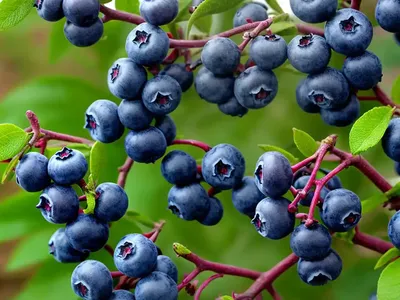
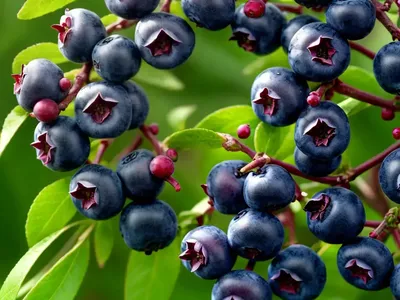
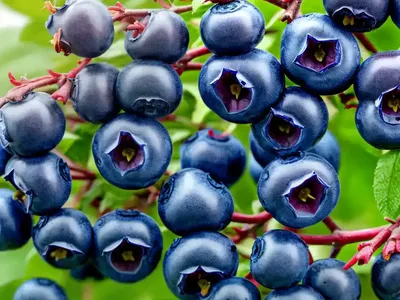
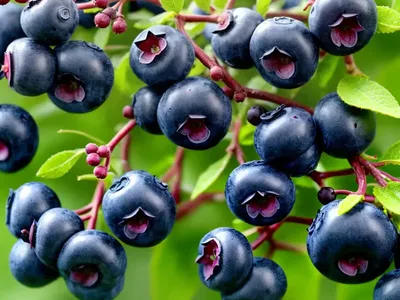
Blueberry Reka (Vaccinium Corymbosum ‘reka’)
Blueberries are one of the most popular fruits due to their delicious flavor and numerous health benefits. They are not only a great addition to your.
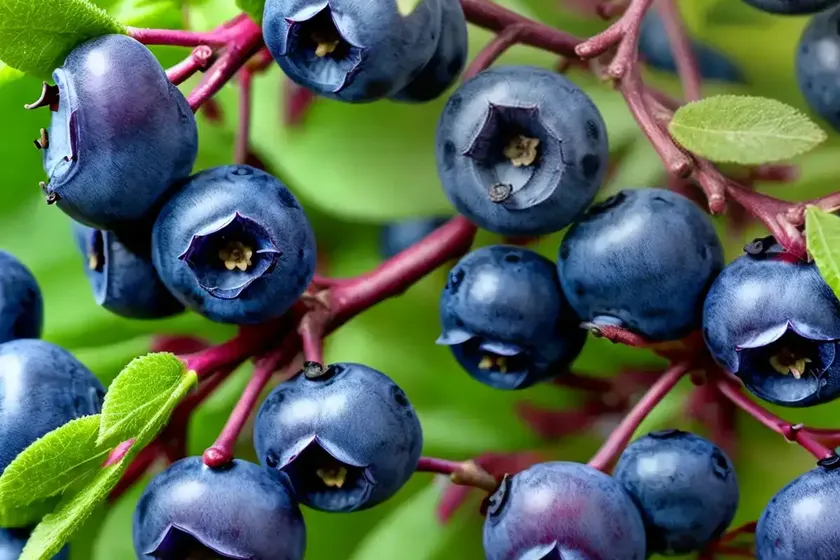
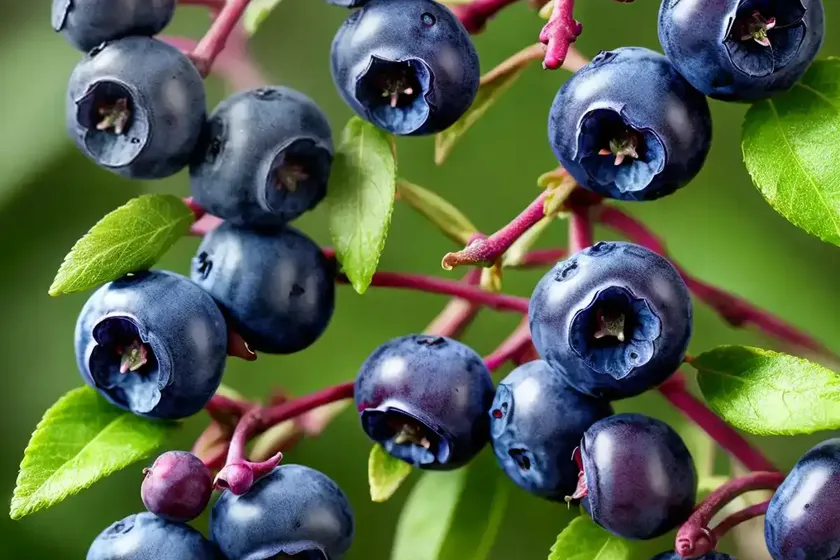
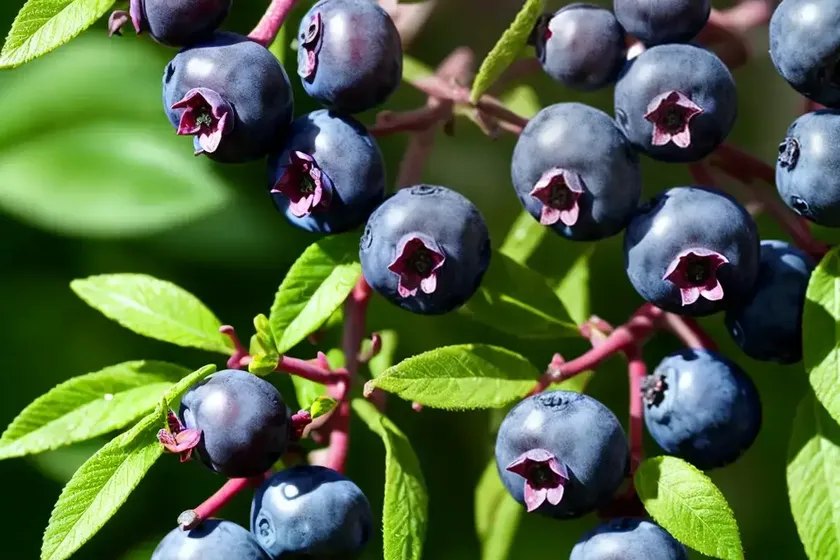
Blueberries are one of the most popular fruits due to their delicious flavor and numerous health benefits. They are not only a great addition to your garden but also a valuable source of essential nutrients. As a plant scientist, I have always been fascinated by the Blueberry Reka variety (Vaccinium Corymbosum ‘reka’). This article will provide a comprehensive guide to growing and caring for Blueberry Reka plants. We will delve into its culture, uses, water, sunlight, fertilizer, soil, pruning, propagation, container gardening, common diseases, pest control, and other essential aspects of this fascinating plant.
What is a Blueberry Reka (Vaccinium Corymbosum ‘reka’)?
Blueberry Reka (Vaccinium Corymbosum ‘reka’) is a variety of highbush blueberry, known for its exceptional hardiness and abundant, flavorful berries. It is a cultivar that belongs to the Vaccinium genus and is derived from the species Vaccinium corymbosum. The Blueberry Reka is cherished by home gardeners and commercial growers alike for its adaptability to diverse climates and its impressive yield of delectable blueberries.
Key Takeaways – Blueberry Reka (Vaccinium Corymbosum ‘reka’)
- Botanical Name: Vaccinium Corymbosum ‘reka’
- Common Name: Blueberry Reka
- Type: Deciduous shrub
- Family: Ericaceae
- USDA Hardiness Zones: 3-7
- Mature Size: 4-6 feet in height and spread
- Fruit Color: Blue
- Harvest Time: Mid to late summer
- Special Characteristics: Cold-hardy, high yield
Now, let’s examine the various aspects of growing and caring for the Blueberry Reka in detail.
Culture
Cultivating Blueberry Reka requires attention to specific cultural practices to ensure its optimal growth and fruit production. From soil requirements to pollination, understanding the cultural needs of this blueberry variety is essential for successful cultivation.
Uses
Blueberry Reka is primarily cultivated for its delectable berries. Whether you enjoy them fresh, in baked goods, or preserved in jams, the berries of the Blueberry Reka are versatile and highly sought after for their flavor and nutritional value. Additionally, the attractive foliage of the Blueberry Reka makes it a desirable ornamental plant in gardens and landscapes.
Water
Proper water management is crucial for the health and productivity of Blueberry Reka plants. These shrubs require consistently moist but well-drained soil, especially during the fruit development stage. The soil should never be allowed to dry out completely, as this can result in poor fruit set and quality. A regular watering schedule, supplemented with mulching, can help maintain ideal soil moisture levels.
Sunlight
Blueberry plants, including the Reka variety, thrive in full sun. They require at least 6-8 hours of direct sunlight daily to ensure robust growth and abundant fruiting. When selecting a planting site, it is important to choose a location that receives ample sunlight throughout the day, especially during the growing season.
Fertilizer
Proper fertilization is essential for maximizing the growth and productivity of Blueberry Reka plants. They benefit from acidic fertilizers designed for acid-loving plants, as well as organic matter such as compost and pine bark. It is important to conduct a soil test to determine the pH and nutrient levels of the soil before applying any fertilizers. This will help in developing a targeted fertilization plan to address the specific needs of the plants.
Soil
Blueberry Reka plants have specific soil requirements, primarily related to soil acidity and drainage. They thrive in well-drained, acidic soil with a pH in the range of 4.5 to 5.5. Amending the soil with organic matter and using mulch can help maintain the desired acidic pH and moisture levels. It is important to avoid planting Blueberry Reka in heavy, compacted soils that do not provide adequate drainage.
Pruning
Pruning is an essential aspect of Blueberry Reka care, as it helps maintain plant health, shape, and productivity. Winter pruning, during the plant’s dormant season, is particularly important for removing dead or damaged wood, improving airflow, and stimulating new growth. Additionally, regular pruning can help control the size of the shrub and promote the development of strong, fruit-bearing branches.
Propagation
Blueberry Reka plants can be propagated through several methods, including hardwood cuttings, softwood cuttings, and division. Each method has its own set of requirements and best practices, and successful propagation often depends on factors such as timing, hormone application, and environmental conditions. Propagation allows gardeners to expand their Blueberry Reka collection and share plants with others.
Container Gardening
The Blueberry Reka is also well-suited for container gardening, making it an excellent choice for individuals with limited garden space or those looking to grow blueberries on patios, balconies, or other small urban settings. When grown in containers, Blueberry Reka plants require specific care related to soil, watering, and fertilization to ensure their health and productivity.
Popularity
The Blueberry Reka is a highly popular variety among home gardeners and commercial growers due to its numerous desirable traits, which include cold hardiness, high yield, and excellent flavor. Its adaptability to a wide range of climates and its relatively compact size make it a versatile choice for various growing environments.
Common Diseases and Disease Diagnosis
Like all plants, Blueberry Reka is susceptible to certain diseases that can affect its overall health and productivity. Understanding these diseases, their symptoms, and appropriate management strategies is crucial for maintaining vigorous and fruitful plants.
| Disease | Symptoms | Management |
|---|---|---|
| Mummy Berry | Distorted, discolored berries | Fungicide application, removing infected fruit |
| Botrytis Blight | Gray mold on flowers and fruit | Proper ventilation, fungicide application |
| Phytophthora Root Rot | Wilting, browning of leaves | Well-drained soil, fungicide application |
| Powdery Mildew | White powdery growth on leaves | Fungicide application, proper spacing |
Common Pests
In addition to diseases, Blueberry Reka plants can be susceptible to various pests that may hinder their growth and fruit production. It is important to monitor the plants regularly for signs of pest infestations and to take appropriate measures to manage and control these pests.
- Spotted Wing Drosophila (Drosophila suzukii): This fruit fly can cause significant damage to blueberries by laying eggs in the fruit, leading to infestation and deterioration. Effective pest management strategies include using traps and introducing natural predators.
- Japanese Beetle (Popillia japonica): These beetles can feed on the foliage and cause defoliation, weakening the plants. Control measures include handpicking, using insecticidal soap, and applying neem oil.
Botanist’s Tips
As a plant scientist, I have gathered valuable insights and tips for successfully growing and caring for Blueberry Reka plants. These tips are derived from both scientific knowledge and practical experience with this particular blueberry variety.
- Soil Testing: Conduct a comprehensive soil test before planting Blueberry Reka to assess the pH and nutrient levels of the soil. This will help in making informed decisions regarding soil amendments and fertilization.
- Mulching: Apply a thick layer of mulch around the base of Blueberry Reka plants to help maintain soil moisture, suppress weeds, and regulate soil temperature.
- Pruning Techniques: Learn and utilize proper pruning techniques to enhance the structural integrity and fruiting potential of Blueberry Reka. Removing older wood and thinning out crowded branches can promote better airflow and light penetration.
Fun Facts
- Blueberries are one of the few truly blue foods, and their color is attributed to high levels of anthocyanins, which are beneficial antioxidants.
- The blueberry plant is part of the Ericaceae family, which includes other acid-loving plants like cranberries and rhododendrons.
- Blueberry Reka is known for its cold hardiness, making it a suitable choice for regions with harsh winter climates.
By following the guidelines and tips outlined in this comprehensive guide, gardeners and growers can nurture healthy and productive Blueberry Reka plants, ultimately enjoying bountiful harvests of delicious blueberries.
Links to External Resources
For additional information and resources on Blueberry Reka (Vaccinium Corymbosum ‘reka’) and blueberry cultivation, the following links can offer valuable insights and practical guidance:
- University of Maine Cooperative Extension – Growing Blueberries
- North Carolina State University – Blueberry Information Portal
- The Blueberry People – Blueberry Care Guide
- University of Georgia Extension – Commercial Blueberry Production
- United States Highbush Blueberry Council
These resources provide a wealth of information on blueberry cultivation, care, and management practices, serving as valuable references for both novice and experienced growers.
In conclusion, the Blueberry Reka (Vaccinium Corymbosum ‘reka’) is an exceptional blueberry variety that offers a host of benefits to gardeners and enthusiasts. Whether cultivated for its delicious fruits or ornamental appeal, this cultivar has earned its place as a beloved and valuable addition to gardens and landscapes. Understanding its specific cultural requirements, disease management strategies, and best practices for care and maintenance is essential for successfully growing and enjoying the bountiful harvests of Blueberry Reka.
As a plant scientist, I encourage individuals to explore the world of blueberry cultivation and experience the joy of nurturing these remarkable plants, ultimately reaping the rewards of their flavorful and nutritious berries.
Remember, the journey of cultivating Blueberry Reka can be as rewarding as the bountiful harvest it yields!