Blue Sansevieria (Sansevieria Ehrenbergii)
Sansevieria, commonly known as snake plant or Mother-in-law’s tongue, is a popular genus of flowering plants native to West Africa. Known for its striking.
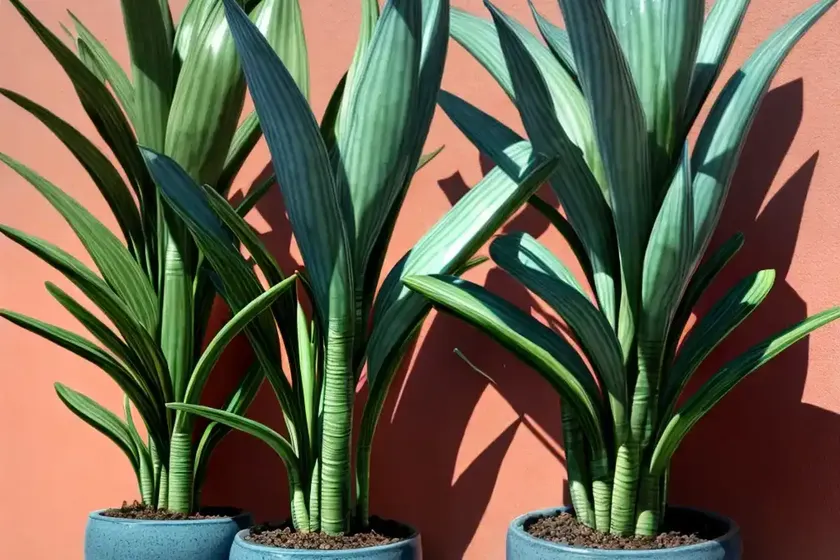
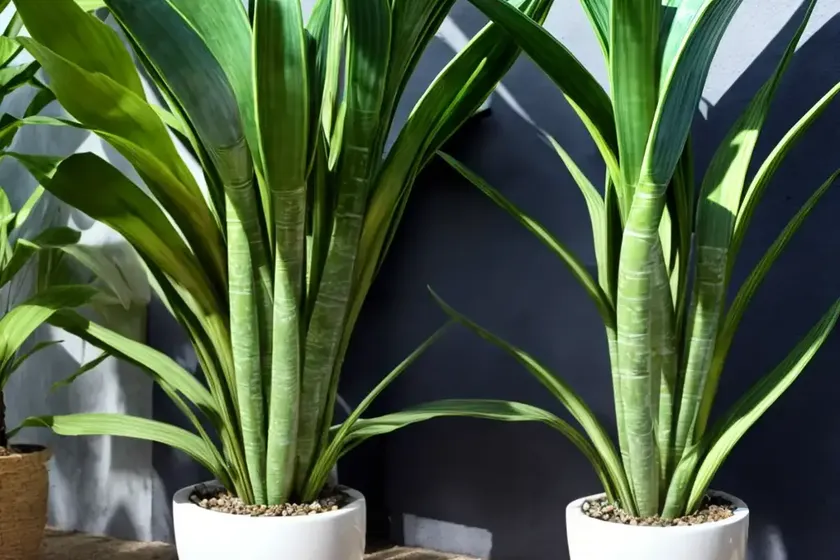
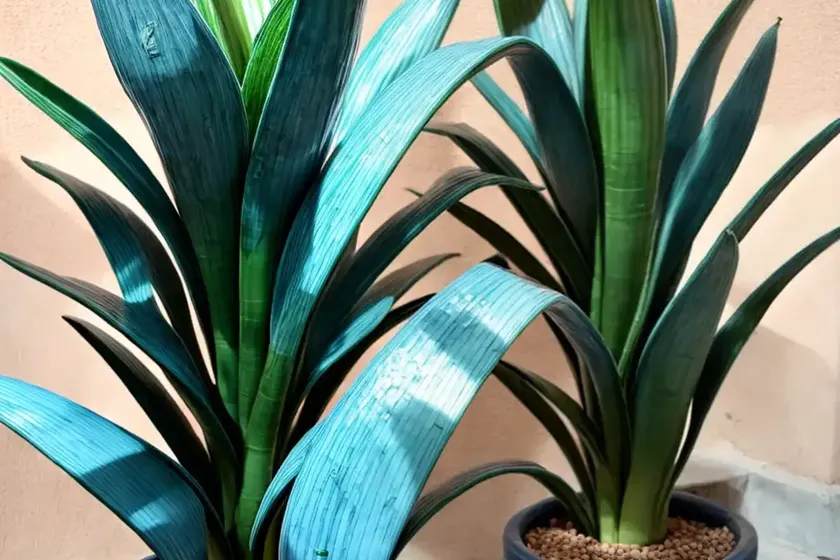
Sansevieria, commonly known as snake plant or Mother-in-law’s tongue, is a popular genus of flowering plants native to West Africa. Known for its striking upright leaves and low maintenance requirements, Sansevieria plants have become a staple in both indoor and outdoor gardens. One particular species that has gained significant attention in recent years is the Blue Sansevieria (Sansevieria ehrenbergii). In this comprehensive plant care guide, we will delve into the culture, uses, care requirements, and propagation methods for the Blue Sansevieria.
What is Blue Sansevieria (Sansevieria ehrenbergii)?
Originally from Eastern Africa, specifically Kenya and North Tanzania, the Blue Sansevieria (Sansevieria ehrenbergii) is a striking succulent plant characterized by its beautiful blue-green foliage and unique rosette-forming growth habit. This species is a compact, slow-growing plant that belongs to the Asparagaceae family and is closely related to the more commonly known Sansevieria trifasciata.
Key Takeaways – Blue Sansevieria (Sansevieria ehrenbergii)
Before diving deeper into the specifics of caring for the Blue Sansevieria, let’s overview the key takeaways:
- Plant Name: Blue Sansevieria (Sansevieria ehrenbergii)
- Plant Type: Succulent
- Native Habitat: Eastern Africa (Kenya, North Tanzania)
- Foliage Color: Blue-green
- Growth Habit: Rosette-forming
- Family: Asparagaceae
The Blue Sansevieria has become a sought-after plant for both indoor and outdoor cultivation due to its unique foliage color and low maintenance requirements.
Culture
Understanding the natural habitat and preferred growing conditions of the Blue Sansevieria is essential for successfully nurturing this plant. By replicating its native environment, you can ensure that the plant thrives and remains healthy.
Natural Habitat
In its natural habitat, Blue Sansevieria (Sansevieria ehrenbergii) can be found growing in arid regions with well-draining soils. It is often spotted in rocky, sandy, and dry areas, where it has adapted to survive with minimal water and nutrients.
Indoor and Outdoor Cultivation
When cultivating Blue Sansevieria indoors, it’s crucial to simulate its natural conditions. Using well-draining potting mix and providing ample sunlight is key to ensuring the plant’s health. In outdoor settings, the Blue Sansevieria can thrive in rock gardens, succulent beds, and xeriscape landscapes, complementing other drought-tolerant plants.
Uses
The Blue Sansevieria is a versatile plant with several uses, both aesthetically and functionally.
- Aesthetic Uses: Due to its unique blue-green foliage, the plant serves as an attractive ornamental addition to indoor spaces, gardens, and landscapes.
- Air Purification: Like many other Sansevieria species, Sansevieria ehrenbergii is an efficient air purifier, effectively removing toxins such as formaldehyde and benzene from the air. This makes it an excellent choice for improving indoor air quality.
- Feng Shui: In the practice of Feng Shui, Sansevieria plants, including the Blue Sansevieria, are believed to bring positive energy and luck into the living space.
Care Requirements
To ensure the optimal growth and health of the Blue Sansevieria, it is essential to understand its specific care requirements related to water, sunlight, fertilizer, soil, and pruning.
Water
The Blue Sansevieria is exceptionally drought-tolerant and can withstand prolonged periods without water. Overwatering is a common issue that can lead to root rot and other complications. Therefore, it is crucial to allow the soil to dry out completely between watering sessions. During the growing season, typically spring and summer, a monthly watering schedule is generally sufficient. In contrast, during the dormant season in fall and winter, watering can be further spaced out to avoid waterlogging the plant.
Sunlight
Blue Sansevieria (Sansevieria ehrenbergii) thrives in bright, indirect light. It can tolerate low light conditions, but its growth may slow down in such environments. Placing the plant near a window that receives filtered or indirect sunlight can provide an ideal balance for its light requirements.
Fertilizer
Being a slow-growing plant, the Blue Sansevieria does not have high fertilizer requirements. A balanced, general-purpose houseplant fertilizer can be applied at half strength every 3-4 months during the growing season. It is important to avoid over-fertilizing, as this can lead to salt buildup in the soil.
Soil
The ideal soil for Blue Sansevieria is well-draining and slightly acidic. A cactus or succulent potting mix that contains a good proportion of sand, perlite, or vermiculite can provide the necessary drainage. It is essential to avoid heavy, water-retentive soils that can lead to root rot.
Pruning
Pruning requirements for the Blue Sansevieria are minimal. Removing any discolored or damaged leaves can help maintain the plant’s aesthetics and prevent potential pest or disease issues. Additionally, pruning can be performed to control the size and shape of the plant if needed.
Propagation
Propagating the Blue Sansevieria is relatively straightforward and can be achieved through leaf cuttings or division.
- Leaf Cuttings: Select a healthy leaf and cut it into 2-3 inch sections. Allow the cut ends to callus for a day or two, then plant them in a moist succulent or cactus mix. With proper care, these cuttings will develop into new plants.
- Division: If the plant has multiple rhizomes, it can be carefully divided during repotting. Each division should have a good root system and a few leaves to support independent growth.
Container
When selecting a container for Blue Sansevieria, prioritize a pot with adequate drainage holes to prevent waterlogging. The size of the pot should accommodate the plant’s current size, with a little room for growth. Terracotta pots are often preferred for their breathability and ability to wick away excess moisture from the soil.
Popularity
The Blue Sansevieria (Sansevieria ehrenbergii) has gained considerable popularity among plant enthusiasts and collectors due to its unique foliage color and attractive growth habit. Its increasing demand in the horticultural market is reflected in the rising availability of this species in nurseries and online plant stores.
Common Diseases and Pests
While the Blue Sansevieria is relatively resilient, it can still be susceptible to certain diseases and pests. Understanding these potential issues is crucial for proactive management and maintaining the plant’s health.
Disease Diagnosis
The most common diseases that may affect Blue Sansevieria include fungal infections such as root rot and leaf rot, typically arising from overwatering or poorly draining soil. Additionally, bacterial issues and leaf blight can occur under excessively moist conditions. Promptly addressing these concerns by adjusting the watering schedule and providing better drainage can help mitigate these diseases.
Common Pests
Pests that may pose a threat to Blue Sansevieria plants include:
- Spider Mites: These tiny pests can cause stippling and webbing on the leaves, leading to weakened plant health.
- Mealybugs: Mealybugs are notorious for infesting the crevices of Sansevieria leaves and can cause damage through their feeding activity.
- Scale Insects: Scale insects can attach themselves to the leaves and stems, damaging the plant by draining its sap.
Regularly inspecting the plant for signs of these pests and taking appropriate measures such as using neem oil or insecticidal soaps can help keep infestations under control.
Botanist’s Tips
To ensure the successful care and cultivation of Blue Sansevieria, consider these additional tips:
- Avoid Overwatering: Consistent overwatering is the most common cause of issues with Sansevieria plants. Allow the soil to dry out thoroughly between watering sessions to prevent root rot.
- Monitor Light Exposure: While the Blue Sansevieria can tolerate low light conditions, it flourishes in bright, indirect light. Keep an eye on the plant’s growth and adjust its location as needed to optimize light exposure.
Fun Facts
- The blue-green color of the Blue Sansevieria’s leaves is a result of a waxy substance on the foliage that helps the plant conserve moisture in arid conditions.
- Sansevieria plants, including the Blue Sansevieria, are recognized for their air-purifying abilities, making them excellent additions to indoor spaces.
Links to External Resources
- Sansevieria ehrenbergii: A Morphological, Anatomical and Ecological Study (academic paper)
- Guide to Growing Snake Plants (Sansevieria)
- Sansevieria ehrenbergii Care Tips: Gardening Know How
In conclusion, the Blue Sansevieria (Sansevieria ehrenbergii) is a remarkable plant that combines striking aesthetics with minimal care requirements, making it an ideal choice for both novice and experienced plant enthusiasts. By understanding its specific cultural needs, propagation methods, and potential challenges, you can create an environment where the Blue Sansevieria thrives and enhances its surroundings with its unique blue-green foliage.