Blue Orchid (Vanda Coerulea)
The Blue Orchid, scientifically known as Vanda Coerulea, is a stunning and unique plant that has captured the hearts of many plant enthusiasts. Its vibrant.
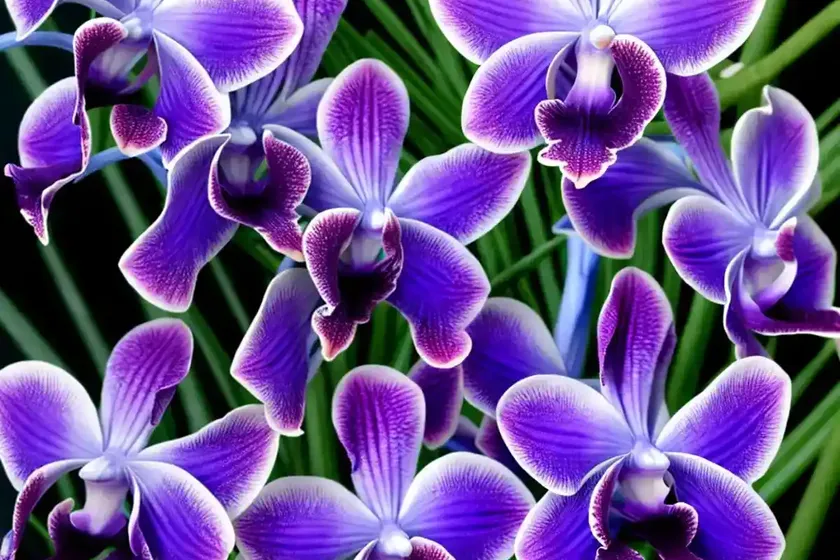
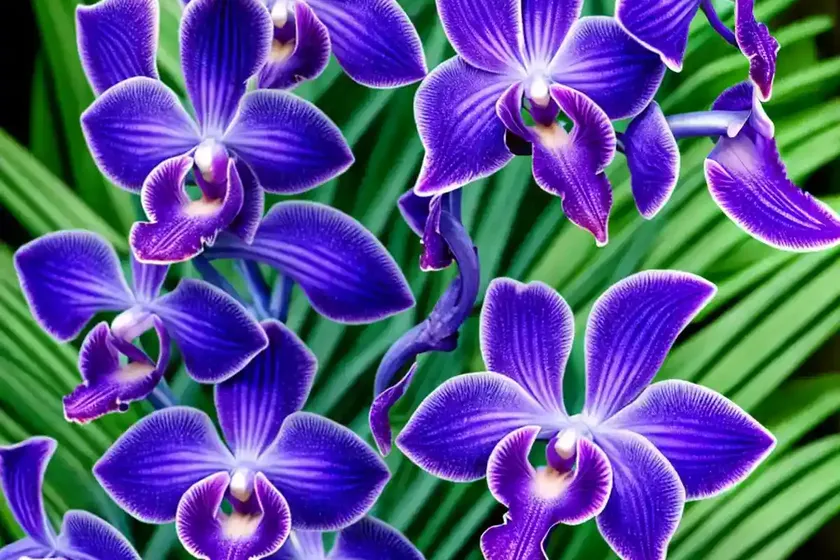
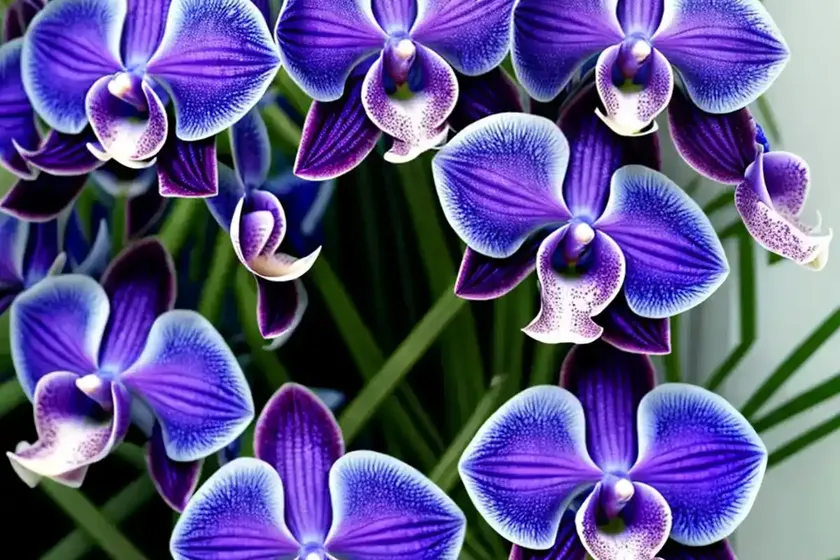
The Blue Orchid, scientifically known as Vanda Coerulea, is a stunning and unique plant that has captured the hearts of many plant enthusiasts. Its vibrant blue flowers and elegant appearance make it a coveted addition to any garden or indoor space. In this comprehensive guide, we will explore everything you need to know about the Blue Orchid, including its culture, uses, care requirements, maintenance, and much more. Whether you are a novice or experienced gardener, this guide will provide you with valuable insights into the world of Vanda Coerulea.
What is the Blue Orchid (Vanda Coerulea)?
Vanda Coerulea, commonly referred to as the Blue Orchid, is a species of orchid that is native to India, Myanmar, and Thailand. It belongs to the genus Vanda, which is known for its vibrant and exotic flowers. The Blue Orchid is highly prized for its striking blue blossoms, which set it apart from other orchid varieties. This plant is an epiphyte, which means that it grows on other plants or trees without being parasitic. In its natural habitat, it can be found clinging to the bark of trees, where it thrives in warm and humid environments.
Key Takeaways – Blue Orchid (Vanda Coerulea)
As a plant scientist and enthusiast, I have compiled a detailed list of key takeaways for the Blue Orchid (Vanda Coerulea), covering its culture, uses, water requirements, sunlight needs, fertilizer recommendations, soil preferences, pruning techniques, propagation methods, container considerations, popularity, common diseases, pest control, and other essential aspects of its care and maintenance.
Culture
The culture of the Blue Orchid encompasses its growing conditions, natural habitat, and overall environment. Understanding the plant’s cultural requirements is crucial for nurturing its growth and ensuring optimal health and blooming. Here are some key cultural aspects to consider when caring for Vanda Coerulea:
-
Natural Habitat: The Blue Orchid is native to subtropical and tropical regions, where it thrives in warm and humid climates. It is often found growing on trees or rocks in its natural habitat, where it receives ample sunlight and air circulation.
-
Growing Conditions: When cultivating the Blue Orchid, it is essential to recreate its natural growing conditions as closely as possible. This includes providing the right balance of light, humidity, and air circulation.
-
Environmental Factors: Factors such as temperature, humidity, and air quality play a significant role in the cultural requirements of Vanda Coerulea. Maintaining stable environmental conditions is essential for the plant’s overall well-being.
Uses
The Blue Orchid (Vanda Coerulea) has a range of uses, both ornamental and cultural. Understanding the various uses of this beautiful plant can help you appreciate its significance and versatility. Here are some common uses of the Blue Orchid:
-
Ornamental Display: The stunning blue flowers of the Vanda Coerulea make it a popular choice for ornamental displays in gardens, homes, and events. Its vibrant blooms add a touch of elegance and exotic beauty to any setting.
-
Symbolism: In many cultures, orchids, including the Blue Orchid, are associated with love, beauty, and luxury. They are often used symbolically in art, ceremonies, and celebrations.
-
Cultural Significance: In some traditional practices and festivals, orchids are used for their cultural and symbolic significance. They may be incorporated into rituals, decorations, or gifts.
Water
Proper watering is essential for the health and vitality of the Blue Orchid. Understanding the plant’s water requirements and implementing a suitable watering schedule is crucial for its overall well-being. Here are some key considerations for watering Vanda Coerulea:
-
Watering Schedule: The Blue Orchid prefers a consistent and regulated watering schedule. It is important to avoid overwatering or allowing the roots to dry out completely. Finding the right balance is essential for preventing root rot and maintaining healthy foliage.
-
Water Quality: Using clean, non-chlorinated water is recommended for watering the Blue Orchid. Rainwater or distilled water is preferable to tap water, as it reduces the risk of mineral buildup in the growing medium.
-
Humidity: In addition to regular watering, providing adequate humidity is important for the Blue Orchid. This can be achieved through misting, humidity trays, or growing the plant in a well-ventilated and humid environment.
Sunlight
Proper exposure to sunlight is crucial for the Blue Orchid’s growth and blooming. Understanding its sunlight requirements and providing suitable light conditions is essential for cultivating healthy and vibrant plants. Here are some key points to consider regarding sunlight for Vanda Coerulea:
-
Light Levels: The Blue Orchid thrives in bright, indirect light. It requires ample sunlight to support its photosynthesis and blooming processes. However, direct sunlight can cause sunburn and damage the delicate foliage and flowers.
-
Orientation: When positioning the Blue Orchid, it is important to consider its orientation relative to the sun. Providing gentle morning or afternoon sun exposure is beneficial, while protecting the plant from intense midday sun is advisable.
-
Light Duration: Orchids, including the Blue Orchid, typically benefit from 12-14 hours of light per day. Providing a consistent light schedule supports the plant’s growth and flowering cycles.
Fertilizer
Supplemental fertilization is important for providing essential nutrients to the Blue Orchid. Understanding the plant’s fertilizer requirements and using appropriate fertilizers is crucial for promoting healthy growth and robust blooming. Here are some key aspects to consider when fertilizing Vanda Coerulea:
-
Fertilizer Type: Using a balanced fertilizer specifically formulated for orchids is ideal for the Blue Orchid. These fertilizers typically have a higher nitrogen content to support vegetative growth and a balanced mix of other essential nutrients.
-
Fertilizing Schedule: Orchids generally benefit from a regular, diluted feeding schedule. Applying a quarter-strength fertilizer solution every 1-2 weeks during the growing season is a common practice. It is important to adjust the frequency and concentration based on the plant’s response and growth stage.
-
Nutrient Imbalances: Monitoring the plant for any signs of nutrient deficiencies or excesses is important when fertilizing the Blue Orchid. Adjusting the fertilizer regimen based on the plant’s needs can help maintain optimal nutrient levels.
Soil
Understanding the preferred growing medium for the Blue Orchid is essential for providing a suitable environment for its roots and overall growth. While Vanda Coerulea is an epiphytic orchid that naturally grows on trees, it can also be cultivated in a well-draining medium. Here are some key points to consider regarding the soil preferences of the Blue Orchid:
-
Growing Medium: Orchids such as Vanda Coerulea thrive in a well-draining and aerated growing medium. A common medium for orchids includes bark, sphagnum moss, perlite, and charcoal. This provides ample air circulation and prevents waterlogged conditions.
-
Potting Material: When potted, the Blue Orchid should be placed in a container with ample drainage holes to prevent water accumulation. Use a specialized orchid potting mix that promotes good drainage and aeration.
-
Repotting: Repotting the Blue Orchid is recommended when the growing medium breaks down or becomes compacted. This allows for root inspection, rejuvenation of the growing medium, and redistribution of the plant’s root system.
Pruning
Pruning the Blue Orchid is an important aspect of its maintenance and care. Proper pruning techniques help maintain the plant’s health, appearance, and flowering potential. Here are some key considerations for pruning Vanda Coerulea:
-
Deadheading: Removing spent flowers and old flower spikes helps redirect the plant’s energy into new growth and blooming. Deadheading also improves the aesthetic appeal of the orchid.
-
Aerial Roots: Orchids, including Vanda Coerulea, often produce aerial roots that extend outside the growing medium. Trimming or redirecting these roots can help manage the plant’s overall growth and appearance.
-
Diseased or Damaged Tissue: Pruning away diseased, damaged, or dead tissue is important for preventing the spread of infections and maintaining the plant’s overall health.
Propagation
Propagation allows for the expansion of Blue Orchid collections and the sharing of this beautiful plant with other enthusiasts. Understanding the propagation methods and techniques is essential for successfully propagating Vanda Coerulea. Here are some key points to consider regarding the propagation of the Blue Orchid:
-
Stem Cuttings: Propagating the Blue Orchid from stem cuttings is a common method that involves taking sections of the plant’s stem with nodes. These sections can then be rooted in a suitable growing medium to establish new plants.
-
Keiki Production: Keikis, or baby orchids, often develop on the flower spikes of Vanda Coerulea. These can be carefully removed and potted to establish new plants.
-
Division: Dividing mature orchid clumps allows for the creation of multiple individual plants. This process involves separating the plant into smaller sections, each with its own viable roots and growing points.
Container
Selecting the right container for the Blue Orchid is important for providing a suitable environment for its growth and development. Understanding the container considerations and choosing appropriate pots or mounting surfaces is essential for the plant’s overall well-being. Here are some key aspects to consider when selecting a container for Vanda Coerulea:
-
Air Circulation: Orchids thrive in containers that provide ample air circulation around the roots and growing medium. Porous containers, slatted baskets, or mounting surfaces encourage air movement and prevent waterlogging.
-
Drainage: Ensuring proper drainage is crucial when selecting a container for the Blue Orchid. Containers should have multiple drainage holes to allow excess water to escape and prevent root rot.
-
Mounting Options: In addition to traditional pots, Vanda Coerulea can be mounted on tree fern or cork mounts. These mounting options closely resemble the plant’s natural growing environment and allow for healthy root development.
Popularity
The Blue Orchid (Vanda Coerulea) is renowned for its beauty and charisma, earning it popularity among plant enthusiasts, collectors, and gardeners. Understanding the factors that contribute to its popularity can provide valuable insights into the plant’s appeal. Here are some key reasons for the popularity of the Blue Orchid:
-
Unique Flowers: The vibrant blue flowers of Vanda Coerulea are truly unique in the world of orchids. Their striking color and elegant appearance make them highly sought after by collectors and growers.
-
Artistic Value: The Blue Orchid’s aesthetic appeal is often celebrated in art, literature, and cultural representations. Its beauty and symbolism contribute to its enduring popularity.
-
Rareness: While the Blue Orchid’s stunning blue flowers are captivating, they are also relatively rare in the orchid world. This rarity adds to the plant’s allure and desirability.
Common Diseases
Like all plants, the Blue Orchid is susceptible to certain diseases that can impact its health and vitality. Understanding the common diseases that affect Vanda Coerulea and implementing preventative measures is crucial for maintaining a thriving plant. Here are some common diseases that can affect the Blue Orchid:
-
Root Rot: Overwatering and poor drainage can lead to root rot in the Blue Orchid. This condition causes the roots to decay and can ultimately result in the decline of the plant.
-
Bacterial or Fungal Infections: Bacterial and fungal pathogens can cause leaf spots, stem rots, and other symptoms in Vanda Coerulea. These infections can be exacerbated by high humidity and poor air circulation.
-
Viral Diseases: Viruses can affect the overall vigor and appearance of the Blue Orchid. Symptoms may include mottled or distorted foliage, stunted growth, and reduced flowering.
Disease Diagnosis
Diagnosing and identifying diseases in the Blue Orchid is an important aspect of plant care. Recognizing the symptoms and signs of common diseases can help guide treatment and management strategies. Here are some key steps for diagnosing diseases in Vanda Coerulea:
-
Symptom Observation: Carefully observing the plant for any unusual symptoms, such as leaf spotting, discoloration, wilting, or unusual growth patterns, can provide important clues about its health.
-
Pathogen Identification: Identifying the potential pathogens responsible for the observed symptoms can involve close examination of the plant, as well as laboratory analysis if necessary.
-
Cultural Evaluation: Assessing the plant’s cultural conditions, including watering, light exposure, and environmental factors, can help determine if cultural issues are contributing to the plant’s symptoms.
-
Professional Input: Consulting with a plant pathologist or experienced orchid grower can provide valuable insights into disease diagnosis and management strategies for the Blue Orchid.
Common Pests
Pests can pose a threat to the health and well-being of the Blue Orchid, making pest management an important aspect of its care. Understanding the common pests that affect Vanda Coerulea and implementing appropriate control measures is crucial for preventing infestations. Here are some common pests that can affect the Blue Orchid:
-
Aphids: These small, sap-sucking insects can cluster on the tender growth of Vanda Coerulea, causing distortion and stunting of the affected plant parts.
-
Scale Insects: Scale insects can appear as waxy or armored bumps on the leaves and stems of the Blue Orchid. They feed on plant sap and can weaken the plant over time.
-
Spider Mites: These tiny arachnids can infest the Blue Orchid, causing stippling, webbing, and general decline of the plant’s health.
Botanist’s Tips
As a botanist with a passion for orchids, I have gathered some valuable tips and insights for growing and caring for the Blue Orchid. These tips are based on my experience and knowledge of orchid cultivation and can help you cultivate healthy and thriving Vanda Coerulea plants. Here are some botanist’s tips for growing and caring for the Blue Orchid:
-
Provide Ample Air Circulation: Orchids, including the Blue Orchid, benefit from good air movement around their foliage and roots. Ensure proper ventilation in the growing area to prevent stagnant air and fungal infections.
-
Monitor Humidity Levels: Maintaining the right humidity levels is crucial for the Blue Orchid’s health. Use humidity trays, misting, or a humidifier to provide the plant with the humidity it needs.
-
Observe Root Health: Regularly check the health of the Blue Orchid’s roots to ensure they are firm, plump, and free from rot or damage. Healthy roots are vital for the plant’s overall growth and flowering.
-
Support Flowering Spikes: As the Blue Orchid develops flower spikes, providing support using stakes or clips can help prevent breakage and ensure the graceful presentation of the blooms.
Fun Facts
The world of orchids is rich with fascinating and intriguing details, and the Blue Orchid is no exception. Here are some fun facts about the Blue Orchid (Vanda Coerulea) that showcase its unique characteristics and appeal:
-
Natural Blue Color: The Blue Orchid is one of the few orchid species that naturally produces blooms with a striking blue color. This rarity contributes to its desirability among orchid enthusiasts.
-
Epiphytic Nature: Like many orchid species, Vanda Coerulea is an epiphyte that grows on other plants or surfaces. Its ability to thrive without being parasitic makes it a fascinating botanical specimen.
-
Long-Lasting Blooms: The flowers of the Blue Orchid have impressive longevity, often lasting several weeks or even months under the right conditions. This extended blooming period is a testament to the plant’s resilience and beauty.
Links to External Resources
For further information and resources on the Blue Orchid (Vanda Coerulea), I recommend exploring the following links:
- American Orchid Society
- Royal Horticultural Society – Orchids
- Orchid Board
- International Orchid Foundation
As a plant scientist and orchid enthusiast, it has been a pleasure to delve into the world of the Blue Orchid (Vanda Coerulea) and share valuable insights into its cultivation, care, and unique characteristics. Whether you are considering adding this stunning orchid to your collection or enhancing your knowledge of orchid culture, I hope this guide serves as a valuable resource for your botanical endeavors. Happy growing!


