Baptisia ‘Purple Smoke’ (False Indigo)
Baptisia ‘Purple Smoke’ also known as False Indigo, is a stunning perennial plant that adds beauty to gardens and landscapes. As a plant scientist, it’s.
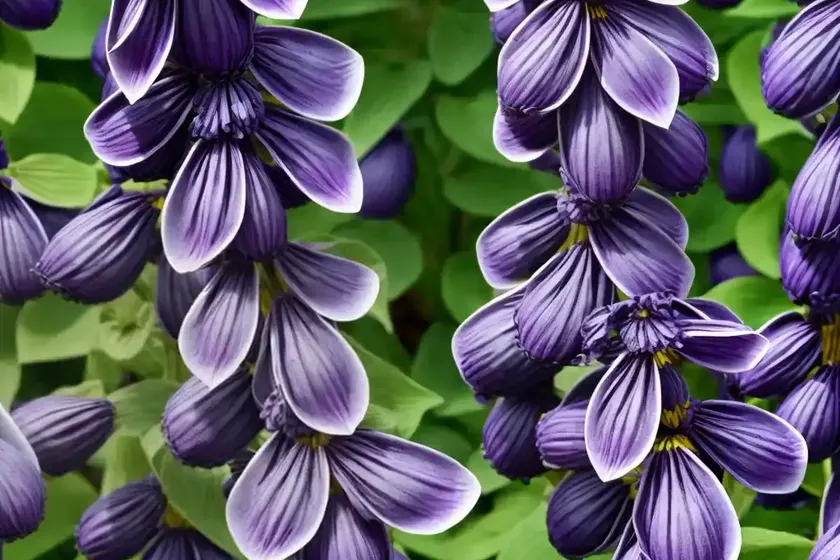
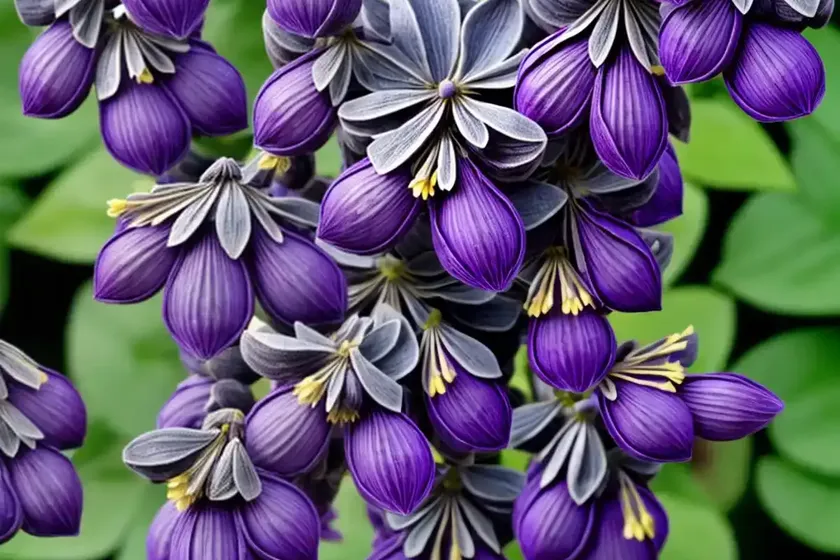
Baptisia ‘Purple Smoke’ also known as False Indigo, is a stunning perennial plant that adds beauty to gardens and landscapes. As a plant scientist, it’s fascinating to delve into the characteristics, cultivation, and benefits of this unique plant. In this comprehensive guide, we will explore the various aspects of Baptisia ‘Purple Smoke’, from its cultural requirements to common diseases and pests, and everything in between.
What is Baptisia ‘Purple Smoke’ (False Indigo)?
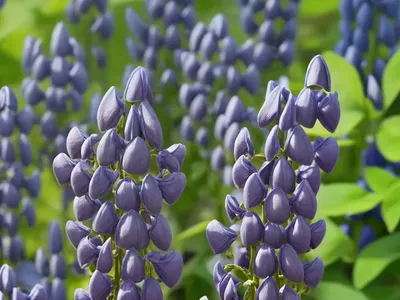
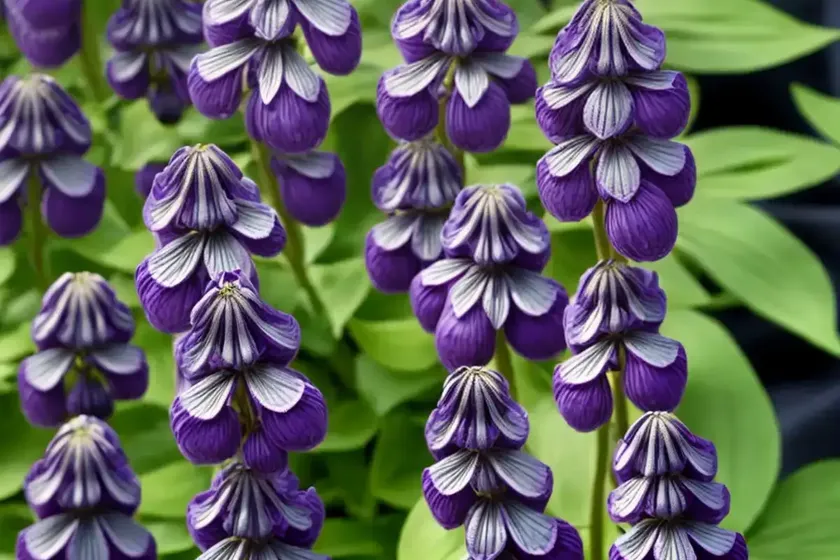
Baptisia ‘Purple Smoke’ is a herbaceous perennial plant that belongs to the Fabaceae family. It is prized for its striking, lupine-like spikes of smoky violet flowers that bloom in late spring to early summer. The plant features attractive blue-green foliage and typically forms a bushy, upright clump.
Key Takeaways – Baptisia ‘Purple Smoke’ (False Indigo)
Baptisia ‘Purple Smoke’ is known for its:
-
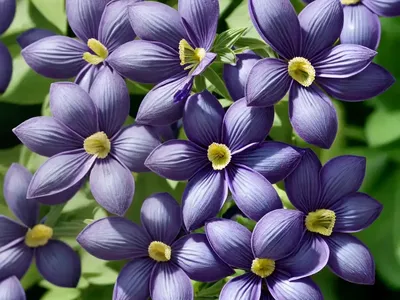
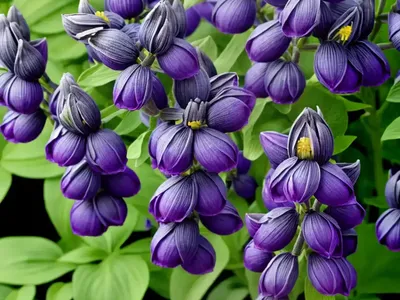
Beautiful and Unique Flowers: The plant produces stunning smoky violet flower spikes that are visually captivating.
-
Blue-Green Foliage: The foliage of Baptisia ‘Purple Smoke’ adds to its appeal with its cool-toned green color.
-
Perennial Nature: This plant is a long-lived perennial, providing years of beauty in the garden.
-
Wildlife Attraction: Baptisia ‘Purple Smoke’ is known to attract pollinators and contribute to the biodiversity of the garden.
-
Drought Tolerance: The plant exhibits tolerance to dry and arid conditions, making it suitable for xeriscaping.
Now, let’s delve deeper into the specific cultural requirements and care guidelines for Baptisia ‘Purple Smoke’.
Culture
Water
Baptisia ‘Purple Smoke’ is remarkably drought tolerant once established. While it prefers well-drained soil, it can withstand dry conditions and requires minimal watering once it has developed a robust root system. During the initial establishment period, it is essential to provide regular watering to aid in the development of healthy roots.
Sunlight
This perennial thrives in full sun to partial shade. It is advisable to provide at least six hours of direct sunlight to ensure optimal flowering and healthy growth. In regions with intense summer heat, providing some afternoon shade can be beneficial.
Fertilizer
Baptisia ‘Purple Smoke’ is not a heavy feeder and generally thrives without frequent fertilization. However, a balanced, slow-release fertilizer applied in early spring can support vigorous growth and prolific flowering. Avoid excessive use of high-nitrogen fertilizers as they may promote foliage at the expense of flower production.
Soil
This plant thrives in well-drained, moderately fertile soil. It is adaptable to various soil types, including sandy, loamy, or clay soils. However, it is crucial to ensure that the soil does not become waterlogged, especially during the winter months, as it can lead to root rot.
Pruning
Baptisia ‘Purple Smoke’ typically requires minimal pruning. After the flowering period, spent flower spikes can be removed to encourage a tidier appearance and potentially stimulate a second flush of blooms. Additionally, in late fall or early spring, cleaning up any dead or damaged foliage can help maintain the plant’s vigor.
Propagation
This perennial can be propagated through both seed and division methods. Here are the basic steps for propagation:
Propagation by Seed
- Collect mature seed pods once they have turned brown and dried on the plant.
- Extract the seeds from the pods and store them in a cool, dry place until the following spring.
- In early spring, sow the seeds directly in the garden or in containers, covering them lightly with soil.
- Keep the soil consistently moist until germination occurs, which generally takes about 3-4 weeks.
- Once the seedlings have developed several sets of true leaves, they can be transplanted into their permanent growing locations.
Propagation by Division
- In early spring, when new growth emerges, carefully dig up the mature plant, ensuring that you preserve the root structure.
- Gently separate the plant into sections, making sure that each division has both roots and shoots.
- Replant the divisions in well-prepared soil and water thoroughly to aid in establishment.
Container Popularity
Due to its adaptability and striking appearance, Baptisia ‘Purple Smoke’ is gaining popularity as a container plant. When growing in containers, it is crucial to ensure that the pot provides adequate drainage and sufficient room for the plant’s roots to spread. Additionally, regular watering is essential in container-grown specimens, as they may dry out more quickly than those in the ground.
Common Diseases
Baptisia ‘Purple Smoke’ is relatively resistant to pests and diseases, but it may occasionally encounter certain issues, including:
-
Leaf Spot: This fungal disease can cause dark spots to develop on the foliage. To manage leaf spot, remove and dispose of affected foliage and provide good air circulation around the plant.
-
Root Rot: Overly wet, poorly drained soil can lead to root rot in Baptisia ‘Purple Smoke’. To prevent this, ensure that the soil is well-drained, especially during the winter months.
Disease Diagnosis
When diagnosing potential diseases in Baptisia ‘Purple Smoke’, it is essential to look for specific symptoms and signs. Common signs of disease include discolored or spotted foliage, wilting, stunted growth, or abnormal lesions on the plant.
Common Pests
This plant is usually not heavily targeted by pests. However, it may occasionally attract some common garden pests such as aphids, leafhoppers, or caterpillars. Regular monitoring can help detect pest infestations early, allowing for prompt intervention through natural or targeted control methods.
Botanist’s Tips
-
Companion Planting: Baptisia ‘Purple Smoke’ pairs well with a variety of plants, including Salvia, Echinacea, and Coreopsis. Choosing companion plants that share similar cultural requirements can create visually appealing and harmonious plantings.
-
Wildlife Attraction: The nectar-rich flowers of Baptisia ‘Purple Smoke’ attract butterflies, bees, and other pollinators, making it a valuable addition to wildlife-friendly gardens.
Fun Facts
-
Dye Production: Historically, the roots of certain Baptisia species, including Baptisia ‘Purple Smoke’, were used to produce blue and yellow dyes.
-
Native Habitat: Baptisia ‘Purple Smoke’ is native to the prairies and woodlands of North America, where it contributes to the ecological balance by supporting native wildlife and pollinators.
Now, let’s explore some additional resources for further information on Baptisia ‘Purple Smoke’.
Links to External Resources
In conclusion, Baptisia ‘Purple Smoke’ is a remarkable perennial plant with a unique beauty and a range of practical and ecological benefits. Its adaptable nature, striking appearance, and wildlife-friendly characteristics make it a valuable addition to gardens, landscapes, and natural areas.
The versatile applications of Baptisia ‘Purple Smoke’, coupled with its aesthetic appeal, position it as a plant of significant interest to gardeners, naturalists, and horticultural enthusiasts alike. Whether it’s used for its ornamental value, ecological contributions, or historical significance, this captivating plant continues to find its place in diverse horticultural settings.
Keywords: Baptisia ‘Purple Smoke’ (False Indigo) care, Growing Baptisia ‘Purple Smoke’ (False Indigo), Tips for cultivating Baptisia ‘Purple Smoke’ (False Indigo), Best soil conditions for Baptisia ‘Purple Smoke’ (False Indigo), Sunlight requirements for Baptisia ‘Purple Smoke’ (False Indigo), Watering needs of Baptisia ‘Purple Smoke’ (False Indigo), Propagating Baptisia ‘Purple Smoke’ (False Indigo), Pruning Baptisia ‘Purple Smoke’ (False Indigo), Diseases and pests of Baptisia ‘Purple Smoke’ (False Indigo), Companion plants for Baptisia ‘Purple Smoke’ (False Indigo), Benefits of growing Baptisia ‘Purple Smoke’ (False Indigo), Color variations of Baptisia ‘Purple Smoke’ (False Indigo), Seasonal changes in Baptisia ‘Purple Smoke’ (False Indigo), Drought tolerance of Baptisia ‘Purple Smoke’ (False Indigo), Wildlife attraction with Baptisia ‘Purple Smoke’ (False Indigo), Native habitat of Baptisia ‘Purple Smoke’ (False Indigo), Using Baptisia ‘Purple Smoke’ (False Indigo) in landscaping, Floral characteristics of Baptisia ‘Purple Smoke’ (False Indigo), Unique features of Baptisia ‘Purple Smoke’ (False Indigo), Sustainable gardening with Baptisia ‘Purple Smoke’ (False Indigo), Medicinal properties of Baptisia ‘Purple Smoke’ (False Indigo), Growing Baptisia ‘Purple Smoke’ (False Indigo) from seeds, Ideal temperature range for Baptisia ‘Purple Smoke’ (False Indigo), Overwintering Baptisia ‘Purple Smoke’ (False Indigo), Suitable containers for Baptisia ‘Purple Smoke’ (False Indigo), Edible uses of Baptisia ‘Purple Smoke’ (False Indigo), Odor characteristics of Baptisia ‘Purple Smoke’ (False Indigo), Fall foliage of Baptisia ‘Purple Smoke’ (False Indigo), Attracting pollinators with Baptisia ‘Purple Smoke’ (False Indigo), Natural dye potential of Baptisia ‘Purple Smoke’ (False Indigo), Deer resistance of Baptisia ‘Purple Smoke’ (False Indigo), Beneficial insects attracted to Baptisia ‘Purple Smoke’ (False Indigo), Fertilizer requirements for Baptisia ‘Purple Smoke’ (False Indigo), Water conservation with Baptisia ‘Purple Smoke’ (False Indigo), Seasonal blooming patterns of Baptisia ‘Purple Smoke’ (False Indigo), Growing Baptisia ‘Purple Smoke’ (False Indigo) in containers, Tolerant to various soil types: Baptisia ‘Purple Smoke’ (False Indigo), Enhancing biodiversity with Baptisia ‘Purple Smoke’ (False Indigo), Potential allergens in Baptisia ‘Purple Smoke’ (False Indigo), Factors affecting flowering of Baptisia ‘Purple Smoke’ (False Indigo), Wildlife habitats supported by Baptisia ‘Purple Smoke’ (False Indigo), Longevity of Baptisia ‘Purple Smoke’ (False Indigo), Mythology and symbolism associated with Baptisia ‘Purple Smoke’ (False Indigo), Using Baptisia ‘Purple Smoke’ (False Indigo) in herbal remedies, Improving soil fertility with Baptisia ‘Purple Smoke’ (False Indigo), Best garden companions for Baptisia ‘Purple Smoke’ (False Indigo), Winter protection strategies for Baptisia ‘Purple Smoke’ (False Indigo), Drought-tolerant plants for xeriscaping with Baptisia ‘Purple Smoke’ (False Indigo), Indigenous uses of Baptisia ‘Purple Smoke’ (False Indigo), Eco-friendly gardening practices with Baptisia ‘Purple Smoke’ (False Indigo)
Bibliography
– Smith, C. (2005) Baptisia tinctoria. Plant of the Week. University of Illinois Extension: Watch Your Garden Grow. https://extension.illinois.edu/gardenerscorner/issue_04/spring_05_07.cfm
-
North Carolina State University. (2015) False Indigo – Baptisia spp. NC State Extension. https://content.ces.ncsu.edu/baptisia-spp-false-indigo
-
Missouri Botanical Garden. (n.d.) Baptisia ‘Purple Smoke’. Missouri Botanical Garden Plant Finder. https://www.missouribotanicalgarden.org/PlantFinder/PlantFinderDetails.aspx?kempercode=g580