Bletilla Striata ‘Kuchibeni’ (Chinese Ground Orchid)
Plants have always been an essential part of our environment and life. They not only add beauty to our surroundings but also play a crucial role in the.
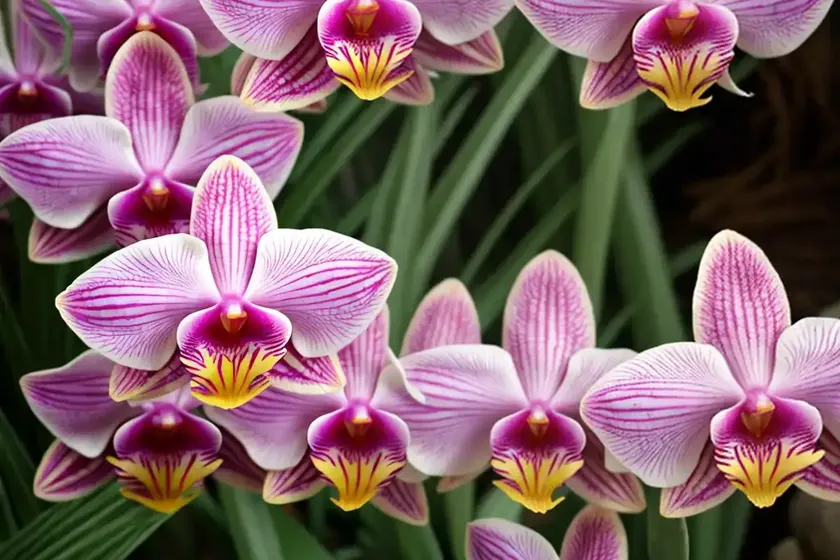
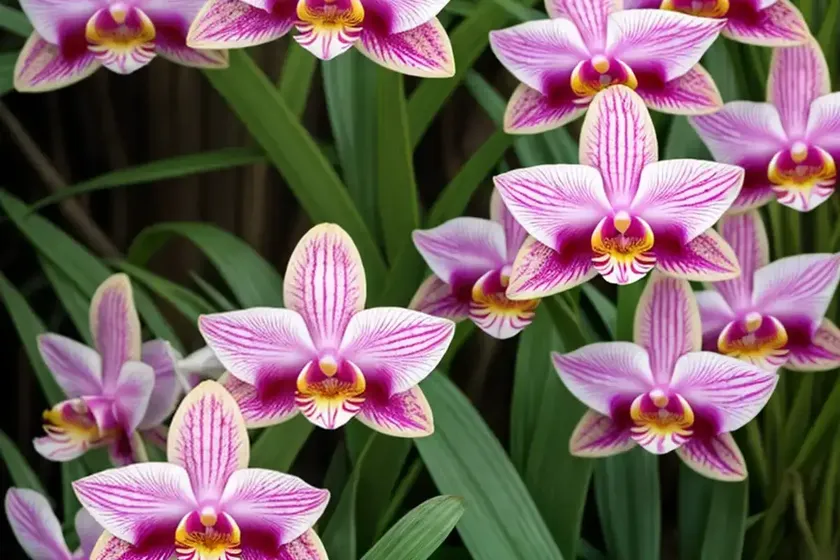
Plants have always been an essential part of our environment and life. They not only add beauty to our surroundings but also play a crucial role in the ecosystem. One such fascinating plant is the Bletilla striata ‘Kuchibeni’, also known as the Chinese Ground Orchid. This delightful orchid adds a touch of elegance to any garden or landscape with its beautiful blossoms and unique characteristics.
In this comprehensive guide, we will delve into the world of Bletilla striata ‘Kuchibeni’, exploring its culture, uses, care requirements, propagation methods, and much more. Whether you are a seasoned gardener or a novice plant enthusiast, this article will provide you with valuable insights into cultivating and caring for this enchanting orchid species.
What is Bletilla Striata ‘Kuchibeni’ (Chinese Ground Orchid)?
Before we explore the specific details of Bletilla striata ‘Kuchibeni’, let’s first understand what exactly this plant is and its fundamental characteristics.
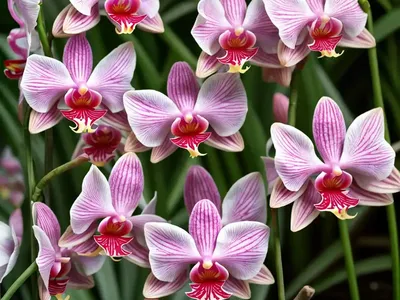
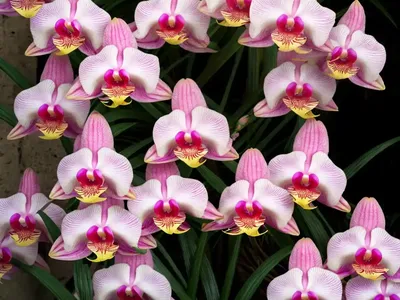
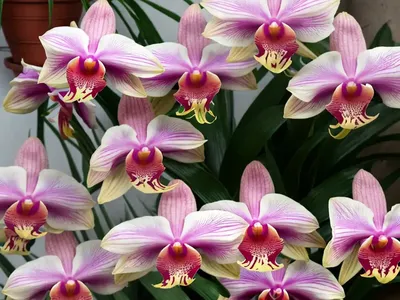
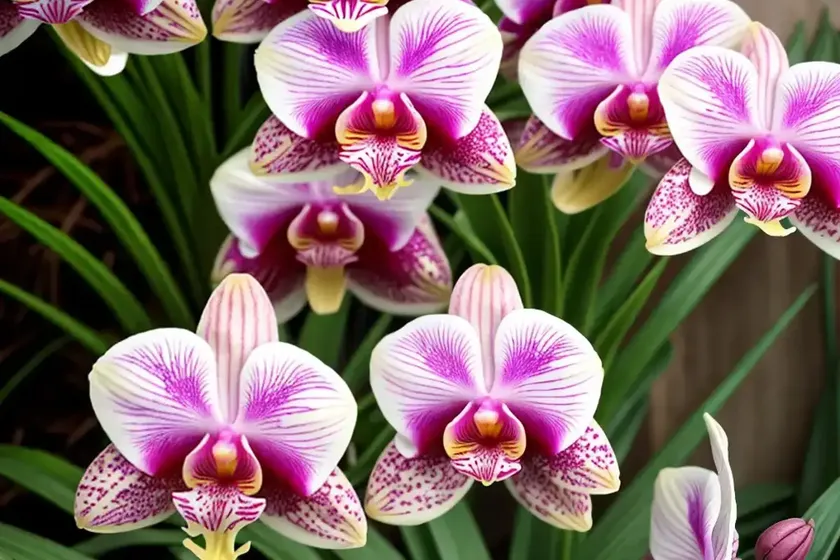
Bletilla striata, a member of the Orchidaceae family, is a terrestrial orchid species native to East Asia, including China, Japan, Korea, and Taiwan. The species name “striata” refers to the striped leaves of the plant, while “Kuchibeni” is the cultivar name, often associated with its unique pink or rosy-lilac flowers. The common name “Chinese Ground Orchid” reflects its origin and growth habit, as it thrives at ground level, unlike many other orchid species that are epiphytic.
Key Takeaways – Bletilla Striata ‘Kuchibeni’
Here are some key takeaways to keep in mind when it comes to Bletilla striata ‘Kuchibeni’:
- It is a terrestrial orchid species known for its striped leaves and delicate pink or rosy-lilac flowers.
- Bletilla striata ‘Kuchibeni’ is native to East Asia, particularly China, Japan, Korea, and Taiwan.
- The plant is often referred to as the Chinese Ground Orchid due to its growth habit at ground level.
Now that we have established the basics of Bletilla striata ‘Kuchibeni’, let’s delve into various aspects of its care and cultivation.
Culture
Understanding the cultural requirements of Bletilla striata ‘Kuchibeni’ is crucial for successfully growing and nurturing this beautiful orchid. From watering to sunlight preferences, each aspect contributes to the overall health and vigor of the plant.
Uses
Bletilla striata ‘Kuchibeni’ holds a special place in gardens and landscapes, offering several potential uses, including:
-
Ornamental Purposes: The attractive flowers and lush foliage make Bletilla striata ‘Kuchibeni’ a popular choice for ornamental plantings. Its charming appearance adds elegance to garden beds, borders, and even containers.
-
Cut Flower Arrangements: The delicate blooms of Bletilla striata ‘Kuchibeni’ make stunning additions to cut flower arrangements, bringing a touch of sophistication to floral displays.
-
Medicinal Traditions: In some traditional medicine practices, certain parts of Bletilla striata have been used for their potential medicinal properties. However, it is essential to consult knowledgeable sources before using any plant for medicinal purposes.
The diverse uses of this orchid reflect its versatility and appeal in various settings.
Water
Proper watering is essential for the health and vitality of Bletilla striata ‘Kuchibeni’. While the plant requires consistent moisture, it is crucial to avoid waterlogged conditions that can lead to root rot and other issues.
Watering Considerations:
-
Consistent Moisture: Bletilla striata ‘Kuchibeni’ thrives in consistently moist soil. This typically translates to regular watering, particularly during dry periods or when the plant is actively growing and blooming.
-
Well-Draining Soil: It is important to ensure that the soil has good drainage to prevent water from pooling around the roots. Proper drainage helps maintain the right balance of moisture without causing waterlogging.
-
Avoid Overwatering: While the plant prefers consistent moisture, it is vital to refrain from overwatering, which can lead to root suffocation and other issues. Allow the top layer of the soil to dry slightly between watering sessions.
Sunlight
As with many plants, proper sunlight exposure plays a critical role in the growth and development of Bletilla striata ‘Kuchibeni’. Understanding its sunlight preferences is key to providing an ideal growing environment.
Sunlight Preferences:
-
Partial Shade to Dappled Sunlight: Bletilla striata ‘Kuchibeni’ prefers a partly shaded to dappled sunlight environment. This means it thrives under the filtered light of trees, or in locations that receive partial sun throughout the day.
-
Protection from Intense Sun: While the plant benefits from some sunlight, it is important to shield it from prolonged, intense sun exposure, particularly during the hottest parts of the day. This can help prevent leaf scorch and maintain the plant’s overall health.
-
Morning Sun and Afternoon Shade: If possible, providing the plant with morning sun and afternoon shade can create an optimal balance, allowing it to receive sufficient light without being subjected to excessive heat.
Fertilizer
Fertilization is an essential aspect of caring for Bletilla striata ‘Kuchibeni’, providing the plant with the necessary nutrients for robust growth and prolific blooms.
Fertilizing Guidelines:
-
Balanced Fertilizer: Use a balanced, water-soluble fertilizer designed for orchids or general indoor/outdoor plants. A 20-20-20 or similar formulation can provide the necessary balance of essential nutrients.
-
Application Frequency: During the growing season, apply fertilizer to Bletilla striata ‘Kuchibeni’ every 2-4 weeks. This helps maintain a steady supply of nutrients to support the plant’s growth and flowering.
-
Reduced Fertilization in Winter: As the plant enters its dormant phase, reduce the frequency of fertilization. During winter months when growth slows, you can taper off or entirely suspend the application of fertilizer until the growing season resumes.
Soil
The type of soil in which Bletilla striata ‘Kuchibeni’ is planted significantly influences its overall health and performance. Understanding the ideal soil conditions for this orchid is crucial for creating a suitable growing environment.
Soil Preferences:
-
Well-Draining Medium: Bletilla striata ‘Kuchibeni’ thrives in well-draining soil that allows excess water to flow through, preventing waterlogging and potential root issues. A mix of orchid bark, peat moss, and perlite can provide excellent drainage for the plant.
-
pH Level: The plant prefers slightly acidic to neutral soil with a pH range of 5.5 to 6.5. Maintaining the appropriate pH level helps ensure that essential nutrients are readily available to the plant’s root system.
-
Ample Aeration: The soil should provide ample aeration to the roots, promoting healthy growth and preventing issues associated with compacted or suffocated roots.
Pruning
Pruning is an important aspect of orchid care, including Bletilla striata ‘Kuchibeni’. Proper pruning techniques help maintain the plant’s shape, promote healthy growth, and remove any damaged or diseased parts.
Pruning Guidelines:
-
Post-Blooming Pruning: After the plant has finished blooming, remove any spent flower spikes or withered blooms. This encourages the plant to focus its energy on new growth rather than seed production.
-
Trimming Dead Foliage: If there are any dead or yellowing leaves, carefully trim them away to maintain the plant’s appearance and health. Use sanitized pruning tools to prevent the spread of diseases.
-
Spring Maintenance: In early spring, inspect the plant for any overgrown or crowded stems, and consider thinning them out to promote air circulation and overall plant vigor.
Propagation
The ability to propagate Bletilla striata ‘Kuchibeni’ allows enthusiasts to expand their collection or share this delightful orchid with others. Understanding the propagation methods is essential for successfully propagating the plant.
Propagation Techniques:
-
Division: Dividing the rhizomes of Bletilla striata ‘Kuchibeni’ is a common propagation method. During the plant’s dormant season, carefully separate the rhizomes, ensuring that each division has healthy roots and shoots. Plant the divisions in suitable soil and provide the appropriate care to encourage their establishment.
-
Offset Planting: If the plant produces offsets or “pups” at the base, these can be carefully separated and planted to create new individual plants. Ensure that each offset has its own set of roots before detaching it from the parent plant.
-
Seed Propagation: While less common for home growers, Bletilla striata ‘Kuchibeni’ can also be propagated from seeds. This method requires patience and attention to specific germination and growing conditions to achieve successful results.
With these propagation techniques, you can multiply your Bletilla striata ‘Kuchibeni’ collection and share the joy of growing this enchanting orchid with others.
Container Popularity
As more gardening enthusiasts explore container gardening, the popularity of Bletilla striata ‘Kuchibeni’ as a container plant has grown. Its graceful form and stunning blossoms make it a charming addition to outdoor and indoor container arrangements.
Container Considerations:
-
Well-Draining Containers: When planting Bletilla striata ‘Kuchibeni’ in containers, ensure that the pots or containers offer excellent drainage to prevent waterlogging. This is particularly important for orchids, whose roots can be susceptible to issues related to excess moisture.
-
Suitable Growing Medium: Use a well-draining potting mix formulated for orchids or create a custom blend of orchid bark, perlite, and other suitable components. This provides the right balance of aeration and moisture retention for the plant’s roots.
-
Container Size: Choose a container that accommodates the plant’s current size while allowing room for additional growth. As with many container plants, Bletilla striata ‘Kuchibeni’ may require repotting as it outgrows its current container.
-
Outdoor Versatility: Containers allow gardeners to showcase Bletilla striata ‘Kuchibeni’ in outdoor settings, such as patios, decks, and garden borders. Its adaptability to container growth makes it a versatile option for various gardening spaces.
By embracing container gardening, enthusiasts can enjoy the beauty of Bletilla striata ‘Kuchibeni’ up close and create captivating displays in various settings.
Common Diseases
Although Bletilla striata ‘Kuchibeni’ is generally resilient, it can be susceptible to certain diseases and issues. Familiarizing yourself with common ailments and their prevention methods is essential for maintaining the plant’s health.
Disease Diagnosis
Early detection and prompt action are key in addressing any potential diseases or health issues affecting Bletilla striata ‘Kuchibeni’. Being able to identify specific symptoms and causes of common diseases can help in providing appropriate care for the plant.
Common Diseases and Symptoms:
-
Root Rot: Root rot, often caused by overly wet conditions or poorly draining soil, can manifest as dark, mushy roots and declining overall plant health. Yellowing or wilting foliage may also accompany this issue.
-
Leaf Spot: Leaf spot diseases can result in the development of dark spots or lesions on the foliage. These may be caused by various pathogens and can lead to defoliation if left unchecked.
-
Botrytis Blight: This fungal disease can cause the development of fuzzy, grayish patches on the plant’s leaves, flowers, or stems. In severe cases, it can lead to the collapse of affected tissues.
-
Viral Diseases: Viral infections can cause a range of symptoms, including mottled or distorted foliage, stunted growth, and abnormal flower development. There are various viral pathogens that may affect orchid species and should be managed with care.
Disease Prevention
Preventing diseases is often more effective than attempting to treat them after they have taken hold. By implementing proactive measures, you can minimize the risk of common diseases affecting Bletilla striata ‘Kuchibeni’.
Preventative Measures:
-
Maintain Good Drainage: Ensure that the plant is not subjected to standing water or waterlogged conditions, as this can contribute to root rot and other moisture-related issues.
-
Sanitation Practices: Regularly clean and sterilize tools, containers, and other equipment used for the plant to prevent the spread of pathogens.
-
Proper Air Circulation: Promote good air circulation around the plant, which can help reduce the risk of fungal diseases such as botrytis blight and leaf spot.
-
Healthy Growing Conditions: Provide the plant with optimal cultural conditions, including suitable watering, fertilization, and light exposure, to support its overall health and resilience against diseases.
By staying vigilant and taking proactive steps, you can help protect Bletilla striata ‘Kuchibeni’ from common diseases and ensure its continued flourishing.
Common Pests
Pests can pose a threat to the health and appearance of Bletilla striata ‘Kuchibeni’, making pest management an important aspect of caring for this orchid. Identifying potential pests and their control methods is crucial for preventing infestations.
Potential Pests:
-
Aphids: These small, sap-sucking insects can cluster on the plant’s tender growth, causing distortion and discoloration of the foliage. Aphids can also excrete honeydew, leading to the growth of sooty mold.
-
Scale Insects: Scale insects may appear as small, immobile bumps on the plant’s stems or foliage. They can cause damage by feeding on plant juices and may excrete sticky honeydew.
-
Spider Mites: These tiny arachnids can inflict damage by puncturing plant cells and feeding on the sap. Infestations may cause stippling or yellowing of foliage, along with webbing in severe cases.
-
Slugs and Snails: These gastropod mollusks can feed on the leaves and tender shoots of Bletilla striata ‘Kuchibeni’, causing unsightly damage and affecting the plant’s overall health.
Pest Control Methods:
-
Mechanical Removal: For larger pests such as snails and slugs, manual removal and relocation away from the plant can help reduce their impact.
-
Horticultural Oils: Applying horticultural oils can help suffocate soft-bodied pests such as aphids and mites, reducing their populations without causing harm to beneficial insects.
-
Natural Predators: Encouraging natural predators of pests, such as ladybugs and lacewings, can help keep pest populations in check through biological control methods.
-
Barriers and Traps: Employing barriers and traps, such as copper tape to deter slugs and snails, can provide a preventive measure against these particular pests.
By recognizing potential pests and implementing a proactive approach to pest management, you can help safeguard Bletilla striata ‘Kuchibeni’ from the damaging effects of infestations.
Botanist’s Tips
As a plant scientist with a passion for orchids and botany in general, I have compiled a set of tips to help fellow enthusiasts successfully grow and care for Bletilla striata ‘Kuchibeni’.
Botanist’s Insights:
-
Selecting a Suitable Site: When planting Bletilla striata ‘Kuchibeni’ in the garden, choose a site with the right light conditions and well-draining soil. Protect the plant from intense midday sun, particularly in warmer climates.
-
Gentle Handling: Handle the plant and its rhizomes with care, as rough handling can damage the delicate root system. When dividing or repotting, take care to minimize disturbance to the roots as much as possible.
-
Observe Dormancy Cues: Bletilla striata ‘Kuchibeni’ enters a period of dormancy during the winter. It is normal for the plant to shed its foliage at this time. Withhold watering during dormancy and resume regular care as the growing season returns.
-
Monitor Moisture Levels: Keep an eye on the moisture levels in the growing medium, particularly during periods of active growth and flowering. Consistent but not excessive moisture helps the plant thrive.
-
Appropriate Fertilization: Use a balanced, water-soluble fertilizer at half or quarter strength to avoid overfeeding the plant. Remember to adjust the frequency and strength of fertilizer application based on the plant’s growth stage and environmental conditions.
By incorporating these insights into your care routine, you can enhance the growing experience and overall well-being of Bletilla striata ‘Kuchibeni’.
Fun Facts
Now that we have explored the essential aspects of Bletilla striata ‘Kuchibeni’, let’s uncover some intriguing and enjoyable facts about this captivating orchid.
Fascinating Tidbits:
-
Traditional Symbolism: In some cultures, orchids symbolize love, beauty, and luxury, imbuing them with emotional and symbolic significance.
-
Longevity: When provided with proper care, Bletilla striata ‘Kuchibeni’ can live for many years, rewarding growers with its elegant blooms year after year.
-
Historical Significance: Orchids, including Bletilla striata, have historical significance in various traditional medicine practices and cultural rituals in Asia.
-
Ecological Importance: Orchids play a vital role in their natural ecosystems, forming symbiotic relationships with specific fungi and often relying on specialized pollinators for reproduction.
-
Global Diversity: Orchids are one of the most diverse plant families, with an incredible array of species adapting to diverse habitats and climates worldwide.
By delving into these fun facts, we gain a deeper appreciation for the beauty and significance of Bletilla striata ‘Kuchibeni’ within the broader context of orchid culture and the natural world.
Links to External Resources
For those seeking additional information, resources, and related topics about Bletilla striata ‘Kuchibeni’ and orchids in general, the following external links provide valuable insights and knowledge:
-
American Orchid Society: The American Orchid Society offers a wealth of information on orchid care, cultivation, and conservation, serving as a valuable resource for enthusiasts.
-
Royal Horticultural Society – Orchids: The Royal Horticultural Society provides detailed advice and guidance on growing orchids, including specific care recommendations for different orchid species.
-
Missouri Botanical Garden – Bletilla striata: Explore detailed plant information and growing guidelines for Bletilla striata ‘Kuchibeni’ through the Missouri Botanical Garden’s extensive plant database.
-
International Orchid Foundation: The International Orchid Foundation offers a comprehensive platform for orchid enthusiasts, showcasing diverse orchid species and providing educational content on cultivation and conservation.
-
Orchid Forum: Engage with an active community of orchid enthusiasts and