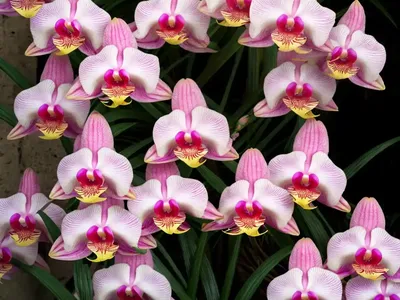
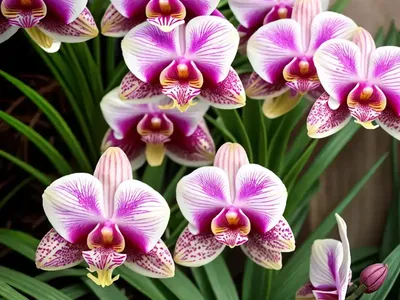
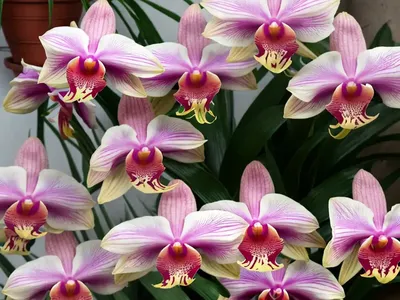
Chinese Ground Orchid (Bletilla Striata)
When it comes to adding beauty to a garden, orchids play a significant role. Chinese Ground Orchid (Bletilla striata) is a stunning plant that captivates.
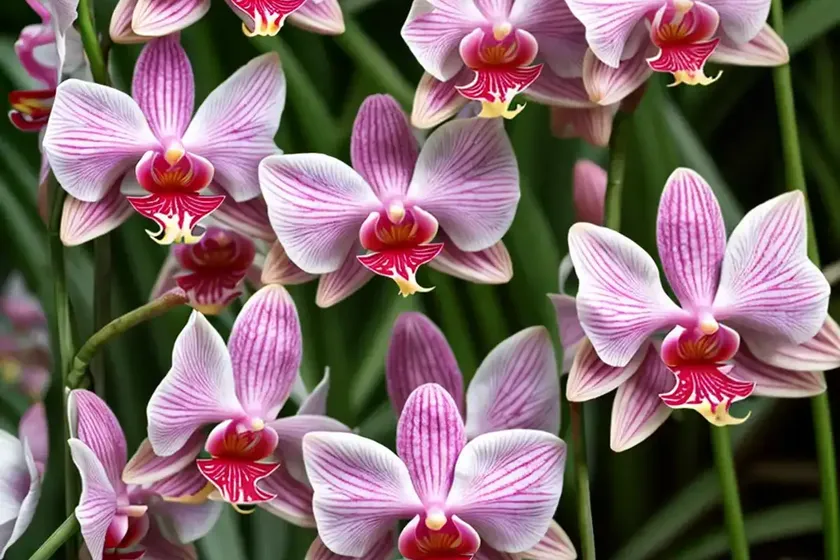
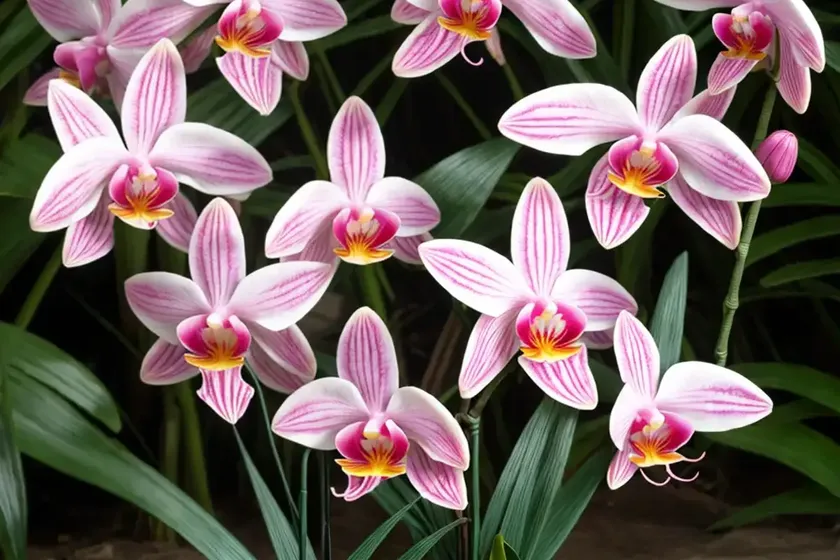
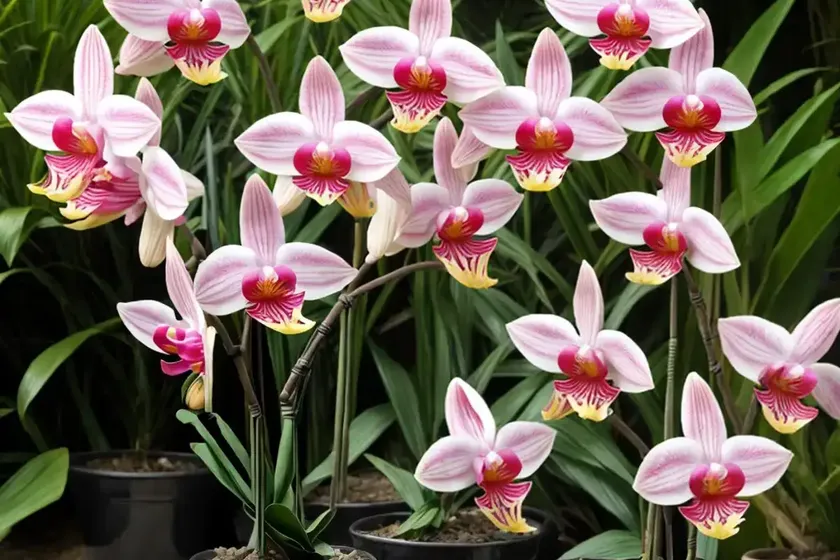
When it comes to adding beauty to a garden, orchids play a significant role. Chinese Ground Orchid (Bletilla striata) is a stunning plant that captivates with its delicate flowers and graceful foliage. In this comprehensive guide, we will delve into the world of Chinese Ground Orchids, exploring their cultivation, care, uses, and much more.
What is Chinese Ground Orchid (Bletilla Striata)?
Chinese Ground Orchid, scientifically known as Bletilla striata, is a terrestrial orchid species native to East Asia, including Japan, China, Korea, and Taiwan. It is a hardy and adaptable plant that has gained popularity among gardeners for its attractive appearance and ease of cultivation.
Key Takeaways
Before we dive into the detailed care and cultivation guidelines for Chinese Ground Orchids, let’s start with key takeaways about this beautiful plant:
- Scientific Name: Bletilla striata
- Common Names: Chinese Ground Orchid, Hyacinth Orchid, Urn Orchid
- Family: Orchidaceae
- Genus: Bletilla
- Native Habitat: East Asia
- Blooming Season: Late spring to early summer
- Water Requirements: Moderate
- Sunlight Needs: Partial shade to full sun
- Soil Type: Well-draining, slightly acidic
- Uses: Ornamental, medicinal
Now that we have an overview of the Chinese Ground Orchid, let’s explore the specifics of its care and cultivation.
Culture
Chinese Ground Orchids have been an integral part of various cultures in East Asia, where they are valued for their ornamental beauty and traditional medicinal uses. In traditional Chinese medicine, extracts from the pseudobulbs of Bletilla striata are used for their astringent and hemostatic properties. The plant has also been associated with symbolism, representing purity, elegance, and refinement in Chinese culture.
Uses
The uses of Chinese Ground Orchids are diverse, encompassing both ornamental and medicinal applications:
- Ornamental Use: Chinese Ground Orchids are primarily grown for their stunning flowers, which add an elegant touch to gardens, landscapes, and indoor spaces. Their graceful foliage and delicate blooms make them an excellent choice for both outdoor and indoor ornamental planting.
- Medicinal Use: In traditional Chinese medicine, certain parts of Bletilla striata, such as the pseudobulbs, are utilized for their therapeutic properties. These include their astringent and hemostatic effects, leading to applications in wound healing and skincare preparations.
Cultivation
Cultivating Chinese Ground Orchids requires a good understanding of their specific requirements, including water, sunlight, fertilizer, soil, and pruning. Let’s delve into each of these aspects to ensure the optimal growth and blooming of these beautiful orchids.
Water
Chinese Ground Orchids generally prefer moderate levels of moisture, requiring regular watering during the growing season. However, it’s essential to ensure that the soil is well-draining to prevent waterlogging, which can lead to root rot. During the blooming period, it’s crucial to maintain steady moisture to support the development of flowers. In contrast, in the dormant season, the plants can tolerate drier conditions.
Sunlight
When it comes to sunlight, Chinese Ground Orchids thrive in partial shade to full sun conditions. In regions with hot summers, providing them with partial shade during the hottest parts of the day can prevent leaf scorching and maintain optimal growth. On the other hand, in cooler climates, they can tolerate more sunlight, which can also enhance the intensity of their blooms.
Fertilizer
Fertilizing Chinese Ground Orchids is essential for promoting healthy growth and prolific flowering. A balanced, water-soluble fertilizer with a slightly higher ratio of phosphorus (the middle number in the N-P-K ratio) can support the development of robust pseudobulbs and vibrant blooms. It’s advisable to apply fertilizer during the growing season, following the manufacturer’s recommendations for dilution and frequency.
Soil
The ideal soil for Chinese Ground Orchids is well-draining and slightly acidic, replicating the conditions of their native habitat. A mixture of peat moss, perlite, and pine bark can create a suitable growing medium that balances moisture retention with good aeration. Additionally, incorporating organic matter into the soil can enhance its fertility and structure, providing a conducive environment for the orchids’ root systems.
Pruning
Pruning is an important aspect of Chinese Ground Orchid maintenance, particularly for promoting healthy growth and managing the spread of the plants. Regular removal of spent flower spikes and yellowing leaves can redirect the plant’s energy towards new growth, leading to the development of additional blooms and ensuring a tidy appearance. It’s important to use sterile pruning tools to prevent the spread of diseases among the plants.
Propagation
Propagating Chinese Ground Orchids can be achieved through division and seed propagation. Dividing mature clumps allows the establishment of new plants, while sowing seeds can yield genetic variations and novel hybrids. Here’s a brief overview of the propagation methods for Chinese Ground Orchids:
Propagation by Division
- Timing: Spring is the optimal time for dividing Chinese Ground Orchids, coinciding with the start of new growth.
- Process: Carefully lift the clump of orchids from the soil, ensuring minimal damage to the rhizomes and roots. Using a sterilized knife or garden tool, divide the clump into sections, each containing several pseudobulbs and healthy roots. Plant the divisions in individual containers or prepared garden beds, providing adequate moisture and warmth to support their establishment.
Propagation by Seed
- Seed Collection: Collecting seeds from mature Bletilla striata pods requires timing and attention, as the pods should be harvested when they start to split, indicating the ripeness of the seeds.
- Seed Sowing: Sow the collected seeds in a well-draining, sterile medium, covering them lightly with a layer of the medium. Maintain consistent moisture and warmth to facilitate germination, which can take several weeks to occur.
- Seedling Care: Once the seedlings emerge, provide them with gentle light and gradual acclimatization to outdoor conditions. As they grow, transplant the seedlings into individual containers or prepared garden beds, ensuring optimal growing conditions for their continued development.
Container Popularity
Chinese Ground Orchids are well-suited for container gardening, offering a versatile and attractive option for growing them in a range of settings, from small urban balconies to expansive garden spaces. Their adaptability to containers makes them popular for indoor and outdoor cultivation, allowing enthusiasts to enjoy their captivating blooms and graceful foliage in various environments.
Container Cultivation Tips
When cultivating Chinese Ground Orchids in containers, several tips can enhance their growth and visual appeal:
- Container Selection: Choose containers with adequate drainage holes to prevent waterlogging and ensure good aeration for the roots. Additionally, selecting containers that complement the aesthetic of the orchids can create visually pleasing arrangements.
- Growing Medium: Use a well-draining potting mix specifically formulated for orchids or prepare a custom blend that replicates the ideal soil conditions for Bletilla striata. Incorporating perlite or charcoal can improve the medium’s drainage and aeration properties.
- Placement: Position the containers in locations that provide the appropriate sunlight levels and protection from excessive heat or cold. For indoor cultivation, placing the containers near east or west-facing windows can offer the right balance of light exposure.
- Watering: Monitor the moisture levels in the containers, ensuring that the orchids receive adequate water without becoming waterlogged. Adjust the watering frequency based on environmental conditions and the plant’s growth stage.
Common Diseases
As with any plant, Chinese Ground Orchids are susceptible to certain diseases and pests that can impact their health and vitality. Being aware of common diseases and their prevention measures is crucial for maintaining disease-free orchids and promoting their long-term well-being.
Disease Diagnosis
Some of the common diseases that can affect Chinese Ground Orchids include:
- Fungal Rots: Excessive moisture and poor air circulation can lead to fungal infections, resulting in rotting of the pseudobulbs and roots. Symptoms include soft, discolored areas on the bulbs and a foul odor. Good cultural practices, such as providing proper ventilation and avoiding overwatering, can help prevent fungal rots.
- Bacterial Infections: Bacterial diseases can manifest as soft, water-soaked lesions on the leaves and pseudobulbs, often accompanied by a slimy texture. Maintaining good hygiene, such as sterilizing tools and avoiding water splashing on the foliage, can minimize the risk of bacterial infections.
- Viral Diseases: Viral infections can cause mottling, distortion, and stunted growth in Chinese Ground Orchids. As there are no direct treatments for viral diseases, preventing the spread of viruses through proper sanitation and avoiding mechanical transmission is key. Removing and disposing of infected plants can also help prevent the spread of viruses to healthy specimens.
Common Pests
In addition to diseases, Chinese Ground Orchids can face challenges from various pests that feed on their foliage, roots, or flowers. Monitoring the plants regularly and implementing appropriate pest control measures can mitigate the impact of these pests.
Pest Management
Several common pests that can affect Chinese Ground Orchids include:
- Aphids: These small, soft-bodied insects can cluster on the undersides of leaves, sucking sap from the plant and excreting honeydew. Natural predators such as ladybugs and lacewings can help control aphid populations, or insecticidal soaps can be used for larger infestations.
- Thrips: Thrips are tiny, slender insects that can cause stippling and silvering of the foliage as they feed. Regular inspection and the use of sticky traps can help detect and manage thrips infestations, while predatory mites can serve as biological control agents.
- Snails and Slugs: These mollusks can feed on the tender leaves and buds of Chinese Ground Orchids, leading to significant damage. Handpicking, barriers, and slug bait containing iron phosphate can be effective in controlling snail and slug populations.
- Spider Mites: Spider mites are common pests that thrive in dry, dusty conditions and can cause stippling and webbing on the leaves of orchids. Increasing humidity levels and using a strong blast of water to dislodge spider mites are among the control measures for managing these pests.
Botanist’s Tips
For plant enthusiasts and botanists alike, Chinese Ground Orchids offer a wealth of opportunities for appreciation, study, and cultivation. Here are some tips for fostering a deeper understanding of these remarkable plants:
- Botanical Exploration: Delve into the botanical intricacies of Bletilla striata, exploring its taxonomic classification, ecological interactions, and evolutionary adaptations. Field studies and literature reviews can provide valuable insights into the natural history of Chinese Ground Orchids.
- Garden Integration: Integrate Chinese Ground Orchids into botanical gardens, educational displays, and conservation initiatives, highlighting their cultural significance, ecological relevance, and horticultural value. Creating interpretive signage and interactive exhibits can engage visitors and raise awareness of these captivating plants.
- Research Initiatives: Support and participate in research projects focused on Chinese Ground Orchids, contributing to scientific knowledge about their genetic diversity, ecological requirements, and conservation status. Collaborations with botanical institutions and academic researchers can advance our understanding of Bletilla striata and its conservation needs.
Fun Facts
To add a touch of intrigue to our exploration of Chinese Ground Orchids, let’s uncover some captivating fun facts about these enchanting plants:
- Historical Significance: Chinese Ground Orchids have long been revered in East Asian cultures, symbolizing beauty, elegance, and resilience. Their presence in art, literature, and traditional ceremonies reflects their enduring significance.
- Cultural Symbolism: In Chinese folklore, orchids are associated with nobility and integrity, embodying the virtues of righteousness and grace. The poetic references to orchids in ancient texts convey the reverence for these exquisite plants.
- Habitat Adaptations: Chinese Ground Orchids have evolved to thrive in diverse habitats, from woodland margins to mountainous slopes. Their ability to withstand fluctuating environmental conditions showcases their adaptability and resilience.
- Medicinal Traditions: The therapeutic uses of Bletilla striata in traditional Chinese medicine highlight the plant’s historical role in healthcare practices. Its astringent and hemostatic properties have contributed to its enduring medicinal significance.
- Ecological Interactions: Orchids form intricate relationships with pollinators, mycorrhizal fungi, and other organisms, exemplifying the interconnectedness of plant communities. Their reliance on specific pollinators and fungi underscores the delicate balance of ecological partnerships.
Links to External Resources
To further enrich our understanding of Chinese Ground Orchids and provide valuable resources for enthusiasts, researchers, and gardeners, here are some links to external references and organizations dedicated to orchid conservation and horticulture:
- American Orchid Society
- Royal Horticultural Society: Orchids
- International Union for Conservation of Nature (IUCN) – Orchid Specialist Group
By exploring these resources, we can deepen our knowledge of Chinese Ground Orchids and contribute to their appreciation and conservation on a global scale.
In conclusion, Chinese Ground Orchids (Bletilla striata) stand as mesmerizing representatives of botanical beauty, cultural significance, and horticultural diversity. Their graceful form, captivating blooms, and rich heritage make them a treasure to behold and cultivate. By embracing the care and cultivation practices outlined in this guide, plant enthusiasts can embark on a rewarding journey of nurturing and celebrating these extraordinary orchids.
Disclaimer: The information presented in this guide is for educational and informational purposes only. It is not intended as a substitute for professional advice or guidance. Readers are encouraged to consult with local horticultural experts and extension services for personalized recommendations and best practices related to the cultivation and care of Chinese Ground Orchids.