Bladder Campion (Silene Vulgaris)
Plants have played a significant role in human civilization for thousands of years. Not only do they provide us with sustenance and oxygen, but they also.
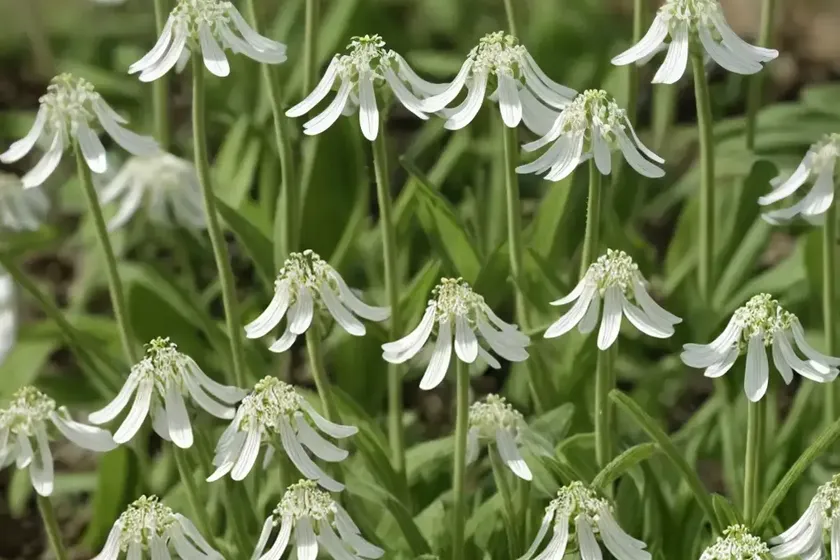
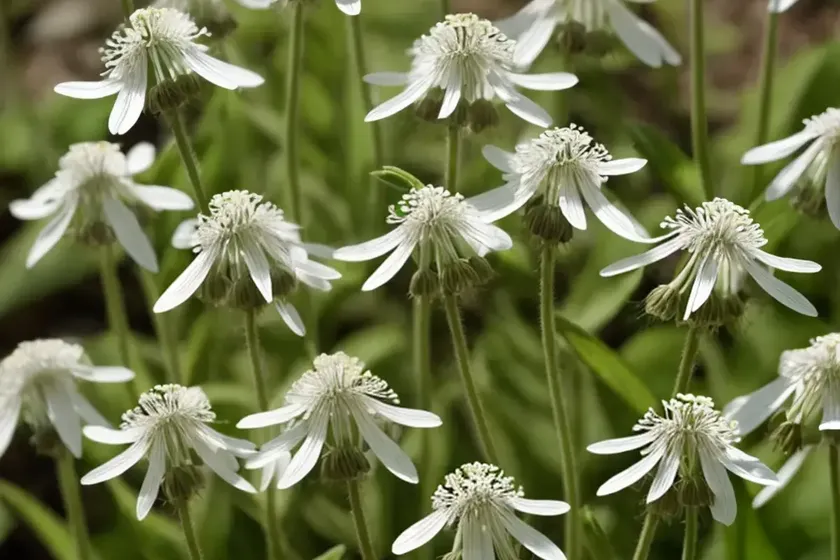
Plants have played a significant role in human civilization for thousands of years. Not only do they provide us with sustenance and oxygen, but they also offer a myriad of cultural, medicinal, and symbolic significance. Amongst the diverse array of plants, the Bladder Campion (Silene Vulgaris) stands out as a fascinating specimen that intersects the realms of folklore, traditional medicine, and urban gardening. In this comprehensive guide, we delve into the multifaceted world of the Bladder Campion, exploring its characteristics, uses, folklore, and cultivation.
What is Bladder Campion (Silene Vulgaris)?
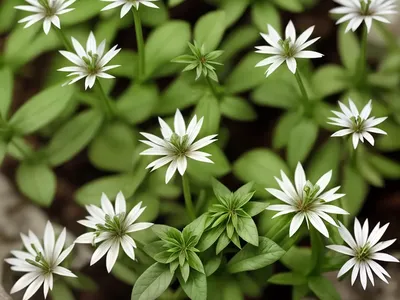
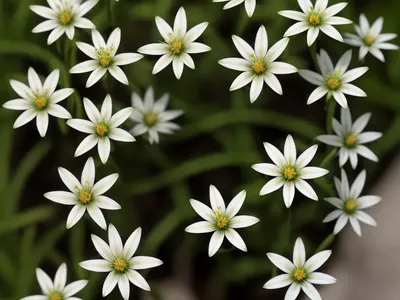
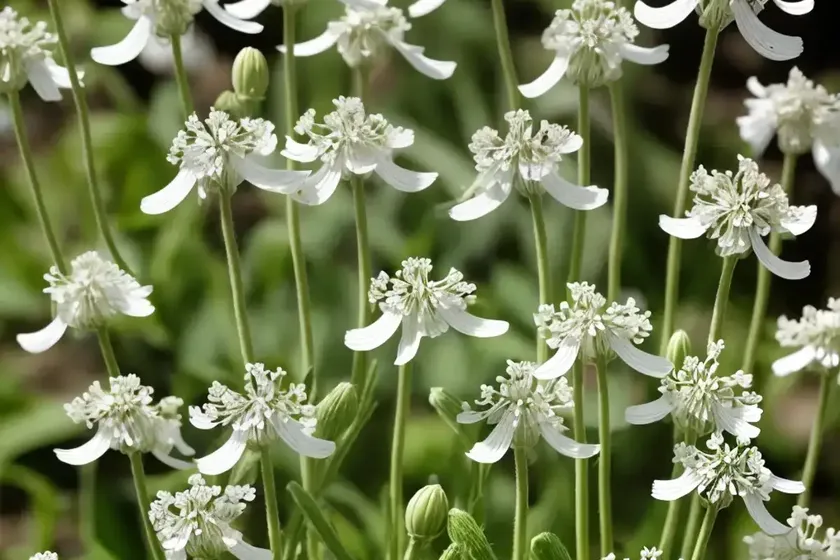
Bladder Campion, scientifically known as Silene Vulgaris, is a perennial plant species belonging to the Caryophyllaceae family. Native to Europe and Western Asia, this herbaceous plant has also naturalized in other regions including North America. It is characterized by its delicate white flowers, which bloom in clusters atop slender stems. The plant’s botanical name, Silene Vulgaris, is a testament to its wild, yet captivating nature.
Characteristics of Bladder Campion:
- Height: 30-80 cm
- Flowers: White, Notched petals
- Leaves: Bright green, Lance-shaped
- Habitat: Meadows, Grasslands, Disturbed areas
Bladder Campion has a rich history intertwined with various cultural practices, herbal remedies, and symbolic associations. It has been revered for its culinary and medicinal uses, while also featuring in folklore and mythological beliefs. Our exploration of this remarkable plant will encompass its cultural significance, habitat, growth conditions, and much more.
Key Takeaways – Bladder Campion (Silene Vulgaris)
Before delving into the intricate details of Bladder Campion (Silene Vulgaris), let’s take a moment to summarize the key takeaways. This concise overview will provide a snapshot of the plant’s characteristics, uses, and significance:
- Habitat: Found in meadows, grasslands, and disturbed areas in Europe and Western Asia.
- Cultural Uses: A plant deeply entrenched in folklore, traditional medicine, and culinary applications.
- Growth Conditions: Requires well-drained soil, ample sunlight, and moderate watering.
- Medicinal Properties: Used in traditional herbal medicine for a range of health benefits.
- Folklore and Symbolism: Holds symbolic and mythological significance in various cultural traditions.
Now, let’s embark on an in-depth exploration of each of these aspects to gain a holistic understanding of Bladder Campion.
Culture
The cultural significance of plants often transcends their physical attributes. Bladder Campion (Silene Vulgaris) is deeply ingrained in cultural practices, traditions, and folklore, making it a captivating subject of study.
Folklore and Symbolism
Bladder Campion has a rich tapestry of folklore and symbolism woven around it. In various cultures, it has been associated with different mythological connections, superstitions, and traditional practices. For instance, in some folklore traditions, the plant is believed to possess magical properties and has been incorporated into rituals and healing practices. Understanding the folklore and symbolic significance of Bladder Campion provides a profound insight into its cultural importance and enduring legacy.
Symbolism in Mythology
The symbolism of Bladder Campion in mythology often varies across different cultural contexts. It has been linked to themes of purity, resilience, and protection in some mythological narratives. Additionally, its delicate white flowers have drawn associations with themes of innocence and beauty in certain cultural settings. Unraveling the plant’s symbolism in mythology sheds light on the intricate interplay between nature and human imagination.
Traditional Uses
In traditional cultures, Bladder Campion has been valued for its diverse uses, ranging from culinary applications to herbal remedies. It has been incorporated into traditional cuisines, herbal teas, and natural remedies, showcasing its versatility and adaptability in meeting human needs. Exploring the traditional uses of Bladder Campion offers a glimpse into the resourcefulness and ingenuity of communities that have relied on this plant for sustenance and healing.
Uses
The uses of Bladder Campion (Silene Vulgaris) encompass a wide spectrum, including culinary, medicinal, and ornamental applications. Understanding the various ways in which this plant has been utilized provides valuable insights into its cultural, historical, and practical significance.
Culinary Uses
In certain culinary traditions, the tender young shoots and leaves of Bladder Campion are incorporated into dishes, adding a delicate flavor and nutritional value. The plant’s edible parts have been valued for their contribution to local cuisines, reflecting a harmonious relationship between people and the natural environment. Exploring the culinary uses of Bladder Campion unveils the culinary diversity and innovation associated with this plant.
Medicinal Properties
The medicinal properties of Bladder Campion have been harnessed in traditional herbal medicine for a range of health benefits. From alleviating digestive discomfort to promoting overall well-being, various parts of the plant have been utilized in formulating herbal remedies. Exploring the medicinal properties of Bladder Campion sheds light on its therapeutic potential and the cultural knowledge systems that have evolved around its use.
Ornamental Plant
Beyond its practical uses, Bladder Campion also holds ornamental value in horticulture and landscaping. Its delicate white flowers and bright green foliage make it an aesthetically pleasing addition to gardens and natural landscapes. Understanding the ornamental appeal of Bladder Campion highlights its role in enhancing visual beauty and creating harmonious outdoor spaces.
Water
Watering the Bladder Campion plant is an essential aspect of its care, contributing to its overall health and vibrancy. Understanding the plant’s water requirements is crucial for ensuring optimal growth and longevity.
Watering Guidelines
Bladder Campion thrives in well-drained soil and benefits from moderate watering. It is important to strike a balance, avoiding both waterlogged conditions and prolonged dry spells. Regular monitoring of soil moisture and adjusting the watering frequency based on environmental conditions is key to supporting the plant’s hydration needs.
Moisture Levels
Maintaining optimal moisture levels in the soil is vital for the health of Bladder Campion. It is advisable to allow the soil to dry out slightly between watering sessions, as excessively damp conditions can lead to root rot and other water-related issues. By attuning to the plant’s moisture requirements, one can foster a conducive environment for its growth.
Sunlight
Sunlight plays a pivotal role in the growth and development of Bladder Campion. As a plant with distinct light preferences, understanding its sunlight requirements is essential for cultivating it successfully.
Sun Exposure
Bladder Campion thrives in full sun to partial shade, requiring at least 6 hours of sunlight per day for robust growth and prolific flowering. Ensuring that the plant receives adequate sunlight is crucial to promoting its overall vigor and blooming potential.
Light Intensity
The intensity of sunlight impacts the growth and flowering patterns of Bladder Campion. While it can tolerate partial shade, providing it with ample sunlight enhances its ability to photosynthesize and produce energy for sustained growth. Monitoring the light intensity in its growing environment is essential for optimizing its exposure to sunlight.
Fertilizer
Applying fertilizer in a strategic manner can significantly contribute to the health and vitality of Bladder Campion. Understanding the plant’s fertilizer needs and adopting appropriate feeding practices can foster an environment conducive to its growth.
Fertilizer Type
Bladder Campion benefits from a balanced, all-purpose fertilizer with a formulation such as 10-10-10 or 5-5-5. This provides essential nutrients such as nitrogen, phosphorus, and potassium, supporting the plant’s overall nutritional requirements. Selecting a fertilizer with proper nutrient ratios is fundamental to promoting balanced growth in Bladder Campion.
Application Frequency
Fertilizer should be applied to Bladder Campion during the growing season, typically in early spring and mid-summer. It is essential to follow the recommended application rates and avoid over-fertilization, which can lead to excessive vegetative growth at the expense of flowering. Adhering to a consistent and measured application frequency contributes to the plant’s long-term well-being.
Soil
The soil composition and structure significantly influence the growth and resilience of Bladder Campion. Understanding the plant’s soil preferences and optimizing its growing medium are pivotal for its overall health and longevity.
Soil Type
Bladder Campion thrives in well-drained, loamy soil with good fertility and a slightly alkaline to neutral pH. The plant exhibits a preference for soils with adequate aeration and moisture retention capacity, ensuring that its roots receive ample oxygen while avoiding waterlogging. Cultivating Bladder Campion in a suitable soil type forms the foundation for its sustained growth and development.
Soil Preparation
Preparing the soil for Bladder Campion involves amending it with organic matter such as compost to enhance its fertility and structure. This facilitates nutrient uptake and root development, contributing to the plant’s overall vitality. Ensuring that the soil is well-prepared prior to planting lays the groundwork for the successful establishment of Bladder Campion.
Pruning
Pruning plays a vital role in shaping the growth habit and appearance of Bladder Campion, contributing to its overall vigor and aesthetic appeal. Understanding the principles of pruning and adopting appropriate techniques are instrumental in maintaining the plant’s health.
Pruning Objectives
The primary objectives of pruning Bladder Campion include removing spent blooms, shaping the plant’s overall form, and controlling its size. By systematically eliminating faded flowers and maintaining a balanced growth structure, the plant’s vitality and flowering capacity are optimized. Clearing out dead or diseased foliage also contributes to its overall health.
Pruning Techniques
When pruning Bladder Campion, it is advisable to use clean, sharp garden shears to make precise cuts. Removing the spent flowers, along with any overcrowded or damaged growth, helps redirect the plant’s resources towards new growth and flowering. Pruning should be carried out with care and consideration for the plant’s natural growth patterns.
Propagation
Propagating Bladder Campion offers a means to expand its presence in gardens and natural landscapes. Understanding the plant’s propagation methods and implementing appropriate techniques fosters the proliferation of this captivating species.
Propagation by Seed
Bladder Campion can be propagated through seeds, which should be sown in well-prepared soil in early spring or late autumn. Ensuring that the seeds have adequate moisture and warmth facilitates germination, leading to the emergence of new seedlings. Propagating Bladder Campion from seeds presents an opportunity to cultivate a diverse array of plants.
Division and Transplanting
Another method of propagating Bladder Campion involves division and transplanting of mature plants. This entails carefully dividing the root clumps and relocating them to new growing sites, where they can establish and flourish. Propagation through division allows for the multiplication of existing Bladder Campion specimens, contributing to their widespread presence in gardens.
Container Popularity
Bladder Campion’s ornamental beauty and adaptability make it a popular choice for cultivation in containers and garden settings. Understanding the factors that contribute to its container popularity sheds light on its versatility and appeal as a potted plant.
Aesthetics in Containers
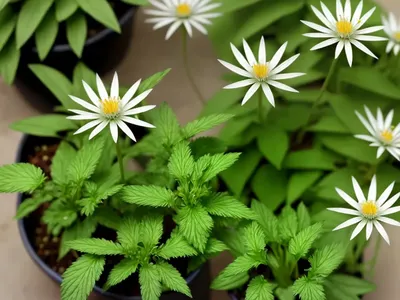
When grown in containers, Bladder Campion serves as an engaging focal point, adding visual interest and natural charm to outdoor spaces. Its graceful form, delicate flowers, and vibrant foliage make it an attractive addition to container gardens, patio settings, and urban landscapes. Leveraging its aesthetic appeal in containers showcases the plant’s ornamental value.
Space-Efficient Cultivation
Cultivating Bladder Campion in containers offers a space-efficient solution for incorporating the plant into diverse settings, regardless of available ground space. Whether placed on balconies, terraces, or urban gardens, containers provide a versatile platform for showcasing the plant’s beauty and creating captivating outdoor displays. Embracing its space-efficient cultivation broadens the scope of incorporating Bladder Campion in various environments.
Common Diseases
Bladder Campion is susceptible to certain diseases and ailments that can impact its growth and vitality. Recognizing these common diseases and adopting preventive measures is crucial for maintaining the plant’s overall health.
Powdery Mildew
Powdery mildew, characterized by the appearance of a white, powdery growth on the plant’s leaves, can affect Bladder Campion. This fungal disease thrives in humid conditions and can hinder the plant’s photosynthetic capabilities. Implementing proper air circulation and environmental management helps mitigate the risk of powdery mildew.
Rust
Another common disease that affects Bladder Campion is rust, which manifests as reddish-brown or yellowish-orange pustules on the plant’s foliage. Rust can weaken the plant and impair its overall vigor. Managing the plant’s moisture levels and promptly removing affected foliage contributes to rust prevention.
Disease Diagnosis
Diagnosing diseases affecting Bladder Campion involves careful observation of its symptoms and understanding the underlying causes. By identifying signs of diseases and determining their origins, appropriate treatment and preventive measures can be instituted.
Symptom Identification
Understanding the typical symptoms associated with common diseases such as powdery mildew and rust enables the early detection of ailments in Bladder Campion. These symptoms may include abnormal discoloration, unusual growths, and changes in foliage texture. Diligent monitoring and symptom identification aid in disease diagnosis.
Causal Analysis
Conducting a causal analysis involves identifying the contributing factors that predispose Bladder Campion to specific diseases. This may encompass environmental conditions, moisture levels, and the presence of pathogens. By evaluating the causal factors, targeted interventions can be implemented to address disease predisposition.
Common Pests
Bladder Campion is susceptible to infestations by certain pests that can compromise its health and vitality. Recognizing these common pests and adopting pest control measures contributes to the plant’s well-being.
Aphids
Aphids are a common pest that can target Bladder Campion, feeding on its sap and causing damage to the plant’s foliage. These small, soft-bodied insects can multiply rapidly and lead to the deterioration of the plant’s overall health. Implementing integrated pest management practices helps mitigate aphid infestations.
Spider Mites
Spider mites are another pest that can pose a threat to Bladder Campion, particularly in dry and warm conditions. These tiny arachnids feed on the plant’s tissues, leading to discoloration and reduced vigor. Maintaining optimal humidity levels and practicing regular monitoring aids in controlling spider mite populations.
Botanist’s Tips
As a plant scientist or an enthusiast, incorporating botanist’s tips into the care and cultivation of Bladder Campion contributes to its successful growth and sustainability.
Soil Preparations
Prior to planting Bladder Campion, ensure that the soil is well-drained and rich in organic matter to support the plant’s root development and nutrient uptake. Incorporating compost or organic amendments enhances the soil’s fertility and structure, creating an optimal growing medium for the plant.
Monitoring Moisture Levels
Regularly monitor the moisture levels in the soil to prevent waterlogged conditions, which can adversely affect Bladder Campion’s root health. Strive to maintain consistent but moderate soil moisture, allowing for slight drying out between watering sessions.
Integrated Pest Management
Implement integrated pest management strategies to address pest issues while minimizing the use of chemical interventions. This may involve deploying natural predators, practicing companion planting, and maintaining a healthy growing environment to deter pest infestations.
Pruning for Health
Adopt a proactive approach to pruning Bladder Campion, focusing on removing spent blooms, shaping the plant’s form, and maintaining a balanced growth pattern. Regular pruning helps promote flowering, prevents disease spread, and enhances the overall health of the plant.
Unique Cultivars
Explore unique cultivars and varieties of Bladder Campion to diversify its presence in gardens and landscape settings. Embracing diverse cultivars broadens the range of aesthetic and functional attributes associated with the plant.
Fun Facts
- The common name “Bladder Campion” stems from the inflated, bladder-like calyx that encloses the plant’s seed capsules.
- In traditional medicine, various parts of Bladder Campion have been utilized for their diuretic and tonic properties.
- Bladder Campion has been a subject of folklore and superstitions in certain cultural traditions, reflecting its enduring presence in human imagination.
Links to External Resources
To further enrich your knowledge and exploration of Bladder Campion (Silene Vulgaris), consider delving into the following external resources:
- Royal Horticultural Society – Silene vulgaris
- USDA Plants Database – Silene vulgaris
- The Wildlife Trusts – Bladder Campion
By engaging with these external resources, you can glean diverse perspectives, insights, and practical tips related to Bladder Campion and its cultivation.
In conclusion, the Bladder Campion (Silene Vulgaris) stands as a testament to the rich tapestry of interactions between humans and plants. From its cultural significance and traditional uses to its ornamental beauty and varied symbolism, this captivating plant invites us to explore its multifaceted nature and appreciate its enduring presence in the natural world.
Remember to embrace the cultural heritage and ecological significance of plants like Bladder Campion, and cultivate a deeper connection with the green world that surrounds us.
Keywords: Bladder Campion benefits, Silene Vulgaris uses, Bladder Campion plant, Silene Vulgaris habitat, Bladder Campion growth, Silene Vulgaris care, Bladder Campion characteristics, Silene Vulgaris medicinal properties, Bladder Campion gardening tips, Silene Vulgaris cultivation, Bladder Campion folklore, Silene Vulgaris symbolism, Bladder Campion herbal remedy, Silene Vulgaris folklore, Bladder Campion propagation, Silene Vulgaris natural habitat, Bladder Campion uses in traditional medicine, Silene Vulgaris traditional uses, Bladder Campion health benefits, Silene Vulgaris folklore and legends, Bladder Campion symbolism in mythology, Silene Vulgaris cultural significance, Bladder Campion edible parts, Silene Vulgaris for landscaping, Bladder Campion folklore and superstitions, Silene Vulgaris folklore and magical properties, Bladder Campion herbal tea, Silene Vulgaris biological properties, Bladder Campion traditional uses, Silene Vulgaris urban gardening, Bladder Campion folklore and cultural practices, Silene Vulgaris in traditional herbal medicine, Bladder Campion historical uses, Silene Vulgaris traditional remedies, Bladder Campion culinary uses, Silene Vulgaris ornamental plant, Bladder Campion folk remedies, Silene Vulgaris eco-friendly gardening, Bladder Campion ethnobotany, Silene Vulgaris traditional folklore, Bladder Campion folklore and mythological connections, Silene Vulgaris endangered species, Bladder Campion herbal supplements, Silene Vulgaris in alternative medicine, Bladder Campion pest control, Silene Vulgaris traditional healing practices, Bladder Campion in traditional cuisine, Silene Vulgaris traditional symbolism, Bladder Campion companion planting, Silene Vulgaris cultural uses
Editor: @Saravanan