Cultivating the Delicious and Nutritious Blackberry (Rubus fruticosus ‘Chester’)

Introduction
Blackberries are highly esteemed for their rich flavor, vibrant color, and nutritional value. One particular variety, Rubus fruticosus ‘Chester’, stands out for its exceptional taste and adaptability. In this comprehensive guide, we will explore the cultivation, care, and utilization of the Rubus fruticosus ‘Chester’ blackberry plant. From its preferred growing conditions to potential pests and diseases, we will cover every aspect of cultivating and maintaining these delightful berries.
What is the Blackberry (Rubus fruticosus ‘Chester’)?
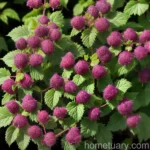
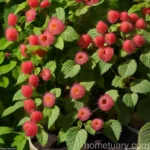
The blackberry, scientifically known as Rubus fruticosus, is a perennial flowering plant classified under the Rosaceae family. The ‘Chester’ variety is a thornless, semi-erect cultivar with exceptional fruit quality. The berries are large, juicy, and tart, making them an ideal choice for fresh consumption, baking, and preserves. Moreover, Rubus fruticosus ‘Chester’ is known for its vigorous growth and is highly favored by gardeners and fruit enthusiasts.
Key Takeaways – Blackberry (Rubus fruticosus ‘Chester’)
Before delving into the specifics of cultivating Rubus fruticosus ‘Chester’, let’s highlight some key takeaways about this exceptional plant:
- Culture
- Rubus fruticosus ‘Chester’ thrives in well-drained, slightly acidic soil and requires regular pruning to maintain its vigor.
- Uses
- The versatile blackberries from this plant can be used for fresh consumption, cooking, baking, and making jams, jellies, and preserves.
- Water
- Adequate, consistent watering is essential, particularly during the fruiting season to ensure plump, juicy berries.
- Sunlight
- This plant flourishes in full sun exposure, although it can tolerate partial shade.
- Fertilizer
- Moderate fertilization with a balanced formulation is recommended to support healthy growth and fruit production.
- Soil
- Well-draining, loamy soil enriched with organic matter is preferred for cultivating Rubus fruticosus ‘Chester’.
- Pruning
- Regular pruning, especially in late winter or early spring, is crucial to manage plant size and encourage fruitful growth.
- Propagation
- Rubus fruticosus ‘Chester’ can be propagated through tip layering, root suckers, or hardwood cuttings to expand your berry garden.
- Container Popularity
- Given its semi-erect growth, this blackberry variety is suitable for container cultivation in smaller spaces.
Now that we have an overview of the key aspects of cultivating Rubus fruticosus ‘Chester’, let’s delve deeper into each of these elements.
Culture
Cultivating Rubus fruticosus ‘Chester’ successfully requires a deep understanding of its cultural needs. From the soil type to pruning techniques, each aspect plays a crucial role in ensuring robust growth and abundant fruit production.
Soil
The soil type and quality are fundamental factors influencing the health and productivity of Rubus fruticosus ‘Chester’. Blackberries, including the ‘Chester’ variety, thrive in deep, loamy soil with excellent drainage capabilities. By incorporating organic matter, such as well-rotted compost or aged manure, into the soil, you can enhance its structure and fertility. Additionally, maintaining a slightly acidic pH level ranging from 5.5 to 6.5 is optimal for blackberry cultivation.
Water
A consistent and adequate water supply is vital for the development and sustenance of Rubus fruticosus ‘Chester’. During the growing season, which includes the flowering and fruiting stages, blackberries require regular watering to support fruit development. The soil should remain evenly moist, but not waterlogged, to promote healthy root activity and prevent issues related to drought stress.
Sunlight
Blackberries, known for their sweet and succulent fruits, thrive in locations with ample sunlight. Setting up your Rubus fruticosus ‘Chester’ plants in areas that receive full sun exposure, typically defined as 6-8 hours of direct sunlight daily, is essential for robust growth and bountiful harvests. However, these plants can tolerate partial shade, especially in regions with intense summer heat.
Fertilizer
Applying a balanced fertilizer provides the essential nutrients required for the vigorous growth and fruit production of Rubus fruticosus ‘Chester’. A general-purpose, granular fertilizer with a balanced NPK (nitrogen, phosphorus, and potassium) ratio, such as 10-10-10, can be utilized for blackberry plants. The first fertilizer application should occur in early spring before the new growth commences, followed by subsequent feedings during the growing season.
Uses
The uses of Rubus fruticosus ‘Chester’ extend far beyond simply enjoying the delectable fruits straight from the plant. Let’s explore the various applications of these versatile berries and their role in the culinary world.
Culinary Delights
The succulent and flavorful fruits of Rubus fruticosus ‘Chester’ lend themselves to a wide array of culinary preparations. Whether consumed fresh and unadorned, incorporated into delectable desserts, or transformed into delightful preserves, the versatility of blackberries is truly remarkable. From pies and cobblers to jams, jellies, and syrups, these berries elevate a myriad of dishes with their intense flavor and vibrant color.
Nutritional Value
In addition to their culinary appeal, blackberries, including those produced by Rubus fruticosus ‘Chester’, offer substantial nutritional benefits. Rich in dietary fiber, vitamin C, and an array of antioxidants, blackberries are considered a wholesome addition to a balanced diet. The consumption of these berries has been associated with improved cardiovascular health, strengthened immune function, and enhanced overall well-being.
Pruning
Pruning plays a pivotal role in maintaining the health, productivity, and manageability of Rubus fruticosus ‘Chester’ plants. By understanding the pruning requirements and techniques, you can effectively shape and promote optimal growth in your blackberry patch.
Pruning Timeframe
The ideal time for pruning Rubus fruticosus ‘Chester’ plants is during the dormant season, typically in late winter to early spring. This timeframe allows for the removal of dead or diseased canes, as well as the shaping and thinning of the plant for improved air circulation and light penetration.
Pruning Techniques
When pruning your Rubus fruticosus ‘Chester’ blackberries, it is important to differentiate between the primocanes (first-year growth) and floricanes (second-year growth). Primocanes can be pruned to a height of 40-48 inches (100-120 cm) to encourage branching and fruit production. Conversely, floricanes that have fruited should be pruned down to the ground to make room for new canes and channel the plant’s energy into the development of fresh, productive growth.
Propagation
Expanding your berry garden and sharing the joy of Rubus fruticosus ‘Chester’ blackberries with others can be achieved through effective propagation methods. Let’s explore some practical approaches to propagate these exceptional plants.
Tip Layering
Tip layering involves bending and securing a portion of the flexible blackberry cane into the ground, allowing it to develop roots while still attached to the parent plant. Once rooted, the new plantlet can be detached from the parent and transplanted to a desired location, effectively multiplying your Rubus fruticosus ‘Chester’ population.
Root Suckers
Blackberry plants often produce root suckers, which are adventitious shoots arising from the plant’s root system. These vigorous shoots can be carefully severed from the parent plant and transplanted elsewhere, providing a simple and efficient means of propagation.
Hardwood Cuttings
During the dormant season, hardwood cuttings can be collected from healthy, disease-free canes of Rubus fruticosus ‘Chester’. These cuttings are typically 6-8 inches (15-20 cm) in length and are planted in a prepared propagation bed or container with a well-draining growing medium. With proper care and favorable conditions, these cuttings can develop into robust young plants.
Container Popularity
The semi-erect growth habit of Rubus fruticosus ‘Chester’ makes it an excellent candidate for container cultivation, particularly in smaller gardens or urban settings. Cultivating these blackberries in containers offers several advantages, including enhanced mobility, efficient space utilization, and ease of maintenance.
Container Selection
When selecting containers for Rubus fruticosus ‘Chester’, it is crucial to choose spacious, durable pots with adequate drainage holes. Additionally, larger containers provide ample space for the development of the plant’s extensive root system, promoting healthy growth and optimal fruit production.
Growing Medium
A well-draining growing medium is essential for container-grown Rubus fruticosus ‘Chester’ plants. A blend of potting soil, peat moss, and perlite or vermiculite creates an ideal substrate that supports proper root aeration and moisture regulation.
Watering and Maintenance
Containers require regular monitoring to ensure the soil remains consistently moist but not waterlogged. Watering frequency may increase during periods of high temperatures or intense sunlight, necessitating careful attention to the plants’ moisture needs. Additionally, routine maintenance, including fertilization, pruning, and pest management, should be diligently carried out to promote the health and vitality of container-grown blackberries.
Common Diseases
While Rubus fruticosus ‘Chester’ is generally robust and resilient, certain diseases can pose a threat to the health and productivity of these plants. Recognizing the symptoms and implementing appropriate control measures are crucial for effectively managing potential disease challenges.
Disease Diagnosis
The diagnosis of blackberry diseases often involves observing characteristic symptoms on the plant, including leaf discoloration, wilting, canker formation, or abnormal growth patterns. Additionally, laboratory analysis or professional consultation may be necessary to accurately identify the specific disease affecting the Rubus fruticosus ‘Chester’ plants.
Disease Prevention and Treatment
Implementing preventive measures, such as practicing good sanitation, providing optimal cultural conditions, and selecting disease-resistant varieties, can significantly reduce the risk of disease occurrence. In cases where diseases do manifest, timely and targeted treatments, including the application of fungicides or biological control agents, are essential to mitigate the impact and limit the spread of the pathogens.
Common Pests
Despite their resilience, blackberry plants, including Rubus fruticosus ‘Chester’, can be susceptible to various pests that undermine their growth and fruit production. By understanding the nature of these pests and their potential impact, you can take proactive measures to safeguard your blackberry patch.
Pest Identification
Identifying common blackberry pests, such as aphids, spider mites, Japanese beetles, or raspberry fruitworms, is essential for implementing appropriate pest management strategies. By closely monitoring your Rubus fruticosus ‘Chester’ plants and inspecting them for signs of pest activity, you can detect potential infestations early and take prompt action.
Pest Control
Integrated pest management (IPM) practices emphasize the use of diverse, environmentally sensitive tactics to manage pests effectively. These tactics may include cultural controls, such as pruning and sanitation, as well as the judicious application of insecticidal soaps, oils, or botanical insecticides. Employing biological control agents, such as predatory beneficial insects, can also contribute to minimizing pest pressure in the blackberry patch.
Botanist’s Tips
As a plant scientist with a passion for blackberry cultivation, I would like to share some insightful tips for successful Rubus fruticosus ‘Chester’ gardening:
- Adequate Support: Providing sturdy trellising or support systems for semi-erect blackberries ensures optimal growth, fruit development, and ease of maintenance.
- Mulching Benefits: Applying a layer of organic mulch around Rubus fruticosus ‘Chester’ plants conserves soil moisture, regulates temperature, and suppresses weed growth, benefiting the overall health of the blackberry patch.
- Pollination Enhancement: Introducing bee-attracting plants or establishing beehives near the blackberry patch can enhance pollination and fruit set, leading to improved yields and fruit quality.
Fun Facts
To further appreciate the allure of Rubus fruticosus ‘Chester’ blackberries, here are some engaging and enlightening fun facts about these remarkable plants:
- Historical Significance: Blackberries have a rich historical legacy, with references dating back to the ancient Greeks and Romans, who valued them for their medicinal and culinary properties.
- Cultural Symbolism: In various cultures, blackberries are associated with diverse symbolism, representing abundance, protection, and even spiritual enlightenment in different folklore and traditions.
- Global Distribution: Rubus fruticosus species, including the ‘Chester’ variety, are found in diverse temperate regions, reflecting their adaptability and widespread appeal across various climates.
Links to External Resources
For further exploration of blackberry cultivation, care, and utilization, I recommend delving into the following external resources:
- University of California Agriculture and Natural Resources – Growing Blackberries in California
- Royal Horticultural Society – Blackberries for the Garden
- United States Department of Agriculture – Blackberries and Their Hybrids
- PennState Extension – Blackberry Production in Home Fruit Plantings
In conclusion, the cultivation and care of Rubus fruticosus ‘Chester’ blackberries offer a rewarding and enriching experience for gardeners and enthusiasts. By integrating the insights and practices outlined in this comprehensive guide, you can embark on a fulfilling journey of growing, harvesting, and enjoying the delightful fruits of these exceptional plants.
Remember, the art of blackberry cultivation encompasses not only the cultivation of a delicious fruit but also the nurturing of a living, thriving garden that fosters a deep connection with nature and the rich bounty it offers.
Whether you are a seasoned grower or a novice gardener, the vibrant allure of Rubus fruticosus ‘Chester’ blackberries awaits your discovery and appreciation, promising a fruitful venture into the world of delectable berries and enchanting garden experiences.
Happy gardening!