All About Blackberry (Rubus ‘APF-190T’ PRIME-ARK TRAVELER)
What is Blackberry (Rubus ‘APF-190T’ PRIME-ARK TRAVELER)?
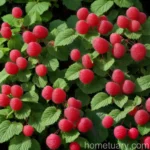
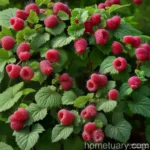
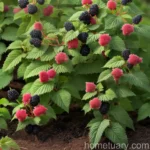
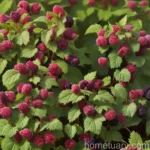
The blackberry plant, scientifically known as Rubus ‘APF-190T’ PRIME-ARK TRAVELER, is a perennial shrub from the Rubus genus and the Rosaceae family. This particular cultivar is cherished for its delectable berries and is a popular choice for home gardeners and commercial growers alike.
Blackberries are characterized by their delicious and nutritious fruits, entwined canes, and charming white blooms. The ‘APF-190T’ PRIME-ARK TRAVELER, in particular, stands out for its exceptional flavor, texture, and yield, making it a sought-after addition to gardens and landscapes.
In this comprehensive guide, we will delve into the culture, uses, care, and maintenance of the blackberry (Rubus ‘APF-190T’ PRIME-ARK TRAVELER), providing valuable insights for both novice and experienced growers.
Key Takeaways – Blackberry (Rubus ‘APF-190T’ PRIME-ARK TRAVELER)
Before diving into the specifics of blackberry (Rubus ‘APF-190T’ PRIME-ARK TRAVELER) care and cultivation, let’s briefly highlight the key takeaways pertaining to this captivating plant:
- The blackberry ‘APF-190T’ PRIME-ARK TRAVELER is a popular cultivar known for its exceptional fruit quality and yield.
- It requires adequate sunlight, well-draining soil, and regular pruning for optimal growth and fruit production.
- This cultivar is susceptible to certain pests and diseases, necessitating proactive management strategies.
- Blackberries can be propagated through various methods, including tip-layering and division, offering opportunities for expansion and cultivation.
- When properly cared for, blackberry plants can provide bountiful harvests with minimal maintenance, making them a rewarding addition to any garden or landscape.
With these key points in mind, let’s explore the detailed aspects of blackberry (Rubus ‘APF-190T’ PRIME-ARK TRAVELER) cultivation and management.
Culture
Uses
The blackberry ‘APF-190T’ PRIME-ARK TRAVELER serves a multitude of purposes, ranging from culinary delights to landscape beautification. Its primary uses include:
- Culinary Delights: The flavorful, juicy berries of the blackberry are perfect for fresh consumption, jams, jellies, desserts, and smoothies, adding a delectable touch to various dishes and beverages.
- Landscape Enhancement: The lush, green foliage, charming blooms, and bountiful fruits of the blackberry plant contribute to its appeal as an ornamental addition to gardens and landscapes.
Water
Blackberries require consistent moisture, especially during the growing season and fruit development. Adequate watering is essential to support plant health, fruit formation, and overall productivity. However, it’s crucial to maintain a balance, avoiding waterlogged conditions that can lead to root rot and other problems.
Sunlight
In order to thrive and produce abundant fruits, blackberry plants necessitate ample sunlight. A minimum of 6 hours of direct sunlight is recommended for optimal growth and fruiting. In locations with intense summers, providing partial shade during the hottest part of the day can be beneficial.
Fertilizer
Appropriate fertilization is vital for promoting vigorous growth and fruit production in blackberry plants. A balanced fertilizer with equal parts nitrogen, phosphorus, and potassium can be applied in early spring and mid-summer to provide essential nutrients. Additionally, the incorporation of organic matter such as compost can enhance soil fertility and structure.
Soil
Well-drained, fertile soil is key to cultivating healthy and productive blackberry plants. A slightly acidic to neutral pH (pH 5.5-7.0) is optimal for blackberries. The soil should also be rich in organic matter and possess good water-retention capacity while preventing waterlogging. A loamy or sandy loam soil type is generally well-suited for blackberry cultivation.
Pruning
Regular pruning is essential for managing the growth, health, and productivity of blackberry plants. Proper pruning helps in reinvigorating the plant, removing diseased or damaged canes, and optimizing fruiting potential. Pruning is typically carried out during the dormant season, focusing on the removal of spent canes and shaping the plant for optimal fruit development.
Propagation
Blackberry plants can be propagated through several methods, including:
- Tip-layering: Encouraging the tip of a healthy cane to touch the ground and form roots, eventually leading to the development of a new plant.
- Division: Separating the root mass to create new plants. This method is commonly employed for expanding blackberry patches and establishing new plantings.
Container Popularity
While blackberry plants are commonly grown in open ground, they can also thrive in containers, making them a popular choice for confined spaces, patios, and urban gardens. Container cultivation offers the flexibility of growing blackberries in various settings, provided the plants receive adequate sunlight, moisture, and nutrients.
Common Diseases
Blackberry plants are susceptible to various diseases, with some of the most prevalent ones including:
- Anthracnose: A fungal disease that causes dark lesions on canes and fruits, leading to reduced quality and yield.
- Orange Rust: Characterized by yellow to orange spores on the undersides of leaves, this disease can weaken the plant and impede growth.
- Powdery Mildew: A common fungal infection that results in powdery white growth on leaves, affecting photosynthesis and overall plant health.
Disease Diagnosis
Diagnosing diseases in blackberry plants involves careful observation of symptoms such as discoloration, lesions, abnormal growth, and foliar issues. In some cases, laboratory tests or professional consultation may be required for accurate identification and effective management.
Common Pests
Several pests pose a threat to blackberry plants, with notable examples including:
- Spider Mites: These tiny arachnids feed on plant sap, causing stippling and yellowing of leaves, ultimately affecting plant vigor and fruit quality.
- Japanese Beetles: Characterized by their metallic green color, these voracious insects consume foliage and can cause significant damage if left uncontrolled.
- Raspberry Cane Borer: The larvae of these insects bore into the canes, leading to dieback and weakened plant structure.
Botanist’s Tips
To effectively manage pests and diseases in blackberry plants, employing integrated pest management (IPM) strategies is recommended. This approach involves the use of cultural, biological, and if necessary, minimal chemical controls to mitigate the impact of pests and diseases, ensuring the health and productivity of the plants.
Fun Facts
- Blackberries belong to the same family as roses, the Rosaceae family, and are botanically classified as aggregate fruits.
- The term “bramble” is often used to describe blackberry plants due to their thorny, sprawling growth habit.
- Blackberries are rich in antioxidants, vitamins, and fiber, making them a nutritious addition to a balanced diet.
Links to External Resources
For further information on blackberry (Rubus ‘APF-190T’ PRIME-ARK TRAVELER) cultivation, care, and management, consider exploring the following resources:
- University of Maryland Extension – Growing Blackberries
- North Carolina State University Extension – Blackberry Pest Management
- The Ohio State University – Blackberry Cultivation Guide
In conclusion, the cultivation of blackberry (Rubus ‘APF-190T’ PRIME-ARK TRAVELER) encompasses a diverse array of aspects ranging from soil requirements and pruning techniques to disease management and culinary uses. By integrating the knowledge and practices outlined in this guide, gardeners and enthusiasts can embark on a rewarding journey of successfully growing and enjoying the bountiful fruits of this remarkable plant. Whether in a home garden, commercial orchard, or community landscape, the allure of blackberries adds an enriching dimension to horticultural pursuits, encompassing both practical utility and sensory delight.