Blackberry Bush (Rubus Fruticosus)
The Blackberry Bush, scientifically known as Rubus fruticosus, is a perennial plant belonging to the Rosaceae family. Renowned for its delicious and.
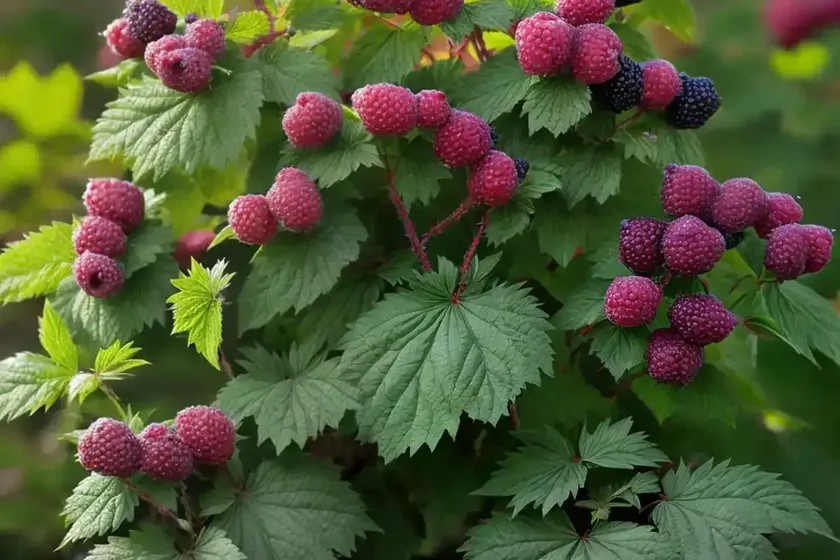
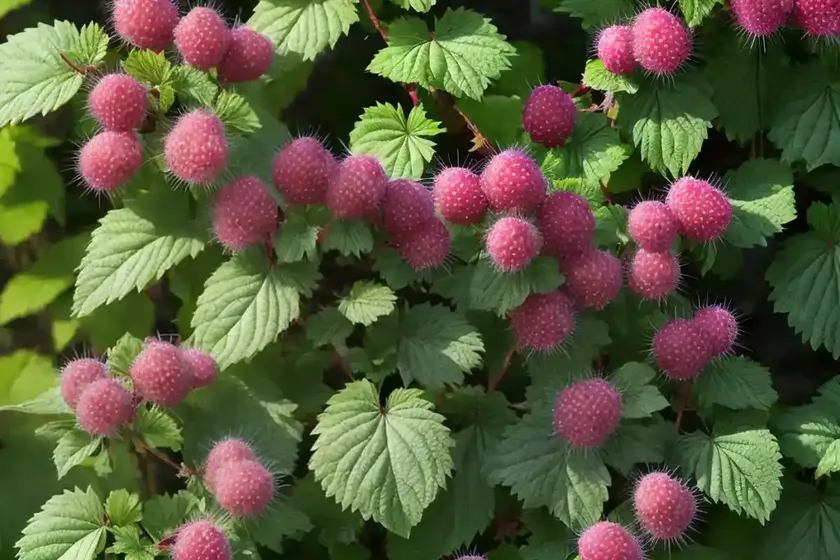
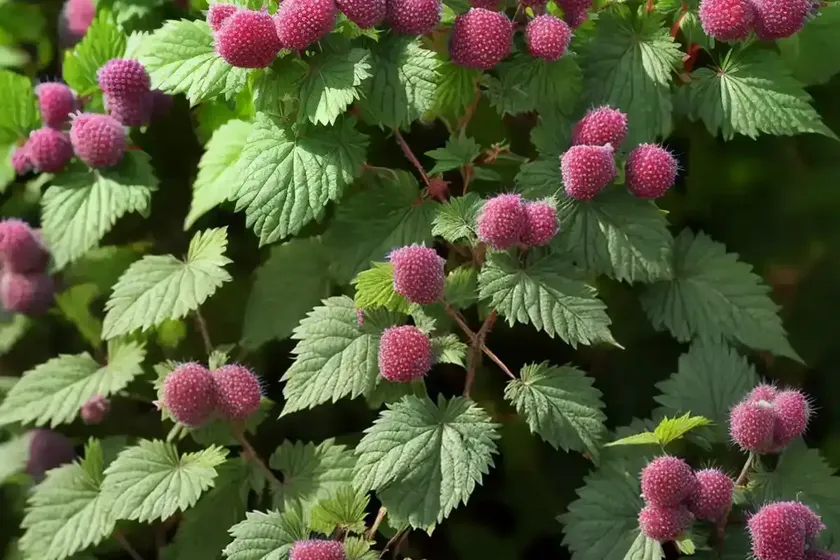
The Blackberry Bush, scientifically known as Rubus fruticosus, is a perennial plant belonging to the Rosaceae family. Renowned for its delicious and nutrient-rich fruits, this plant has been cultivated for centuries and holds significant cultural and economic value. In this comprehensive guide, we will delve deep into the world of the Blackberry Bush, exploring its cultivation, care requirements, uses, and much more.
What is Blackberry Bush (Rubus fruticosus)?
The Blackberry Bush, a member of the Rubus genus, is a woody perennial shrub that produces aggregate fruits known as blackberries. These delectable fruits are highly sought after for their sweet-tart flavor and are utilized in a myriad of culinary applications, including jams, pies, and juices.
Plant Classification and Characteristics
- Family: Rosaceae
- Genus: Rubus
- Species: Fruticosus
Blackberry Bushes are characterized by their sprawling growth habit, thorny stems, and compound leaves. The plant typically thrives in temperate regions and is renowned for its resilience and adaptability.
Key Takeaways – Blackberry Bush (Rubus fruticosus)
Before delving into the intricacies of cultivating and caring for the Blackberry Bush, let’s highlight the key takeaways that will be explored in detail throughout this guide.
Culture
Understanding the cultural requirements of the Blackberry Bush is essential for successful cultivation. From soil preferences to pruning techniques, we will explore the cultural aspects that contribute to the plant’s growth and productivity.
Uses
The Blackberry Bush offers a multitude of uses, ranging from its culinary applications to medicinal and ornamental purposes. We will uncover the diverse ways in which this plant can be utilized.
Water
Proper watering practices are crucial for the health and vitality of the Blackberry Bush. We will discuss the water requirements and best practices for ensuring optimal hydration.
Sunlight
Sunlight plays a pivotal role in the growth and fruiting of Blackberry Bushes. We will delve into the plant’s sunlight preferences and the impact of light exposure on its overall development.
Fertilizer
Balanced nutrition is essential for the Blackberry Bush to thrive and produce abundant yields. We will explore the fertilizer requirements and application techniques for promoting robust growth.
Soil
The choice of soil can significantly influence the health and productivity of the Blackberry Bush. We will outline the ideal soil conditions and amendments necessary for cultivating healthy plants.
Pruning
Pruning is a vital aspect of Blackberry Bush care, contributing to plant vigor, fruit quality, and disease prevention. We will discuss effective pruning techniques and schedules.
Propagation
Understanding the various methods of propagating Blackberry Bushes is vital for expanding plantings and maintaining genetic diversity. We will explore propagation techniques suitable for home gardeners and commercial growers.
Container Cultivation
For individuals with limited garden space, container cultivation offers a viable option for growing Blackberry Bushes. We will provide insights into successful container gardening for this plant.
Popularity
The Blackberry Bush’s popularity spans generations and cultures. We will delve into the historical significance and modern-day appeal of this beloved plant.
Common Diseases
Blackberry Bushes are susceptible to various diseases that can impact their growth and fruit production. We will identify common diseases and their treatments.
Disease Diagnosis
Early detection of diseases is critical for effective management. We will discuss the symptoms and diagnostic methods for identifying prevalent ailments in Blackberry Bushes.
Common Pests
Pest infestations can pose significant threats to Blackberry Bushes. We will identify common pests and explore methods for their control and prevention.
Now that we have an overview of the key topics we’ll be covering, let’s delve into each aspect in detail.
Culture
Cultivating Blackberry Bushes successfully involves understanding and addressing their cultural requirements. From water and sunlight to soil and fertilization, each element plays a crucial role in the plant’s growth and productivity.
Water
Water Requirements: Blackberry Bushes require consistent and adequate moisture, especially during the flowering and fruiting stages. However, they are susceptible to root rot if subjected to waterlogged conditions. Therefore, it is essential to maintain well-draining soil to prevent water accumulation around the root zone.
Watering Practices:
– Established Plants: Mature Blackberry Bushes benefit from deep watering, ensuring that the roots receive ample moisture. A general guideline is to provide 1 to 2 inches of water per week, either through rainfall or irrigation, during the growing season.
– Irrigation: Drip irrigation or soaker hoses are beneficial for delivering water directly to the root zone, minimizing moisture on the foliage and reducing the risk of fungal diseases.
– Mulching: Applying a layer of organic mulch around the base of the plant helps retain soil moisture, suppresses weed growth, and provides insulation against temperature fluctuations.
Sunlight
Sunlight Preferences: Blackberry Bushes thrive in full sun to partial shade, with a preference for at least 6 hours of direct sunlight daily. Adequate sunlight promotes robust growth, flowering, and fruit development, contributing to bountiful harvests.
Light Exposure:
– Site Selection: When choosing a location for planting Blackberry Bushes, prioritize areas with ample sunlight and good air circulation to minimize the risk of fungal infections.
– Shade Cloth: In regions with intense sunlight or high temperatures, providing partial shade during the hottest part of the day can benefit the plants, preventing heat stress and sunscald.
Fertilizer
Nutritional Requirements: Blackberry Bushes benefit from a balanced and nutrient-rich soil to support their growth, flowering, and fruiting. Incorporating organic matter and supplemental fertilizers can enhance soil fertility and provide essential nutrients.
Fertilization Tips:
– Soil Testing: Conduct soil tests to assess the nutrient levels and pH, enabling targeted fertilization based on the plant’s specific requirements.
– Fertilizer Application: Applying a balanced fertilizer (such as 10-10-10) in early spring before new growth emerges supports the plant’s nutritional needs. Additionally, side-dressing with compost during the growing season can replenish soil nutrients.
Soil
Soil Preferences: Blackberry Bushes thrive in well-draining, loamy soil with a slightly acidic to neutral pH (pH 5.5 to 7.0). Soil rich in organic matter, such as compost or well-rotted manure, promotes favorable growing conditions for the plants.
Soil Amendments:
– Organic Matter: Incorporating compost, aged manure, or leaf mold into the soil improves its texture, moisture retention, and nutrient content.
– pH Adjustment: If the soil pH is outside the preferred range, amendments such as elemental sulfur for lowering pH or agricultural lime for raising pH can be applied to create an optimal growing environment for Blackberry Bushes.
Pruning
Pruning Objectives: Pruning serves multiple purposes for Blackberry Bushes, including maintaining plant vigor, managing size, and promoting fruiting wood. Additionally, removing diseased or damaged canes through pruning aids in disease prevention and plant rejuvenation.
Pruning Techniques:
– Annual Pruning: Conduct annual pruning during the dormant season, typically in late winter to early spring before new growth begins. Remove dead, weak, or overcrowded canes to promote airflow and light penetration within the plant.
– Training Canes: Training the canes onto a supporting trellis system facilitates efficient management and harvesting while reducing the risk of cane damage.
Propagation
Propagation Methods: Blackberry Bushes can be propagated through various techniques, including division, tip layering, and stem cuttings. Understanding the appropriate propagation method is essential for successful plant propagation and expansion.
Propagation Techniques:
– Tip Layering: Encourage tip layering by gently bending a young, flexible cane to the ground and burying a portion of it in the soil, ensuring that the buried section produces roots while the tip remains above ground.
– Stem Cuttings: Collect semi-hardwood stem cuttings in late spring or early summer, treating them with a rooting hormone before planting them in a sterile growing medium to initiate root development.
Container Cultivation
Container Selection: Choosing the right container is crucial for successful Blackberry Bush cultivation in a confined space. Large, sturdy containers with adequate drainage holes are ideal for accommodating the plant’s root system and promoting healthy growth.
Container Care:
– Drainage: Ensure that the containers provide efficient drainage to prevent waterlogging and root suffocation. Elevating the pots on pot feet or placing them on a slight incline facilitates drainage.
– Fertilization: Container-grown Blackberry Bushes may require more frequent fertilization due to the limited nutrient availability in the growing medium. Implementing a regular fertilization schedule supports plant vitality.
Uses
The Blackberry Bush offers a broad spectrum of uses, encompassing culinary, medicinal, and ornamental applications. Let’s explore the diverse ways in which this versatile plant can be utilized.
Culinary Uses
Fruit Harvesting: Blackberry Bushes yield delectable fruits that are used fresh, frozen, or processed into an array of culinary delicacies, including jams, jellies, pies, syrups, and baked goods.
Nutritional Value: Blackberries are rich in vitamins, antioxidants, and dietary fiber. They are valued for their contribution to a healthy diet and are incorporated into numerous recipes for their flavor and nutrient content.
Medicinal Applications
Health Benefits: Blackberries possess various health-promoting properties, attributed to their antioxidant and anti-inflammatory compounds. They are utilized in traditional medicine and herbal remedies for their potential to support overall health and wellness.
Medicinal Preparations: Blackberry leaves, roots, and fruits are employed in the preparation of teas, tinctures, and infusions, offering potential therapeutic benefits for ailments such as sore throats, digestive issues, and skin conditions.
Ornamental Value
Aesthetic Appeal: Blackberry Bushes exhibit ornamental value, especially during their flowering and fruiting stages. Their delicate white blossoms and vibrant berries add visual interest to gardens and landscapes, enhancing their aesthetic appeal.
Wildlife Attraction: The plant’s flowers and fruits attract pollinators, such as bees and butterflies, contributing to ecosystem biodiversity. Additionally, the fruits serve as a food source for birds and wildlife, fostering ecological balance.
Popularity
The Blackberry Bush has garnered widespread popularity across diverse cultures and geographical regions, owing to its versatile uses and intrinsic value. Let’s delve into the historical significance and enduring appeal of this beloved plant.
Historical Significance
Cultural Relevance: The cultivation and consumption of blackberries have been documented throughout human history, with references in folklore, literature, and traditional practices across various civilizations.
Economic Importance: Blackberry production has emerged as a significant economic activity, contributing to local economies and agricultural livelihoods in regions conducive to blackberry cultivation.
Modern Appeal
Home Gardening: Blackberry Bushes are a cherished addition to home gardens and allotments, allowing individuals to savor the freshness of homegrown blackberries and embrace sustainable gardening practices.
Commercial Cultivation: The commercial cultivation of blackberries has witnessed an upsurge due to the growing demand for fresh, premium-quality berries and value-added blackberry products in the market.
Common Diseases
Blackberry Bushes are susceptible to various diseases, ranging from fungal infections to bacterial and viral ailments. Identifying and managing these diseases is essential for preserving the health and productivity of the plants.
Anthracnose (Elsinoe veneta)
- Symptoms: Anthracnose manifests as round, sunken lesions on the fruits, accompanied by dark, concentric rings. Infected canes may exhibit necrotic lesions and dieback, impacting overall plant vigor.
- Management: Implementing cultural practices such as adequate spacing and pruning to enhance air circulation, along with applying fungicidal sprays during the growing season, can aid in disease control.
Gray Mold (Botrytis cinerea)
- Symptoms: Gray mold presents as fuzzy, grayish-brown lesions on the flowers, fruits, and foliage of Blackberry Bushes. Infected tissues decay rapidly, leading to the collapse of the affected plant parts.
- Management: Pruning out and removing infected plant material, maintaining dry foliage, and applying fungicidal treatments can help minimize the spread of gray mold.
Orange Rust (Gymnoconia nitens)
- Symptoms: Orange rust causes the development of bright orange, powdery pustules on the undersides of the leaves, leading to leaf deformation and premature defoliation. Severe infections can weaken the plant over time.
- Management: Prompt removal and disposal of infected leaves, coupled with the application of fungicidal sprays, contribute to the control of orange rust in Blackberry Bushes.
Disease Diagnosis
Early detection and accurate diagnosis of diseases are imperative for implementing timely interventions and preventing the escalation of plant health issues. Understanding the symptoms associated with prevalent diseases aids in effective diagnosis.
Visual Symptoms
-
Foliage: Wilting, yellowing, or spotted leaves may indicate the presence of fungal or bacterial infections. Discoloration, distortion, or deformities in the leaves are indicative of various diseases.
-
Fruits: Abnormal discoloration, lesions, or rotting of fruits signal potential disease infestations that require immediate attention.
Diagnostic Techniques
-
Laboratory Analysis: Submitting plant samples to diagnostic laboratories for analysis facilitates the identification of causal pathogens and provides insights into the appropriate management strategies.
-
Consultation with Experts: Seeking guidance from experienced horticulturists or plant pathologists can aid in accurate disease diagnosis and the formulation of targeted control measures.
Common Pests
Blackberry Bushes are vulnerable to pest infestations that can compromise plant health and reduce fruit yields. Identifying and managing common pests is paramount for safeguarding the plants from detrimental effects.
Spider Mites (Tetranychidae family)
-
Damage: Spider mites feed on the foliage, causing stippling, yellowing, and weakening of the leaves. Severe infestations can lead to defoliation and diminished plant vigor.
-
Control Measures: Introducing predatory mites, applying insecticidal soaps or horticultural oils, and maintaining proper plant hygiene aid in mitigating spider mite populations.
Raspberry Cane Maggot (Byturus unicolor)
-
Damage: Raspberry cane maggot larvae bore into the tender shoot tips and canes, causing wilting and dieback. Infestations can impede new growth and weaken the plant.
-
Management: Vigilant monitoring of emerging shoots, pruning out infested canes, and employing biological controls help reduce the impact of raspberry cane maggot infestations.
Japanese Beetles (Popillia japonica)
-
Damage: Japanese beetles feed on the foliage, creating extensive skeletonization and defoliation. Severe infestations can weaken the plant and impede fruiting.
-
Control Strategies: Handpicking beetles, utilizing pheromone traps, and applying botanical or microbial insecticides aid in managing Japanese beetle populations in Blackberry Bushes.
Botanist’s Tips
As a plant scientist deeply familiar with the intricacies of Blackberry Bush cultivation, I am pleased to offer a set of expert tips aimed at enhancing the success of growing and caring for these cherished plants.
Pruning Recommendations
-
Selective Pruning: Prioritize the removal of weak, diseased, or damaged canes during pruning to stimulate the growth of healthy, productive wood.
-
Thinning Canopy: Thinning out excessive canes and lateral growth promotes airflow and light penetration, minimizing the risk of disease development and enhancing fruit quality.
Integrated Pest Management
-
Monitoring: Regularly monitor Blackberry Bushes for signs of pest activity, enabling early intervention and the implementation of targeted pest control measures.
-
Biological Controls: Introduce natural predators and beneficial insects to the garden to combat pest populations and maintain ecological balance.
Soil Health
-
Mulching: Apply organic mulch around the base of Blackberry Bushes to conserve soil moisture, suppress weeds, and enhance soil structure.
-
Crop Rotation: Incorporate crop rotation practices to minimize disease buildup and nutrient depletion in the soil, promoting long-term soil health.
Fun Facts
Let’s uncover some intriguing and lesser-known facts about Blackberry Bushes, shedding light on the fascinating aspects of these remarkable plants.
Genetic Diversity
Blackberry Bushes are known for their remarkable genetic diversity, boasting numerous cultivars and wild varieties that exhibit a wide range of flavors, textures, and growth habits.
Pollination Magic
Blackberries are self-fertile, meaning that they can set fruit without the need for a separate pollination partner. However, cross-pollination by bees and other pollinators can enhance yields and fruit quality.
Thornless Varieties
While traditional Blackberry Bushes are adorned with formidable thorns, thornless cultivars have been developed, offering a more user-friendly and accessible option for home gardeners and commercial growers.
In this guide, we have delved deep into the captivating world of the Blackberry Bush (Rubus fruticosus), exploring its cultivation, care requirements, uses, and remarkable attributes. Armed with a profound understanding of the cultural aspects, disease management strategies, and the diverse utilities of this extraordinary plant, you are now equipped to embark on your journey of cultivating and enjoying the bounties of Blackberry Bushes.
For further information and practical insights, feel free to explore the external resources and links provided below. Happy growing, and may your Blackberry Bushes flourish abundantly in your garden!
Links to External Resources
- Growing Blackberries in Your Home Garden – University of California Agriculture and Natural Resources
- Blackberry Plant Care and Growing Guide – The Old Farmer’s Almanac
- Pruning Blackberry Plants for Health and Productivity – University of Arkansas Division of Agriculture Research and Extension
- Managing Pests in Home Raspberry and Blackberry Plantings – North Carolina State University Extension
- Blackberry Cultivar Development and Production – Cornell University College of Agriculture and Life Sciences
- Blackberry Cultivation: A Global Perspective – Food and Agriculture Organization of the United Nations


