Black Spruce Bonsai (Picea Mariana)
Bonsai, the ancient Japanese art of cultivating miniature trees in containers, has captivated the hearts of plant enthusiasts around the world. The.
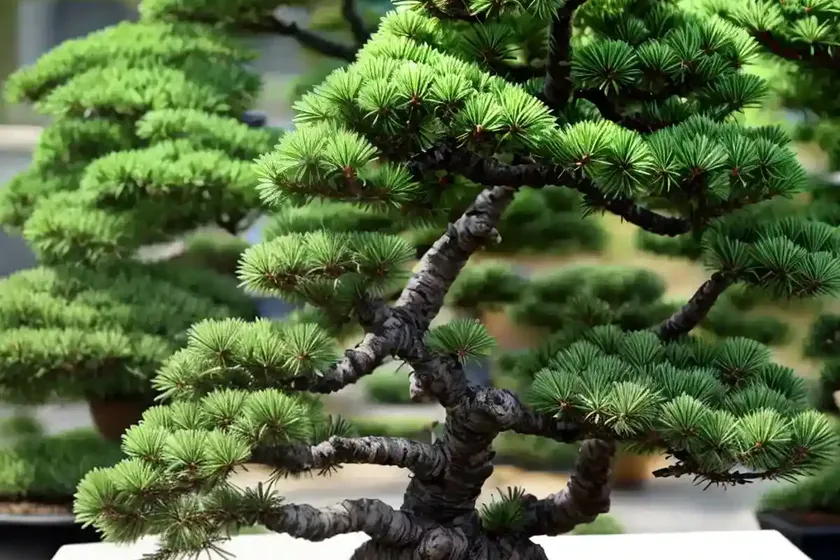
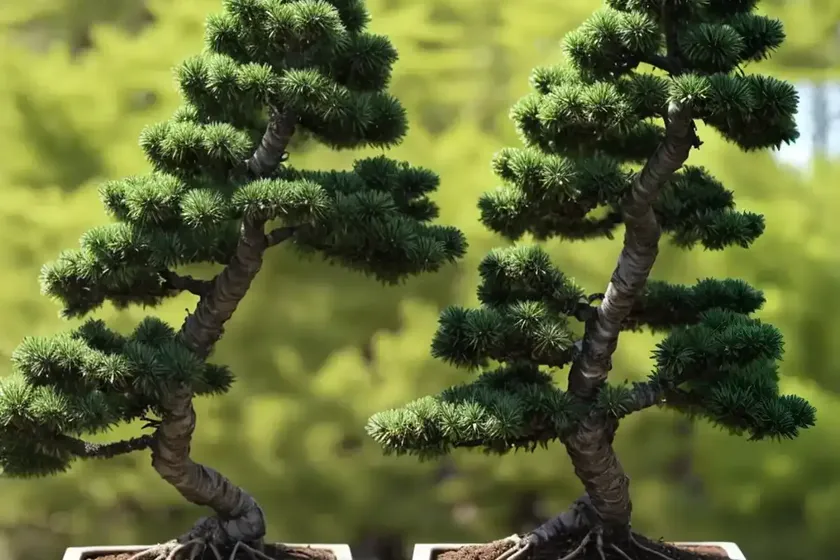
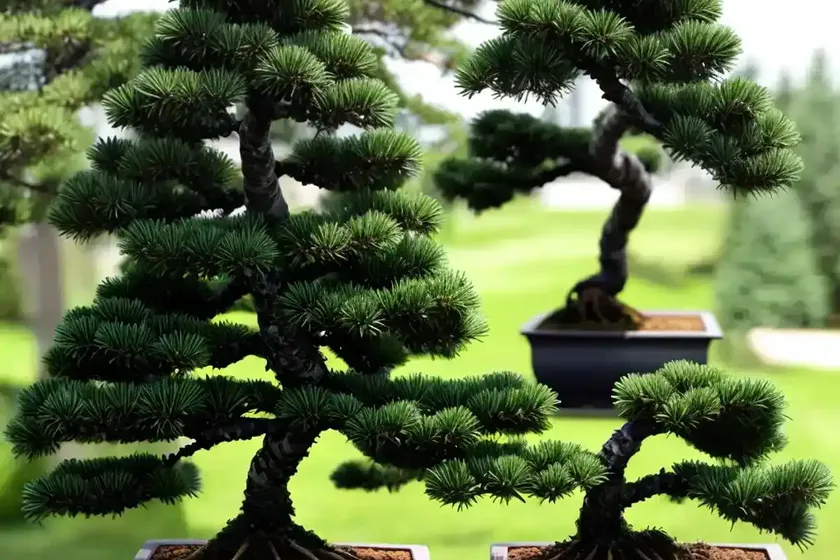
Introduction to Black Spruce Bonsai
Bonsai, the ancient Japanese art of cultivating miniature trees in containers, has captivated the hearts of plant enthusiasts around the world. The meticulous care, attention to detail, and artistic expression involved in bonsai cultivation make it a truly unique horticultural practice. Among the myriad of tree species that can be transformed into bonsai, the Black Spruce (Picea mariana) stands out for its striking appearance and ability to thrive in a bonsai setting.
This comprehensive guide will delve into the intricacies of caring for Black Spruce Bonsai, covering topics such as cultural practices, maintenance techniques, common diseases and pests, and fascinating facts about this captivating plant. Whether you are a seasoned bonsai aficionado or a novice enthusiast, this guide will provide invaluable insights into the art and science of cultivating Black Spruce Bonsai.
Key Takeaways – Black Spruce Bonsai (Picea mariana)
Before delving into the nuances of Black Spruce Bonsai care and maintenance, let’s highlight some key takeaways that will guide our exploration:
- Culture: Understanding the natural habitat and growth habits of Black Spruce (Picea mariana).
- Uses: Exploring the ornamental and aesthetic uses of Black Spruce Bonsai.
- Water: Learning the optimal watering practices to sustain the health of Black Spruce Bonsai.
- Sunlight: Identifying the sunlight requirements for promoting vigorous growth in Black Spruce Bonsai.
- Fertilizer: Implementing appropriate fertilization strategies to nourish Black Spruce Bonsai.
- Soil: Selecting and preparing the ideal soil medium for Black Spruce Bonsai cultivation.
- Pruning: Mastering the art of pruning to shape and refine the form of Black Spruce Bonsai.
- Propagation: Exploring propagation techniques to propagate Black Spruce Bonsai.
- Container: Choosing suitable containers and understanding their impact on Black Spruce Bonsai health.
- Popularity: Unveiling the popularity and allure of Black Spruce Bonsai in the bonsai community.
With these key takeaways in mind, let’s embark on a comprehensive journey into the world of Black Spruce Bonsai, where we will unravel the intricacies of caring for this captivating species.
What is Black Spruce Bonsai (Picea mariana)?
Overview of Picea mariana
Before diving into the specifics of cultivating Black Spruce as a bonsai, it is essential to understand the characteristics and natural attributes of Picea mariana, the Black Spruce. Native to the northern regions of North America, particularly in areas with cold climates such as Canada and Alaska, Black Spruce is renowned for its resilience and adaptability to harsh environmental conditions.
In its natural habitat, Black Spruce typically thrives in moist, acidic soils and exhibits a conical growth habit, with dark green foliage that imparts a sense of elegance to its appearance. The compact, spirally arranged needles of Black Spruce contribute to its visual appeal, making it a sought-after species for bonsai cultivation.
Crafting Black Spruce Bonsai
Transforming a full-sized Black Spruce tree into a stunning bonsai involves intricate horticultural practices that aim to capture the essence of the species within a confined, miniature form. The art of crafting Black Spruce Bonsai requires careful attention to detail, a deep understanding of the species’ growth patterns, and the implementation of specialized techniques to maintain its aesthetic integrity.
When nurturing Black Spruce Bonsai, one must strive to emulate the majestic characteristics of its full-sized counterpart on a reduced scale, ensuring that the miniature version exudes the same sense of strength, grace, and harmony as its larger counterpart. Achieving this harmonious balance between form and proportion is a hallmark of successful Black Spruce Bonsai cultivation.
Culture
Understanding the cultural requirements of Black Spruce Bonsai is fundamental to fostering its health and vitality. From environmental conditions to watering practices, a holistic approach to cultural care sets the stage for thriving Black Spruce Bonsai specimens.
Environmental Conditions
Black Spruce Bonsai thrives in environments that mirror its natural habitat, characterized by cool temperatures, adequate moisture, and ample sunlight. When cultivating Black Spruce Bonsai, it is crucial to create a conducive microclimate that supports its growth and development.
-
Temperature: To mimic the conditions of its native range, Black Spruce Bonsai should be exposed to cool temperatures, with an emphasis on providing a winter dormancy period to promote overall vigor and resilience.
-
Humidity: Given its preference for moist environments, providing increased humidity levels, especially during the growing season, can bolster the health and vitality of Black Spruce Bonsai.
Water
Proper watering practices are paramount for the well-being of Black Spruce Bonsai. Achieving the delicate balance between hydration and drainage is essential to prevent waterlogged or parched conditions that can compromise the plant’s health.
-
Watering Frequency: During the growing season, regular watering is essential to maintain consistent moisture levels in the soil. However, it is crucial to avoid overwatering, as excessive moisture can lead to root rot and other detrimental conditions.
-
Water Quality: Utilizing high-quality, non-chlorinated water can mitigate potential damage to the sensitive roots of Black Spruce Bonsai, ensuring optimal hydration without exposing the plant to harmful chemicals.
-
Drainage: Implementing well-draining soil and containers with adequate drainage holes facilitates the efficient removal of excess water, preventing waterlogging and associated complications.
Continued in next comment


