Black Nightshade (Solanum Nigrum)
In the world of plant science, there exists a diverse array of plant species, each with its own unique characteristics, properties, and uses. One such.
In the world of plant science, there exists a diverse array of plant species, each with its own unique characteristics, properties, and uses. One such plant that has piqued the interest of plant enthusiasts and researchers alike is the Black Nightshade, scientifically known as Solanum Nigrum. This unassuming yet remarkable plant has a rich history, a wide range of applications, and intriguing cultural significance. In this comprehensive guide, we’ll delve into the fascinating world of Black Nightshade, exploring its cultural, culinary, and medicinal aspects, as well as its growing requirements and ecological impact.
What is Black Nightshade (Solanum Nigrum)?
Black Nightshade, or Solanum Nigrum, is a species of flowering plant in the Solanaceae family, which also includes tomatoes, potatoes, and eggplants. This plant is known by various common names, including European black nightshade, duscle, garden huckleberry, and wonderberry, among others. Native to Eurasia, Black Nightshade has spread to many parts of the world and can be found in diverse habitats, including cultivated fields, waste areas, and urban environments.
Plant Description
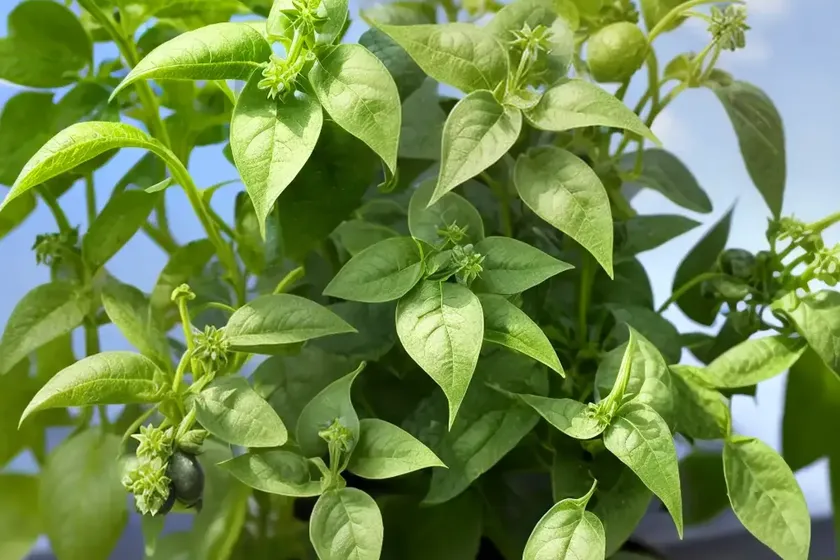
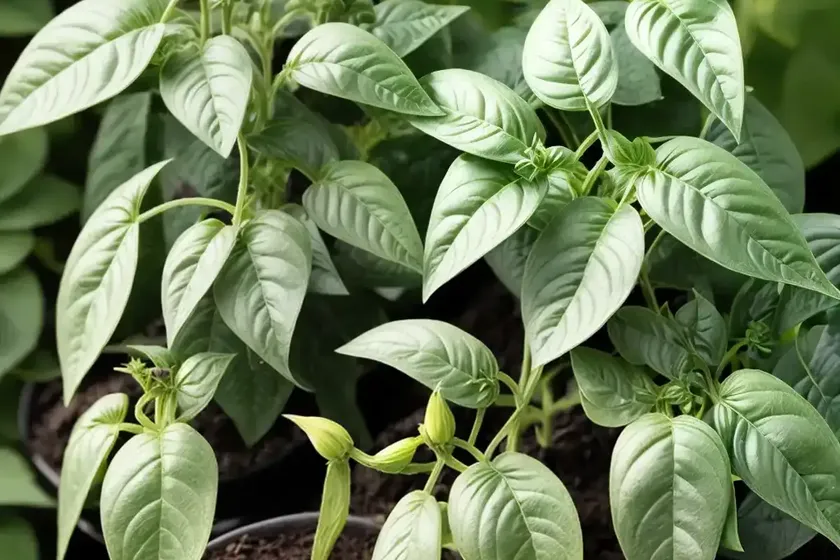
Black Nightshade is an herbaceous plant that can grow up to one meter in height. It is characterized by oval to diamond-shaped leaves with wavy margins and small, star-shaped white flowers, which later give way to round, dark berries. The berries start green and gradually turn black when fully ripe. Despite its name, the berries of Black Nightshade are not toxic when fully mature, but caution is advised, as unripe berries and other parts of the plant can be toxic if ingested.
This plant has a robust and adaptable nature, making it a resilient species in a variety of ecological settings. Its ability to thrive in diverse conditions has contributed to its widespread distribution across different regions of the globe.
Key Takeaways – Black Nightshade (Solanum Nigrum)
Before diving deeper into the world of Black Nightshade, let’s take a moment to highlight the key takeaways regarding this intriguing plant.
- Cultural Significance: Black Nightshade has been a part of traditional folklore and myths in various cultures, with a mix of beliefs about its properties.
- Culinary Uses: While caution is advised due to its potential toxicity, Black Nightshade has culinary applications in certain regions, including the preparation of jams and herbal teas.
- Medicinal Properties: Historically, Black Nightshade has been used in traditional medicine, with claims of potential health benefits and as a herbal remedy for certain ailments.
- Growing Requirements: Understanding the specific cultural requirements of Black Nightshade is essential for successful cultivation, whether in a garden or indoor setting.
Now, let’s explore each of these key takeaways in detail to gain a comprehensive understanding of Black Nightshade and its diverse attributes.
Culture
Folklore and Myths
Black Nightshade has woven itself into the fabric of folklore and myths in various cultures across the world. In some regions, it is associated with superstitions and cautionary beliefs due to its toxic potential, while in others, it holds symbolic significance and is believed to possess mystical properties. These cultural associations have contributed to the plant’s intriguing allure and have been passed down through generations, adding layers of mystique to its identity.
Traditional Uses
The traditional uses of Black Nightshade vary widely across different cultures and regions. In certain folk medicine practices, parts of the plant, such as the leaves or berries, have been used to prepare remedies for ailments ranging from skin conditions to respiratory issues. It is important to note, however, that the potential toxicity of certain parts of the plant requires careful consideration and expert knowledge when exploring traditional uses.
Ethnobotanical Significance
From a historical and ethnobotanical perspective, Black Nightshade holds substantial significance. Its presence in traditional medicine and cultural practices has shaped its role in human societies, contributing to its portrayal in myths, remedies, and cultural traditions. Exploring these aspects of Black Nightshade provides valuable insights into the intricate relationship between humans and the plant world.
Uses
Culinary Applications
While caution is advised due to its potential toxicity, Black Nightshade has found culinary uses in some regions. The ripe berries, when used in moderation and with proper preparation, have been utilized in the creation of jams, jellies, and desserts. Additionally, the leaves have been incorporated into herbal teas in certain traditional practices.
Medicinal Purposes
Black Nightshade has a historical association with traditional medicine, where it has been utilized in various formulations and remedies for a range of health concerns. Its purported medicinal properties, when used judiciously and with expert guidance, have sparked interest in exploring its potential health benefits.
Water
When it comes to Black Nightshade, watering is a critical aspect of its care and cultivation. Understanding the plant’s water requirements and implementing appropriate watering practices are essential for promoting healthy growth and optimal development. Consider the following guidelines for watering Black Nightshade:
- Moderate Moisture: Black Nightshade thrives in moderately moist soil, but it is important to avoid waterlogged conditions, which can lead to root rot and other issues.
- Even Moisture: Aim to maintain even moisture levels in the soil, especially during the plant’s active growth phases. Consistent watering can contribute to robust foliage and fruiting.
Sunlight
Proper sunlight exposure is crucial for the healthy growth and development of Black Nightshade. Ensuring that the plant receives adequate sunlight based on its specific requirements is key to promoting its overall well-being. Here are some tips for providing the right sunlight conditions for Black Nightshade:
- Full Sun: Black Nightshade thrives in full sunlight, so it is best grown in locations with direct sun exposure for a significant portion of the day.
- Partial Shade: While the plant prefers full sun, it can tolerate partial shade, especially in regions with intense heat or during the hottest part of the day.
Fertilizer
To support the growth and productivity of Black Nightshade, providing appropriate nutrition through fertilization is essential. By selecting the right fertilizers and adhering to a suitable fertilization schedule, you can optimize the plant’s nutrient uptake and promote vigorous growth. Consider the following guidelines for fertilizing Black Nightshade:
- Balanced Fertilizer: Apply a balanced, all-purpose fertilizer to provide essential nutrients such as nitrogen, phosphorus, and potassium to the plant.
- Frequency: Fertilize Black Nightshade at the start of the growing season and consider additional applications during the plant’s active growth phases to support its nutrient requirements.
Soil
Understanding the soil preferences and requirements of Black Nightshade is crucial for successful cultivation. By selecting the appropriate soil type and implementing soil management practices, you can create an optimal growing environment for the plant. Consider the following aspects of soil management for Black Nightshade:
- Well-Drained Soil: Black Nightshade thrives in well-drained, loamy soil that offers good aeration and water permeability.
- Soil pH: Aim for slightly acidic to neutral soil pH (around 6.0 to 7.0) for Black Nightshade to support nutrient availability and uptake.
Pruning
Pruning plays a vital role in shaping the growth of Black Nightshade and promoting its overall health and productivity. By employing proper pruning techniques and timing, you can encourage desirable growth patterns and manage the plant’s vigor. Consider the following tips for pruning Black Nightshade:
- Remove Diseased Growth: Regularly inspect the plant for any signs of disease or pest damage, and promptly remove affected parts to prevent the spread of issues.
- Shape and Size: Prune Black Nightshade to maintain a balanced shape and size, removing excess growth as needed to promote air circulation and light penetration.
Propagation
The propagation of Black Nightshade can be achieved through various methods, each offering unique advantages and considerations. Whether you opt for seed propagation, stem cuttings, or other techniques, understanding the principles of propagation is essential for successfully multiplying the plant. Consider the following approaches to propagate Black Nightshade:
- Seed Propagation: Sow Black Nightshade seeds in well-prepared soil, ensuring proper moisture and warmth to support germination and early growth.
- Stem Cuttings: Utilize healthy stem cuttings from mature Black Nightshade plants, and follow appropriate procedures for rooting and establishment.
Container Popularity
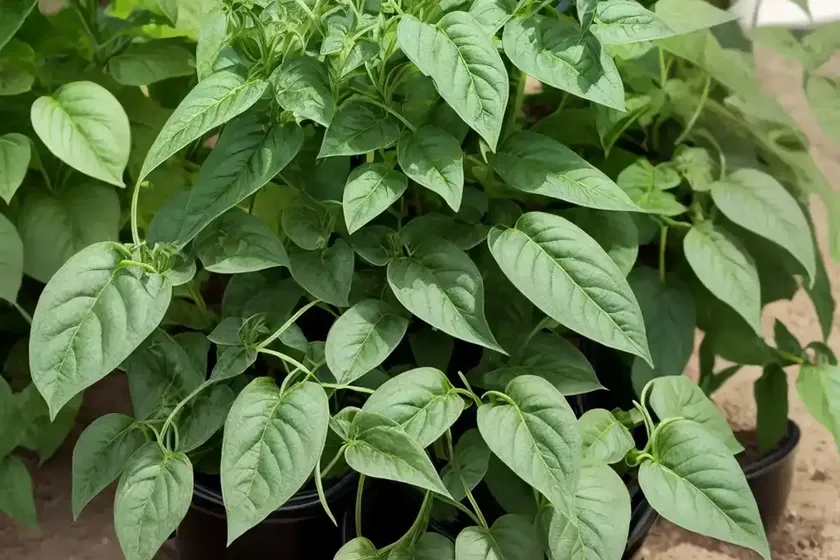
Black Nightshade is recognized for its potential to thrive in container gardening settings, making it a popular choice among enthusiasts with limited outdoor space. The adaptability of Black Nightshade to container cultivation presents an opportunity for urban gardeners and indoor plant enthusiasts to explore its unique features and growing requirements. With the right care and attention, Black Nightshade can flourish in containers, offering a compact yet rewarding gardening experience.
Common Diseases
Black Nightshade, like many plants, is susceptible to certain diseases that can affect its health and productivity. Understanding the common diseases that can afflict Black Nightshade and being able to identify their symptoms are crucial steps in implementing effective disease management strategies. Here are some common diseases that may impact Black Nightshade:
- Leaf Spot: Characterized by the presence of dark, irregular spots on the leaves, leaf spot can compromise the plant’s photosynthetic capacity.
- Powdery Mildew: A fungal disease that manifests as a powdery, white coating on the leaves and stems, powdery mildew can impede the plant’s growth.
Disease Diagnosis
Diagnosing diseases in Black Nightshade involves carefully observing the plant for any signs of abnormality or distress, as well as examining specific symptoms that may indicate the presence of a disease. By accurately identifying the nature of the issue, you can take targeted measures to address the disease and restore the plant’s health. Consider the following steps for disease diagnosis in Black Nightshade:
- Visual Inspection: Thoroughly inspect the plant for any visual abnormalities, such as lesions, discoloration, or unusual growth patterns.
- Symptom Identification: Take note of specific symptoms, such as wilting, leaf spot, or deformities, and compare them to common disease indicators to pinpoint the issue.
Common Pests
Black Nightshade may also face challenges from various pests that can compromise its vitality and yield. Understanding the common pests that can affect the plant and implementing proactive pest management strategies are crucial for preserving its health. Here are some common pests that may target Black Nightshade:
- Aphids: Small, sap-sucking insects that can congregate on the leaves and stems, aphids can weaken the plant and excrete a sticky substance known as honeydew.
- Spider Mites: These tiny pests can infest the undersides of leaves, causing stippling and discoloration as they feed on plant tissues.
Botanist’s Tips
As a plant scientist, I would like to offer some valuable insights and tips for cultivating Black Nightshade based on scientific principles and horticultural expertise. These pointers can help optimize the growth and care of Black Nightshade, allowing enthusiasts and gardeners to unlock the full potential of this intriguing plant.
- Caution with Toxicity: Exercise utmost caution when engaging with Black Nightshade due to the potential toxicity of certain plant parts, especially when exploring culinary or medicinal uses.
- Cultural Significance: Explore the rich cultural history and traditional uses of Black Nightshade to gain a deeper appreciation of its diverse roles in human societies.
- Expert Guidance: When in doubt about the culinary or medicinal uses of Black Nightshade, seek guidance from botanical experts, herbalists, or healthcare professionals to ensure safe practices.
Fun Facts
To add an element of delight to our exploration of Black Nightshade, let’s delve into some fun and intriguing facts about this remarkable plant:
- The berries of Black Nightshade contain numerous tiny seeds and are known for their rich, dark color when fully ripe.
- Black Nightshade is part of the Solanaceae family, which includes several other well-known plants such as tomatoes, potatoes, and bell peppers.
- In some cultures, Black Nightshade has been associated with mystical properties and beliefs, adding to its enigmatic allure.
Links to External Resources
To further enrich your understanding of Black Nightshade and explore additional insights, I recommend referring to the following external resources:
- Solanum Nigrum: A review of its traditional uses, phytochemistry, and pharmacology
- Culinary and Medicinal Uses of Black Nightshade
- Traditional Knowledge and Ethnobotanical Significance of Black Nightshade
In conclusion, the world of Black Nightshade (Solanum Nigrum) is adorned with a tapestry of cultural, culinary, and medicinal attributes, each contributing to its diverse tapestry of uses and significance. As we continue to appreciate and study the fascinating realm of plant science, Black Nightshade stands as a testament to the captivating nature of the plant kingdom, offering a treasure trove of knowledge and wonder for enthusiasts and researchers alike.


