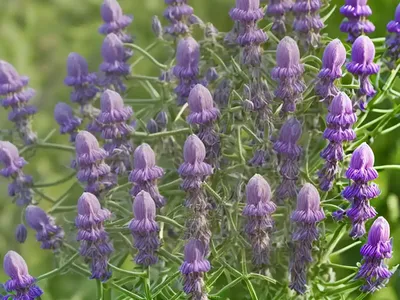
Black-Eyed Vetch (Vicia Melanops)
In this extensive guide, we will explore the fascinating world of the Black-Eyed Vetch (Vicia melanops). As a plant scientist, I’ll delve into the various.
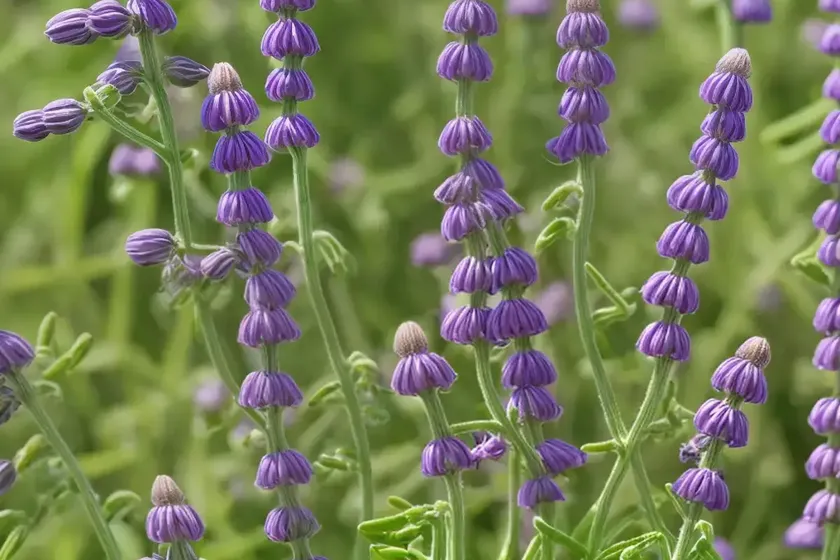
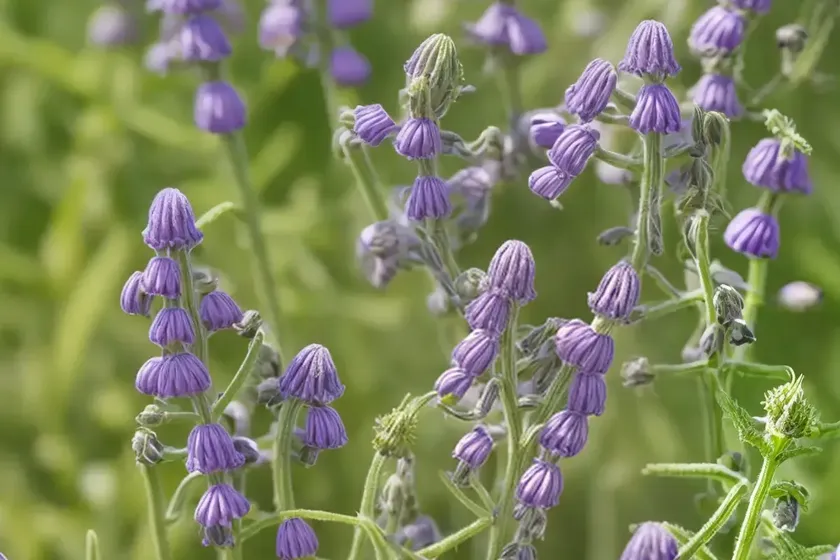
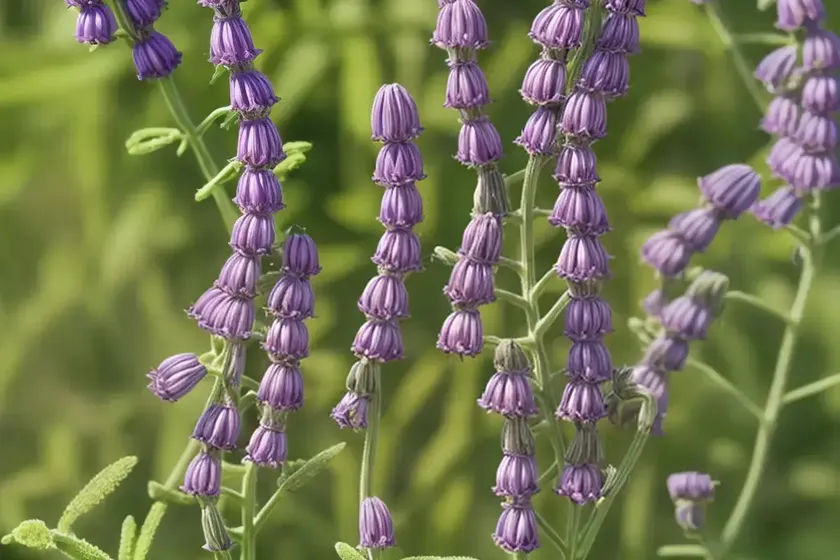
In this extensive guide, we will explore the fascinating world of the Black-Eyed Vetch (Vicia melanops). As a plant scientist, I’ll delve into the various aspects of this plant, including its culture, uses, care, propagation, diseases, pests, and much more. By the end of this guide, you will have a deep understanding of the Black-Eyed Vetch and how to cultivate and care for it effectively.
What is Black-Eyed Vetch (Vicia melanops)?
Black-Eyed Vetch, scientifically known as Vicia melanops, is a leguminous plant that belongs to the Fabaceae family. Native to the Mediterranean region, it is known for its attractive black and white flowers, making it a popular choice among gardeners and landscapers. This plant is a valuable member of the ecosystem, contributing to soil fertility through nitrogen fixation and providing food and habitat for various wildlife.
In the sections that follow, we will cover the key aspects of Black-Eyed Vetch, from its cultivation and care to its ecological significance and uses.
Key Takeaways – Black-Eyed Vetch (Vicia melanops)
Before diving into the details, let’s provide an overview of the key takeaways regarding Black-Eyed Vetch.
- Scientific Name: Vicia melanops
- Common Name: Black-Eyed Vetch
- Family: Fabaceae
- Native Habitat: Mediterranean region
- Flowering Season: Spring to early summer
- Growth Habit: Climbing or trailing
- Ecological Benefits: Nitrogen fixation, wildlife attractant
- Cultural Significance: Ornamental, forage crop
- Medicinal Properties: Herbal remedies
- Key Uses: Ground cover, erosion control, soil enrichment
Now, let’s explore each of these aspects in detail, providing insights into the culture, uses, care, and ecological significance of Black-Eyed Vetch.
Culture
Cultivating Black-Eyed Vetch requires an understanding of its specific cultural requirements, including water, sunlight, soil, and fertilizer needs.
Water
Black-Eyed Vetch is known for its relatively low water requirements once established. However, during the initial establishment phase, it benefits from regular watering to encourage root development and vigorous growth. Once the plant is established, it exhibits good drought tolerance, making it suitable for arid and semi-arid regions.
When watering Black-Eyed Vetch, it is essential to provide deep, infrequent irrigation to encourage deep root growth and reduce the risk of disease. Avoid overwatering, as excessively wet soil can lead to root rot and other moisture-related issues.
Sunlight
In terms of sunlight requirements, Black-Eyed Vetch thrives in full sun to partial shade conditions. It is adaptable to a range of light exposures, but it typically performs best in areas with ample sunlight. When grown in partial shade, it may exhibit slightly reduced flowering and growth rates compared to plants in full sun.
When selecting a location for planting Black-Eyed Vetch, prioritize areas with good sunlight exposure, especially if you aim to maximize flowering and overall plant vigor.
Fertilizer
Being a leguminous plant, Black-Eyed Vetch is capable of fixing atmospheric nitrogen through a symbiotic relationship with nitrogen-fixing bacteria in its root nodules. This ability allows the plant to thrive in nitrogen-deficient soils without the need for supplemental nitrogen fertilization.
While nitrogen fertilization is generally unnecessary for Black-Eyed Vetch, it may benefit from a balanced, slow-release fertilizer during the initial planting phase to support early growth and establishment. However, use fertilizers sparingly, as excessive nitrogen can inhibit nodulation and reduce the plant’s natural nitrogen-fixing abilities.
Soil
Black-Eyed Vetch thrives in well-drained, moderately fertile soils with a slightly acidic to neutral pH range (pH 6.0-7.0). It can tolerate a range of soil textures, including sandy, loamy, and clay soils, as long as they offer good drainage. Avoid waterlogged or compacted soils, as they can hinder root development and lead to plant stress.
When planting Black-Eyed Vetch, consider amending the soil with organic matter, such as compost, to improve its structure, fertility, and moisture retention capacity. This step can be particularly beneficial for soils with poor drainage or low organic content.
Pruning
Pruning is generally minimal for Black-Eyed Vetch, especially in naturalized or wild settings where it can grow freely. However, in cultivated gardens and landscapes, light pruning may be employed to manage the plant’s growth and shape, especially when it is used as a ground cover or ornamental vine.
Pruning of Black-Eyed Vetch can include the removal of dead or damaged growth, trimming back excessive sprawl, and guiding the plant’s growth along trellises or supports. Additionally, if the plant begins to spread excessively beyond desired boundaries, selective pruning can help maintain a more contained growth habit.
When pruning Black-Eyed Vetch, use clean, sharp pruning tools to make precise cuts, minimizing the risk of damage or disease transmission. It is advisable to perform pruning activities during the plant’s dormant or low-growth periods to minimize disruption to its flowering and growth.
Propagation
Black-Eyed Vetch can be propagated through various methods, including seed propagation, division, and cuttings. Each propagation method offers unique benefits and considerations for ensuring successful establishment and growth.
Seed Propagation
Seeds serve as a primary means of propagation for Black-Eyed Vetch. The seeds are relatively easy to collect and store, allowing for efficient propagation of the plant across different locations and growing conditions. When collecting seeds from mature plants, wait until the seed pods have dried and begun to split, indicating the readiness for seed collection.
To propagate Black-Eyed Vetch from seeds, follow these steps:
1. Seed Preparation: Scarify the seeds by lightly nicking or scratching their hard outer coating using sandpaper or a file. This scarification aids in breaking seed dormancy and promoting germination.
2. Sowing: Plant the scarified seeds in prepared soil, ensuring good seed-to-soil contact and light coverage with a thin layer of soil. Water the seeds gently to settle them into the soil.
3. Germination: Keep the soil consistently moist but not waterlogged to encourage seed germination. Germination typically occurs within 7-14 days under favorable conditions.
4. Transplanting: Once the seedlings have developed several sets of true leaves and sturdy root systems, they can be transplanted into their permanent growing positions.
Container Popularity
Black-Eyed Vetch is well-suited for container cultivation, offering a versatile and attractive option for balconies, patios, and garden spaces with limited ground area. When grown in containers, the plant’s sprawling or climbing habit makes it a suitable choice for vertical gardening or cascading displays.
When selecting containers for Black-Eyed Vetch, prioritize those with ample drainage holes to prevent waterlogging and ensure adequate aeration for the roots. Additionally, consider providing supports or trellises for the plant to climb and sprawl, enhancing its aesthetic appeal and growth potential.
The use of lightweight, well-draining potting mixes is recommended for container cultivation, as they provide the necessary support and moisture management for healthy plant growth. Monitor the soil moisture regularly, especially during hot and dry periods, to prevent dehydration of container-grown Black-Eyed Vetch.
Common Diseases
While Black-Eyed Vetch is generally robust and disease-resistant, it can be susceptible to certain diseases under specific environmental conditions or cultural practices. Understanding the common diseases affecting the plant is crucial for implementing preventive measures and timely interventions if necessary.
Disease Diagnosis
Some of the common diseases that may affect Black-Eyed Vetch include:
– Root Rot: Waterlogging or poorly drained soils can lead to root rot, causing wilting, yellowing, and overall decline in plant health. To prevent root rot, ensure well-drained soil and avoid overwatering.
– Powdery Mildew: In humid and poorly ventilated conditions, Black-Eyed Vetch may be prone to powdery mildew, characterized by a white powdery growth on the leaves. Improving air circulation and practicing selective pruning can help manage this disease.
When diagnosing diseases on Black-Eyed Vetch, carefully observe the symptoms, including leaf discoloration, wilting, deformities, and abnormal growth patterns. If you suspect a disease issue, seek guidance from local plant disease specialists or university extension services for accurate diagnosis and treatment recommendations.
Common Pests
In addition to diseases, Black-Eyed Vetch may encounter various pests that can affect its growth and overall vitality. Being aware of common pests and their management strategies is essential for preserving the health and aesthetics of the plant in cultivated and naturalized settings.
Pest Identification and Management
Some of the common pests that may affect Black-Eyed Vetch include:
– Aphids: These tiny, sap-sucking insects can congregate on the plant’s tender growth, causing distortion and yellowing of leaves. Use insecticidal soaps or horticultural oils to manage aphid infestations while minimizing harm to beneficial insects.
– Leafhoppers: These small, agile insects may feed on Black-Eyed Vetch, causing stippling, yellowing, and reduced vigor. Physical removal of leafhoppers and the use of insecticidal sprays targeting their nymphs can help control their populations.
Integrated pest management (IPM) practices, including regular monitoring, natural predator encouragement, and judicious use of targeted pesticides, can effectively manage pest issues while minimizing environmental impact.
Botanist’s Tips
To enhance your success in cultivating and caring for Black-Eyed Vetch, consider the following botanist’s tips:
- Encourage Biodiversity: Integrate Black-Eyed Vetch into mixed plantings to promote biodiversity and create supportive habitats for beneficial insects, birds, and other wildlife.
- Mulch Application: Apply a layer of organic mulch around Black-Eyed Vetch to conserve soil moisture, suppress weeds, and protect the root zone during extreme temperatures.
- Monitor Soil pH: Regularly test the soil pH to ensure it remains within the optimal range for Black-Eyed Vetch, making adjustments as needed to maintain suitable growing conditions.
These tips, supported by a deeper understanding of the plant’s ecological roles and cultivation requirements, can empower gardeners and land managers to foster thriving populations of Black-Eyed Vetch in diverse environments.
Fun Facts
As we conclude our exploration of Black-Eyed Vetch, let’s unravel some fascinating fun facts about this extraordinary plant:
– The black and white flowers of Black-Eyed Vetch serve as a valuable nectar source for bees, butterflies, and other pollinators, contributing to the overall biodiversity of natural landscapes.
– In traditional herbal medicine, Black-Eyed Vetch has been used for its alleged diuretic and detoxifying properties, although its medicinal applications are not widely documented in modern pharmacopeias.
– Black-Eyed Vetch’s ability to fix atmospheric nitrogen through its root nodules aids in the improvement of soil fertility, making it a valuable component of sustainable agricultural and restoration practices.
These fun facts underscore the plant’s significance from both ecological and cultural perspectives, showcasing its multifaceted contributions to the natural world.
Links to External Resources
For further exploration of Black-Eyed Vetch and related topics, I recommend consulting the following external resources:
– Royal Horticultural Society – Vicia melanops
– USDA Plants Database – Vicia melanops
– Permaculture Research Institute – Black-Eyed Vetch Benefits
– Wildflower Search – Black-Eyed Vetch Cultivation
– National Institutes of Health – Medicinal Properties of Vicia melanops
These resources serve as valuable references for deepening your knowledge of Black-Eyed Vetch, its cultivation, uses, ecological roles, and associated research findings.
In conclusion, Black-Eyed Vetch (Vicia melanops) stands as a charismatic and ecologically significant plant with diverse cultural, ecological, and horticultural attributes. By embracing its unique characteristics and leveraging best practices in cultivation and management, plant enthusiasts and conservation practitioners can foster the continued presence and vitality of Black-Eyed Vetch in various landscapes, contributing to the resilience and biodiversity of our natural world.