Black Elder (Sambucus Nigra ‘Gerda’ BLACK BEAUTY)
The Black Elder, scientifically known as Sambucus nigra ‘Gerda’ Black Beauty, is a stunning and versatile plant that has been gaining popularity in gardens.
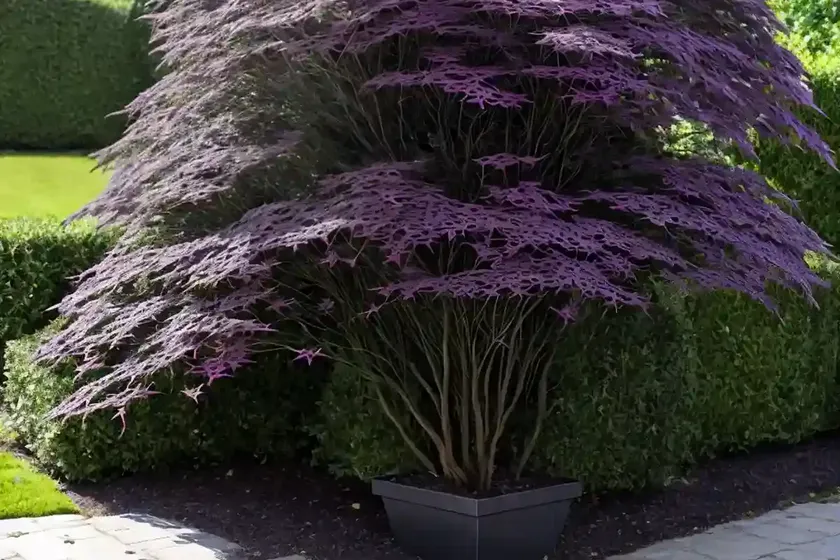
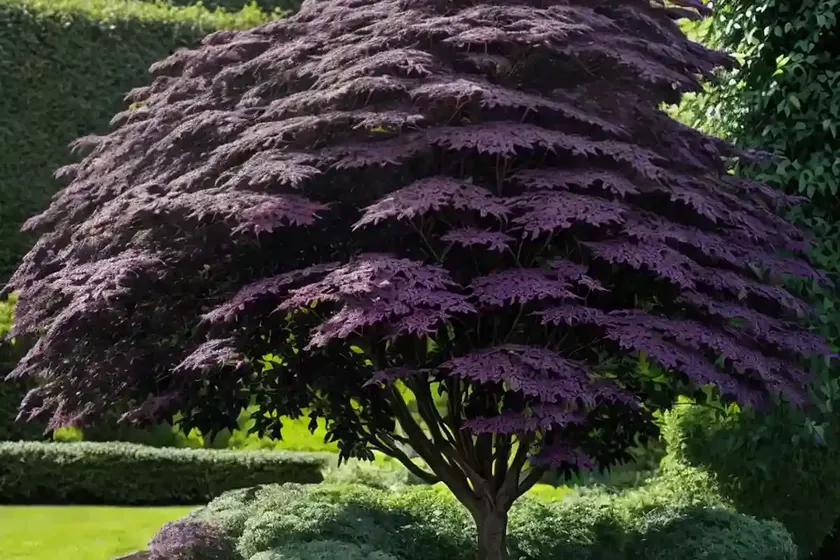
The Black Elder, scientifically known as Sambucus nigra ‘Gerda’ Black Beauty, is a stunning and versatile plant that has been gaining popularity in gardens and landscapes all around the world. With its attractive dark purple foliage and delicate blooms, this plant has not only aesthetic appeal but also a wide range of uses and benefits. In this comprehensive guide, we will delve into the culture, uses, care requirements, propagation methods, and common issues associated with the Black Elder.
What is the Black Elder (Sambucus nigra ‘Gerda’ Black Beauty)?
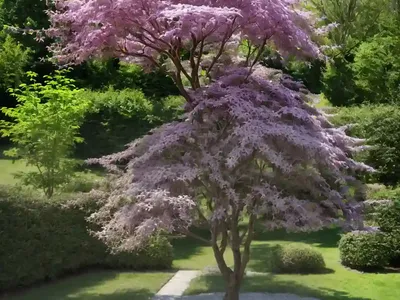
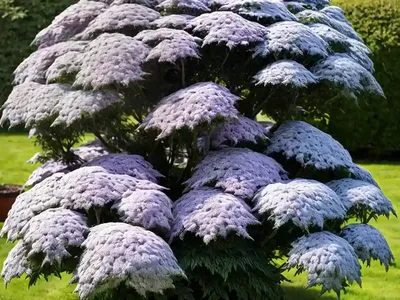
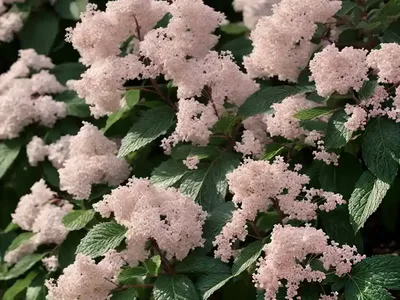
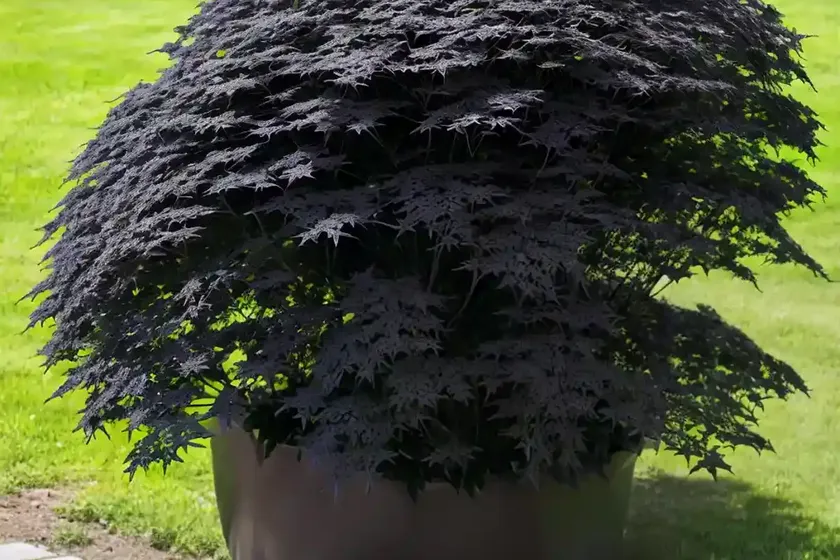
The Black Elder (Sambucus nigra) is a deciduous shrub that belongs to the Adoxaceae family. It is native to Europe, North Africa, and Western Asia, and is widely cultivated for ornamental, culinary, and medicinal purposes. The ‘Gerda’ Black Beauty variety is particularly notable for its striking dark purple to black foliage and beautiful pink flowers. This cultivar is a more compact and upright form compared to the species, making it an excellent choice for smaller gardens and landscapes.
Key Takeaways – Black Elder (Sambucus nigra ‘Gerda’ Black Beauty)
Before we dive into the specifics of the Black Elder, let’s take a moment to summarize the key takeaways:
- Scientific Name: Sambucus nigra ‘Gerda’ Black Beauty
- Common Names: Elderberry plant, Black Beauty elderberry, Black Elderberry plant
- Botanical Classification: Sambucus nigra variety Gerda, Elderberry shrub, Sambucus nigra ‘Gerda’ cultivar
- Features: Dark purple foliage, pink flowers, compact growth habit
- Uses: Ornamental, culinary, medicinal
- Care: Well-drained soil, full sun to partial shade, regular watering, occasional pruning
- Common Issues: Pests, diseases
Now, let’s explore each aspect of the Black Elder in more detail.
Culture
Uses
The Black Elder has a diverse range of uses, making it a highly versatile addition to any garden or landscape. Some of the primary uses of this plant include:
- Ornamental:
-
The dark foliage and contrasting pink flowers make the Black Elder a striking ornamental plant. It can be used as a focal point in garden beds, borders, or containers, and also works well when planted en masse to create a dramatic visual impact.
-
Culinary:
-
The berries of the Black Elder are used in the culinary world to make jams, jellies, syrups, and even wine. The flowers are also edible and can be used to make flavorful beverages and desserts.
-
Medicinal:
- Elderberries are known for their potential health benefits, particularly for supporting the immune system and fighting colds and flu. They are rich in vitamins and antioxidants, making them a valuable addition to herbal remedies and dietary supplements.
Water
The Black Elder, like many shrubs, requires adequate moisture to thrive. While it can tolerate periods of drought once established, consistent watering is essential, especially during hot and dry periods. It is important to ensure that the soil is well-drained to prevent waterlogging, which can lead to root rot and other issues.
Sunlight
In terms of sunlight requirements, the Black Elder thrives in full sun to partial shade. In regions with hot summers, some afternoon shade can help protect the plant from scorching and excessive heat stress. When planted in partial shade, the foliage may exhibit a deeper purple hue, enhancing its ornamental appeal.
Fertilizer
When it comes to fertilizing the Black Elder, a balanced, slow-release fertilizer formulated for shrubs and ornamental plants can provide the necessary nutrients for healthy growth. Applying the fertilizer in early spring, just before the onset of new growth, can support the plant’s vitality throughout the growing season. It is important not to over-fertilize, as excessive nutrients can lead to lush foliage at the expense of flowering and fruiting.
Soil
The Black Elder thrives in well-drained, moderately fertile soil. A neutral to slightly acidic soil pH is ideal for this plant. Heavy clay soils should be amended with organic matter such as compost or well-rotted manure to improve drainage and aeration. While the plant can tolerate a range of soil types, consistently waterlogged and soggy conditions should be avoided to prevent root damage.
Pruning
Regular pruning is beneficial for maintaining the shape, health, and productivity of the Black Elder. Pruning can be done in late winter to early spring when the plant is dormant. Some key objectives of pruning the Black Elder include:
- Removing Dead or Diseased Wood:
-
Pruning allows for the removal of any dead, damaged, or diseased branches, promoting overall plant health and vigor.
-
Thinning Out Overcrowded Growth:
-
By selectively removing older branches and thinning out dense growth, pruning can improve air circulation and sunlight penetration throughout the plant, reducing the risk of fungal diseases and improving fruit production in the case of fruit-bearing varieties.
-
Shaping and Controlling Size:
- For ornamental purposes, pruning can help shape the Black Elder and prevent it from becoming unruly. Regular pruning can also encourage a more compact growth habit, particularly in the case of the ‘Gerda’ Black Beauty variety.
Propagation
The Black Elder can be propagated through several methods, including:
Seed Propagation
Growing Black Elder plants from seed is possible but may not produce true-to-type plants, especially for cultivars such as ‘Gerda’ Black Beauty. Additionally, elderberry seeds may have a hard seed coat that requires scarification or stratification to improve germination rates. While growing plants from seed can be an interesting and rewarding experience, it may not be the most reliable method for propagating specific cultivars.
Stem Cuttings
Stem cuttings are a commonly used method for propagating the Black Elder. Semi-hardwood cuttings taken in late spring to early summer can yield successful results. The cuttings, typically 4-6 inches in length, should be treated with a rooting hormone and placed in a well-draining potting mix. With proper care and environmental conditions, the cuttings can develop roots and grow into new plants.
Division
Dividing mature Black Elder plants is another propagation method. This technique involves lifting and dividing the root ball into sections, each containing viable roots and shoots. These divisions can then be replanted to establish new plants. Division is best carried out in early spring before new growth begins, allowing the divided sections to establish themselves before the onset of summer.
Container Popularity
The compact and upright growth habit of the Black Elder, particularly the ‘Gerda’ Black Beauty variety, makes it well-suited for container cultivation. Growing Black Elder in containers offers several advantages, including:
- Space-Saving:
-
For gardeners with limited space, growing the Black Elder in containers allows for the inclusion of this striking plant in smaller gardens, patios, and balconies.
-
Portability:
-
Container-grown Black Elder plants can be moved to different locations based on sunlight and temperature requirements, offering greater flexibility in terms of placement and care.
-
Aesthetic Appeal:
- The dark foliage and delicate flowers of the Black Elder can create a captivating display when grown in containers, serving as a focal point or accent piece in outdoor spaces.
Container Care
When growing Black Elder in containers, it is essential to provide adequate care to ensure the plant’s health and vitality. Some key considerations for container cultivation include:
Container Size
Choosing an appropriately sized container is crucial for the well-being of the Black Elder. The container should provide ample space for the plant’s root system to grow and develop. It is recommended to select a container with drainage holes to prevent waterlogging, which can be detrimental to the plant.
Soil Mix
A well-draining potting mix formulated for shrubs and ornamental plants is well-suited for growing Black Elder in containers. The mix should provide good aeration and moisture retention while preventing compaction over time. Adding a layer of mulch on the soil surface can help retain moisture and regulate soil temperature.
Watering
Container-grown plants often require more frequent watering compared to those grown in the ground, as containers can dry out more quickly. It is important to monitor the moisture levels in the soil and water the plant as needed, ensuring that the excess water can freely drain from the container.
Sunlight
Place the container in a location that receives full sun to partial shade, based on the plant’s sunlight preferences. In hot climates, providing some afternoon shade can help protect the plant from extreme heat.
Common Diseases
Like all plants, the Black Elder is susceptible to certain diseases, although it is generally considered to have good resistance to many common garden ailments. Some notable diseases that can affect the Black Elder include:
- Powdery Mildew:
-
This fungal disease can appear as a white powdery coating on the leaves, stems, and flowers of the plant. It thrives in warm, dry conditions and can be mitigated through proper spacing, good air circulation, and, if necessary, fungal treatments.
-
Leaf Spot:
-
Leaf spot diseases can cause dark, circular lesions on the foliage of the plant, potentially leading to defoliation and reduced vigor. Maintaining good plant hygiene and promptly removing and disposing of affected leaves can help manage leaf spot diseases.
-
Root Rot:
- Overly wet and poorly drained soil can lead to root rot, a condition caused by fungal pathogens that attack the plant’s roots. Ensuring proper soil drainage and avoiding overwatering can prevent this potentially fatal disease.
Disease Diagnosis
Diagnosing plant diseases can be challenging, as several ailments may exhibit similar symptoms. When dealing with potential diseases affecting the Black Elder, it can be helpful to consider the following factors:
- Symptom Observation:
-
Careful observation of the symptoms, such as discoloration, wilting, or unusual growth patterns, can provide valuable clues for identifying the underlying issue.
-
Environmental Conditions:
-
Consider the prevailing environmental conditions, including temperature, humidity, and soil moisture, as these can influence the likelihood of specific diseases.
-
Pathogen Identification:
- If possible, consult with a plant pathologist or local extension service to identify the specific pathogen responsible for the observed symptoms. This can guide targeted treatment and management strategies.
Common Pests
Pests can also pose challenges to the health and vitality of the Black Elder. While the plant is generally resilient, some common pests to watch out for include:
- Aphids:
-
These small, sap-sucking insects can infest the foliage and stems of the Black Elder, leading to stunted growth and distortion of new growth. Insecticidal soaps or horticultural oils can be effective for controlling aphid infestations.
-
Scale Insects:
-
Scale insects can appear as small, waxy bumps on the stems and leaves of the plant. They can cause weakening and yellowing of the plant over time. In cases of severe infestation, targeted insecticide treatments may be necessary.
-
Japanese Beetles:
- These voracious feeders can skeletonize leaves and cause significant damage to the foliage of the Black Elder. Physical removal of beetles, as well as the use of traps and barriers, can help manage Japanese beetle populations.
Botanist’s Tips
- Promote Biodiversity:
-
Incorporating the Black Elder into garden designs can contribute to biodiversity by attracting pollinators, beneficial insects, and birds. The plant’s flowers and berries provide a valuable food source for wildlife, enriching the ecological balance of the landscape.
-
Companion Planting:
-
When selecting companion plants for the Black Elder, consider species that complement its growth habit and provide mutually beneficial support. For example, pairing it with pollinator-attracting plants can enhance overall garden productivity and resilience.
-
Seasonal Interest:
- The Black Elder offers seasonal interest throughout the year, from the emergence of its dark foliage in spring to the display of its delicate flowers in summer and the formation of berries in late summer to early fall. Utilize its ornamental features to create engaging seasonal landscapes.
Fun Facts
To conclude our exploration of the Black Elder, here are a few fascinating facts about this remarkable plant:
-
The Black Elder has a rich history of folklore and traditional uses, with various cultures attributing symbolic and medicinal significance to the plant and its berries.
-
The elderberry has been used for centuries in herbal medicine, and elderflower-based beverages and tinctures are popular in many parts of the world.
-
The Black Elder is known for its ability to attract pollinators, including bees and butterflies, making it a valuable addition to pollinator-friendly gardens.
-
The berries of the Black Elder are used in the production of elderberry wine, a beverage with a rich, fruity flavor that has been enjoyed for generations.
Links to External Resources
For further information on the Black Elder, including cultivation tips, recipes, and research articles, consider exploring the following resources:
- Royal Horticultural Society – Sambucus nigra ‘Gerda’
- University of Maryland Medical Center – Elderberry
- The Spruce – Growing Elderberries
With its striking appearance, diverse uses, and rich cultural history, the Black Elder stands as a captivating and valuable addition to gardens and landscapes. Whether admired for its ornamental beauty, culinary potential, or medicinal properties, this plant continues to enthrall and inspire plant enthusiasts around the world. By understanding its culture, care requirements, and role in the ecosystem, we can appreciate the Black Elder as a plant that offers both aesthetic pleasure and practical benefits.
As we cultivate and celebrate the Black Elder in our own spaces, we contribute to the preservation and appreciation of this remarkable plant and its enduring legacy.
So, whether you’re seeking a striking focal point for your garden or hoping to harness the culinary and medicinal potential of the Black Elder, its unique qualities and diverse uses make it a plant worth knowing and growing. Happy gardening!