Black Cherry (Prunus Serotina)
Black cherry, scientifically known as Prunus serotina, is a species native to North America, belonging to the rose family, Rosaceae. This tree is known for.
Black cherry, scientifically known as Prunus serotina, is a species native to North America, belonging to the rose family, Rosaceae. This tree is known for its aesthetic beauty, versatile uses, and ecological significance. As a plant scientist, it is fascinating to delve deep into the various aspects of the black cherry tree, from its biology and habitat to its cultural uses and conservation efforts. In this comprehensive guide, we will explore the key characteristics, culturing requirements, common diseases, and fascinating facts about the black cherry tree. Furthermore, we will discuss its ecosystem value, nutritional benefits, and woodworking applications.
What is the Black Cherry (Prunus serotina)?
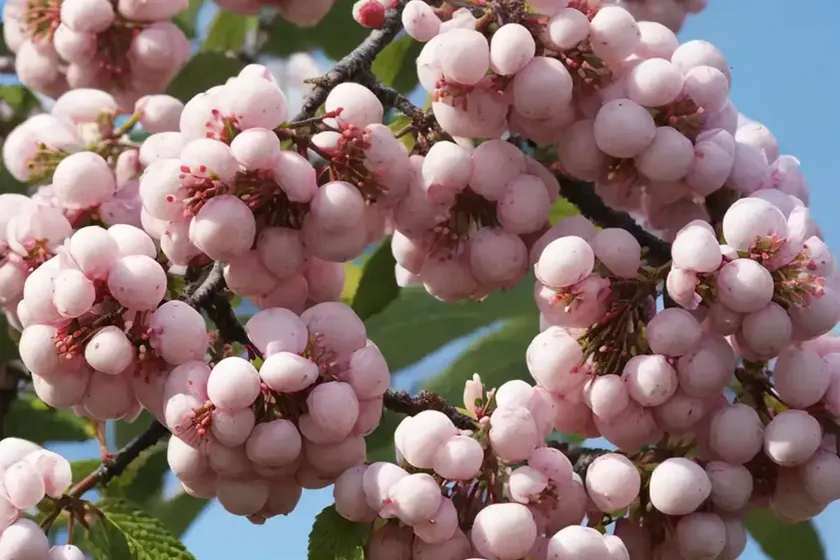
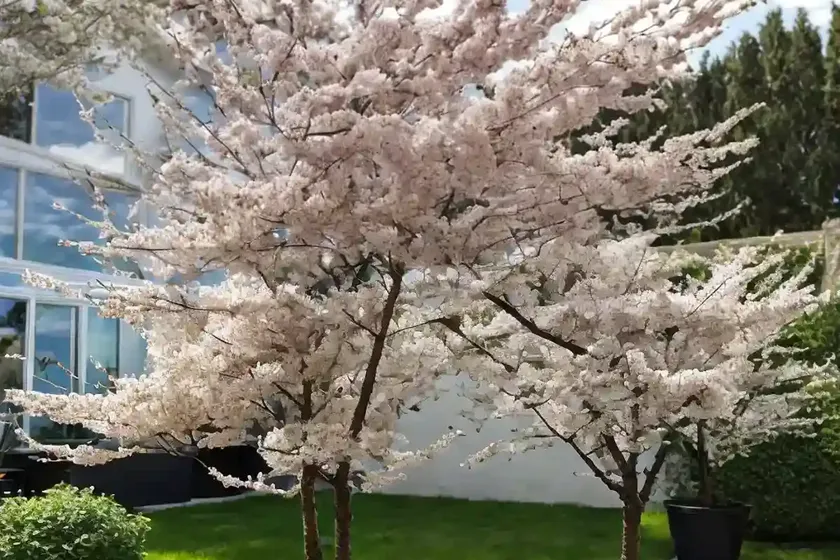
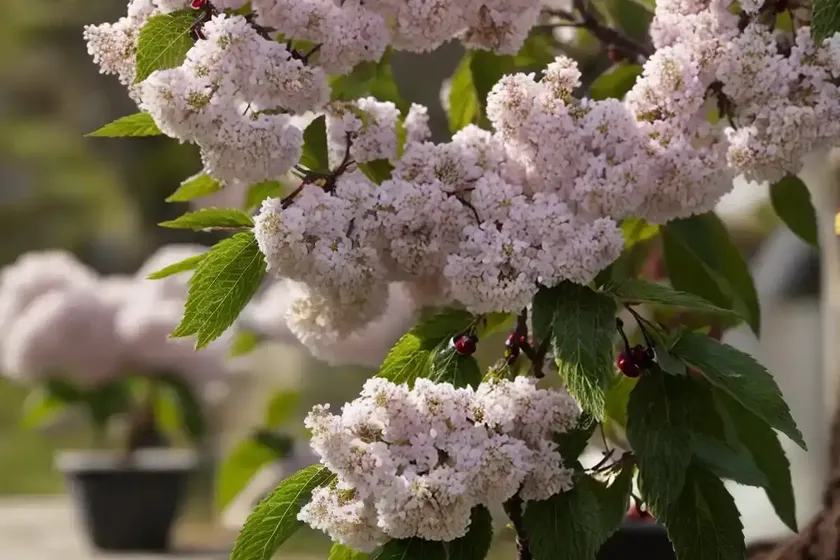
The black cherry is a deciduous tree renowned for its dark, lustrous bark and elongated clusters of fragrant white flowers. The tree produces small, dark fruits that are a favorite among wildlife and are also utilized in various human applications, such as culinary and medicinal uses. These trees can grow to be quite immense, reaching heights of up to 80 feet or more with a broad, spreading crown.
Key Takeaways – Black Cherry (Prunus serotina)
Before delving deeper into the aspects of culturing, uses, diseases, and pests, let’s first explore some key takeaways about the black cherry tree:
- Scientific Name: Prunus serotina
- Common Name: Black Cherry
- Family: Rosaceae
- Native Habitat: North America
- Fruit: Small, dark cherries
- Uses: Ecological, cultural, culinary, medicinal, woodworking
- Characteristics: Dark, lustrous bark; fragrant white flowers; broad, spreading crown
Now that we have an overview of the black cherry tree, let’s dive into the nuances of culturing and growing this magnificent species.
Culturing the Black Cherry (Prunus serotina)
Culturing the black cherry tree requires an understanding of its specific needs in terms of water, sunlight, fertilizer, soil, and pruning. It is important to consider these factors to ensure the healthy growth and development of the tree.
Water
Black cherry trees are moderately tolerant of drought conditions, making them suitable for various landscapes. However, adequate watering, particularly during dry spells, is essential for promoting robust growth and fruit production. A deep watering session once a week should be sufficient for established trees, while newly planted saplings may require more frequent watering.
Sunlight
This species thrives in full sun to partial shade. While they can tolerate partial shade, black cherry trees typically exhibit better growth and flowering when exposed to ample sunlight. When selecting a site for planting, it is advisable to choose a location that receives at least 6-8 hours of direct sunlight daily.
Fertilizer
Black cherry trees generally do not require frequent fertilization when grown in their native habitats. However, if the soil is deficient in nutrients, applying a balanced, slow-release fertilizer in early spring can promote healthier growth. It is important to avoid over-fertilization, as this can lead to excessive vegetative growth at the expense of fruit development.
Soil
These trees thrive in moist, well-drained soils with a slightly acidic to neutral pH. Loamy soils rich in organic matter are particularly favorable for black cherry trees. Prior to planting, it is beneficial to amend the soil with organic compost and ensure proper drainage to avoid waterlogging.
Pruning
Pruning black cherry trees is essential for shaping their growth, removing dead or diseased branches, and promoting overall tree health. The ideal time for pruning is during the dormant season in late winter to early spring. It is important to use sharp, clean pruning tools and to avoid over-pruning, as this can stress the tree and impede its natural growth pattern.
Propagation of Black Cherry (Prunus serotina)
Black cherry trees can be propagated through both seeds and vegetative methods. However, it is important to note that seed propagation may result in genetic variability, while vegetative propagation methods such as cuttings and grafting can preserve the characteristics of the parent tree. Here are some common propagation methods for black cherry trees:
- Seed Propagation: Collect ripe fruits in late summer, remove the pulp, and extract the seeds. Stratify the seeds in a moist, cool environment for 90-120 days before sowing in well-drained soil.
- Cuttings: Take semi-hardwood cuttings in late summer or early fall and treat them with a rooting hormone before planting in a suitable growing medium.
- Grafting: Utilize budding or grafting techniques to propagate specific cultivars or preserve desired traits from known parent trees.
Growing Black Cherry (Prunus serotina) in Containers
While black cherry trees are typically grown in open landscapes, they can also be cultivated in containers under the right conditions. Container-grown black cherry trees offer the flexibility of mobility and are suitable for urban environments or limited garden spaces. When cultivating black cherry trees in containers, consider the following aspects:
- Container Size: Select a large container with adequate drainage holes to accommodate the tree’s root system while allowing for sufficient root aeration.
- Soil: Use a well-draining potting mix with added organic matter to provide optimal growing conditions for the tree.
- Watering: Ensure adequate watering to prevent the soil from drying out, particularly during hot and dry periods.
- Sunlight: Place the container in a location that receives ample sunlight, as black cherry trees thrive in full sun to partial shade.
Popularity and Uses of Black Cherry (Prunus serotina)
The black cherry tree holds significant cultural, ecological, and economic value, contributing to its widespread popularity and diverse uses. Let’s explore some of the key applications and benefits of the black cherry tree.
Cultural Uses
In addition to its ecological significance, the black cherry tree has been woven into the cultural tapestry of various indigenous communities and modern societies. From its revered status as a wildlife habitat to its traditional uses in crafts and ceremonies, the black cherry tree holds cultural significance across diverse landscapes.
Black Cherry Timber and Woodworking
The wood of the black cherry tree, often referred to as “cherry wood,” is highly valued for its rich color, fine grain, and workability. It is extensively used in the production of high-quality furniture, cabinetry, musical instruments, and decorative woodcraft. The reddish-brown hues of cherry wood, which can deepen with age and exposure, add elegance and warmth to various woodworking applications.
Culinary and Medicinal Uses
The fruits of the black cherry tree, while small, are cherished by wildlife and often used in culinary preparations such as jams, jellies, and pies. Additionally, various traditional remedies and medicinal formulations incorporate different parts of the black cherry tree, including the bark, leaves, and cherries, due to their reputed health benefits.
Conservation and Wildlife Habitat
The black cherry tree plays a vital ecological role as a key component of forested ecosystems, providing food and habitat for numerous wildlife species. Birds, mammals, and insects rely on the fruits, foliage, and shelter offered by black cherry trees, highlighting the tree’s importance in maintaining biodiversity and supporting wildlife populations.
Common Diseases of Black Cherry (Prunus serotina)
As with any plant species, black cherry trees are susceptible to certain diseases that can impact their growth and vitality. Understanding common diseases and their diagnosis is crucial for effective management and disease prevention.
Disease Diagnosis
Black Knot (Apiosporina morbosa)
Black knot is a fungal disease that affects various Prunus species, including black cherry trees. It is characterized by the formation of rough, black swellings or galls on twigs and branches, which can lead to dieback and reduced fruit production. Proper sanitation and timely pruning are essential for managing black knot and preventing its spread.
Powdery Mildew (Podosphaera clandestina)
Powdery mildew is a common fungal disease that can affect the leaves, shoots, and flowers of black cherry trees. Infected plant parts exhibit a powdery white coating, and severe infections can lead to distorted growth and reduced vigor. Cultural practices such as promoting good air circulation and employing resistant cultivars can help manage powdery mildew.
Leaf Spot Diseases
Several fungal pathogens can cause leaf spot diseases on black cherry trees, resulting in the formation of dark lesions or spots on the foliage. Proper sanitation, avoiding overhead irrigation, and applying fungicidal sprays can aid in managing leaf spot diseases and preserving overall tree health.
Common Pests Affecting Black Cherry (Prunus serotina)
In addition to diseases, black cherry trees are susceptible to various pests that can pose challenges to their cultivation and health. Identifying common pests and implementing appropriate pest management strategies is essential for maintaining the vigor of black cherry trees.
Tent Caterpillars (Malacosoma spp.)
Tent caterpillars are prolific pests that can defoliate black cherry trees when present in large numbers. They construct silken tents in the branches and feed voraciously on the foliage, potentially causing extensive damage. Manual removal of tents and biological control agents, such as natural predators and parasitoids, can help manage tent caterpillar populations.
Borers (Chrysobothris spp.)
Wood-boring beetles, commonly known as borers, can inflict damage to the trunks and branches of black cherry trees by tunneling into the wood. Larval feeding can disrupt the tree’s vascular system and weaken its structural integrity. Preventive measures such as promoting tree vigor and employing trunk protectors can aid in reducing borer infestations.
Scale Insects (Hemiptera spp.)
Scale insects, including armored scales and soft scales, can infest black cherry trees, feeding on the sap and weakening the tree over time. Pruning out heavily infested branches and applying horticultural oils during the dormant season can help manage scale insect populations and minimize their impact on tree health.
Botanist’s Tips for Growing Black Cherry (Prunus serotina)
As a plant scientist, it is important to disseminate practical tips for cultivating and caring for black cherry trees. Here are some valuable tips for growing and maintaining healthy black cherry trees:
- Selecting Cultivars: When choosing black cherry trees for cultivation, consider specific cultivars that are well-suited to your climate and growing conditions.
- Sustainable Practices: Implement sustainable gardening practices, such as mulching, composting, and integrated pest management, to support the long-term health of black cherry trees.
- Monitoring and Observation: Regularly monitor the trees for signs of diseases, pests, and nutrient deficiencies, and take prompt action to address any issues that arise.
- Educational Outreach: Engage in educational outreach and community initiatives to raise awareness about the ecological importance and cultural significance of black cherry trees.
Fun Facts about Black Cherry (Prunus serotina)
To further appreciate the allure and allure of the black cherry tree, here are some fascinating fun facts about this remarkable species:
- Black cherry trees are known for their distinctive aromatic flowers, which attract pollinators such as bees, butterflies, and hummingbirds.
- In addition to its ornamental beauty, the black cherry tree is recognized for its timber properties, with cherry wood being highly prized for its lustrous appearance and exceptional workability.
- Black cherry trees often exhibit allelopathic properties, releasing chemical compounds that can inhibit the growth of certain competing plant species around their root zone.
Links to External Resources
For further exploration of the black cherry tree, its uses, and its ecological significance, consider referring to the following external resources:
- USDA Forest Service – Black Cherry
- Lady Bird Johnson Wildflower Center – Prunus serotina
- Wood Database – Black Cherry
- Penn State Extension – Black Cherry Tree Diseases
- The Morton Arboretum – Plant Finder: Prunus serotina
Conclusion
In conclusion, the black cherry (Prunus serotina) stands as a prominent and versatile tree species, esteemed for its aesthetic appeal, ecological significance, and cultural uses. Its dark, lustrous bark, fragrant flowers, and valuable timber properties contribute to its allure, while its ecological role as a wildlife habitat and its culinary and medicinal uses further highlight its diverse attributes. As plant scientists and enthusiasts, it is essential to promote the conservation and sustainable cultivation of the black cherry tree, recognizing its value in both natural and human environments.
With a deeper understanding of the black cherry tree’s culturing requirements, uses, common diseases, and ecological significance, we can appreciate the multifaceted nature of this remarkable species. Whether in the wild forests of North America or in cultivated landscapes, the black cherry tree continues to captivate and inspire admiration for its enduring beauty and ecological contributions.
Image: A majestic black cherry tree in bloom
As we continue to explore the botanical wonders of the natural world, let us cherish and steward the presence of extraordinary species such as the black cherry, recognizing their intrinsic value and the rich tapestry of life they sustain.



