Philodendron Pedatum (Philodendron Pedatum)
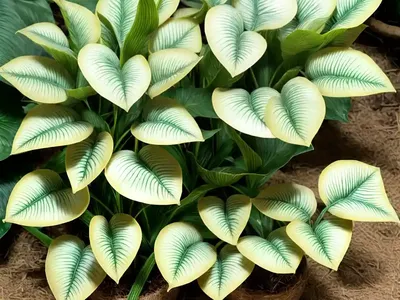
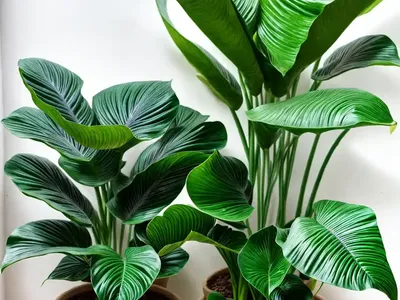
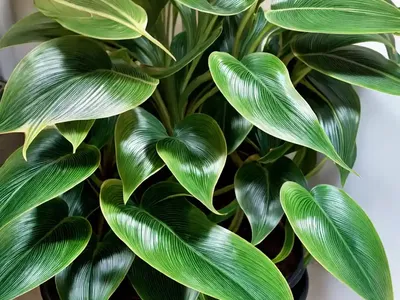
Philodendron pedatum, commonly known as “oak leaf philodendron,” is a striking plant that belongs to the Araceae family. Native to the tropical rainforests.
What is Philodendron Pedatum?
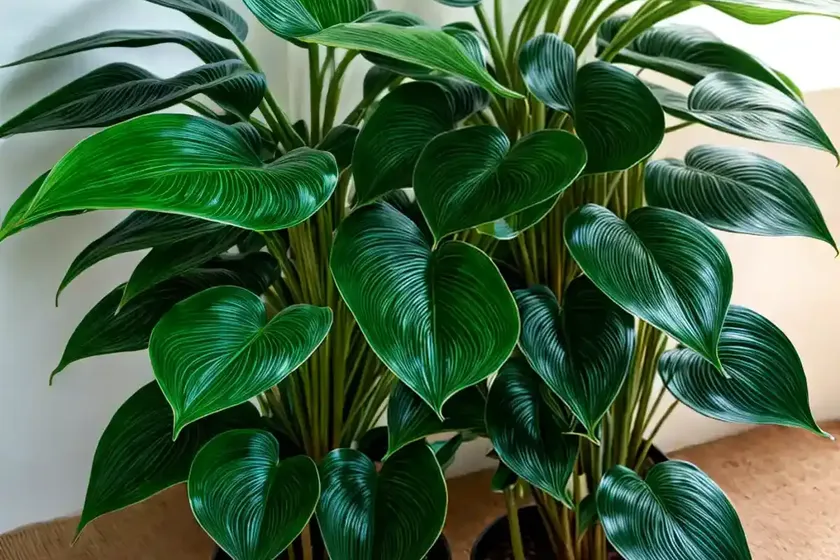
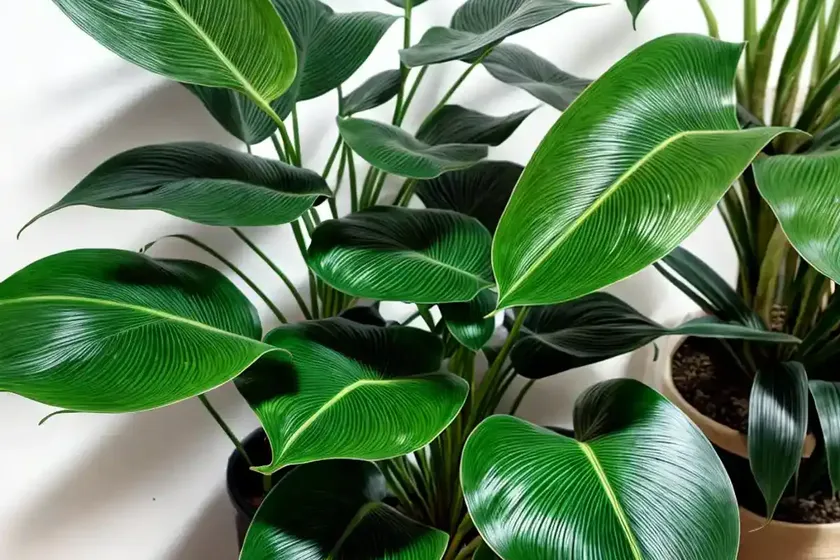
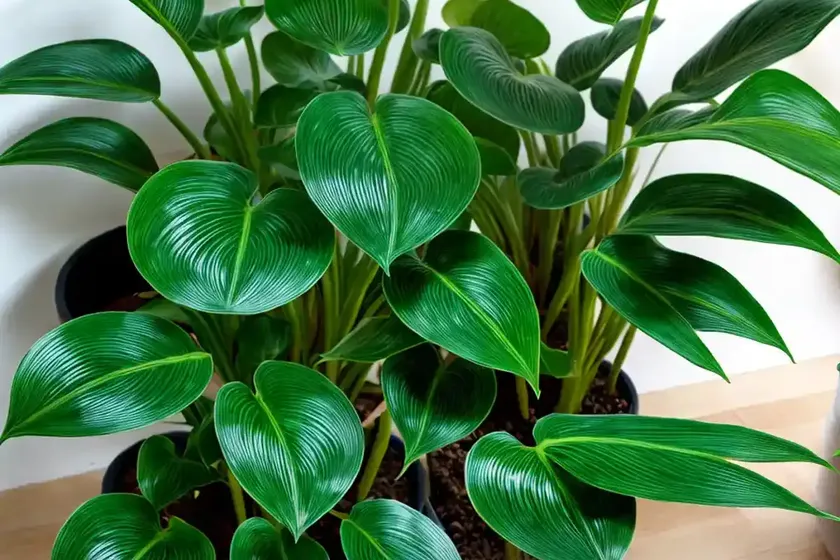
Philodendron pedatum, commonly known as “oak leaf philodendron,” is a striking plant that belongs to the Araceae family. Native to the tropical rainforests of Central and South America, this plant is prized for its unique, deeply lobed leaves that resemble the shape of oak tree leaves, hence its common name.
With its elegant foliage and easy-going nature, Philodendron pedatum has become a popular choice for both indoor and outdoor cultivation among plant enthusiasts. Its aesthetic appeal and minimal maintenance requirements have earned it a special place in the hearts of many gardeners and collectors.
In this comprehensive guide, we will delve into the various aspects of Philodendron pedatum, including its cultural requirements, uses, care tips, and much more. Whether you’re a seasoned plant enthusiast or just beginning your journey into the world of gardening, this guide will provide you with valuable insights into the fascinating world of Philodendron pedatum.
Key Takeaways – Philodendron Pedatum
Before we explore the finer details of Philodendron pedatum, let’s take a moment to highlight some key takeaways about this remarkable plant:
- Plant Name: Philodendron pedatum (Oak Leaf Philodendron)
- Family: Araceae
- Native Habitat: Central and South America (Tropical Rainforests)
- Common Names: Oak Leaf Philodendron
- Key Features: Distinctive deeply lobed leaves, climbing or trailing tendencies
- Cultural Significance: Popular indoor and outdoor ornamental plant
- Uses: Ornamental display, indoor and outdoor landscaping
Now that we have a basic understanding of Philodendron pedatum, let’s delve deeper into the various facets of this captivating plant.
Culture
When it comes to the culture of Philodendron pedatum, it’s essential to create an environment that mimics its natural habitat. Understanding its cultural requirements is crucial for ensuring the plant’s healthy growth and development.
Water
Philodendron pedatum appreciates consistent moisture without being waterlogged. It’s important to allow the top inch of the soil to dry out between waterings to prevent root rot. Regular, moderate watering is ideal, especially during the growing season, while reducing watering frequency during the plant’s dormant period.
- Use a well-draining potting mix to prevent waterlogging
- Water thoroughly, allowing excess water to drain out of the pot
- Adjust watering frequency based on seasonal changes and plant growth stages
- Monitor soil moisture levels to prevent overwatering or underwatering
Sunlight
In its natural habitat, Philodendron pedatum thrives under the dappled light of the rainforest canopy. When grown indoors, it’s essential to provide the plant with bright, indirect light to promote healthy growth and vibrant leaf colors. Avoid direct sunlight, especially during the intense midday hours, as it can scorch the leaves.
- Place the plant near a north or east-facing window for optimal light exposure
- Shield the plant from direct sunlight to prevent leaf damage
- Monitor the plant for signs of insufficient or excessive light, such as pale leaves or leaf scorching
Fertilizer
Fertilizing Philodendron pedatum is an essential aspect of its care regimen. During the growing season, which typically spans spring and summer, regular fertilization helps provide the plant with essential nutrients for robust growth and lush foliage. A balanced, water-soluble fertilizer formulated for houseplants is recommended for Philodendron pedatum.
- Dilute the fertilizer to half or quarter strength to avoid over-fertilization
- Apply fertilizer every 4-6 weeks during the growing season
- Refrain from fertilizing during the plant’s dormant period in fall and winter
Soil
A well-draining, aerated potting mix is crucial for the health and vitality of Philodendron pedatum. The ideal soil mix should retain moisture while allowing excess water to drain freely to prevent waterlogging. A combination of peat moss, perlite, and pine bark often serves as a suitable medium for Philodendron pedatum.
- Use a high-quality potting mix formulated for aroids or tropical plants
- Ensure the soil mix is well-aerated and provides adequate drainage
- Consider repotting the plant every 1-2 years to refresh the soil and provide ample root space
Pruning
Pruning plays a vital role in maintaining the lush appearance of Philodendron pedatum and managing its growth habits. Regular pruning helps remove spent leaves, encourages bushier growth, and controls the plant’s size when grown indoors.
- Use clean, sterilized pruning shears to remove dead or yellowing leaves
- Cut back leggy or excessively long stems to promote a more compact growth habit
- Prune as needed to shape the plant and maintain its overall appearance
Uses
Philodendron pedatum offers a myriad of uses, ranging from ornamental display to interior décor and landscaping. Its striking foliage and adaptable nature make it a versatile plant that can be incorporated into various settings with stunning results.
Container Popularity
As an indoor plant, Philodendron pedatum is highly sought after for its elegant foliage and relatively low maintenance requirements. It thrives in containers and hanging baskets, adding a touch of tropical allure to any indoor space.
- Ideal for adorning shelves, tabletops, and plant stands
- Well-suited for compact living spaces due to its climbing or trailing tendencies
- Thrives as a potted specimen, enhancing the aesthetic appeal of indoor environments
Common Diseases
While Philodendron pedatum is generally resistant to pest infestations and diseases, it is not immune to certain issues that can affect its health. Understanding common diseases and their prevention is essential for ensuring the plant’s longevity and vitality.
Disease Diagnosis
- Root Rot: Occurs due to overwatering or waterlogged soil, leading to root suffocation and decay. Symptoms include wilting, yellowing leaves, and a foul odor from the soil.
- Leaf Spotting: Fungal infections or bacterial leaf spot can cause unsightly lesions on the leaves. Proper ventilation and avoiding overhead watering help prevent this issue.
- Powdery Mildew: A white, powdery fungal growth on the leaves indicates the presence of powdery mildew. Ensure proper air circulation and moderate humidity levels to prevent this disease.
Common Pests
Despite its resilience, Philodendron pedatum may occasionally fall victim to common pests that affect many indoor and outdoor plants. Understanding these pests and their control methods is crucial for maintaining the plant’s health.
- Spider Mites: These tiny arachnids can infest the undersides of leaves, causing stippling and webbing. Regularly misting the plant and keeping humidity levels moderate can deter spider mites.
- Mealybugs: These small, white insects often cluster on leaf joints and stems, sucking sap from the plant. Isopropyl alcohol or insecticidal soap can be used to control mealybug infestations.
Botanist’s Tips
For those seeking to deepen their understanding of Philodendron pedatum and cultivate it to its full potential, these botanist’s tips offer invaluable insights and practical advice.
- Research the plant’s native habitat to gain insights into its natural growth habits and ecological preferences
- Experiment with different light conditions to find the optimal balance that promotes healthy growth and vibrant leaf colors
- Encourage the plant’s climbing tendencies by providing a support structure such as a moss pole or trellis
- Incorporate Philodendron pedatum into mixed plantings to create visually captivating indoor or outdoor displays
- Monitor the plant’s growth stages and development to provide tailored care based on its evolving needs
Fun Facts
Delving into the world of Philodendron pedatum reveals a treasure trove of intriguing and delightful facts that further enrich our appreciation for this captivating plant.
- The name “Philodendron” is derived from the Greek words “philo” (meaning love) and “dendron” (meaning tree), alluding to the plant’s climbing tendencies and arboreal origins.
- Philodendron pedatum’s aerial roots serve multiple purposes, including anchoring the plant to its support structure and absorbing moisture and nutrients from the air.
- The striking lobed leaves of Philodendron pedatum are known for their decorative appeal and are often showcased in botanical gardens and indoor plant collections.
- In its natural habitat, Philodendron pedatum contributes to the rich biodiversity of tropical ecosystems by providing shelter and food for various insects and small animals.
Links to External Resources
For those eager to explore further information and resources related to Philodendron pedatum, the following external links provide valuable insights and practical guidance:
- The American Philodendron Society: A comprehensive resource for enthusiasts dedicated to the study and cultivation of Philodendron species, including Philodendron pedatum.
- Tropical Rainforest Conservation: Learn about the conservation efforts aimed at preserving the natural habitats of Philodendron pedatum and other rainforest flora.
- Indoor Plant Care Guide: Explore tips and advice for the successful cultivation of indoor plants, including Philodendron pedatum.
In conclusion, Philodendron pedatum stands as a captivating representative of tropical flora, captivating enthusiasts with its unique leaf shape, adaptability, and ornamental charm. By understanding its cultural requirements, uses, and care tips, plant enthusiasts can foster the health and beauty of Philodendron pedatum, enriching their indoor and outdoor spaces with its timeless allure. Whether as a decorative houseplant, a striking landscape addition, or a subject of botanical study, Philodendron pedatum continues to enthrall and inspire all who encounter it.
As we continue to explore the vast and wondrous world of flora, let us cherish and celebrate the botanical marvels that grace our lives, nurturing an enduring bond with nature and the breathtaking diversity of plant life.