Neon Philodendron (Philodendron Cordatum Lime Gold (Neon)
Plants are not just green beauties that adorn our surroundings; they also have the capability to lift moods, improve air quality, and add life to indoor.
Introduction
Plants are not just green beauties that adorn our surroundings; they also have the capability to lift moods, improve air quality, and add life to indoor and outdoor spaces. Amongst the vast variety of plants, philodendrons hold a special place due to their vibrant foliage, easy care requirements, and versatility. In this blog post, we will delve into the world of the Neon Philodendron, also known as Philodendron cordatum Lime Gold, exploring its characteristics, care tips, common diseases, and much more. Whether you are a seasoned plant enthusiast or a beginner looking to add some greenery to your life, this blog post is designed to provide comprehensive insights into this stunning plant species.
What is the Neon Philodendron (Philodendron cordatum Lime Gold)?
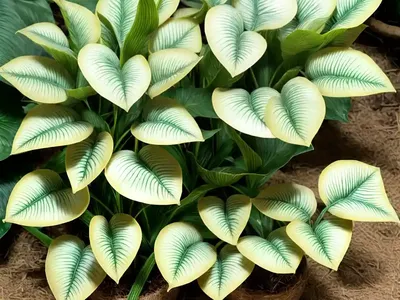
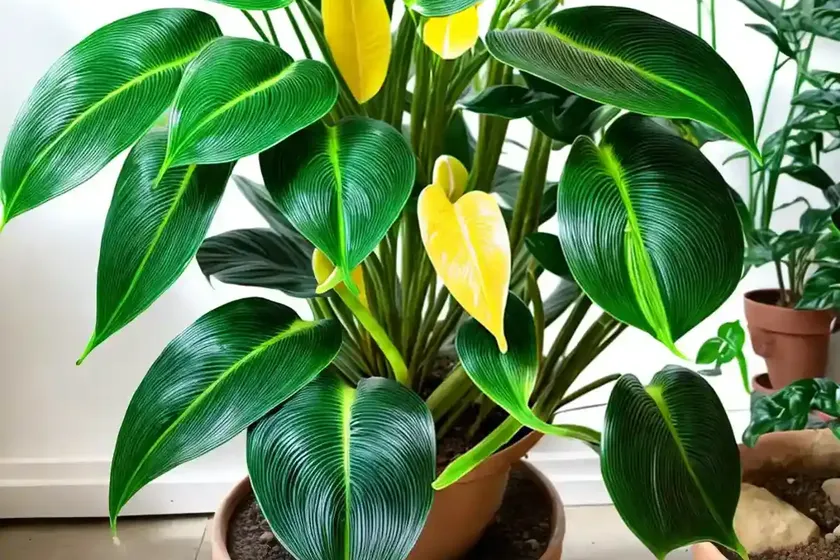
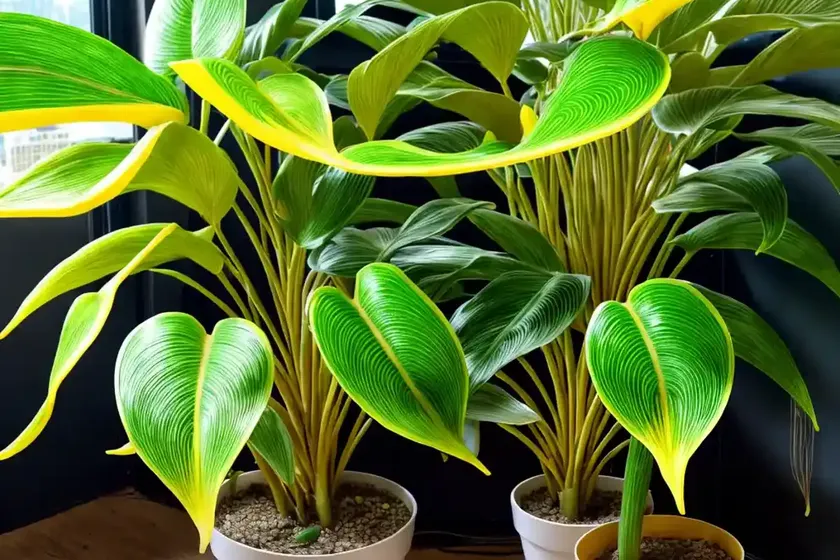
The Neon Philodendron, scientifically known as Philodendron cordatum Lime Gold, is a striking plant featuring neon-green, heart-shaped leaves that add a pop of color to any space. Renowned for its low-maintenance nature and ability to thrive in various conditions, this plant is becoming increasingly popular among indoor gardening enthusiasts and landscape designers.
Key Takeaways – Neon Philodendron (Philodendron cordatum Lime Gold)
Before we dive into the specifics of caring for the Neon Philodendron, let’s take a look at the key takeaways:
- Name: Neon Philodendron (Philodendron cordatum Lime Gold)
- Scientific Name: Philodendron cordatum ‘Lime Gold’
- Common Varieties: There are several variations of the Neon Philodendron, each with its own unique leaf patterns and colors.
- Popularity: This plant has gained popularity due to its vibrant foliage and easy-care requirements.
- Versatility: It can be grown indoors as a houseplant or outdoors in suitable climates.
- Air-Purifying Qualities: The Neon Philodendron is known for its ability to purify the air, contributing to better indoor air quality.
Now, let’s delve into the specific aspects of caring for the Neon Philodendron.
Culture
Uses
The Neon Philodendron can be used in various settings and applications, including:
- Indoor Decor: It adds a vibrant touch to indoor spaces, such as living rooms, bedrooms, and offices.
- Outdoor Landscaping: When grown in suitable climates, it can be used in outdoor garden beds, borders, and planters.
- Air Purification: Due to its air-purifying properties, it is a valuable addition to any indoor environment.
Water
Proper watering is essential for the health and vitality of the Neon Philodendron. Here are some key tips for watering this plant:
- Moderation is Key: Avoid overwatering, as this can lead to root rot. Allow the soil to dry out slightly between waterings.
- Consistent Moisture: While the plant should not sit in waterlogged soil, it appreciates consistent moisture. Ensure that the soil is well-draining to prevent waterlogging.
- Water Quality: Use room-temperature water to avoid shocking the plant with cold water.
Sunlight
Understanding the sunlight requirements of the Neon Philodendron is crucial for its overall well-being:
- Indirect Light: It thrives in bright, indirect light. Avoid placing it in direct sunlight, as this can scorch the leaves.
- Low-Light Tolerance: It can also tolerate lower light conditions, making it suitable for spaces with less natural light.
Fertilizer
Feeding the Neon Philodendron with the right nutrients can promote healthy growth and vibrant foliage. Consider the following fertilizer tips:
- Balanced Fertilizer: A balanced, water-soluble fertilizer formulated for indoor plants is ideal for the Neon Philodendron.
- Frequency: During the growing season (spring and summer), apply fertilizer every 4-6 weeks. Reduce feeding in the fall and winter.
Soil
Choosing the right soil mix is crucial for the Neon Philodendron’s well-being. Consider the following soil requirements:
- Well-Draining Mix: It thrives in a well-draining potting mix that retains some moisture while allowing excess water to drain away.
- Peat-Based Mix: A peat-based potting mix with added perlite or orchid bark provides an ideal balance of water retention and aeration.
Pruning
Regular pruning helps maintain the Neon Philodendron’s shape and encourages healthy growth. Here are some pruning tips for this plant:
- Remove Yellow Leaves: Trim off any yellow or brown leaves to promote the plant’s overall health and aesthetics.
- Shaping: Pruning can be used to control the plant’s size and shape, ensuring it remains bushy and compact.
Propagation
Propagating the Neon Philodendron allows you to expand your plant collection and share it with others. Consider the following propagation methods:
- Stem Cuttings: Propagate the plant by taking stem cuttings with at least two nodes. Place the cuttings in a moist growing medium, and roots should develop in a few weeks.
- Division: If the plant has multiple stems, it can be divided during repotting to create new plants.
Container Popularity
The Neon Philodendron is a popular choice for container gardening due to its manageable size and striking appearance. Consider the following container gardening tips:
- Container Selection: Choose a well-draining container that allows excess water to escape. Consider decorative pots that complement the plant’s vibrant foliage.
- Size Consideration: Ensure the container is appropriately sized to accommodate the plant’s root system and allow room for growth.
Common Diseases
As with any plant, the Neon Philodendron is susceptible to certain diseases and issues. Understanding common diseases and their management is crucial for maintaining a healthy plant.
Disease Diagnosis
It’s important to be able to identify common diseases that can affect the Neon Philodendron. Here are some potential issues to watch out for:
- Root Rot: Overwatering can lead to root rot, which is characterized by mushy, discolored roots and wilted foliage.
- Leaf Spot: This fungal disease presents as dark, water-soaked spots on the leaves, which can eventually lead to leaf yellowing and dropping.
Common Pests
Pests can also pose a threat to the health of the Neon Philodendron. Here are some common pests to watch out for:
- Spider Mites: These tiny pests can cause stippling and webbing on the leaves, leading to weakened plant vigor.
- Mealybugs: Mealybugs can infest the plant, appearing as white, cottony masses on stems and leaf undersides.
Botanist’s Tips
To ensure the successful cultivation of the Neon Philodendron, consider the following botanist’s tips:
- Regular Monitoring: Keep a close eye on the plant for any signs of stress, pests, or diseases. Early detection facilitates prompt intervention.
- Proper Drainage: Providing adequate drainage is key to preventing issues such as root rot. Ensure that container-grown plants have drainage holes.
Fun Facts
The Neon Philodendron is not only a visually stunning plant but also boasts some fascinating characteristics. Here are a few fun facts about this delightful species:
- Color-Changing Leaves: The leaves of the Neon Philodendron can change color depending on light and age, often exhibiting different shades of green.
- Air-Purifying Qualities: In addition to its aesthetic appeal, the Neon Philodendron is an excellent air purifier, removing harmful toxins from the surrounding environment.
Links to External Resources
For further information and resources on the Neon Philodendron, consider exploring the following links:
- The Neon Philodendron: A Complete Guide
- Growing Philodendrons Indoors
- Common Houseplant Diseases and Pests
- Container Gardening Tips
In conclusion, the Neon Philodendron (Philodendron cordatum Lime Gold) is a captivating plant that brings a vibrant touch to any environment. With proper care and attention to its specific requirements, it can thrive as an interior decoration piece or an outdoor landscaping feature. By understanding its cultural needs, potential diseases, and common pests, plant enthusiasts can ensure the continued health and beauty of this stunning species. Whether you’re an experienced gardener or a novice plant lover, the Neon Philodendron is a rewarding addition to any collection.
References
- Royal Horticultural Society. “Philodendron.” https://www.rhs.org.uk/plants/popular/philodendron
- The Spruce. “Neon Pothos.” https://www.thespruce.com/neon-pothos-5069923