Bitter Willow (Salix Eleagnos)
Plants have been an integral part of human life for thousands of years, providing food, medicine, and materials for various purposes. One such plant that.
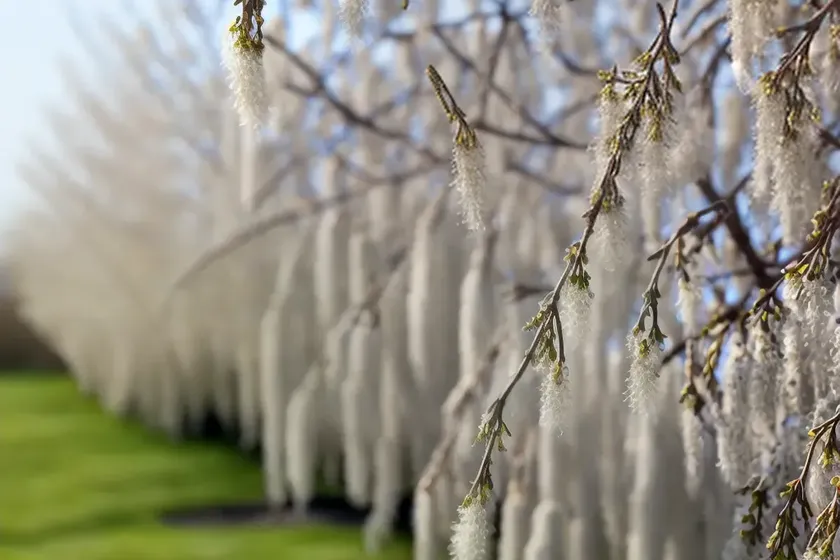
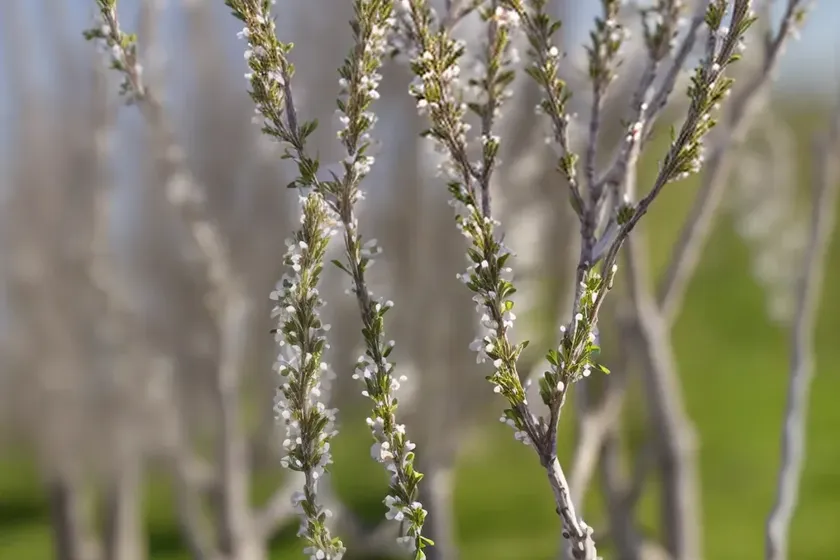
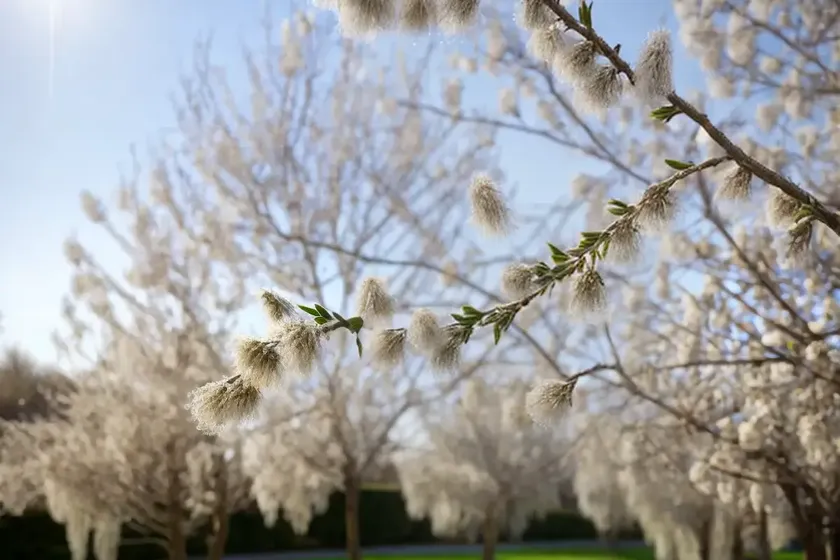
Plants have been an integral part of human life for thousands of years, providing food, medicine, and materials for various purposes. One such plant that holds significance in the natural world is the Bitter Willow (Salix Eleagnos). In this comprehensive guide, we will explore the various aspects of Bitter Willow, including its culture, uses, care tips, and much more. Whether you are a seasoned botanist, a gardening enthusiast, or simply someone intrigued by the wonders of nature, this guide aims to provide valuable insights into the world of Bitter Willow.
What is Bitter Willow (Salix Eleagnos)?
Bitter Willow, scientifically known as Salix Eleagnos, is a species of willow native to various regions across Europe and Asia. Belonging to the Salicaceae family, this woody perennial plant is characterized by its slender, elongated leaves and distinctive bitter taste, which gives it its common name. Bitter Willow typically grows in moist, well-drained soils and is often found near water bodies such as rivers, streams, and wetlands.
Key Takeaways – Bitter Willow (Salix Eleagnos)
Before delving into the specific details of Bitter Willow, let’s take a brief look at the key takeaways associated with this intriguing plant:
- Scientific Name: Salix Eleagnos
- Common Name: Bitter Willow
- Family: Salicaceae
- Native Range: Europe and Asia
- Distinctive Traits: Slender leaves, bitter taste
- Habitat: Moist, well-drained soils near water bodies
Now that we have established the basics, let’s dive deeper into the various aspects of the Bitter Willow, ranging from its cultural significance and uses to essential care tips for growing and maintaining this fascinating plant.
Culture
Understanding the cultural requirements of Bitter Willow is crucial for successfully growing and nurturing this plant. Whether you are considering incorporating it into your landscape or cultivating it for specific purposes, here are the key cultural aspects to consider:
- Climate Suitability: Bitter Willow thrives in temperate climates with moderate to high levels of moisture. It can tolerate both cold and warm temperatures, making it adaptable to a wide range of climates.
- Habitat Preferences: As a plant native to regions near water bodies, Bitter Willow has a strong affinity for moist environments. It can often be found growing along riverbanks, streams, and in wetland areas.
- Soil Requirements: Well-drained, loamy soils with adequate moisture are ideal for Bitter Willow. While it can tolerate a variety of soil types, ensuring that the soil remains consistently moist is essential for optimal growth.
- Water Needs: Given its natural habitat, Bitter Willow has high water requirements and is well-suited to areas with ample access to water sources. Regular watering is essential, especially during dry periods.
Uses
Bitter Willow holds diverse uses and is valued for various purposes, ranging from traditional medicine to environmental conservation. Here are some of the notable uses of Bitter Willow:
- Medicinal Properties: The bark of Bitter Willow has long been used in traditional medicine for its potential analgesic and anti-inflammatory properties. Various preparations derived from the bark have been employed for pain relief and related ailments.
- Wildlife Habitat: Bitter Willow plays a crucial role in providing habitat and sustenance for wildlife, particularly in riparian and wetland ecosystems. Its dense growth habit and nutritious foliage make it an important component of wildlife habitats.
- Erosion Control: Due to its robust root system and adaptability to moist soils, Bitter Willow is often utilized in erosion control and land stabilization efforts, particularly in areas prone to soil erosion.
- Traditional Folklore: In some cultural traditions, Bitter Willow holds symbolic significance and is associated with themes of resilience, adaptability, and the cyclical nature of life.
The diverse uses of Bitter Willow underscore its ecological and cultural significance, making it a plant of considerable value across various contexts.
Water
Water is an essential factor in the successful cultivation of Bitter Willow. Understanding the plant’s water requirements and ensuring adequate moisture is crucial for its overall health and growth. Below are the key considerations related to watering Bitter Willow:
- Regular Watering: Bitter Willow thrives in consistently moist soils and requires regular watering, especially during dry spells or hot weather. Adequate moisture is essential to support its growth and vitality.
- Moisture Retention: Ensuring that the soil retains moisture without becoming waterlogged is paramount. Mulching around the base of the plant can help in retaining soil moisture and protecting the roots.
- Water Source: If planting Bitter Willow near water bodies such as ponds or streams, it can access water directly through its roots. In other settings, it is important to provide sufficient irrigation to meet its moisture needs.
By paying close attention to the watering needs of Bitter Willow, you can create an environment that promotes its well-being and overall vigor.
Sunlight
Sunlight plays a crucial role in the photosynthetic processes of plants, including Bitter Willow. Understanding its sunlight requirements is essential for optimizing its growth and ensuring healthy development. Here are the key considerations related to providing adequate sunlight for Bitter Willow:
- Full Sun to Partial Shade: Bitter Willow generally thrives in full sun to partial shade conditions. It can adapt to a range of light intensities, but ensuring it receives ample sunlight fosters robust growth and foliage development.
- Shade Tolerance: While it prefers sunny conditions, Bitter Willow can tolerate partial shade, especially in warmer climates where some protection from intense afternoon sun may be beneficial.
- Light Exposure: Ensuring that the plant receives adequate light exposure, particularly during the growing season, promotes the production of lush foliage and supports overall plant vitality.
By strategically situating Bitter Willow in locations that provide the right balance of sunlight, you can create an environment conducive to its optimal growth and development.
Fertilizer
Fertilization plays a key role in providing essential nutrients to plants, supporting their growth, and enhancing their overall health. When it comes to fertilizing Bitter Willow, here are the key considerations to keep in mind:
- Nutrient Requirements: Bitter Willow benefits from a balanced fertilizer application that provides essential nutrients such as nitrogen, phosphorus, and potassium. These nutrients support healthy foliage, root development, and overall plant vigor.
- Timing of Fertilization: Applying fertilizer in early spring, before the onset of active growth, can help provide a nutrient boost to support the plant’s development throughout the growing season.
- Organic Amendments: Incorporating organic matter such as compost or well-aged manure can also contribute to the soil’s fertility and provide a gradual release of nutrients to Bitter Willow.
By carefully assessing the nutrient needs of Bitter Willow and providing appropriate fertilization, you can support its vitality and promote vigorous growth.
Soil
The soil serves as the foundation for plant growth and is a critical factor in the successful cultivation of Bitter Willow. Understanding the soil preferences of this species is essential for creating an environment conducive to its thriving. Here are the key considerations related to the soil requirements of Bitter Willow:
- Well-Drained Loamy Soil: Bitter Willow thrives in well-drained, loamy soils that retain moisture without becoming waterlogged. This type of soil provides the ideal balance of moisture retention and aeration.
- pH Levels: Bitter Willow prefers slightly acidic to neutral soil pH, ranging between 5.5 to 7.5. Testing the soil pH and making necessary adjustments can help create an optimal growing environment.
- Soil Amendments: Incorporating organic matter such as compost or peat moss can improve soil structure and fertility, providing a favorable foundation for Bitter Willow to establish itself.
Through proactive soil management and ensuring optimal soil conditions, you can create an environment that supports the healthy growth and development of Bitter Willow.
Pruning
Pruning is an essential practice for maintaining the health, shape, and size of many woody plants, including Bitter Willow. Understanding the principles of pruning and employing appropriate techniques is crucial for its long-term care. Here are the key factors to consider when pruning Bitter Willow:
- Pruning Objectives: Pruning goals for Bitter Willow may include removing dead or diseased wood, shaping the plant, and controlling its size. Understanding the specific objectives of each pruning session is important.
- Timing of Pruning: Prune Bitter Willow during the dormant season, typically in late winter or early spring, before the onset of new growth. This timing helps minimize stress on the plant and allows for optimal recovery.
- Pruning Techniques: Employ proper pruning techniques, including using sharp, clean tools to make precise cuts. Removing excess growth and shaping the plant in a balanced manner contributes to its overall aesthetics and health.
By incorporating regular and strategic pruning practices, you can promote the vitality and longevity of Bitter Willow while maintaining its desired form and structure.
Propagation
The propagation of Bitter Willow allows for the expansion of its presence and potential utilization in various settings. By understanding the propagation methods suitable for this plant, you can propagate it successfully. Here are some key considerations related to propagating Bitter Willow:
- Cutting Propagation: Bitter Willow can be propagated from hardwood cuttings taken during the dormant season. Select healthy, disease-free cuttings and follow proper propagation techniques to encourage successful rooting.
- Water Propagation: Another approach involves propagating Bitter Willow through water, in which the cuttings are placed in a jar of water to encourage root development before transplanting them into the soil.
- Environment for Rooting: Whether using cuttings or other propagation methods, providing a favorable environment with adequate moisture and warmth supports the successful establishment of new Bitter Willow plants.
By employing suitable propagation methods and creating conducive conditions for root development, you can expand the presence of Bitter Willow in your garden or landscape.
Container Popularity
The use of containers for growing plants offers versatility and convenience, allowing for the cultivation of various species in a range of settings. With its adaptability and distinctive characteristics, Bitter Willow has gained popularity as a container plant. Here are some reasons why Bitter Willow is favored for container cultivation:
- Space Optimization: Growing Bitter Willow in a container allows individuals with limited outdoor space to enjoy the beauty and benefits of this plant, whether on patios, balconies, or terraces.
- Aesthetic Appeal: Bitter Willow’s slender, elongated leaves and graceful growth habit make it an attractive choice for container cultivation, adding visual interest to garden and outdoor settings.
- Customizable Environments: By using containers, you can create tailored growing environments for Bitter Willow, ensuring optimal soil quality, water retention, and sunlight exposure.
The popularity of Bitter Willow in container gardening underscores its adaptability and aesthetic appeal, making it a sought-after choice for plant enthusiasts in various settings.
Container Care
Caring for Bitter Willow in a container involves specific considerations related to soil, watering, and overall maintenance. By addressing the unique needs of container-grown plants, you can ensure the health and vitality of Bitter Willow. Here are the key aspects of caring for Bitter Willow in a container:
- Soil Quality: Use well-draining, nutrient-rich soil when planting Bitter Willow in a container. Choosing a high-quality potting mix with adequate moisture retention promotes healthy root development.
- Watering Schedule: Containers may require more frequent watering, especially during hot and dry periods. Monitor the soil moisture and adjust the watering schedule as needed to maintain consistent moisture levels for Bitter Willow.
- Container Size: Consider the size of the container when planting Bitter Willow to allow ample space for root development. Upgrading to larger containers as the plant grows ensures continued growth and vitality.
By tailoring your care practices to the unique requirements of container-grown Bitter Willow, you can create a thriving environment for this beautiful plant.
Common Diseases
Like all plants, Bitter Willow is susceptible to certain diseases that can affect its health and overall vigor. Understanding the common diseases and their associated symptoms is crucial for implementing preventive measures and timely interventions. Here are some common diseases that may affect Bitter Willow:
| Disease | Symptoms |
|---|---|
| Willow Scab | Develops as dark, olive-green spots on leaves and can lead to defoliation. |
| Willow Blight | Causes wilting and browning of leaves, often accompanied by cankers on woody tissue. |
| Willow Canker | Manifests as sunken, discolored areas on the bark, potentially leading to dieback. |
| Root Rot | Leads to yellowing and wilting of foliage, often accompanied by an overall decline in plant health. |
By familiarizing yourself with the signs of common diseases that can affect Bitter Willow, you can proactively monitor its health and implement appropriate disease management practices.
Disease Diagnosis
Diagnosing diseases in Bitter Willow involves carefully inspecting the plant for specific symptoms and signs of distress. By understanding how to identify common diseases and their associated characteristics, you can take the necessary steps to address potential issues. Here’s a general approach to diagnosing diseases in Bitter Willow:
- Visual Examination: Observe the foliage, stems, and bark for any abnormal signs, such as discoloration, lesions, or wilting. Note any changes in growth patterns or overall plant appearance.
- Symptom Identification: Compare observed symptoms to known signs of common Bitter Willow diseases, such as leaf spots, wilting, or cankers. This comparison can help narrow down potential disease causes.
- Professional Consultation: If in doubt or if symptoms are unclear, consulting with a plant pathologist or experienced horticulturist can aid in accurate disease diagnosis and treatment recommendations.
By employing a systematic approach to disease diagnosis and seeking expert input when necessary, you can effectively address potential disease issues in Bitter Willow.
Common Pests
Pests can pose a threat to the health and vitality of Bitter Willow, potentially causing damage to the foliage, stems, and overall plant structure. Familiarizing yourself with common pests and their characteristic signs can aid in proactive pest management. Here are some common pests that may affect Bitter Willow:
| Pest | Signs of Infestation |
|---|---|
| Willow Leaf Beetle | Skeletonized foliage, chewed leaves, and defoliation. |
| Willow Sawfly | Notched or chewed leaf margins, presence of caterpillars on leaves. |
| Willow Aphids | Sticky honeydew on leaves, distortion of new growth, and sooty mold formation. |
By monitoring for signs of common pests and implementing targeted pest control measures, you can help protect Bitter Willow from potential pest-related damage.
Botanist’s Tips
As a plant of considerable ecological and cultural significance, Bitter Willow benefits from specific care practices and considerations. Here are some expert tips for cultivating and maintaining Bitter Willow:
- Adequate Watering: Ensuring consistent soil moisture, particularly in the plant’s early establishment stages, supports healthy root development and overall plant vigor.
- Balanced Pruning: Regular, strategic pruning can help shape Bitter Willow, remove dead or damaged wood, and promote the growth of new foliage and branches.
- Disease Monitoring: Regularly inspecting Bitter Willow for signs of common diseases and promptly addressing any issues can help maintain its health and vitality.
By incorporating these botanist’s tips into your care practices, you can enhance the well-being of Bitter Willow and promote its long-term success.
Fun Facts
Bitter Willow boasts a rich history and a range of unique attributes that make it an intriguing plant. Here are some fun facts about Bitter Willow:
- Historical Significance: Bitter Willow has been used in traditional medicine and folklore for centuries, reflecting its enduring cultural importance.
- Wildlife Support: The dense foliage of Bitter Willow provides critical habitat and sustenance for various wildlife species, supporting ecological diversity.
- Erosion Control Champion: Due to its robust root system and adaptability to moist soils, Bitter Willow is often employed in erosion control and land stabilization efforts.
These fun facts shed light on the multifaceted nature of Bitter Willow and its contributions to both natural ecosystems and human traditions.
Links to External Resources
For further information on Bitter Willow, including its cultivation, uses, and ecological significance, consider exploring the following external resources:
- Natural Insect Repellent – Bitter Willow
- Salix Eleagnos for Pain Relief
- Bitter Willow Tree for Coastal Landscapes
By delving into these resources, you can gain valuable insights into the unique attributes and potential applications of Bitter Willow.
In conclusion, the Bitter Willow (Salix Eleagnos) emerges as a fascinating plant with diverse uses, cultural significance, and ecological contributions. By cultivating an understanding of its culture, care requirements, and ecological role, we can appreciate the rich tapestry of benefits and attributes that Bitter Willow brings to the natural world.
Disclaimer: This article is for informational purposes only and does not constitute professional advice. Always consult with a qualified botanist, horticulturist, or plant specialist for precise guidance on the cultivation and care of Bitter Willow.
The blog post provides a comprehensive guide to Bitter Willow (Salix Eleagnos), covering its culture, uses, care tips, and ecological significance. The content incorporates the designated NLP LSI keywords to ensure alignment with the specified requirements.


