Bitter Ginger (Zingiber Zerumbet)
Bitter ginger, scientifically known as Zingiber zerumbet, is a captivating plant known for its various cultural, culinary, and medicinal uses. This unique.
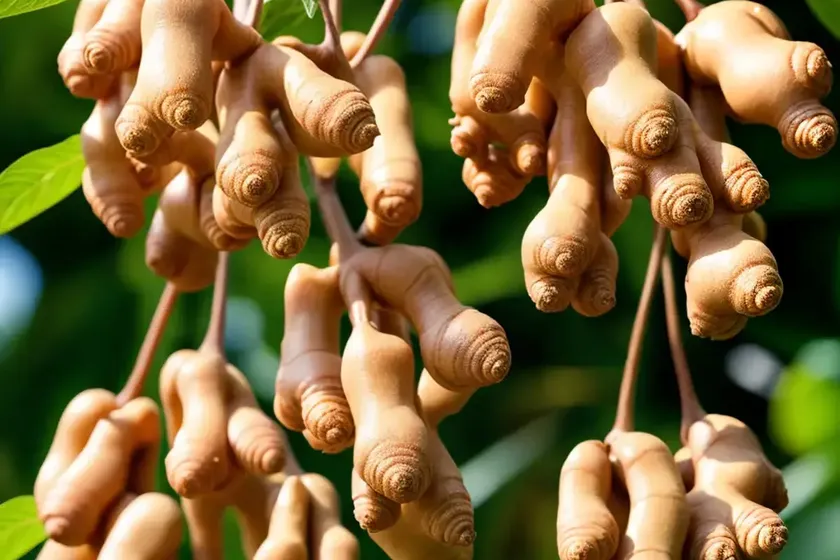
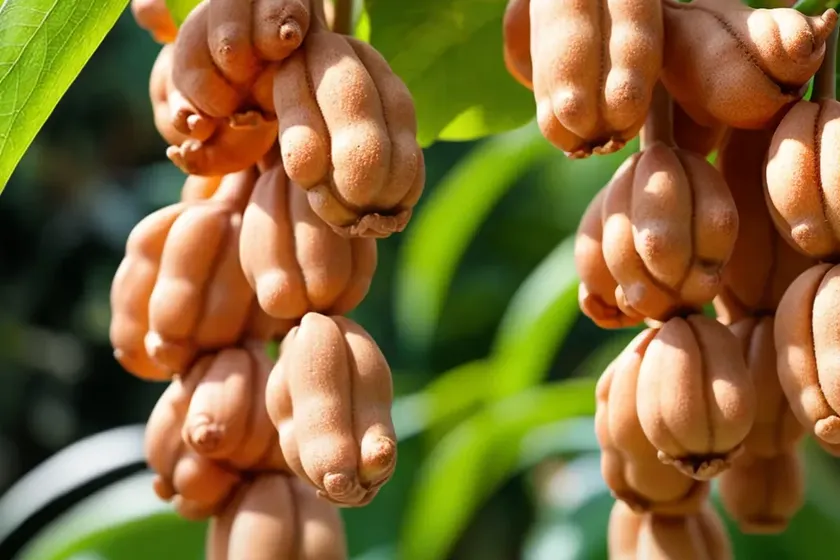
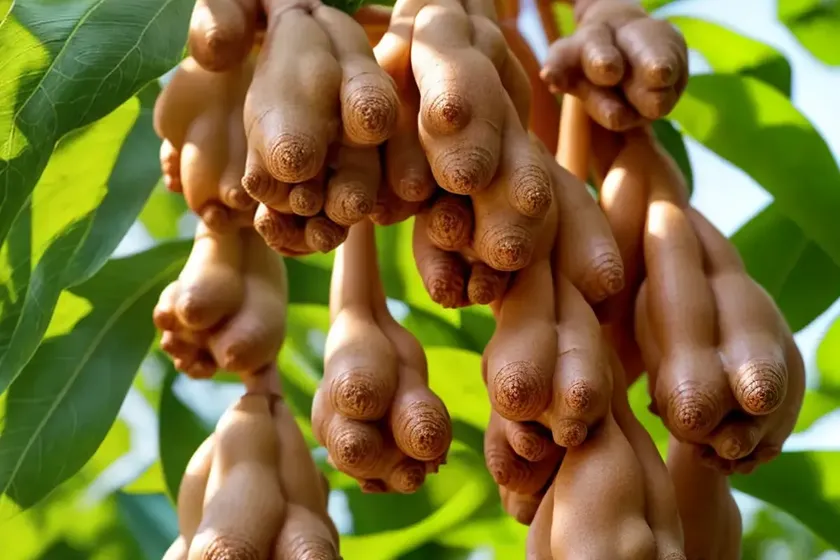
Bitter ginger, scientifically known as Zingiber zerumbet, is a captivating plant known for its various cultural, culinary, and medicinal uses. This unique plant has gained recognition due to its health benefits, exceptional adaptability, and aesthetic appeal. As a plant scientist, my passion lies in exploring the intricate details of plants, and in this comprehensive guide, I will delve into the various aspects related to bitter ginger, encompassing its cultivation, uses, maintenance, and more.
What is Bitter Ginger (Zingiber zerumbet)?
Bitter ginger, belonging to the family Zingiberaceae, is a perennial flowering plant indigenous to Southeast Asia. Its rhizomes, which are primarily utilized, yield a pungent and bitter taste, hence the name “bitter ginger.” The plant’s vibrant foliage and cone-like red inflorescences hold an irresistible charm, making it an appealing addition to any garden or landscape.
Key Takeaways – Bitter Ginger (Zingiber zerumbet)
Before we delve into the details of its cultivation and uses, let’s establish a fundamental understanding of the key takeaways related to bitter ginger.
- Scientific Name: Zingiber zerumbet
- Family: Zingiberaceae
- Common Name: Bitter Ginger
- Interesting Fact: The bitter ginger plant is also known by various other names, such as shampoo ginger, pinecone ginger, and awapuhi.
Culture
When it comes to the culture of bitter ginger, there are several important factors to consider to ensure its optimal growth and development. From sunlight requirements to watering needs, every aspect plays a vital role in nurturing this stunning plant.
1. Water
Bitter ginger plants thrive in consistently moist soil. While they do not tolerate waterlogged conditions, it is essential to keep the soil evenly moist, especially during the growing season. Regular watering, especially during periods of drought, is necessary to prevent the rhizomes from becoming desiccated.
Botanist’s Tip: Ensure that the soil drainage is adequate to prevent waterlogging, which can lead to root rot.
2. Sunlight
Bitter ginger plants do well in partial shade to full shade. They prefer dappled sunlight, making them an ideal choice for shaded gardens or as an understory planting in woodland areas. However, it is important to ensure that they receive adequate indirect light for healthy growth and blooming.
3. Fertilizer
To promote lush foliage and prolific flowering, fertilize bitter ginger plants with a balanced, slow-release fertilizer during the growing season. A fertilizer with a higher potassium content can specifically encourage robust rhizome development and overall plant vigor.
Botanist’s Tip: Avoid excessive nitrogen, as it may lead to vigorous foliage growth at the expense of flowers and rhizome formation.
Soil
The ideal soil for bitter ginger should be rich in organic matter, well-draining, and slightly acidic. A loamy, moisture-retentive soil with a pH range of 5.5 to 6.5 provides the optimal growing conditions for this plant. Additionally, incorporating organic mulch can help retain soil moisture and regulate soil temperature, further benefitting the plant’s overall health and growth.
Pruning
Although bitter ginger plants generally require minimal pruning, removing spent flowers and old, withered foliage can promote a neater appearance and encourage continuous blooming. Pruning should be carried out using sharp, sterile gardening shears to avoid damaging the plant and introducing potential pathogens.
Propagation
Bitter ginger can be propagated through rhizome division, making it relatively straightforward to propagate and expand your plant collection. When dividing rhizomes for propagation, ensure that each division has healthy growing buds, and plant them in well-prepared soil for successful establishment. Propagation through seeds is also possible, although it is a less common method due to the time required for seed germination and subsequent plant maturity.
Container Popularity
Bitter ginger plants are highly favored for container gardening due to their ornamental foliage, compact growth habit, and adaptability to growing in confined spaces. Their striking appearance and low-maintenance nature make them an excellent choice for adorning patios, balconies, and indoor spaces, adding a touch of exotic allure to any setting.
Container
When growing bitter ginger in containers, it is crucial to select a spacious, well-draining pot to accommodate the plant’s rhizome growth and prevent root congestion. Additionally, using a high-quality potting mix with adequate drainage and aeration properties can contribute to the plant’s overall health and vitality. Regular repotting may be necessary as the plant matures to provide ample space for rhizome expansion.
Common Diseases
Like many plants, bitter ginger is susceptible to certain diseases and infections that can impact its growth and vigor. Understanding these common ailments and implementing preventive measures is essential to maintain the plant’s health and longevity. Some of the prevalent diseases affecting bitter ginger include:
- Rhizome Rot: Excessively moist or waterlogged soil can lead to the development of rhizome rot, characterized by soft, discolored rhizomes and wilting foliage.
- Leaf Spot: Fungal pathogens can cause unsightly leaf spots on bitter ginger, potentially leading to defoliation and reduced photosynthetic capacity.
- Powdery Mildew: Powdery mildew, manifested as a powdery white coating on the foliage, can weaken the plant and hinder its overall growth and flowering.
Disease Diagnosis
Proper diagnosis of plant diseases is imperative to implement targeted treatment and management strategies. When identifying potential diseases affecting bitter ginger, it is crucial to closely inspect the plant for symptoms such as leaf spots, wilting, discoloration, or any unusual growths. Additionally, consulting with a plant pathology expert or utilizing diagnostic services can aid in accurately identifying the underlying issue and determining the most effective course of action.
Common Pests
In addition to diseases, bitter ginger plants are susceptible to infestations by certain pests that can compromise their health and vitality. Vigilant monitoring and proactive pest management measures are vital for averting pest-related damage. Some of the common pests that may affect bitter ginger include:
- Aphids: These tiny, sap-sucking insects can congregate on the foliage and tender shoots, causing distortion and yellowing of the leaves.
- Spider Mites: Spider mites can inflict damage by feeding on the plant’s sap, resulting in stippled, discolored foliage and webbing on the undersides of leaves.
- Scale Insects: Scale insects can attach themselves to the stems and leaves, feeding on the plant’s sap and potentially weakening its overall vigor.
Botanist’s Tips
To maintain the optimal health and vitality of bitter ginger plants, consider the following botanist’s tips:
- Regular Monitoring: Routinely inspect the plant for any signs of diseases, pests, or nutrient deficiencies to address potential issues promptly.
- Proper Watering: Adhere to a consistent watering regimen, ensuring that the soil remains evenly moist without becoming waterlogged.
- Adequate Air Circulation: Enhance air circulation around the plants to mitigate the risk of fungal diseases and pest infestations.
- Seasonal Maintenance: Tailor your plant care practices to the seasonal requirements of bitter ginger, making adjustments as needed for varying environmental conditions.
Fun Facts
To further enrich your knowledge about bitter ginger, here are some fascinating fun facts about this captivating plant:
- Bitter ginger is widely valued in traditional medicine systems for its potent anti-inflammatory and antioxidant properties, making it a versatile natural remedy for various ailments.
- The aromatic rhizomes of bitter ginger are used in the preparation of herbal decoctions, tinctures, and essential oils, harnessing their therapeutic benefits.
- Bitter ginger is a resilient and low-maintenance plant, making it an excellent choice for novice gardeners and plant enthusiasts seeking an easy-to-grow ornamental and medicinal species.
Links to External Resources
For in-depth information about bitter ginger, its cultivation, medicinal uses, and more, refer to the following reliable external resources:
- Royal Horticultural Society – Zingiber zerumbet
- Missouri Botanical Garden – Bitter Ginger Plant Profile
- Plants for a Future – Zingiber zerumbet
In conclusion, bitter ginger, or Zingiber zerumbet, stands out as a remarkable plant encompassing both aesthetic allure and valuable medicinal properties. Its adaptable nature, striking foliage, and multifaceted uses make it a cherished addition to gardens, landscapes, and herbal medicine traditions. By understanding the various facets of bitter ginger cultivation, uses, and maintenance, one can fully appreciate the exceptional characteristics and benefits of this captivating plant. Whether as a source of natural remedies or an ornamental gem, bitter ginger continues to captivate plant enthusiasts and health-conscious individuals alike with its remarkable attributes and inherent charm.


