Bird’s Nest (Sansevieria Trifasciata ‘hahnii’)
As a plant scientist, I take great joy in exploring the diverse and fascinating world of plant life. Today, I am excited to delve into the captivating.
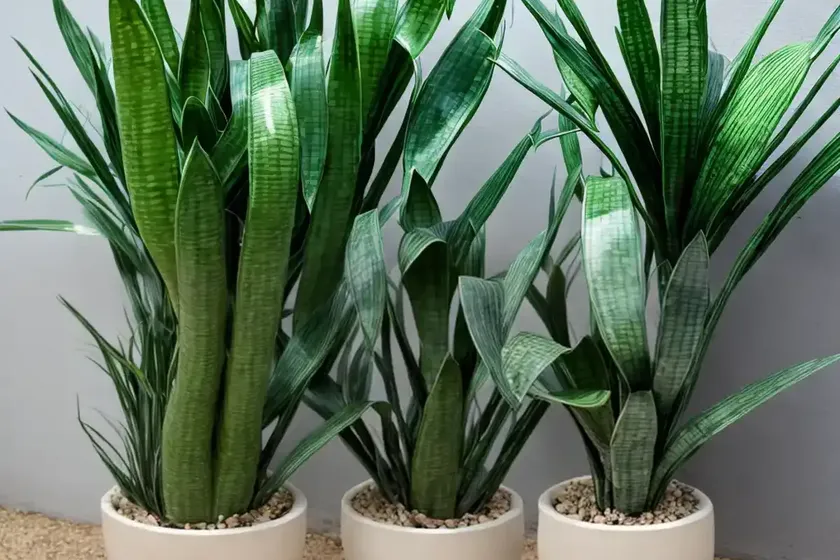
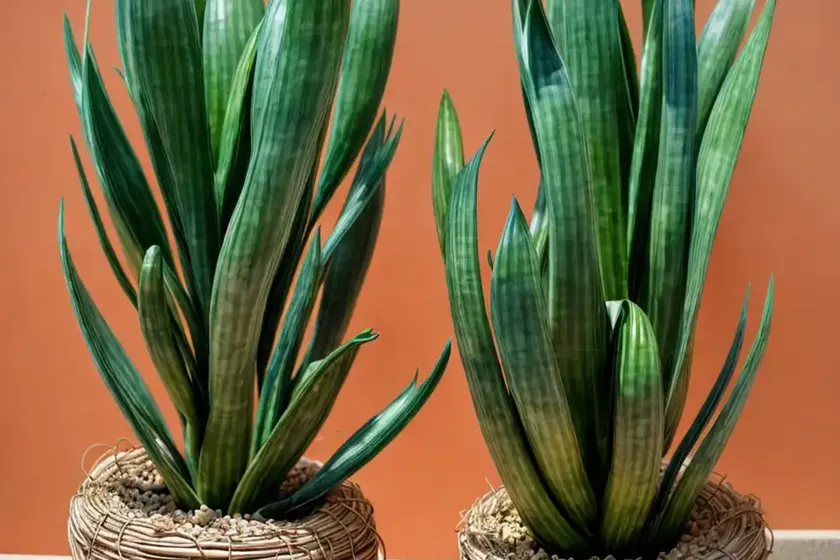
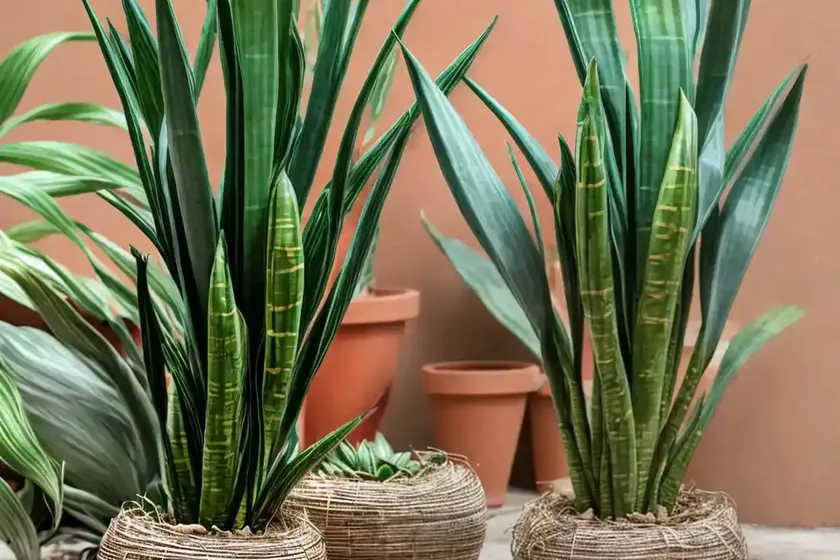
As a plant scientist, I take great joy in exploring the diverse and fascinating world of plant life. Today, I am excited to delve into the captivating realm of the Bird’s Nest, scientifically known as Sansevieria Trifasciata ‘Hahnii’. This popular ornamental plant has gained significant attention for its unique appearance and low maintenance requirements.
In this comprehensive guide, I aim to unravel the wonders of this elegant plant, offering insights into its culture, uses, care requirements, and much more. Whether you are a seasoned plant enthusiast or a novice gardener, this article will provide valuable information to help you nurture and appreciate the Bird’s Nest in all its glory.
What is Bird’s Nest (Sansevieria Trifasciata ‘Hahnii’)?
Bird’s Nest, or Sansevieria Trifasciata ‘Hahnii’, is a compact and charming cultivar of the Snake Plant, which belongs to the family Asparagaceae. The striking rosette of this plant, with its dense and tightly packed leaves, bears a remarkable resemblance to a bird’s nest, hence its common name. This unique appearance has made the Bird’s Nest a sought-after choice for indoor and outdoor ornamental plantings.
Key Takeaways – Bird’s Nest (Sansevieria Trifasciata ‘Hahnii’)
The Bird’s Nest (Sansevieria Trifasciata ‘Hahnii’) offers numerous benefits and features that make it an appealing addition to any plant lover’s collection. Here are some key takeaways about this captivating plant:
- Compact Growth: The Bird’s Nest displays a compact growth habit, making it ideal for small spaces and container plantings.
- Low Maintenance: This plant is remarkably low maintenance, thriving with minimal care and attention.
- Air Purifying Qualities: Like its parent species, the Snake Plant, the Bird’s Nest is known for its air-purifying capabilities, contributing to a healthier indoor environment.
- Adaptability: It exhibits excellent adaptability to various light conditions and is tolerant of sporadic watering, making it suitable for both novice and experienced plant enthusiasts.
- Aesthetic Appeal: The Bird’s Nest’s striking appearance adds a touch of elegance to interior spaces and outdoor landscapes, making it a versatile decorative element.
Now that we have a glimpse of the Bird’s Nest’s unique characteristics, let’s delve further into the details of its culture, uses, care requirements, and more.
Culture
Understanding the cultural requirements of the Bird’s Nest (Sansevieria Trifasciata ‘Hahnii’) is essential for ensuring its optimal growth and overall well-being. From its origins to its preferred growing conditions, let’s explore the cultural aspects of this captivating plant.
Origin and Natural Habitat
The Sansevieria genus is native to tropical and subtropical regions of Africa and Asia. Specifically, Sansevieria Trifasciata, the parent species of the Bird’s Nest, originates from West Africa. In its natural habitat, this species thrives in a variety of environmental conditions, including dry, arid regions, and more humid areas, showcasing its adaptability and resilience.
Uses
The Bird’s Nest (Sansevieria Trifasciata ‘Hahnii’) offers versatile uses, making it a valuable addition to both indoor and outdoor settings. Some common uses of the Bird’s Nest include:
- Indoor Decoration: Its compact size and visually appealing rosette make the Bird’s Nest an excellent choice for indoor decoration. Whether placed on tabletops, shelves, or as part of a decorative arrangement, this plant adds a touch of elegance to interior spaces.
- Outdoor Landscaping: In garden beds, rock gardens, or as part of xeriscapes, the Bird’s Nest contributes to outdoor landscaping with its unique form and texture.
- Air Purification: As a member of the Sansevieria genus, the Bird’s Nest possesses air-purifying qualities, effectively removing toxins and impurities from the air, thereby improving the overall air quality in indoor environments.
Now that we have explored the cultural significance and uses of the Bird’s Nest, let’s transition to its specific care requirements, including water, sunlight, fertilizer, soil, pruning, and propagation techniques.
Care
Proper care is essential for nurturing healthy and vibrant Bird’s Nest plants. From watering practices to soil preferences, understanding the plant’s specific care requirements is crucial for its overall well-being. Let’s explore each aspect of care in detail to ensure that your Bird’s Nest thrives in its environment.
Water
When it comes to watering the Bird’s Nest (Sansevieria Trifasciata ‘Hahnii’), moderate and consistent watering practices are key. Here are some essential guidelines for watering this captivating plant:
- Moderation: The Bird’s Nest is highly tolerant of dry conditions and can withstand periods of drought. It is important to avoid overwatering, as excessive moisture can lead to root rot and other issues.
- Watering Frequency: Allow the soil to dry out partially between waterings. Depending on environmental conditions, water the plant approximately every 2-3 weeks during the growing season, and even less frequently in the winter months.
- Watering Technique: When watering, ensure that excess water drains freely from the pot. This helps prevent waterlogging and maintains a balanced moisture level in the soil.
Sunlight
The Bird’s Nest thrives in various light conditions, showcasing its adaptability to different environments. Here are some important considerations regarding sunlight requirements for this plant:
- Light Preferences: While the Bird’s Nest can tolerate low light conditions, it flourishes in bright, indirect light. Position the plant near a window where it receives ample filtered sunlight or dappled shade throughout the day.
- Avoid Direct Sun: Protect the Bird’s Nest from intense, direct sunlight, especially during the peak hours of the day. Prolonged exposure to harsh sunlight can lead to leaf burn and discoloration.
Fertilizer
Feeding the Bird’s Nest with a balanced fertilizer solution enhances its growth and overall health. Here are some insights into fertilizing this plant:
- Fertilizing Frequency: During the growing season, from spring to early fall, apply a diluted, balanced liquid fertilizer once every 4-6 weeks. Refrain from fertilizing during the plant’s dormant phase in the winter.
- Dilution and Application: Dilute the fertilizer to half or quarter strength of the recommended dosage to prevent overfertilization. Apply the fertilizer to moist soil to facilitate proper absorption by the plant’s roots.
Soil
Choosing the right soil mix is crucial for providing a suitable growing medium for the Bird’s Nest. Consider the following soil recommendations for this plant:
- Well-Draining Soil: Use a well-draining potting mix that allows excess water to escape, preventing waterlogging and root rot. A mix that includes components such as perlite, coarse sand, and organic matter ensures proper drainage.
- Aeration and Texture: The soil should promote aeration and have a light, airy texture to facilitate healthy root development and minimize the risk of water retention.
Pruning
The Bird’s Nest typically requires minimal pruning, as its compact rosette form maintains a tidy appearance. However, occasional removal of yellowing or damaged leaves is beneficial for the plant’s aesthetics and overall health. Use clean, sharp scissors or pruning shears to trim any unhealthy or unsightly foliage, ensuring a clean cut to prevent unnecessary stress to the plant.
Propagation
Propagating the Bird’s Nest (Sansevieria Trifasciata ‘Hahnii’) allows you to expand your plant collection and share the beauty of this cultivar with others. Here’s an overview of propagation methods for the Bird’s Nest:
- Leaf Cuttings: Propagation through leaf cuttings is a popular and straightforward method for increasing your Bird’s Nest population. Select a healthy leaf and cut it into several sections, each about 2-3 inches in length. Plant the cuttings in a well-draining potting mix and keep the soil lightly moist until new growth emerges.
Container
Choosing an appropriate container for your Bird’s Nest is essential for promoting healthy growth and providing an aesthetically pleasing display. Consider the following factors when selecting a container:
- Size and Depth: Choose a container that accommodates the plant’s root system with some room for future growth. Ensure that the pot has drainage holes to prevent water from pooling at the base.
Popularity
The Bird’s Nest (Sansevieria Trifasciata ‘Hahnii’) has gained widespread popularity among plant enthusiasts due to its unique characteristics and ease of care. Its compact size and visually appealing rosette make it a favored choice for interior decoration, especially in spaces with limited light and water conditions. Additionally, its air-purifying qualities and low maintenance requirements contribute to its growing popularity as a favored ornamental plant.
Common Diseases
While the Bird’s Nest (Sansevieria Trifasciata ‘Hahnii’) is relatively resistant to pests and diseases, it is important to be aware of potential issues that may affect the plant’s health. Here are some common diseases and health concerns to watch out for:
- Root Rot: Overwatering or waterlogged soil can lead to root rot, causing the plant’s roots to decay and compromise its overall health.
- Leaf Spot Diseases: Fungal infections can result in the development of leaf spots or lesions on the foliage, particularly in conditions of high humidity or overwatering.
Disease Diagnosis
Diagnosing diseases and health issues in the Bird’s Nest requires careful observation and prompt action. Here are some diagnostic steps to identify and address potential diseases:
- Inspecting Foliage: Regularly examine the leaves for any signs of discoloration, lesions, or unusual growth patterns.
- Checking Soil Moisture: Assess the soil moisture levels to prevent overwatering, which can contribute to root rot and fungal diseases.
- Seeking Professional Advice: If you notice persistent issues or abnormalities, seek guidance from a plant care professional or horticulturist for accurate diagnosis and treatment recommendations.
Common Pests
The Bird’s Nest is relatively resistant to pests, but certain insects may still pose a threat to its well-being. Common pests that may affect the Bird’s Nest include:
- Spider Mites: These tiny arachnids can cause webbing and stippling on the plant’s leaves, leading to weakened growth and overall decline.
- Mealybugs: Mealybugs are small, soft-bodied insects that may appear as white, cottony masses on the plant’s foliage, feeding on its sap and causing visible damage.
Botanist’s Tips
As a botanist, I have some essential tips for nurturing healthy and thriving Bird’s Nest (Sansevieria Trifasciata ‘Hahnii’) plants:
- Adequate Drainage: Ensure proper drainage in the plant’s container to prevent waterlogging, which can lead to root rot and other moisture-related issues.
- Monitor Light Levels: While the Bird’s Nest can tolerate low light conditions, providing it with bright, indirect light encourages healthier growth and vibrant foliage.
- Conservative Watering: Practice moderation in watering, allowing the soil to partially dry out between waterings to prevent water-related concerns.
Fun Facts
The Bird’s Nest (Sansevieria Trifasciata ‘Hahnii’) possesses several intriguing and fun facts that add to its allure and appeal. Here are some entertaining tidbits about this remarkable plant:
- NASA Study: The Snake Plant, from which the Bird’s Nest originates, was part of a NASA study on air purification, demonstrating its ability to remove toxins such as formaldehyde and benzene from the air.
- Variegated Varieties: The Bird’s Nest is available in variegated forms, featuring stunning patterns and color variations on its foliage, adding visual interest to indoor and outdoor spaces.
Now that we have delved into the comprehensive care requirements, uses, and unique attributes of the Bird’s Nest (Sansevieria Trifasciata ‘Hahnii’), let’s explore some resources for additional information and guidance on nurturing this captivating plant.
Links to External Resources
For further insights into the care and cultivation of the Bird’s Nest (Sansevieria Trifasciata ‘Hahnii’), consider exploring the following resources:
- The Spruce – How to Grow and Care for Bird’s Nest Snake Plant
- Gardening Know How – Bird’s Nest Sansevieria Care Guide
- American Society for the Prevention of Cruelty to Animals – Toxic and Non-Toxic Plants: Bird’s Nest
By leveraging these resources, you can enhance your understanding of the Bird’s Nest and gain valuable insights into creating an optimal environment for its growth and well-being.
In conclusion, the Bird’s Nest (Sansevieria Trifasciata ‘Hahnii’) stands as a captivating and resilient plant with remarkable adaptability and ornamental value. Whether gracing indoor spaces with its elegance or contributing to outdoor landscapes with its unique form, this extraordinary plant has rightfully earned its place as a cherished addition to botanical collections worldwide. By adhering to the proper care guidelines and appreciating its distinctive features, plant enthusiasts can nurture healthy and thriving Bird’s Nest specimens, fostering an enduring connection with the wondrous world of plants.
I hope this comprehensive guide has provided you with valuable insights and inspiration for cultivating and appreciating the Bird’s Nest in all its splendor. May your journey with this remarkable plant be filled with joy, discovery, and a flourishing green oasis!