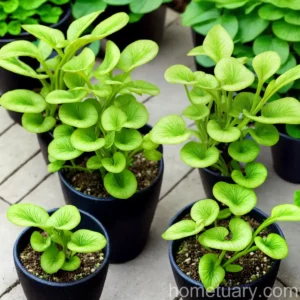
Lungwort (Pulmonaria longifolia): A Comprehensive Guide
Lungwort (scientific name: Pulmonaria longifolia) is a perennial herbaceous plant known for its attractive foliage and beautiful flowers. This plant belongs to the Boraginaceae family and is native to Europe and Western Asia. Lungwort is a popular choice for gardeners due to its low maintenance and ornamental value. In this comprehensive guide, we will explore the culture, uses, care, and interesting facts about lungwort, as well as tips from botanists and links to external resources.
What is Lungwort (Pulmonaria longifolia)?
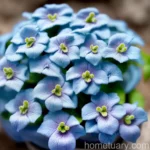
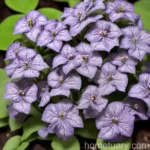
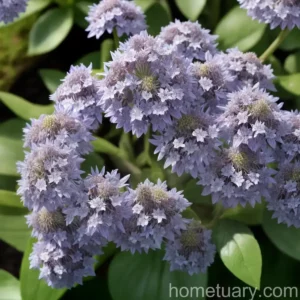
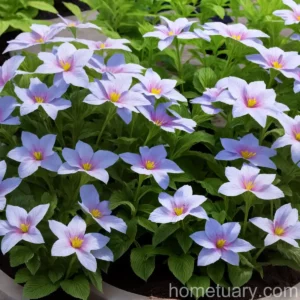
Lungwort, or Pulmonaria longifolia, is a herbaceous perennial plant that typically grows to a height of 12-18 inches. The plant is characterized by its distinctive long, lance-shaped leaves and clusters of bell-shaped flowers that change color as they mature. Lungwort is known for its unique foliage, with leaves that are often spotted or marbled in appearance. The flowers of lungwort also possess a fascinating quality of changing color from pink to blue as they age, making the plant a dynamic addition to any garden.
Key Takeaways – Lungwort (Pulmonaria longifolia)
Before delving deeper into the world of lungwort, let’s explore some key takeaways about this fascinating plant:
- Scientific Name: Pulmonaria longifolia
- Common Names: Lungwort, Long-leafed lungwort, Hardy lungwort
- Type: Perennial herbaceous plant
- Characteristics: Long, lance-shaped leaves; bell-shaped flowers that change color
- Cultural Significance: Known for medicinal uses and folklore beliefs
- Garden Use: Attractive foliage, wildlife habitat, pollinator attractor
Now, let’s explore the various aspects of lungwort in detail, including its culture, uses, care requirements, and interesting facts.
Culture
Understanding the cultural aspects of lungwort is essential for successfully integrating this plant into your garden. This section will cover topics such as water requirements, sunlight preferences, soil conditions, and suitable fertilizers for lungwort.
Water
Lungwort plants thrive in moist, well-draining soil. While they can tolerate periods of dryness, consistent moisture is ideal for promoting healthy growth and prolific flowering. Watering should be adjusted according to the weather conditions, with more frequent watering during hot and dry periods. Avoid overwatering, as this can lead to root rot and other water-related issues.
Sunlight
When it comes to sunlight exposure, lungwort prefers partial to full shade. In its natural habitat, lungwort can be found growing under the canopy of trees, where it receives dappled sunlight. For optimal growth and flowering, plant lungwort in an area of the garden that receives indirect sunlight or partial shade. Too much direct sunlight can scorch the leaves and cause the plant to wilt.
Fertilizer
Lungwort is not a heavy feeder and generally thrives in nutrient-rich soil. Before planting, incorporate organic matter such as compost or well-rotted manure into the soil to provide a good foundation of nutrients. During the growing season, a balanced, all-purpose fertilizer can be applied sparingly to support the plant’s growth and flowering. It’s important to follow the recommended application rates to prevent over-fertilization, which can be detrimental to lungwort.
Soil
The ideal soil for lungwort is rich, humusy, and well-draining. A slightly acidic to neutral pH range is preferred, and the addition of organic matter can improve soil structure and fertility. Lungwort can adapt to various soil types, including loamy and clay soils, as long as they are well-draining. Amending heavy clay soils with organic matter can enhance drainage and create a more conducive environment for lungwort to thrive.
Pruning
Pruning plays a crucial role in maintaining the health and appearance of lungwort plants. Regular deadheading of spent flowers can prolong the blooming period and prevent self-seeding, which can lead to overcrowding. Additionally, removing old or damaged foliage can promote new growth and reduce the risk of disease. Pruning should be done after the flowering period to keep the plant tidy and encourage healthy expansion.
Propagation
Lungwort can be propagated through division, seeds, or stem cuttings. Division is the preferred method and is best performed in early spring or early fall. Lift the plant carefully, ensuring that each division has healthy roots and shoots, and replant them in suitable locations. Seed propagation requires stratification for a few weeks before sowing, while stem cuttings should be taken in the early summer and rooted in a suitable growing medium.
Container Popularity
Lungwort’s compact size and attractive foliage make it a popular choice for container gardening. When selecting a container for lungwort, choose one that provides adequate drainage and sufficient space for root development. Container-grown lungwort may require more frequent watering, as the soil can dry out quicker in pots. Additionally, using a well-balanced potting mix with added organic matter can support the plant’s growth in a container environment.
Common Diseases
While lungwort is known for its resilience, it is susceptible to certain diseases that can affect its health and appearance. Understanding the common diseases that affect lungwort is essential for early detection and effective management.
Disease Diagnosis
The most common diseases that can affect lungwort include powdery mildew, leaf spot, and root rot. Symptoms of powdery mildew include the appearance of white, powdery patches on the leaves, while leaf spot presents as dark spots or lesions on the foliage. Root rot is often caused by overwatering and poorly-draining soil, leading to wilting and decay of the plant’s root system. Regularly inspecting the plant for signs of disease and addressing any issues promptly can help prevent the spread of these ailments.
Common Pests
Lungwort is generally resistant to pests and is considered to have few significant pest issues. However, like any plant, it can still fall victim to the occasional pest infestation. Some pests that may target lungwort include aphids, slugs, and snails. Aphids can be managed through natural predators or gentle spraying with water, while slugs and snails can be controlled using organic methods such as barriers and baits.
Botanist’s Tips
Here are some valuable tips from botanists to help you care for and appreciate lungwort in your garden:
- Ensure adequate moisture: Lungwort prefers consistent moisture, especially during dry periods.
- Provide partial shade: Place lungwort in a location with dappled sunlight or partial shade to prevent leaf scorching.
- Monitor for diseases and pests: Regularly inspect the plant for signs of diseases and pests, and address issues promptly to prevent spread.
Fun Facts
To further pique your interest in lungwort, here are some fun and intriguing facts about this remarkable plant:
- Lungwort’s common name is derived from its historical use in herbal medicine for treating respiratory ailments, as its spotted leaves were thought to resemble diseased lungs.
- In addition to its medicinal uses, lungwort has also been associated with folklore beliefs, representing qualities such as wisdom and protection in various traditions.
- The flowers of lungwort are a valuable early nectar source for pollinators, helping to support bee and butterfly populations in early spring.
Links to External Resources
For additional information and resources on lungwort, consider exploring the following links:
- Royal Horticultural Society – Lungwort: RHS Lungwort
- University of Maryland Medical Center – Lungwort: UMM Lungwort
By delving into the culture, uses, and care of lungwort, we have gained a comprehensive understanding of this captivating plant. From its rich cultural history to its practical applications in the garden, lungwort is truly a versatile and fascinating addition to any landscape. Whether you are drawn to lungwort for its ornamental value, medicinal potential, or ecological benefits, this remarkable plant continues to captivate gardeners and plant enthusiasts around the world.