Plant Scientist’s Guide to Bigleaf Hydrangea (Hydrangea macrophylla ‘Venice Raven’ CITYLINE VENICE)
Bigleaf hydrangea, scientifically known as Hydrangea macrophylla ‘Venice Raven’ or CITYLINE VENICE, is a stunning and popular flowering plant that captivates with its large, showy blooms and lush foliage. In this comprehensive guide, we’ll dive into the intricate details of this exquisite plant, covering its culture, uses, maintenance, and much more. Whether you’re an enthusiastic gardener, a plant lover, or a professional landscaper, this guide will provide you with all the information you need to successfully care for and appreciate the beauty of the bigleaf hydrangea.
What is Bigleaf Hydrangea?
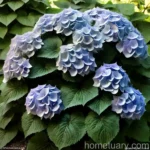
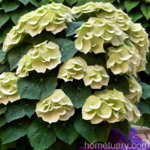
Bigleaf hydrangea, a member of the Hydrangeaceae family, is a deciduous shrub native to Japan and Korea. It is renowned for its large, mophead or lacecap flower clusters, which can range in color from vibrant pink and blue to stunning shades of purple and even red, depending on the soil pH and variety. The foliage of the bigleaf hydrangea is equally eye-catching, boasting large, glossy leaves that provide a splendid backdrop to the magnificent blooms.
Key Takeaways – Bigleaf Hydrangea (Hydrangea macrophylla ‘Venice Raven’ CITYLINE VENICE)
Before we delve into the details of caring for the bigleaf hydrangea, let’s take a quick look at the key takeaways:
- Plant Name: Hydrangea macrophylla ‘Venice Raven’ CITYLINE VENICE
- Common Name: Bigleaf Hydrangea
- Scientific Classification:
- Family: Hydrangeaceae
- Genus: Hydrangea
- Species: macrophylla
- USDA Hardiness Zones: 5-9
- Mature Size: 2-3 feet in height, 3-4 feet in spread
- Bloom Time: Summer to Early Fall
- Exposure: Part shade to full shade
- Soil Preference: Well-draining, humus-rich soil
- pH Requirement: Acidic to slightly alkaline (5.2-6.5)
- Common Uses: Borders, hedges, mass plantings, containers
- Special Features: Large, showy blooms, lush foliage
Now that we have a brief overview of the bigleaf hydrangea, let’s explore the intricate details of its culture, uses, maintenance, and much more.
Culture
Understanding the cultural requirements of the bigleaf hydrangea is essential for ensuring its optimal growth and development. From watering and sunlight to fertilization and soil preferences, here’s what you need to know about the plant’s culture.
Water
Proper watering is crucial for the health and vitality of the bigleaf hydrangea, particularly during the establishment phase and periods of drought. Here are some important considerations when it comes to watering this stunning shrub:
-
Establishment Phase: During the first growing season after planting, it’s important to provide regular watering to help the plant develop a strong and robust root system. Aim to keep the soil consistently moist, but not waterlogged, to support healthy growth.
-
Tip: Applying a layer of mulch around the base of the plant can help retain soil moisture, reduce weed growth, and protect the roots from temperature fluctuations.
-
Drought Tolerance: While the bigleaf hydrangea appreciates consistent moisture, it also exhibits some level of drought tolerance once established. However, prolonged periods of drought can lead to reduced flower production and overall stress on the plant.
-
Watering Frequency: As a general guideline, aim to water the bigleaf hydrangea deeply around 1-2 times per week during dry spells or when rainfall is insufficient. Adjust the frequency based on specific environmental conditions and soil moisture levels.
Sunlight
Proper sunlight exposure is essential for the bigleaf hydrangea to thrive and produce its iconic blooms. Understanding the plant’s sunlight requirements will help you make informed decisions about its placement in your garden or landscape.
-
Optimal Light Conditions: The bigleaf hydrangea generally prefers partial shade, especially in regions with hot summers, as excessive sunlight can lead to wilting and sunscald. Part shade conditions, characterized by filtered sunlight or dappled shade, are ideal for promoting healthy growth and prolific flowering.
-
Tip: Morning sun and afternoon shade or locations with indirect light are often well-suited for the bigleaf hydrangea, providing the necessary light levels without subjecting the plant to harsh, direct sunlight.
-
Sunlight Tolerance: While the bigleaf hydrangea benefits from adequate sunlight, it is important to protect it from prolonged exposure to intense afternoon sun, particularly in warmer climates, as this can result in leaf scorch and reduced flower production.
Fertilizer
Proper fertilization is key to supporting the growth and flowering of the bigleaf hydrangea. Understanding the plant’s nutrient requirements and the best fertilizer practices is essential for promoting lush foliage and abundant blooms.
-
Nutrient Needs: The bigleaf hydrangea benefits from a balanced and slow-release fertilizer that provides essential macronutrients (nitrogen, phosphorus, potassium) and micronutrients. A fertilizer formulated for flowering shrubs or acid-loving plants is often well-suited for the plant’s requirements.
-
Application Timing: Fertilize the bigleaf hydrangea in early spring, just before the onset of new growth, and again in mid-summer to provide a steady supply of nutrients throughout the growing season. Avoid late-season fertilization, as this can stimulate late, tender growth that may be susceptible to cold damage.
-
Quantity and Frequency: Follow the manufacturer’s recommendations regarding the application rate and frequency of fertilization, as overfertilizing can lead to excessive foliage at the expense of flower production and can potentially harm the plant.
-
Fertilizer Placement: Distribute the fertilizer evenly over the root zone of the plant, taking care to avoid direct contact with the stems or foliage, and water thoroughly after application to ensure proper nutrient uptake.
Soil
The selection and preparation of the soil play a critical role in ensuring the success of the bigleaf hydrangea. Understanding the soil preferences and making necessary amendments can greatly impact the plant’s overall health and performance.
-
Soil Type: The bigleaf hydrangea thrives in well-draining, humus-rich soil that retains moisture without becoming waterlogged. A loamy, fertile soil with a slightly acidic to slightly alkaline pH (5.2-6.5) is generally well-suited for the plant’s needs.
-
Tip: If your soil is compacted or heavy in texture, amending it with organic matter such as compost, well-rotted manure, or peat moss can improve its structure, drainage, and nutrient-holding capacity.
-
pH Requirements: Soil pH plays a significant role in determining the color of the bigleaf hydrangea’s blooms. In acidic soil with a pH below 6.0, the flowers tend to exhibit blue tones, while in alkaline soil with a pH above 6.0, the blooms tend to take on pink or red hues.
-
Tip: If you desire a specific flower color, you can manipulate the soil pH using amendments such as aluminum sulfate for bluer blooms or lime for pinker tones. Conduct a soil test to determine the existing pH and make adjustments accordingly.
Pruning
Pruning is an important aspect of bigleaf hydrangea maintenance, helping to shape the plant, promote flowering, and rejuvenate older shrubs. Understanding the proper pruning techniques and timing is crucial for achieving the desired form and maximizing flower production.
-
Pruning Timing: The optimal time to prune the bigleaf hydrangea is in late summer or early fall, once the plant has finished flowering for the season. Avoid pruning in late fall or winter, as this can remove the current season’s flower buds and potentially reduce the following year’s bloom display.
-
Pruning Objectives: When pruning the bigleaf hydrangea, focus on removing spent flower heads, crossing or damaged branches, and any excessively tall or unruly growth to maintain a neat and compact appearance. Additionally, selective pruning can help improve air circulation and sunlight penetration within the canopy, reducing the risk of disease and promoting overall plant health.
-
Tip: Use sharp, sterilized pruners to make clean cuts, and avoid removing more than one-third of the plant’s total growth to minimize stress and maintain the plant’s natural form.
Propagation
Propagating the bigleaf hydrangea allows you to expand your plant collection or share its beauty with others. Understanding the various propagation methods, such as stem cuttings and division, can open up opportunities to create new plants from existing ones.
-
Stem Cuttings: Propagating the bigleaf hydrangea from stem cuttings is a popular and reliable method for obtaining genetically identical plants. Select healthy, non-flowering stems from the current season’s growth, remove the lower leaves, and place the cuttings in a well-draining rooting medium. Provide warmth, humidity, and consistent moisture to encourage root development, and transplant the rooted cuttings into individual pots once they have established a healthy root system.
-
Division: Dividing mature bigleaf hydrangea plants is another effective propagation technique that can rejuvenate overcrowded or overgrown specimens. Dig up the plant in early spring or late fall, carefully separate the root mass into sections, ensuring each division has several healthy stems and an intact root system, and replant the divisions in suitable locations with well-prepared soil.
-
Tip: Keep newly propagated plants well-watered and protected from direct sun or intense heat to support their establishment and growth.
Uses
The bigleaf hydrangea is a versatile and visually striking shrub that can be utilized in various garden and landscape settings, adding beauty and charm to any outdoor space. Here are some common uses of this captivating plant:
Garden Borders
Bigleaf hydrangeas make a wonderful addition to garden borders, where their large, showy blooms and lush foliage create an eye-catching display. Plant them in groups or clusters along the edges of garden beds to introduce vibrant color and texture to the landscape.
Hedges and Screens
The dense, bushy nature of the bigleaf hydrangea makes it well-suited for creating attractive hedges or screens that provide privacy and visual interest. By planting multiple shrubs in a row and maintaining them through selective pruning, a cohesive and stunning barrier can be achieved.
Mass Plantings
In larger-scale landscapes or garden settings, mass plantings of bigleaf hydrangeas can produce a breathtaking spectacle, especially when the plants burst into full bloom. Their collective impact can transform open spaces and lend a sense of elegance and sophistication to the surroundings.
Containers
Bigleaf hydrangeas can also thrive in containers, making them an excellent choice for patios, balconies, and other outdoor living areas. Select a spacious container with adequate drainage, use a high-quality potting mix, and provide the necessary care to ensure the shrub’s health and vitality in a containerized environment.
Popularity
The bigleaf hydrangea, particularly the Hydrangea macrophylla ‘Venice Raven’ or CITYLINE VENICE variety, has gained widespread popularity among gardeners, landscapers, and enthusiasts due to its exceptional ornamental qualities and ease of cultivation. Its stunning blooms, attractive foliage, and relatively low maintenance requirements have contributed to its status as a beloved and sought-after plant. Whether in private gardens, public parks, or commercial landscapes, the bigleaf hydrangea continues to enchant and inspire with its beauty and charm.
Common Diseases
Although relatively resilient, the bigleaf hydrangea is susceptible to certain diseases and infections that can impact its health and appearance. Recognizing common diseases and implementing appropriate preventative and remedial measures is essential for safeguarding the well-being of the plant. Here are some diseases that may affect the bigleaf hydrangea:
Powdery Mildew (Erysiphe spp.)
Powdery mildew, characterized by a powdery white or grayish coating on the leaves, stems, and flower buds, is a common fungal disease that can affect the bigleaf hydrangea, particularly in humid or poorly ventilated conditions. To help prevent powdery mildew:
-
Ensure Adequate Air Circulation: Proper spacing between plants and the removal of congested or excessively dense growth can improve air circulation and reduce the risk of powdery mildew.
-
Avoid Overhead Watering: Water the bigleaf hydrangea at the base to minimize moisture on the foliage, as excess water on the leaves can create favorable conditions for fungal development.
-
Fungicidal Treatment: If powdery mildew is detected, applying a suitable fungicidal spray according to the manufacturer’s instructions may help manage the disease and protect the plant from further infection.
Botrytis Blight (Botrytis cinerea)
Botrytis blight, also known as gray mold, is a fungal disease that causes brown spots, wilting, and decay on the leaves, flowers, and stems of the bigleaf hydrangea. To mitigate the impact of Botrytis blight:
-
Prune Diseased Parts: Promptly remove and dispose of any infected or decaying plant material to prevent the spread of the disease to healthy areas.
-
Improve Air Circulation: Enhancing ventilation around the plant by trimming neighboring foliage or adjusting planting arrangements can help reduce the humidity levels and limit the favorable conditions for Botrytis development.
-
Avoid Overcrowding: Avoid overcrowding or excessive plant density to minimize moisture retention and create an environment less conducive to Botrytis blight.
Cercospora Leaf Spot (Cercospora hydrangeae)
Cercospora leaf spot is a fungal disease that manifests as circular to irregularly shaped brown or purple spots on the leaves of the bigleaf hydrangea. To manage Cercospora leaf spot effectively:
-
Sanitation Practices: Remove and destroy any affected leaves and plant debris to prevent the spread of the disease and minimize the risk of reinfection.
-
Prune for Airflow: Pruning and thinning the interior of the plant to enhance airflow can help reduce moisture levels and limit the occurrence of Cercospora leaf spot.
-
Fungicidal Measures: If the disease persists or intensifies, consider using a fungicidal treatment labeled for Cercospora leaf spot, and follow the application instructions carefully to maximize effectiveness.
Phytophthora Root Rot (Phytophthora spp.)
Phytophthora root rot is a serious fungal disease that affects the roots of the bigleaf hydrangea, leading to wilting, stunted growth, and eventual decline of the plant. To protect the plant from Phytophthora root rot:
-
Ensure Proper Drainage: Optimize the soil drainage by amending heavy or compacted soil with organic matter and avoiding waterlogged conditions, which are conducive to Phytophthora development.
-
Avoid Overwatering: Monitor the soil moisture levels and water the plant judiciously, allowing the top layer of the soil to dry out between watering sessions to discourage the proliferation of the pathogen.
-
Utilize Resistant Varieties: Consider selecting a cultivar or variety that exhibits resistance or tolerance to Phytophthora root rot for improved disease management.
Common Pests
While the bigleaf hydrangea is generally resistant to most pests, infestations by certain insects can occur, compromising the plant’s health and aesthetics. Recognizing common pests and implementing effective pest control measures is crucial for protecting the bigleaf hydrangea. Here are some pests that may pose a threat to the plant:
Aphids (Aphidoidea spp.)
Aphids are small, soft-bodied insects that can congregate on the foliage and stems of the bigleaf hydrangea, sucking plant sap and causing distortion, yellowing, and stunted growth. To manage aphid infestations:
-
Mechanical Control: Use a strong stream of water to dislodge the aphids from the plant and reduce their numbers, particularly on the undersides of leaves and tender shoots.
-
Natural Predators: Encourage the presence of aphid predators such as ladybugs, lacewings, and predatory wasps, which can help keep aphid populations in check.
-
Horticultural Oils or Insecticidal Soaps: Consider using horticultural oils or insecticidal soaps as an effective and eco-friendly option to control aphids, following the application guidelines and precautions provided by the product label.
Spider Mites (Tetranychus urticae)
Spider mites are tiny arachnids that can infest the bigleaf hydrangea, causing stippling, webbing, and leaf discoloration as a result of their sap-feeding activity. To combat spider mite infestations:
-
Increase Humidity: Regularly mist the foliage or use a humidifier to elevate the humidity levels around the plant, which can help deter spider mites and mitigate their negative impact.
-
Natural Enemies: Introduce predatory mites or other natural enemies of spider mites as a biological control measure to limit their population and minimize damage to the plant.
-
Insecticidal Sprays: Consider applying a targeted insecticidal spray labeled for spider mite control and follow the instructions carefully to achieve efficient and safe results.
Scale Insects (Coccoidea spp.)
Scale insects, known for their immobile and protective scale covering, can attach themselves to the stems and foliage of the bigleaf hydrangea, siphoning off plant fluids and causing yellowing, wilting, and decreased vigor. To address scale insect infestations:
-
Physical Removal: Scrape off scale insects gently using a soft brush or cloth to dislodge them from the plant, then dispose of the removed pests to prevent reinfestation.
-
Beneficial Insects: Release or attract natural predators such as parasitic wasps and predatory beetles that target scale insects and help maintain their numbers at a manageable level.
-
Systemic Insecticides: If scale infestations are severe or persistent, consider using a systemic insecticide to control the pests, ensuring that the product is suitable for scale insects and the target plant.
Caterpillars (Lepidoptera spp.)
Caterpillars, the larval stage of various moth and butterfly species, can feed on the foliage and tender shoots of the bigleaf hydrangea, leading to defoliation and aesthetic damage. To manage caterpillar infestations:
-
Handpicking: Inspect the plant regularly, and manually remove caterpillars and their egg masses when observed, particularly during the early stages of infestation.
-
Biological Control: Attract or release natural predators such as birds, beneficial insects, and insectivorous reptiles that feed on caterpillars, offering an eco-friendly and sustainable approach to pest management.
-
Bt (Bacillus thuringiensis) Products: Utilize Bt-based products, a naturally occurring microbial insecticide that targets caterpillars specifically, following the recommended guidelines for application and safety.
Botanist’s Tips
As a plant scientist specializing in the cultivation and care of the bigleaf hydrangea, I’d like to share a few essential tips to help you succeed in growing and enjoying this remarkable shrub. These insights are based on years of study, observation, and practical experience with the plant