Bigleaf Hydrangea (Hydrangea Macrophylla ‘Forever Pink’)
Bigleaf hydrangea, scientifically known as Hydrangea macrophylla ‘Forever Pink’, is a stunning ornamental shrub that belongs to the Hydrangeaceae family..
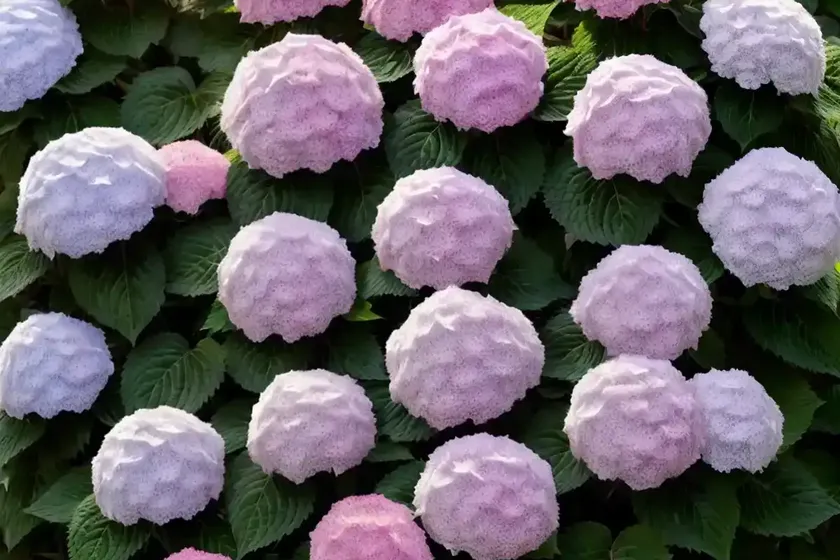
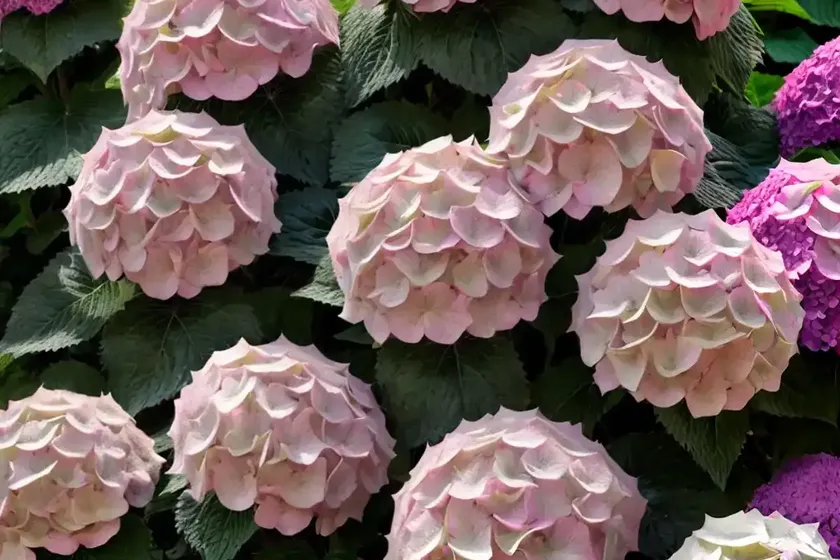
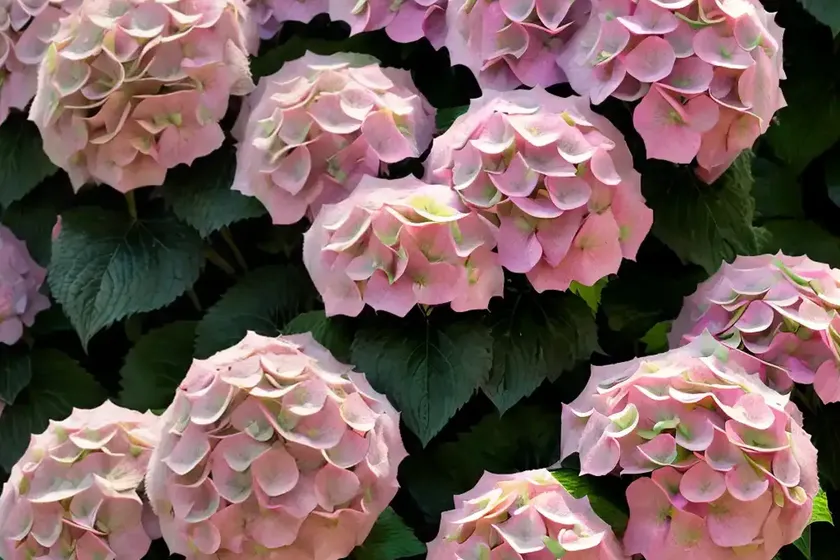
Bigleaf hydrangea, scientifically known as Hydrangea macrophylla ‘Forever Pink’, is a stunning ornamental shrub that belongs to the Hydrangeaceae family. This popular plant is cherished for its large, beautiful pink blooms and is adored by gardeners and landscapers for its versatility and aesthetic appeal. In this comprehensive guide, we will delve into the specifics of growing and caring for the bigleaf hydrangea, also known as the Hydrangea macrophylla ‘Forever Pink’. We will explore its cultural requirements, uses, water and sunlight needs, fertilization, soil requirements, pruning, propagation, container gardening, common diseases, pests, and much more.
What is Bigleaf Hydrangea (Hydrangea macrophylla ‘Forever Pink’)?
Hydrangea macrophylla, commonly known as bigleaf hydrangea, is a deciduous shrub that originates from Japan and Korea. It is popular for its large, showy flower heads and lush, dark green foliage. The ‘Forever Pink’ variety showcases vibrant pink blooms, adding a delightful pop of color to gardens and landscapes.
Key Takeaways – Bigleaf Hydrangea (Hydrangea macrophylla ‘Forever Pink’)
- Scientific Name: Hydrangea macrophylla ‘Forever Pink’
- Common Name: Bigleaf hydrangea
- Family: Hydrangeaceae
- Origin: Japan, Korea
- Characteristics: Large, vibrant pink blooms, lush dark green foliage
- Uses: Ornamental, landscaping, cut flowers
Culture
Bigleaf hydrangeas, including the ‘Forever Pink’ variety, are relatively easy to care for and are well-suited for various garden settings. Understanding their cultural requirements is essential for ensuring their optimal growth and blooming potential.
Uses
The bigleaf hydrangea, Hydrangea macrophylla ‘Forever Pink’, serves multiple purposes in horticulture and landscaping. Its uses include:
- Ornamental planting in gardens and landscapes
- Cut flowers for floral arrangements
- Adding color and visual interest to outdoor spaces
Water
Watering Requirements: The bigleaf hydrangea, particularly the ‘Forever Pink’ variety, has moderate watering needs. It thrives in moist but well-drained soil. During periods of hot and dry weather, it is important to ensure that the plant receives adequate moisture to support healthy growth and blooming.
Watering Tips:
– Water deeply, but less frequently, to encourage the development of a robust root system.
– Avoid waterlogging the soil, which can lead to root rot and other moisture-related issues.
Sunlight
Sunlight Requirements: Bigleaf hydrangeas, including the ‘Forever Pink’, typically prefer partial shade to full sun conditions. While they can tolerate some direct sunlight, they generally thrive in locations with dappled sunlight or partial shade, especially in regions with hot summers.
Sunlight Tips:
– Morning sun and afternoon shade are often ideal for promoting healthy growth and abundant blooms.
– Protect the plants from intense midday sun to prevent leaf scorch and excessive moisture loss.
Fertilizer
Fertilization: Providing the right balance of nutrients is essential for the optimal growth and flowering of bigleaf hydrangeas. Using a balanced, slow-release fertilizer specially formulated for flowering shrubs can support their vigor and bloom production.
Fertilization Tips:
– Apply fertilizer in early spring before new growth emerges.
– Avoid excessive nitrogen, as it can promote lush foliage growth at the expense of flowering.
Soil
Soil Requirements: Bigleaf hydrangeas, including the ‘Forever Pink’ variety, thrive in well-drained, fertile soil with a slightly acidic to neutral pH. Amending the soil with organic matter, such as compost or peat moss, can improve its texture and nutrient content.
Soil Tips:
– Conduct a soil test to determine the pH and nutrient levels, and adjust as needed to create an optimal growing environment.
– Ensure good drainage to prevent waterlogged conditions, which can be detrimental to the plant’s health.
Pruning
Pruning: Proper pruning is important for maintaining the shape, size, and flowering potential of bigleaf hydrangeas. Understanding the specific pruning requirements of the ‘Forever Pink’ variety can help promote healthy growth and prolific blooming.
Pruning Tips:
– Prune after flowering to remove spent flower heads and maintain a tidy appearance.
– Avoid extensive pruning in late summer or fall, as it can remove the next season’s flower buds.
Propagation
Propagation: Bigleaf hydrangeas, including the ‘Forever Pink’ variety, can be propagated through several methods, including softwood cuttings, layering, and division. Each propagation method has its own requirements and best timing for success.
Propagation Tips:
– Take softwood cuttings in late spring or early summer for best results.
– Provide proper care and monitoring during propagation to ensure the establishment of new plants.
Container Popularity
Container Gardening: Bigleaf hydrangeas, such as the ‘Forever Pink’ variety, are well-suited for container gardening, allowing them to thrive in spaces where traditional in-ground planting may not be feasible.
Container Gardening Tips:
– Choose a large, well-draining container to accommodate the plant’s root system.
– Use high-quality potting mix and provide adequate water and sunlight for container-grown specimens.
Common Diseases
Bigleaf hydrangeas, including the ‘Forever Pink’ variety, are susceptible to certain diseases that can impact their overall health and appearance. Understanding common diseases and their management is crucial for maintaining healthy plants.
Disease Diagnosis
- Powdery Mildew: Characterized by a powdery white coating on the leaves, powdery mildew can inhibit photosynthesis and weaken the plant.
- Leaf Spot: Circular or irregular spots on the leaves may indicate a fungal leaf spot disease, which can lead to defoliation if left untreated.
- Botrytis Blight: Gray mold on flower heads and stems is a sign of botrytis blight, a fungal disease that can affect flower development and overall plant vitality.
Disease Management
Preventative Measures:
– Maintain good air circulation around the plants to reduce humidity and minimize the risk of fungal diseases.
– Avoid overhead watering, as wet foliage can create an environment conducive to disease development.
Treatment Options:
– Use fungicidal sprays or treatments as recommended by local extension services or plant health professionals.
– Remove and destroy severely affected plant parts to prevent the spread of diseases.
Common Pests
Like many ornamental plants, bigleaf hydrangeas, including the ‘Forever Pink’ variety, may encounter pests that can compromise their health and appearance. Monitoring for common pests and implementing effective pest management practices is essential for plant protection.
Common Pests
- Aphids: Small, soft-bodied insects that cluster on new growth and flower buds, sucking plant sap and weakening the plant.
- Spider Mites: These tiny pests can cause stippling and webbing on the foliage, leading to reduced vigor and aesthetic damage.
- Scale Insects: Immature and adult scale insects can attach themselves to stems and leaves, feeding on plant fluids and causing stress to the plant.
Pest Control
Integrated Pest Management (IPM):
– Monitor plants regularly for signs of pest infestations, such as distorted growth or stippled leaves.
– Use natural predators, horticultural oils, or insecticidal soaps as part of an environmentally friendly pest control approach.
Botanist’s Tips
- Selecting Healthy Specimens: When choosing bigleaf hydrangeas for planting, look for healthy plants with well-developed root systems and robust foliage.
- Monitoring Moisture Levels: Regularly check soil moisture levels to ensure consistent, appropriate moisture for the plants.
- Understanding Bloom Changes: Recognize and appreciate the color changes in the blooms, from vibrant pink to antique shades as they age.
Fun Facts
- Color Changes: The flowers of bigleaf hydrangeas can undergo remarkable color changes based on soil pH, with pink blooms in alkaline soil and blue blooms in acidic soil.
- Landscape Versatility: These shrubs can be used as stunning focal points in landscapes, as well as effective mass plantings for visual impact.
Links to External Resources
For more detailed information, here are some useful external resources on bigleaf hydrangeas and specific care for the Hydrangea macrophylla ‘Forever Pink’ variety:
- American Hydrangea Society – Hydrangea macrophylla Cultivars
- University of Florida IFAS Extension – Hydrangea Macrophylla Growing in the Florida Landscape
- The Royal Horticultural Society – Hydrangeas
In conclusion, the bigleaf hydrangea, including the captivating Hydrangea macrophylla ‘Forever Pink’, is a delightful addition to gardens and landscapes. By understanding and implementing its specific cultural requirements, addressing common diseases and pests, and leveraging expert tips, gardeners and enthusiasts can foster healthy, vibrant plants with abundant, showy blooms. Whether grown in the ground or in containers, these versatile shrubs offer year-round beauty and charm, making them a cherished favorite among plant enthusiasts.


